Three Dead in Suspected Hantavirus Outbreak on Atlantic Cruise Ship Off Cape Verde
A Dutch couple and a third Dutch national have died; a British passenger is in intensive care in South Africa as authorities deny disembarkation.
GHANA —
Key facts
- Three Dutch nationals have died, including a 70-year-old man and a 69-year-old woman.
- A 69-year-old British national is in intensive care in a Johannesburg hospital with confirmed hantavirus.
- Two crew members with respiratory symptoms remain aboard the MV Hondius off Cape Verde, denied disembarkation.
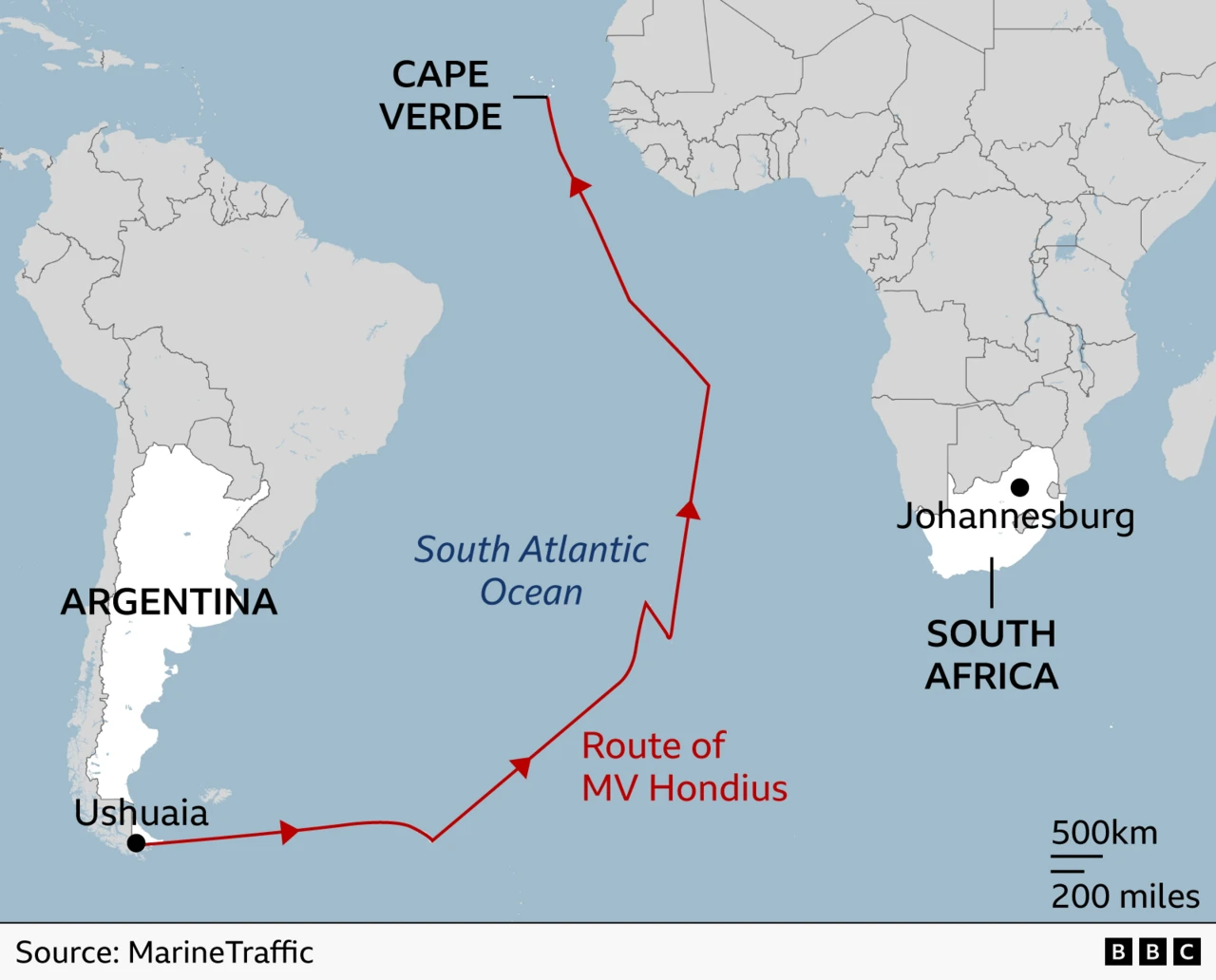
- The ship left Argentina three weeks ago, visiting Antarctica, the Falkland Islands, and Saint Helena.
- At least one case of hantavirus has been confirmed by WHO; five more suspected cases are under investigation.
- Cape Verde has sent a medical team of two doctors, a nurse, and a laboratory specialist to the vessel.
- Hantavirus is spread by rodent urine or feces; it can cause hantavirus pulmonary syndrome or hemorrhagic fever with renal syndrome.
A Fatal Voyage: Three Dead, Several Ill
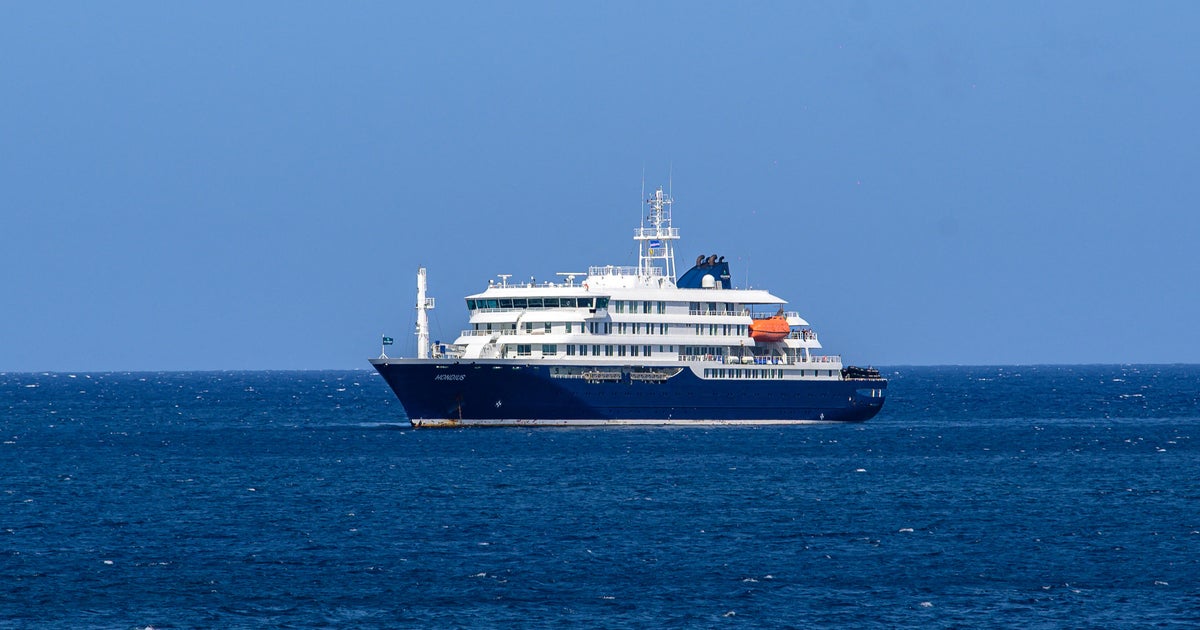
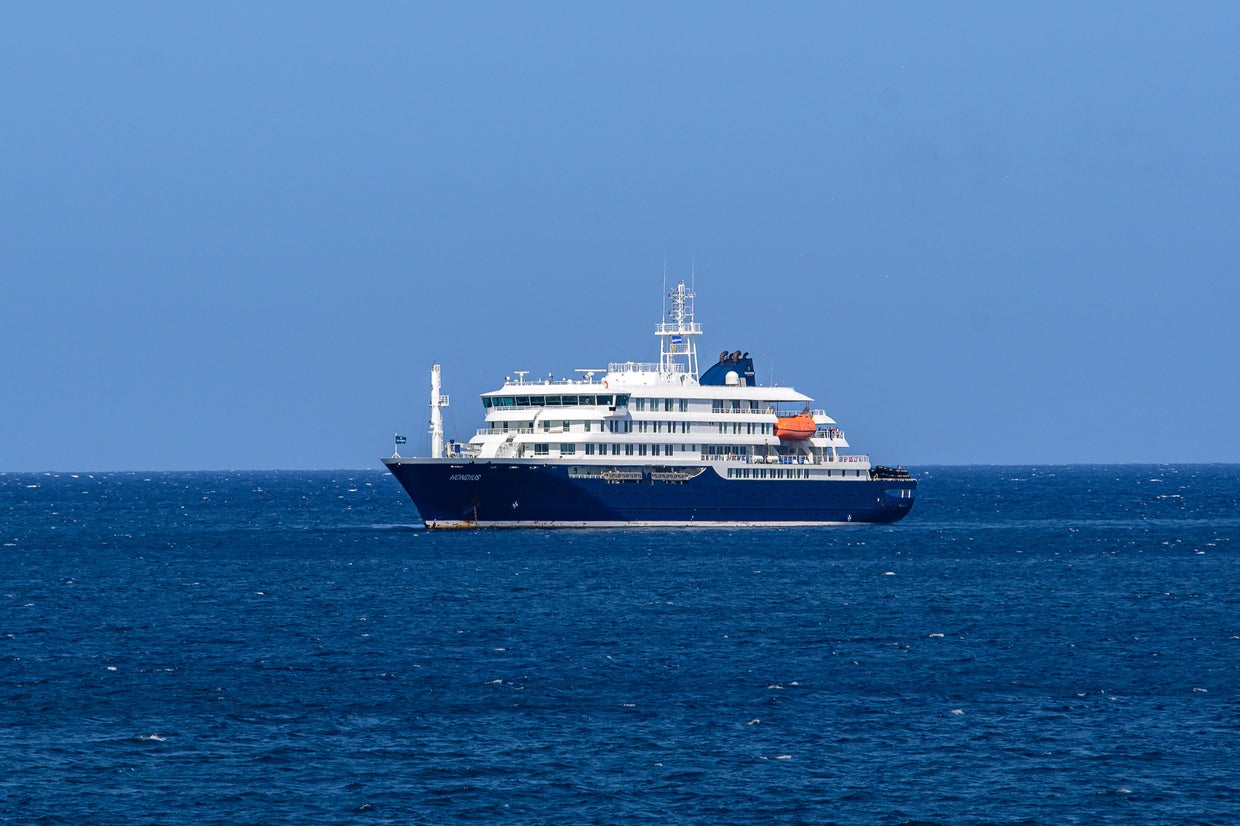
A suspected hantavirus outbreak aboard the cruise ship MV Hondius has claimed three lives and sickened at least three others, according to the World Health Organization and South Africa’s Department of Health. The vessel, operated by Dutch company Oceanwide Expeditions, is currently stranded off the coast of Cape Verde, where local authorities have refused permission for anyone to disembark due to public health concerns. The first victim, a 70-year-old Dutch man, died on the ship; his body was removed in the British territory of Saint Helena. His 69-year-old wife collapsed at an airport in South Africa while attempting to fly home to the Netherlands and later died in a Johannesburg hospital. A third Dutch national also died, and their body remains on board.
Passengers and Crew: The Toll Rises
A 69-year-old British national is in intensive care in a private health facility in Sandton, Johannesburg, with a confirmed case of hantavirus. He fell ill near Ascension Island after the ship left Saint Helena and was medically evacuated to South Africa. Two crew members on board the MV Hondius are also sick with respiratory symptoms and require urgent medical care, Oceanwide Expeditions confirmed. Cape Verde authorities have sent a medical team of two doctors, a nurse, and a laboratory specialist to the ship over three trips, said Dr. Ann Lindstrand, a WHO official in Cape Verde. The team is assessing the symptomatic individuals and planning for medical evacuations, potentially via ambulance to an airport for flights out of the country.
Denied Disembarkation: A Standoff at Sea
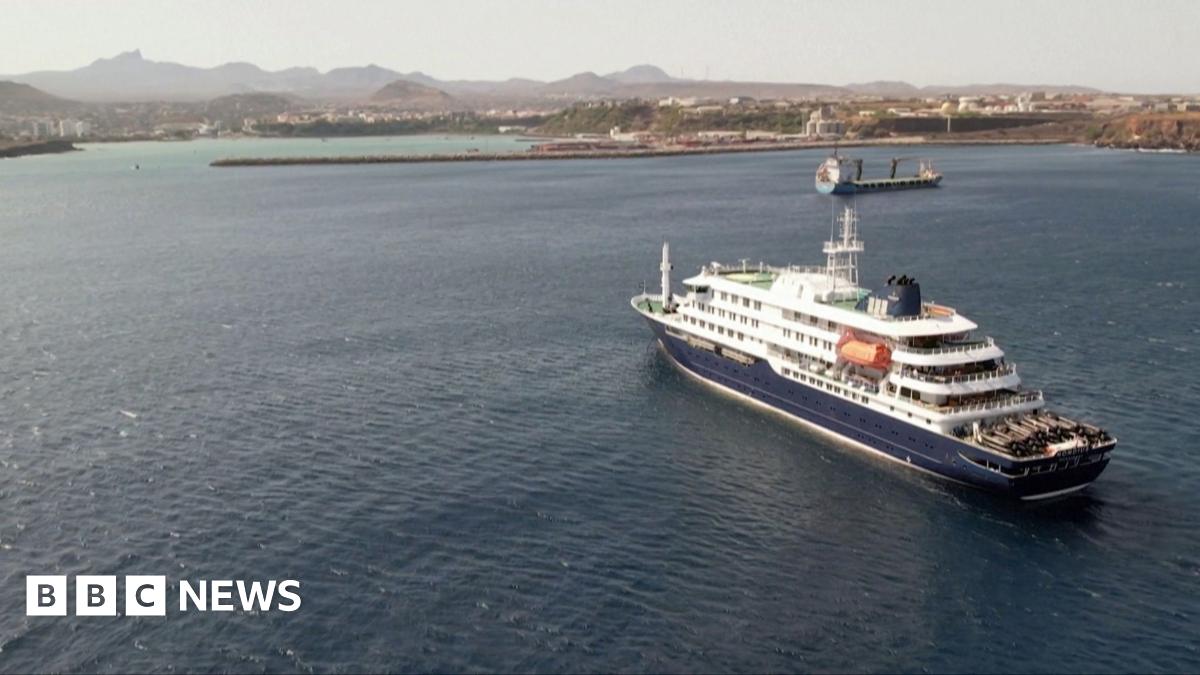
Despite the ship’s proximity to Cape Verde, the country’s Health Ministry has prohibited docking, citing public health risks. The vessel remains in open waters close to shore. Oceanwide Expeditions stated that local health authorities have visited the ship but have yet to decide on transferring the two sick crew members to medical care on land. The Dutch Foreign Ministry is also exploring evacuation options. The WHO’s regional director for Europe, Dr. Hans Henri P. Kluge, emphasized that the risk to the wider public remains low and there is no need for panic or travel restrictions. However, Cape Verde’s cautious stance reflects the gravity of the situation.
Timeline and Route: From Antarctica to the Atlantic
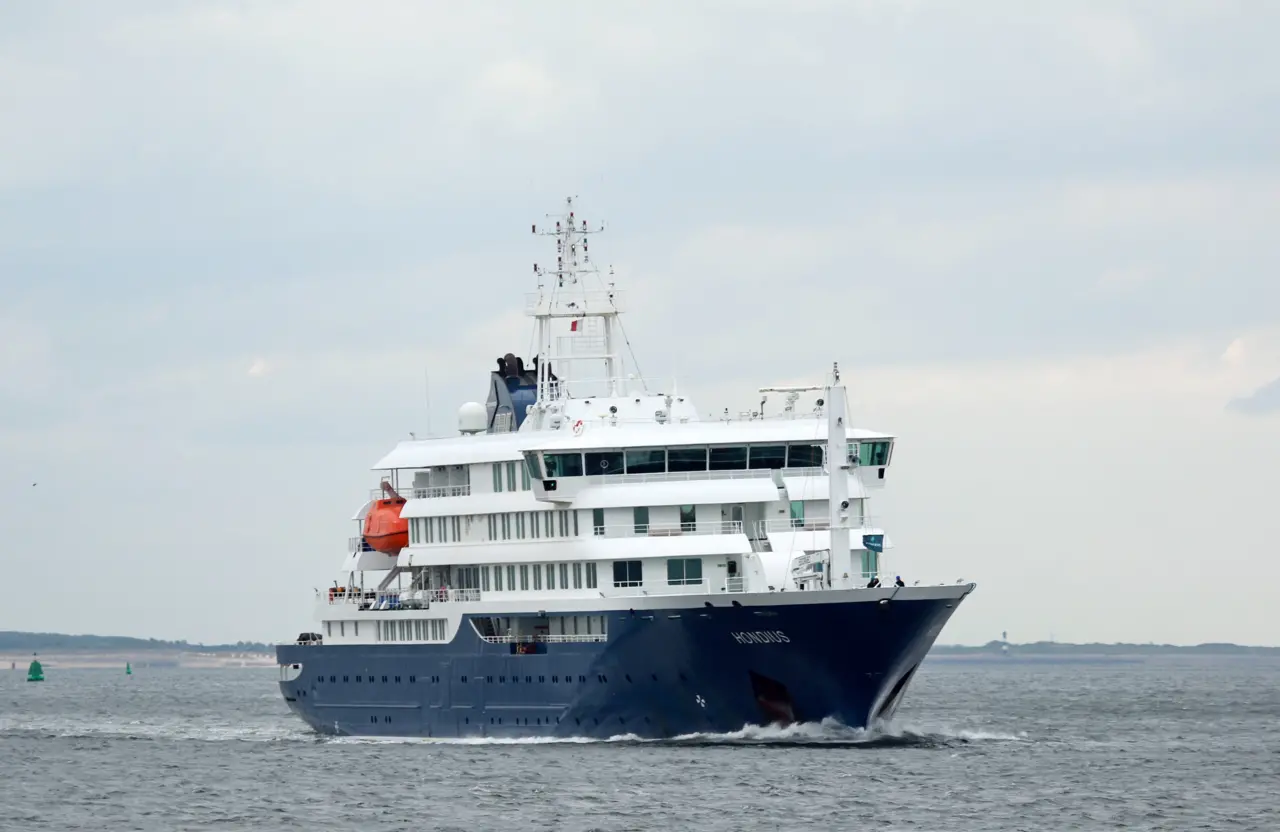
The MV Hondius, a Dutch-flagged polar cruise ship, departed Argentina approximately three weeks ago. Its itinerary included visits to Antarctica, the Falkland Islands, and other stops, with a final destination of Spain’s Canary Islands. About 150 tourists were on board at the time of the outbreak, along with roughly 70 crew members. The first death occurred on the ship near Saint Helena, a British overseas territory in the South Atlantic. The second victim died after evacuation to South Africa. The third death remains on board. The British patient was transferred from Ascension Island, another remote Atlantic outpost, to Johannesburg.
Hantavirus: A Rare but Deadly Threat
Hantaviruses are a family of viruses found worldwide, primarily spread through contact with rodent urine or feces. They can cause two severe syndromes: hantavirus pulmonary syndrome, which affects the lungs, and hemorrhagic fever with renal syndrome, which affects the kidneys. While rare, human-to-human transmission is possible. There is no specific treatment or cure, but early medical attention can improve survival chances. The virus gained recent attention after the death of Betsy Arakawa, wife of actor Gene Hackman, from a hantavirus infection in New Mexico last year. Hackman himself died of heart disease about a week later.
Ongoing Investigation and Response
WHO is supporting the public health response, with detailed investigations including further laboratory testing and epidemiological tracing. Sequencing of the virus is underway. South Africa’s National Institute for Communicable Diseases is conducting contact tracing in the Johannesburg region to identify potential exposures from the evacuated passengers. Oceanwide Expeditions confirmed that the two sick crew members have respiratory symptoms and require urgent care. The company is awaiting Cape Verde’s decision on their transfer. The WHO is working with authorities to evacuate two other symptomatic passengers from the ship. The situation remains fluid, with global health agencies coordinating to contain the outbreak and provide medical support.
Global Implications and Next Steps
The outbreak underscores the vulnerability of closed environments like cruise ships to rare pathogens. While the risk to the general public is low, the incident has prompted heightened surveillance and a cautious response from Cape Verdean authorities. The WHO’s reassurance that travel restrictions are unnecessary may be tested if further cases emerge. For now, the MV Hondius remains anchored off Cape Verde, its passengers and crew in limbo. The coming days will be critical as medical evacuations are arranged and laboratory results clarify the full extent of the outbreak. The tragedy serves as a stark reminder of the persistent threat posed by zoonotic diseases in an interconnected world.
The bottom line
- Three Dutch nationals have died in a suspected hantavirus outbreak on the MV Hondius cruise ship in the Atlantic Ocean.
- A British passenger is in intensive care in Johannesburg with confirmed hantavirus; two crew members remain ill on board.
- Cape Verde has denied the ship permission to dock, citing public health concerns, while medical evacuations are being planned.
- The ship departed Argentina three weeks ago, visiting Antarctica and the Falkland Islands before the outbreak occurred.
- Hantavirus, spread by rodents, has no specific cure; early medical care is critical for survival.
- WHO and South African health authorities are conducting investigations, contact tracing, and virus sequencing.

LeBron James powers Lakers past Rockets to set up Thunder showdown

Nantes Dominates Marseille but Lacks Cutting Edge, Cabella Urges Finishing

Daycare Worker Charged with Aggravated Child Abuse After Infant Found Unresponsive in Lake City