James Comey Surrenders to Face Charges Over Seashell Photo Alleged as Threat Against Trump
The former FBI director appeared in a Virginia court Wednesday after prosecutors said a 2025 Instagram post of shells reading '86 47' was a coded call for violence.

GHANA —
Key facts
- James Comey surrendered to authorities on charges related to a May 2025 Instagram post.
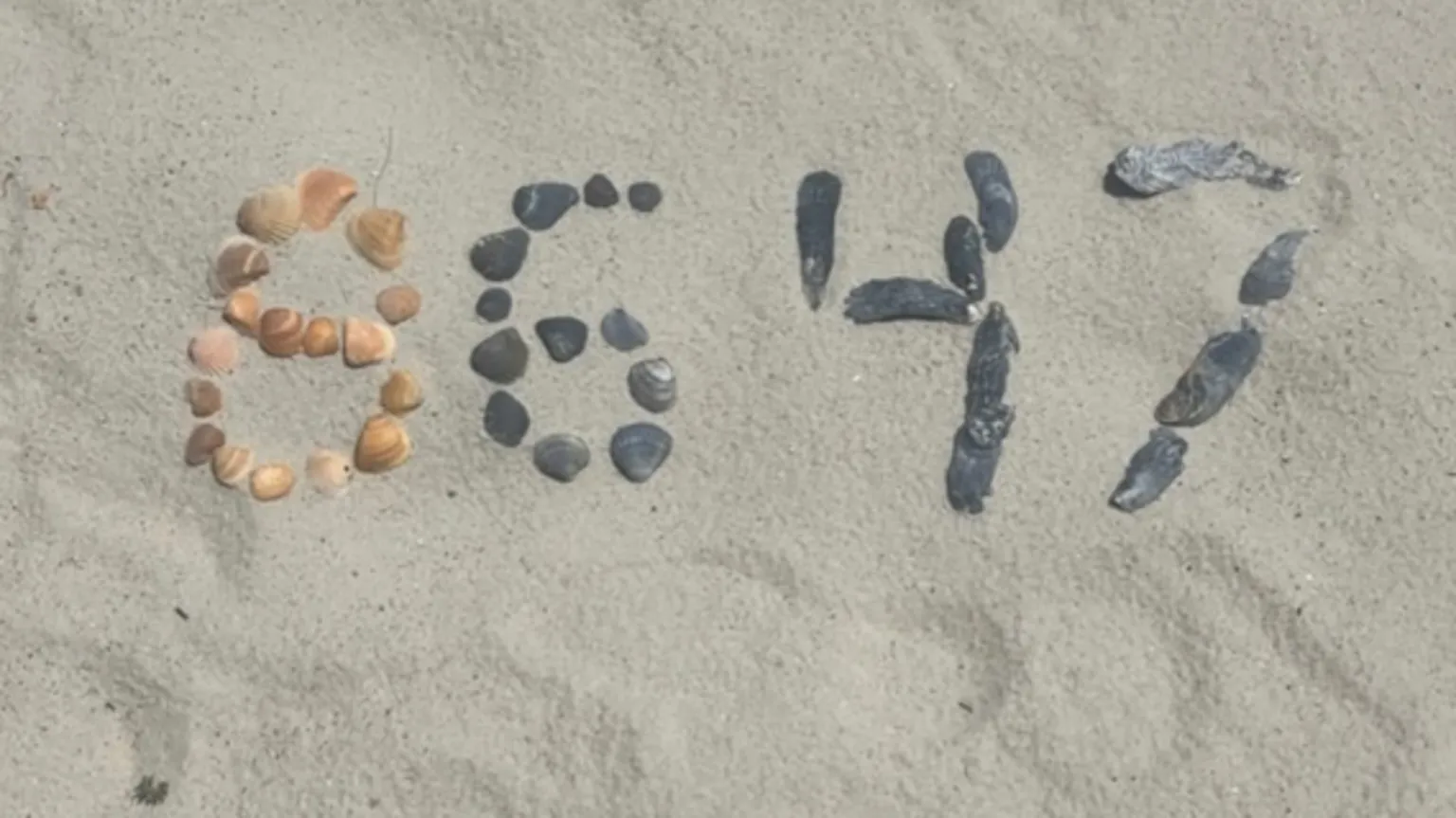
- The post showed seashells arranged to read '86 47', with '86' slang for 'get rid of' and 47 referring to President Trump.
- Prosecutors allege the image was a threat to kill or harm the president.
- Comey denied wrongdoing, claiming he did not know the numbers' meaning and citing political motivation.
- Each charge carries a maximum of 10 years in prison.
- This is the second time the justice department has brought criminal charges against Comey.
- Judge William Fitzpatrick denied prosecutors' request for release conditions.
- Comey's attorney Patrick Fitzgerald plans to seek dismissal on grounds of selective prosecution.
A Beach Photo Leads to Federal Charges
James Comey, the former director of the Federal Bureau of Investigation, surrendered to law enforcement on Wednesday to face criminal charges stemming from a photograph he posted on Instagram in May 2025. The image, taken during a beach walk, showed seashells arranged in the sand to spell out the numbers '86 47'. Federal prosecutors contend that the post constituted a threat against the life of President Donald Trump, the 47th president. They argue that '86' is a slang term meaning 'get rid of', and that the combination was a call for violence. Comey has denied any malicious intent, stating he was unaware of the numbers' significance and that the prosecution is politically motivated.
Court Appearance and No Plea Entered
Comey appeared briefly before Judge William Fitzpatrick at a federal courthouse in Virginia on Wednesday afternoon. He did not enter a plea and spoke only to acknowledge the charges, nodding as his rights were read. Before leaving, he smiled at his family in the gallery. Judge Fitzpatrick declined to impose any conditions of release, rejecting the justice department's request for restrictions. The judge deemed such measures unnecessary, according to reports from the courtroom.
Charges Carry Up to 20 Years in Prison
Prosecutors have charged Comey with two counts: knowingly and wilfully making a threat to take the life of or inflict bodily harm upon the president, and knowingly transmitting in interstate commerce a threat to kill him. Each count carries a maximum penalty of 10 years in prison, meaning Comey faces up to 20 years if convicted. The charges stem from the Instagram post, which Comey captioned 'Cool shell formation on my beach walk'. After public outcry, he deleted the image and issued a follow-up note on the platform.
Comey Vows to Fight, Cites Political Targeting
In a video statement released Tuesday, Comey declared his determination to contest the charges. 'This won't be the end of it — but I'm still innocent, I'm still not afraid and I still believe in the independent federal judiciary,' he said. His attorney, Patrick Fitzgerald, announced plans to file a motion to dismiss the case on grounds of selective and vindictive prosecution. Fitzgerald argues that Comey is being targeted for his outspoken criticism of President Trump, a claim that echoes the former director's long-standing adversarial relationship with the administration.
A Second Brush With the Justice Department
This is not the first time the justice department has brought criminal charges against Comey. The former FBI director, who was fired by Trump in 2017, has been a persistent critic of the president. The current case marks an escalation in the legal battles between Comey and the administration he once served. The charges have drawn attention to the intersection of social media, free speech, and threats against public officials. proving intent in such cases often hinges on context and the defendant's state of mind.
What Comes Next: Dismissal Motion and Trial Preparations
The next major step is the expected motion to dismiss, which will argue that Comey was singled out for prosecution because of his political views. If the motion fails, the case will proceed toward trial, where prosecutors will need to demonstrate that Comey knowingly intended to threaten the president. The justice department has not commented on the specifics of the evidence beyond the post itself. Comey's defense will likely focus on his lack of knowledge about the slang term and the ambiguity of the image.
A Test of Legal Boundaries in the Digital Age
The case against James Comey raises profound questions about the limits of online expression and the government's power to prosecute perceived threats. As social media continues to blur the line between casual posts and criminal intent, the outcome of this trial could set a precedent for how such cases are adjudicated. For now, Comey remains free pending further proceedings, his fate tied to a photograph of seashells on a Virginia beach.
The bottom line
- James Comey surrendered on charges that a seashell Instagram post reading '86 47' was a threat against President Trump.
- Each charge carries up to 10 years in prison; Comey faces a maximum of 20 years.
- Comey denies knowing the meaning of '86' and claims the prosecution is politically motivated.
- Judge Fitzpatrick denied prosecutors' request for release conditions, allowing Comey to remain free.
- This is the second time the justice department has charged Comey, a longtime Trump critic.
- The defense plans to seek dismissal on grounds of selective and vindictive prosecution.

Sarr Scores After 21 Seconds as Crystal Palace Stun Shakhtar in Conference League Semi-Final First Leg

Sporting Lisbon's Title Hopes Dashed as Tondela Scores Two Injury-Time Goals to Snatch 2-2 Draw

Alemao's glancing header gives Rayo Vallecano 1-0 first-leg lead over Strasbourg in Conference League semi-final