PSG Oust Bayern Munich in Champions League Semi-Final, Advance to Face Arsenal
A disappointing draw at the Allianz Arena seals Bayern's exit, with PSG's midfield dominance proving decisive.
GHANA —
Key facts
- Paris Saint-Germain defeated Bayern Munich 6-5 on aggregate.
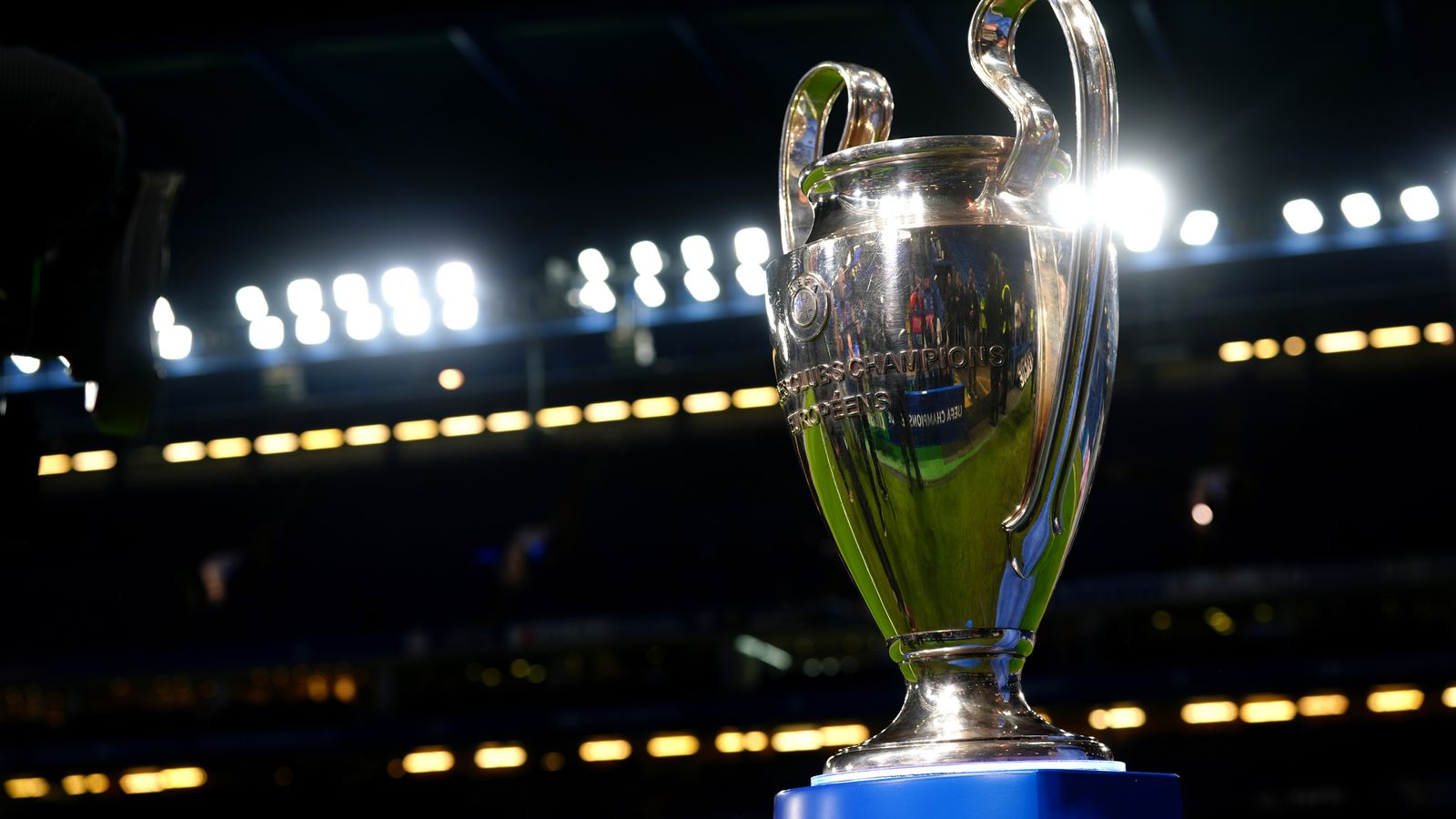
- PSG will face Arsenal in the Champions League final.
- The second leg at the Allianz Arena ended in a draw.
- PSG controlled the tempo of the second leg from start to finish.
- Bayern Munich's midfield struggled against PSG's press.
- Manuel Neuer and Harry Kane were the only Bayern players to meet minimum expectations.
Paris Saint-Germain Secures Final Berth After Tense Semi-Final
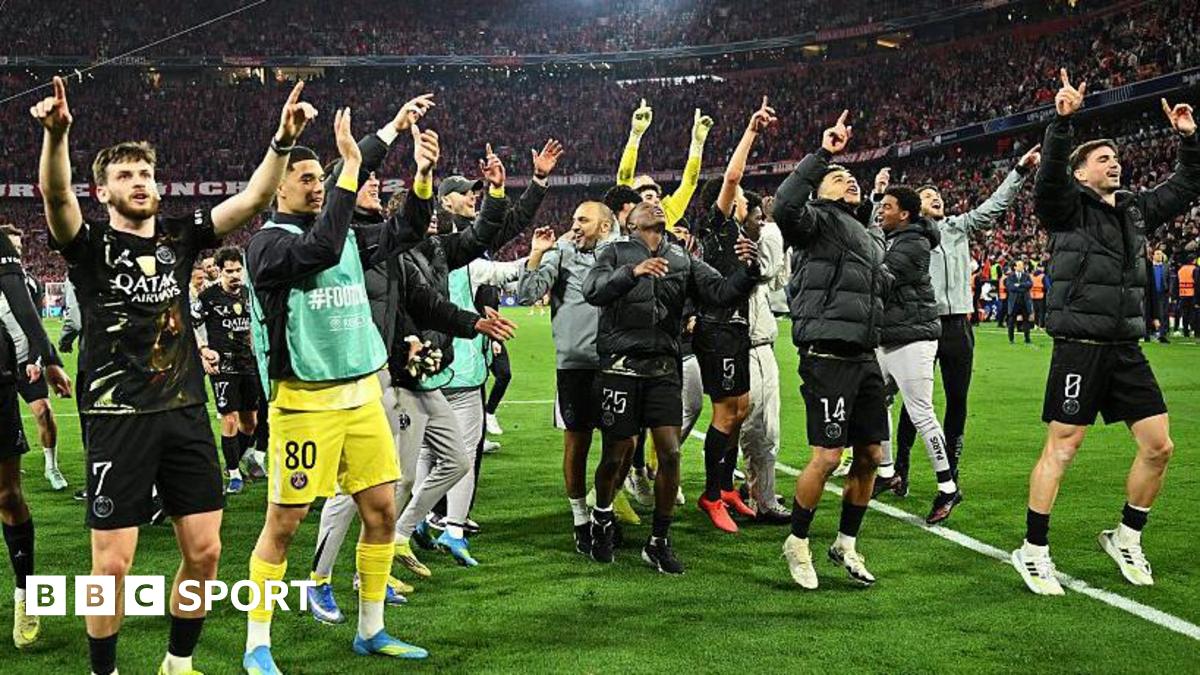
Paris Saint-Germain has booked its place in the Champions League final, overcoming Bayern Munich in a tightly contested semi-final tie. The French champions secured their passage by defeating the German giants 6-5 on aggregate, setting up a mouth-watering clash against Arsenal for European club football's most coveted prize. The decisive second leg, played at Bayern's Allianz Arena, concluded in a draw, a result that ultimately proved insufficient for the Bavarian club. The performance in the second leg was a stark contrast to the high stakes of a Champions League semi-final. Bayern Munich, playing at home, appeared lethargic and unable to impose their game on a disciplined PSG side. The visitors, conversely, demonstrated a clear tactical superiority, controlling the pace of the match and stifling Bayern's attacking threats throughout. This outcome marks another significant moment in PSG's pursuit of Champions League glory, while for Bayern, it represents a premature end to their European campaign. The aggregate scoreline, a slender one-goal advantage for PSG, belies the clear dominance displayed by the French side over the two legs, particularly in midfield and controlling the game's tempo.
A Disappointing Draw Seals Bayern's Fate
The second leg at the Allianz Arena was characterized by a slow, disappointing performance from FC Bayern, culminating in a draw that ended their Champions League aspirations. Paris Saint-Germain arrived with a clear game plan, asserting control from the outset and maintaining a remarkable balance that left Bayern struggling to find any rhythm. From the opening whistle, PSG dictated the tempo, never allowing Bayern to settle or build momentum. This control was a testament to their tactical discipline and the effectiveness of their midfield, which consistently thwarted Bayern's attempts to build attacks. The home crowd, known for its fervent support, was left with little to cheer as their team failed to deliver on a crucial European night. In contrast to the intensity expected in such a fixture, Bayern appeared sluggish and disjointed. The inability to adapt or respond to PSG's sustained pressure ultimately proved their undoing. The final score, a draw on the night, masked the underlying disparity in performance and control exhibited by the two teams.
Midfield Battle Lost: Key Bayern Players Fail to Deliver
The core of Bayern Munich's struggles lay in a midfield that was systematically outplayed by its PSG counterparts. Players who are typically the creative heart of the team found themselves unable to assert influence against the visitors' intense press and organized structure. The creative spark that had been evident in earlier stages of the competition was extinguished. Individually, several key Bayern players faltered. The offensive threat was blunted, with final passes often misplaced or intercepted before reaching their targets. Wingers struggled to get the better of their direct PSG opponents, and even when space was created, the execution in the final third was lacking. This collective underperformance in crucial areas meant that even moments of individual effort were insufficient to alter the game's trajectory. The midfield's inability to retain possession or effectively transition from defense to attack left the team exposed and predictable. This was compounded by the fact that multiple players simultaneously underperformed, a scenario that proved insurmountable against a PSG side operating with precision and purpose.
PSG's Tactical Superiority and Defensive Solidity
Paris Saint-Germain's victory was built on a foundation of tactical acumen and unwavering defensive organization. The French side arrived at the Allianz Arena with a mature game plan, executed with remarkable discipline by every player on the pitch. Their midfield, marshalled effectively by players like Vitinha and João Neves, locked down possession and prevented Bayern from establishing any meaningful attacking foothold. Throughout the match, PSG maintained their composure, controlling the tempo and rarely losing their balance. This steady approach contrasted sharply with Bayern's visible struggles, highlighting PSG's superior preparation and execution. Even when Bayern managed to create brief moments of pressure, PSG's defensive structure held firm, limiting clear-cut chances. The visitors brought a superior squad and a more developed tactical approach compared to Bayern. This was evident not just in their ability to control the game but also in their effectiveness in stifling Bayern's key threats. Their performance suggested a team operating at a higher level of cohesion and strategic understanding.
Questions Linger Over Bayern's Home Form and Coaching
For the second consecutive major Champions League home fixture, Bayern Munich has faltered, raising serious questions about their performance on familiar ground. Despite the renowned intensity of the home support, the team has struggled to leverage the '12th man' advantage, leading to disappointing outcomes. Manager Vincent Kompany faces scrutiny for these recurring issues. His calls for fan support, followed by uninspired team performances, create a disconnect that is becoming increasingly problematic. The team's inability to translate home-field advantage into results suggests deeper issues that need addressing. While Bayern managed to recover from a poor start against Real Madrid in a previous tie, that was against a Madrid team in crisis. This encounter with PSG, a more cohesive and superior side, exposed Bayern's vulnerabilities more starkly. The contrast between their home performances and some of their away displays in the competition further deepens the mystery surrounding their struggles in Munich.
A Glimmer of Effort Amidst Widespread Disappointment
Amidst a sea of underperforming players, only goalkeeper Manuel Neuer and striker Harry Kane could claim to have met the most basic expectations. Their efforts, while not enough to salvage the tie, represented the bare minimum required at this elite level of competition. For the rest of the squad, the performance was a collective failure. Key players who were expected to lead the line and influence the game were largely absent, their contributions minimal. This widespread lack of impact meant that even small defensive lapses or missed opportunities were amplified, contributing to the overall sense of disappointment. While some defenders had moments of competence, their efforts were overshadowed by the broader team's lethargy. The collective failure of the attacking and midfield units meant that the defensive solidity, where it existed, was ultimately unsustainable against a superior opponent.
Looking Ahead: PSG's Final Challenge and Bayern's Reassessment
With the semi-final concluded, Paris Saint-Germain now turns its attention to the ultimate prize: the Champions League final against Arsenal. The Parisians will carry the momentum and confidence gained from their decisive victory over Bayern, aiming to crown their season with European silverware. For Bayern Munich, the focus shifts to reassessment and rebuilding. The manner of their exit, particularly the disappointing home performances, will necessitate a thorough review of tactics, player form, and coaching strategies. The club must address the underlying issues that led to their premature departure from the competition. The contrast between PSG's composed progression and Bayern's struggles highlights the fine margins at the highest level of European football. As PSG prepares for its final challenge, Bayern is left to ponder what went wrong and how to prevent a repeat in future campaigns.
The bottom line
- Paris Saint-Germain defeated Bayern Munich 6-5 on aggregate to reach the Champions League final.
- PSG will face Arsenal in the final after a disciplined performance secured their progression.
- Bayern Munich's midfield was outplayed, contributing to a slow and disappointing second-leg draw at home.
- Key Bayern players underperformed significantly, with only Neuer and Kane meeting minimal expectations.
- PSG's tactical control and defensive solidity proved decisive over the two legs.
- Bayern's exit raises questions about their home form and coaching strategy for the upcoming season.





Bayern Munich Grapples with PSG's Pressure in Champions League Standoff

Arsenal and Atlético Madrid Battle for Champions League Final Berth in High-Stakes Second Leg

PSG to Face Arsenal in Champions League Final After Edging Bayern Munich