UAE Quits OPEC After 60 Years, Dealing Blow to Saudi-Led Cartel Amid Iran War Crisis
The departure of OPEC’s third-largest producer, driven by frustration over production limits and a pivot to national interests, threatens to weaken the group’s long-term influence on global oil markets.
GHANA —
Key facts
- UAE announced exit from OPEC after 60 years of membership, effective within days.
- UAE invested billions to raise production capacity from 3 to 5 million barrels per day (bpd) by 2027.
- Under OPEC quota, UAE was allowed only 3.2 million bpd despite capacity of 4.8 million bpd before the war.
- Iran’s control of the Strait of Hormuz blocks 20% of global oil and LNG shipments, constraining UAE exports.
- UAE exported 1.7 million bpd via Fujairah terminal last year, bypassing the strait.
- Extra 1.6 million bpd of UAE capacity could flood market if strait reopens, equal to 1.5% of global supply.
- US President Donald Trump accused OPEC of 'ripping off the rest of the world' by inflating prices.
- US discussed currency swap line with UAE to provide financial lifeline amid Middle East crisis.
A Historic Departure Amid Record Market Volatility
The United Arab Emirates has decided to leave the Organization of the Petroleum Exporting Countries after six decades of membership, a move that analysts describe as a severe blow to the cartel and its de facto leader, Saudi Arabia. The decision comes as global energy markets grapple with the largest supply crisis on record, triggered by the US-Israeli war on Iran that began on February 28. A statement from the UAE energy ministry said the exit would grant the country greater flexibility to respond to a “new energy age” in line with its “long-term strategic and economic vision.” The announcement was made as the market entered the ninth week of the conflict, which has blocked a fifth of the world’s seaborne oil from flowing through the Strait of Hormuz, causing extreme price swings.
Years of Frustration Over Production Caps
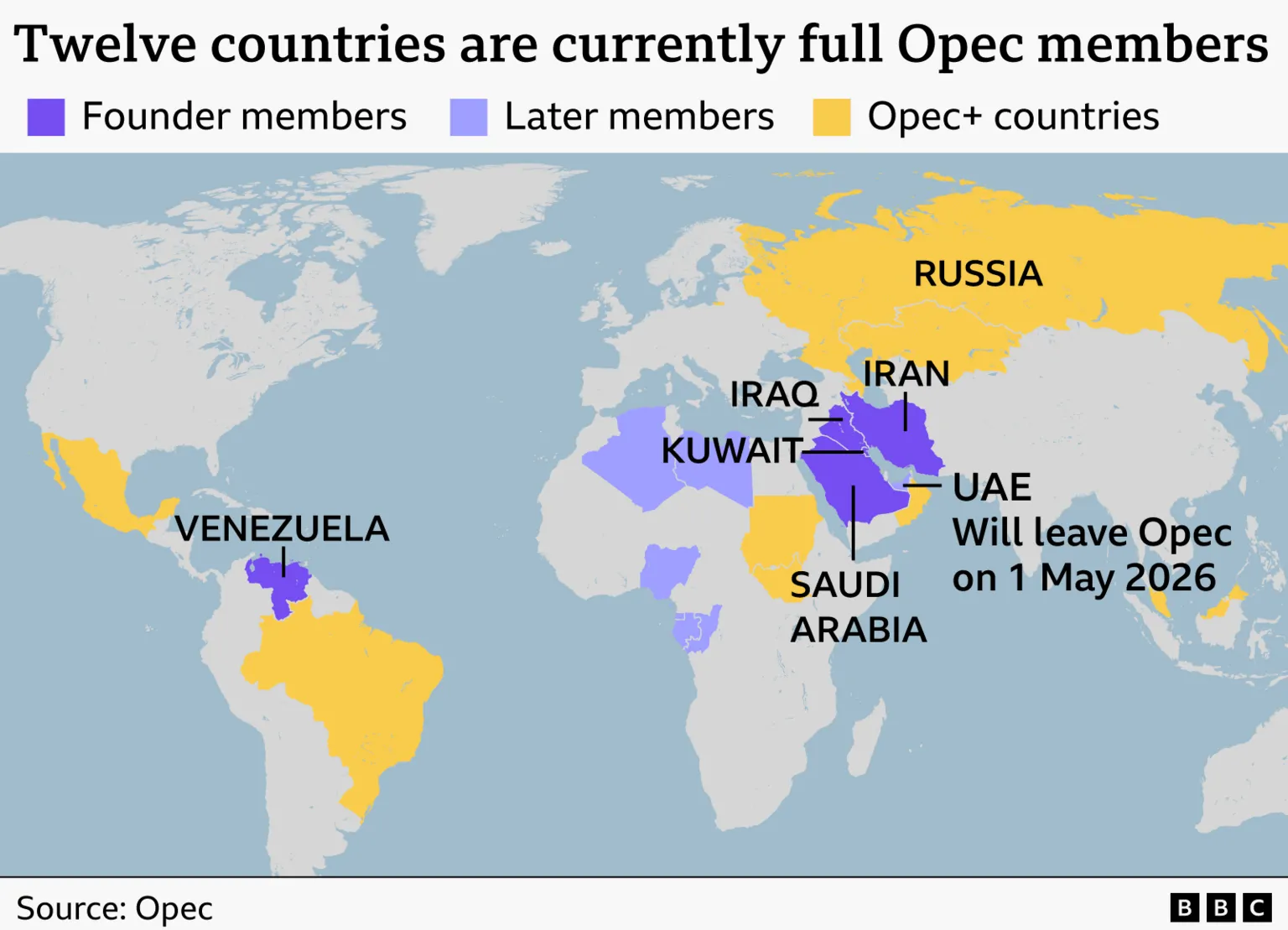
The UAE’s departure follows years of open dissatisfaction with OPEC’s policy of capping members’ production to control prices and stabilize the market. The country has invested billions of dollars to increase its oil production capacity from 3 million to 5 million barrels per day by 2027, but was constrained by an OPEC quota that allowed it to produce only 3.2 million bpd, even though its capacity had grown to 4.8 million bpd before the war. Long-running tensions between the UAE and Saudi Arabia over production limits and geopolitics have now been laid bare. Saudi ministers have favored curbs on output from the 12-member alliance to buoy oil prices after three consecutive years of annual losses before the crisis. The UAE, however, grew frustrated with the limits and is expected to pump more oil in the short term to fund its plans for a low-carbon future.
Immediate Impact Muted by Strait of Hormuz Blockade
Experts say the UAE’s exit is unlikely to have an immediate effect on the market because its exports, like those of all neighboring countries, are currently constrained by Iran’s control of the Strait of Hormuz. Tehran has closed off most access to the waterway, through which 20 percent of the world’s oil and liquefied natural gas supplies are shipped from Gulf producers. The UAE has been able to sell some oil via the Fujairah terminal on the Gulf of Oman, circumventing the strait. Last year, it exported 1.7 million bpd of crude oil and refined fuels through that route, but that volume is far short of its ambitions. Iran has indicated it may wish to maintain leverage over the strait post-conflict through a system of tolls.
Potential Market Flood If Strait Reopens
Should free navigation resume after the conflict, the UAE could unleash an extra 1.6 million bpd of production onto global markets—equivalent to about 1.5 percent of total world supply. This would give the UAE a serious competitive edge and could significantly lower prices, analysts say. Jorge León, an analyst at Rystad, said: “The UAE withdrawal marks a significant shift for OPEC. Alongside Saudi Arabia, it is one of the few members with meaningful spare capacity – the mechanism through which the group exerts market influence. While near-term effects may be muted given ongoing disruptions in the strait of Hormuz, the longer-term implication is a structurally weaker OPEC.”
A Win for Trump Amid Geopolitical Realignments
The UAE’s exit represents a victory for US President Donald Trump, who has previously accused OPEC of “ripping off the rest of the world” by artificially inflating oil prices through production cuts. Last week, Trump confirmed that the US had discussed extending a financial lifeline to the UAE, under which the two countries’ central banks could exchange equivalent amounts of each other’s currency should the Middle East crisis deepen. The move also amplifies growing geopolitical frustrations among OPEC members. Anwar Gargash, diplomatic adviser to the UAE president, criticized Arab and Gulf states for not doing enough to protect the UAE from Iranian attacks during the conflict, in a session at the Gulf influencers’ forum on Monday.
OPEC’s Declining Cohesion in a New Energy Age
OPEC was founded in 1960 by Iran, Iraq, Kuwait, Saudi Arabia, and Venezuela to coordinate production and ensure steady revenue for major oil exporters. The UAE joined in 1967 through the Emirate of Abu Dhabi and remained a member after the UAE’s formation in 1971. Today, OPEC members control about 80% of the world’s proven oil reserves but produce only 40% of global crude, a strategy aimed at keeping prices supportive of petrostate economies. The group’s influence widened in 2016 with the creation of OPEC+, which includes Russia and nine other producers. However, the UAE’s departure—the first by a major member in decades—underscores the cartel’s waning cohesion as individual members prioritize national interests over collective discipline.
Uncertain Outlook as War and Diplomacy Unfold
The future of the Strait of Hormuz remains the key variable. If the conflict ends with an agreement between Iran and the US that allows free navigation, the UAE could rapidly ramp up exports. But for now, the US continues its naval blockade of Iranian ports, and Iran refuses to allow foreign-flagged ships to transit the strait. “The beginning of the end of OPEC,” one analyst said of the UAE’s exit. While the cartel is unlikely to collapse immediately, the loss of its third-largest producer—and the only member besides Saudi Arabia with significant spare capacity—leaves it structurally weaker and less able to influence global oil prices in the long term.
The bottom line
- The UAE’s exit from OPEC after 60 years is a historic blow to the cartel, driven by frustration over production caps and a strategic pivot to national interests.
- The immediate market impact is muted because Iran’s blockade of the Strait of Hormuz constrains all Gulf exports, but the UAE could flood the market with 1.6 million bpd if the strait reopens.
- The departure weakens OPEC’s long-term influence, as the UAE was one of the few members with meaningful spare capacity—the key mechanism for price control.
- US President Trump sees the exit as a win, having accused OPEC of price manipulation, and the US has discussed a currency swap line with the UAE as a financial backstop.
- Geopolitical tensions within OPEC have intensified, with the UAE criticizing Gulf states for insufficient protection against Iranian attacks during the ongoing war.
- The conflict’s resolution—or lack thereof—will determine whether the UAE’s exit reshapes global oil markets or remains a symbolic fracture.





Leeds face Burnley without Gudmundsson as Farke confirms hamstring injury

Chris Wood's Strike Gives Nottingham Forest 1-0 Europa League Semi-Final First-Leg Win Over Aston Villa
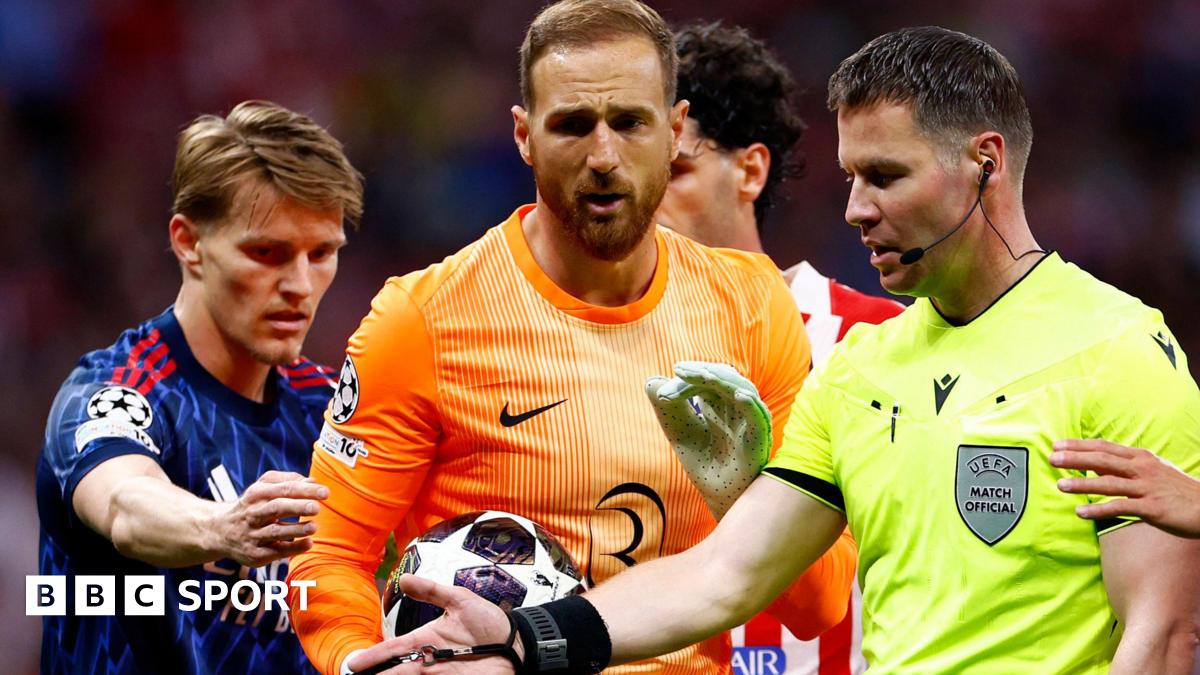
Gyökeres and Alvarez Trade Penalties as Arsenal and Atlético Draw 1-1 in Champions League Semi-Final First Leg
