UK twins discover they have different fathers in rare biological phenomenon
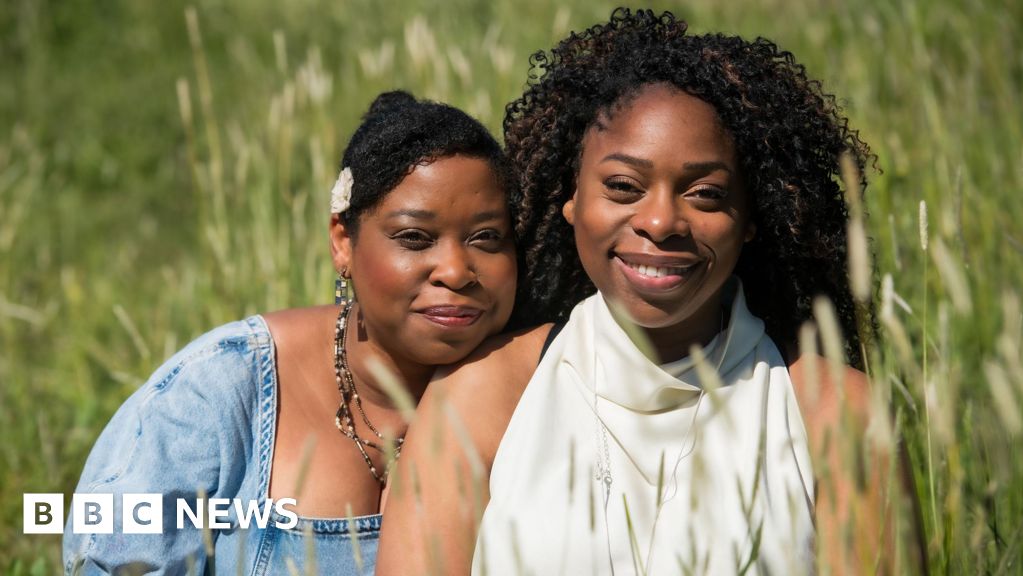
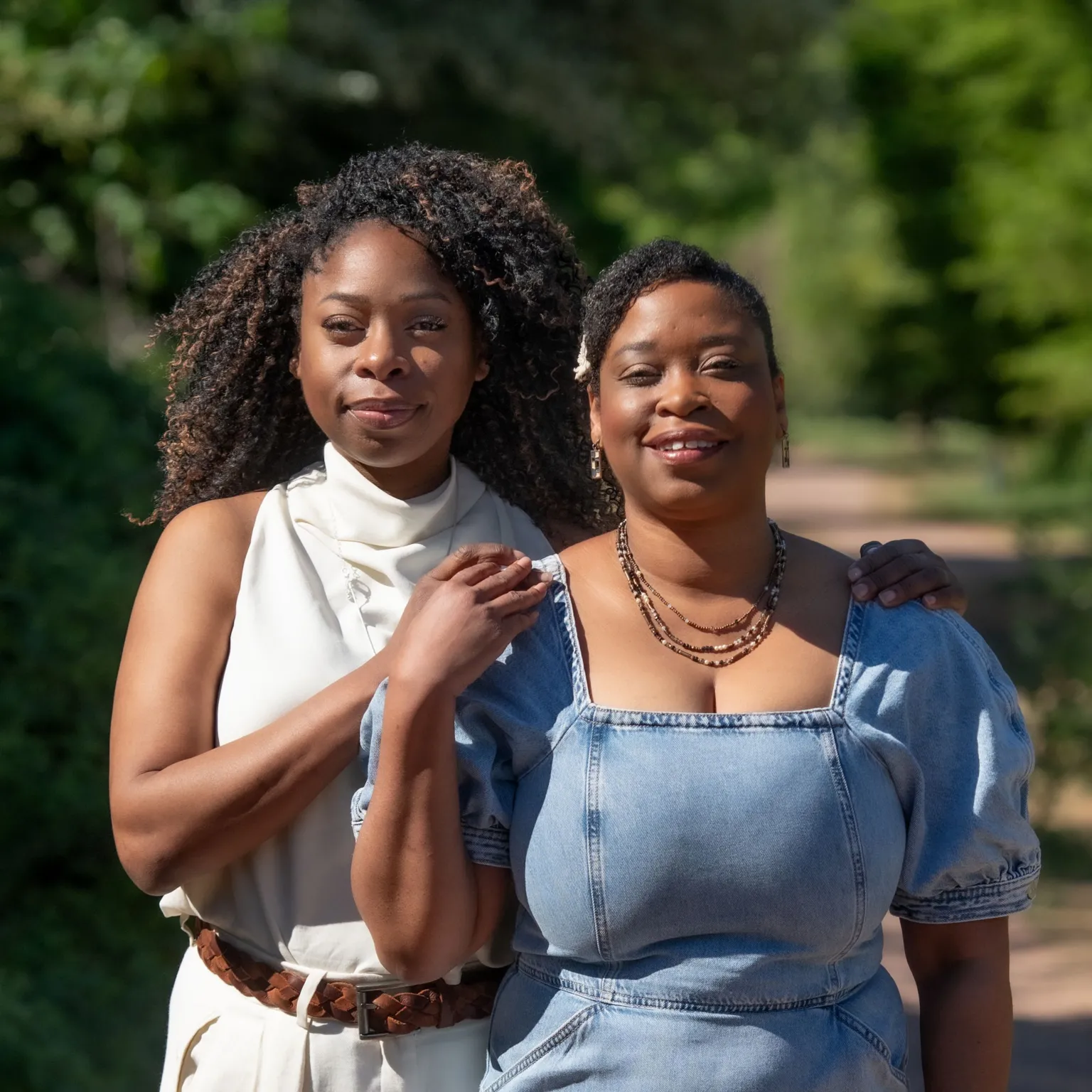
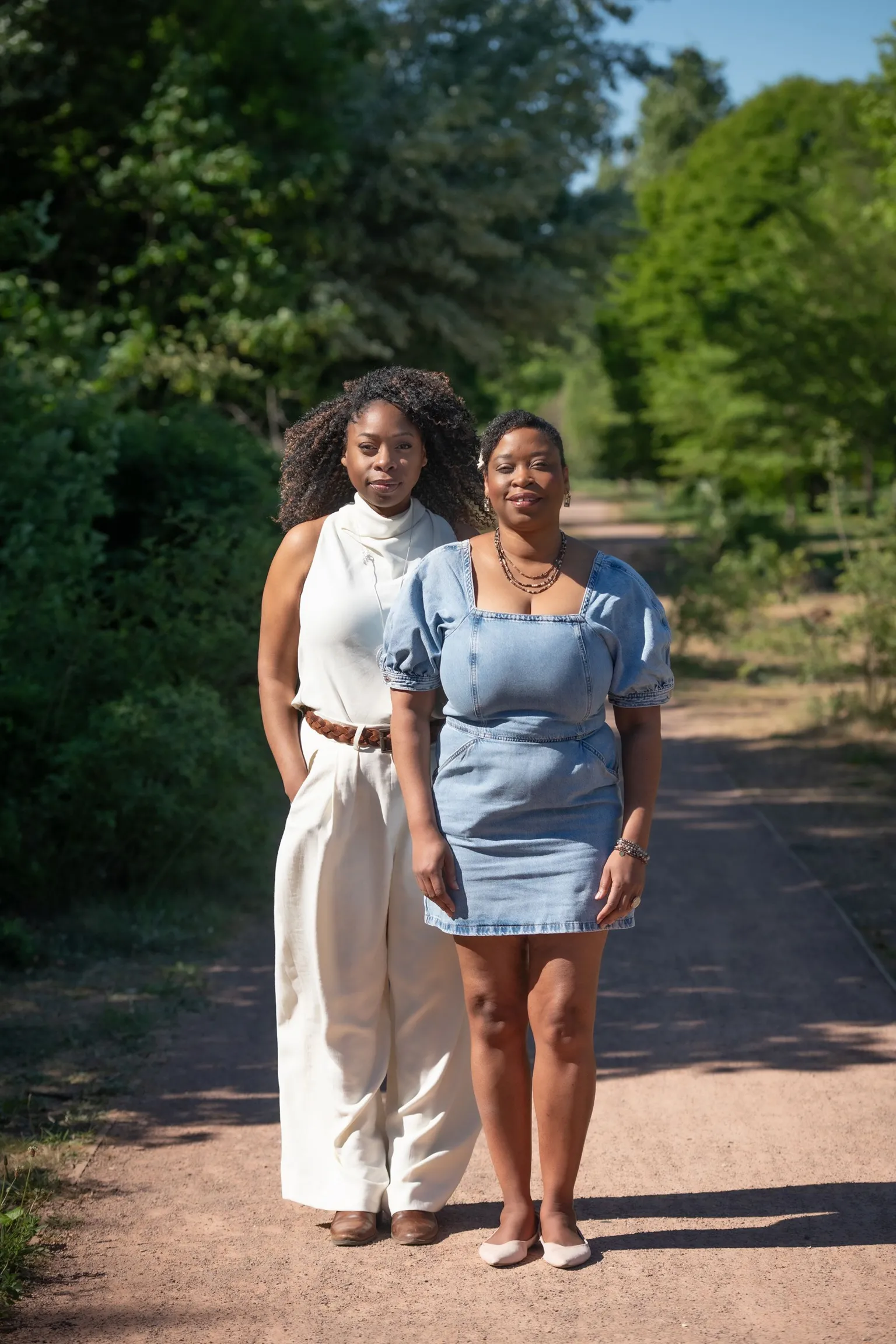
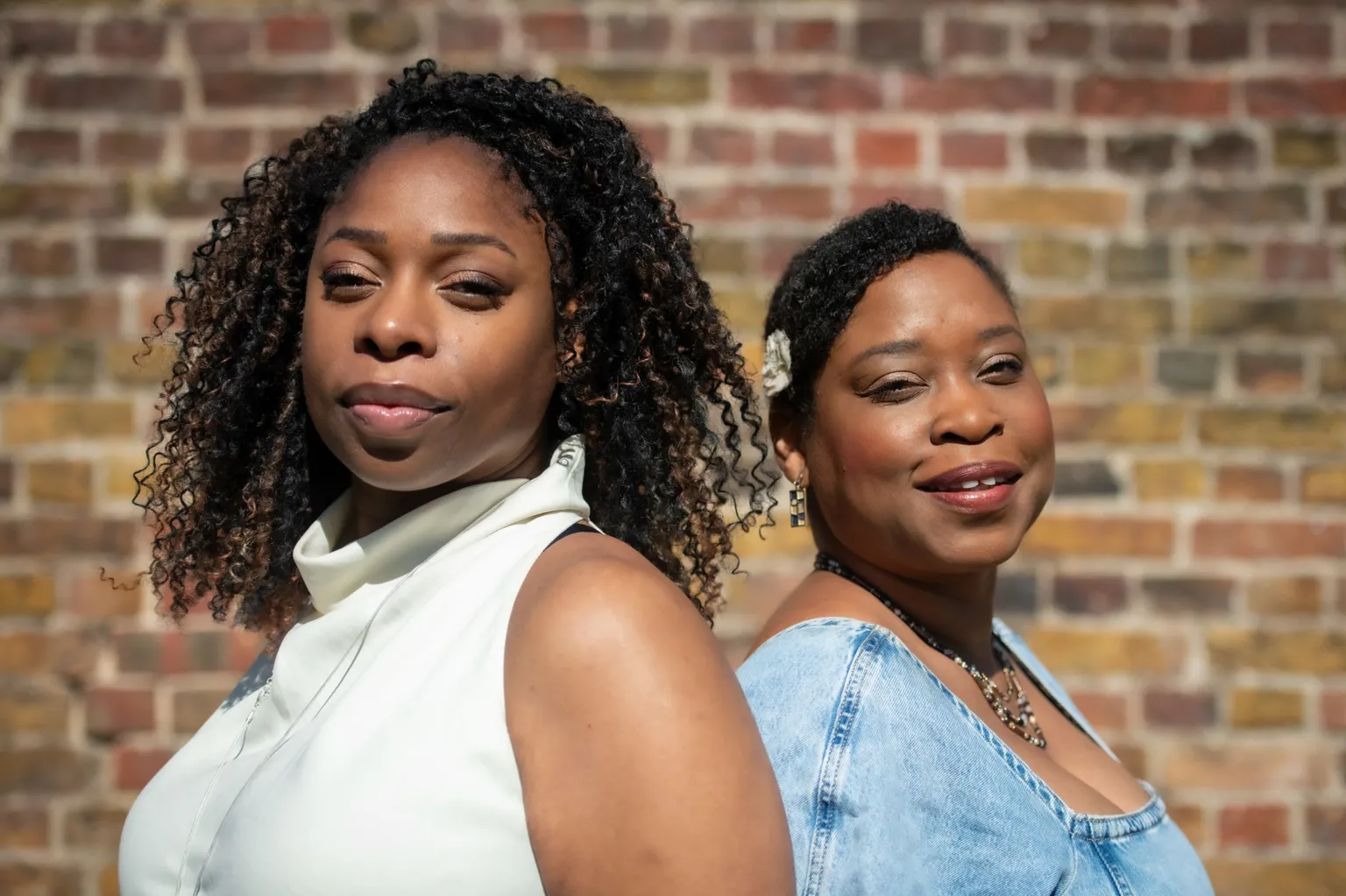
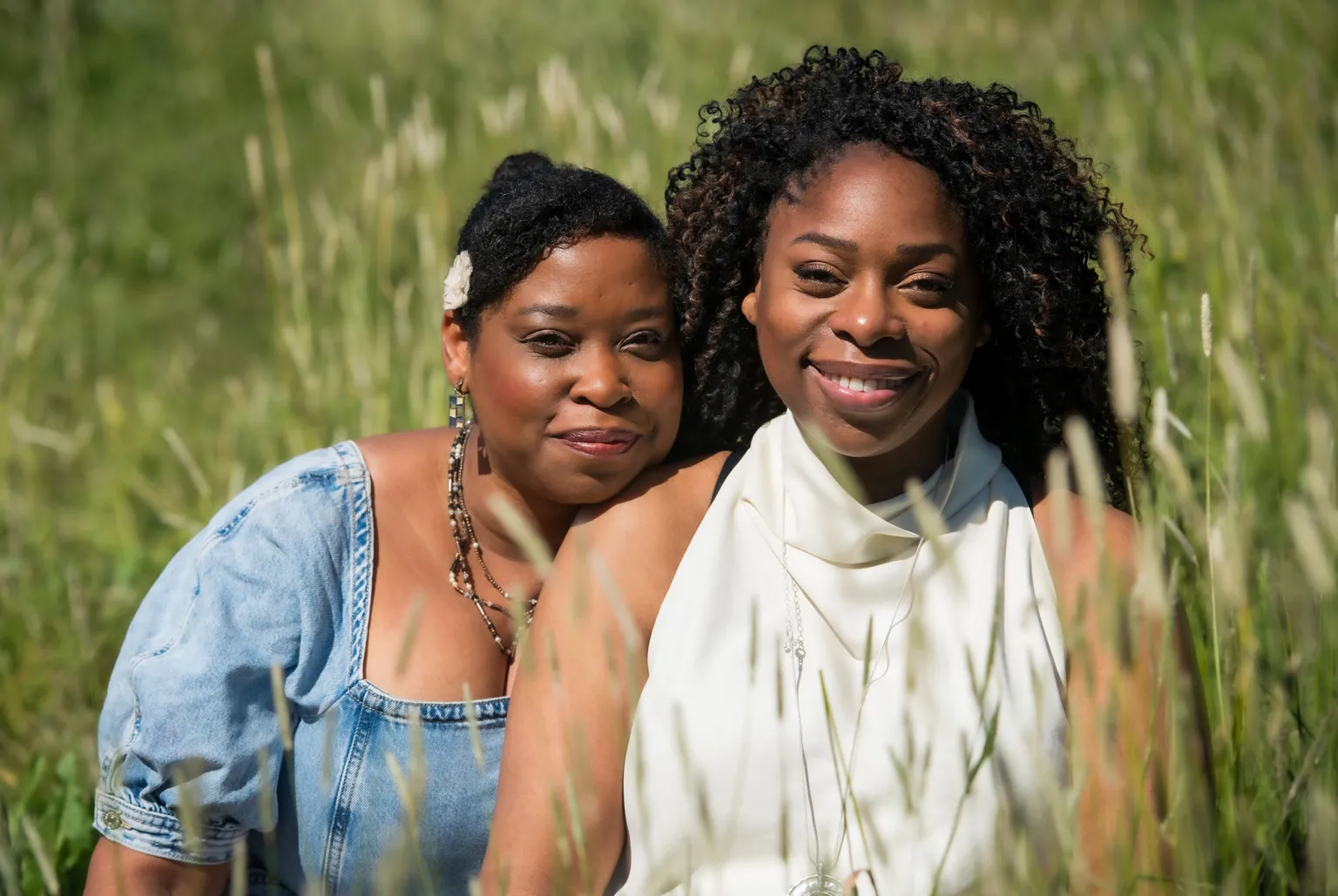
Michelle and Lavinia Osbourne, 49, learned through DNA tests that they are half-sisters, the only documented case of heteropaternal superfecundation in Britain.
GHANA —
Key facts
- Michelle and Lavinia Osbourne, 49, are non-identical twins born in Nottingham in 1976.
- They discovered through at-home DNA tests in September 2022 that they have different fathers.
- The phenomenon, heteropaternal superfecundation, occurs when two eggs are fertilized by sperm from different men.
- Only about 20 cases have been identified worldwide; this is the first documented in the UK.
- Their mother was a vulnerable 19-year-old who had suffered abuse and was in foster care.
- The sisters were raised by their mother's friend's mother, whom they called 'Grandma'.
- Their mother always said their father was a man named James, whom Lavinia tracked down in their teens.
A DNA test shatters a lifelong bond
In September 2022, Lavinia Osbourne opened an email containing results from an at-home DNA test and felt a wave of dread. The test revealed that she and her twin sister Michelle do not share the same father. Conceived naturally, grown in the same womb, and born minutes apart, the sisters are actually half-siblings. For Lavinia, the revelation was devastating. “She was the one thing that belonged to me, the one thing that I was certain about, the one thing that I was sure of,” she said. “And then she wasn’t.” Michelle, however, was unsurprised. “I’m still in amazement that this can actually happen – it’s super weird, super odd, super rare – but it makes sense,” she said.
The biology behind the rarity
The sisters’ existence is the result of heteropaternal superfecundation, an extremely rare biological process. For it to occur, a woman must release more than one egg during the same menstrual cycle. Each egg must then be fertilized by sperm from different men, and both resulting embryos must survive to term. Only around 20 such cases have ever been identified globally, according to the BBC Radio 4 series The Gift, which documented the Osbournes’ story. Specialists believe many cases go undetected unless paternity is questioned and DNA testing is undertaken. The Osbourne sisters are the only documented set of twins with different fathers in the UK.
A childhood marked by instability
The twins were born in Nottingham in 1976 to a mother who was just 19 and vulnerable. Michelle revealed that their mother “had suffered abuse at the hands of [her] stepfather” and was “in and out of foster care and children’s homes throughout her childhood.” The sisters were passed between homes and carers, with the only constant being each other. When they were five, their mother left to study at university in London, entrusting them to her best friend’s mother, whom the twins called “Grandma.” Lavinia described her as “strict – not very emotional, not very cuddly.” The sisters never knew their father; their mother always said his name was James, but he was absent from their lives.
Tracking down James, but doubts remain
In their mid-teens, Lavinia tracked down James and he re-entered their lives. But Michelle never felt certain that he was her father. The DNA test eventually confirmed that James is Lavinia’s biological father, but not Michelle’s. The identity of Michelle’s biological father remains unknown. For Lavinia, the discovery upended the one certainty she had. “She was the one thing that belonged to me,” she said of Michelle. The sisters now navigate their relationship as half-siblings, a bond that remains strong but fundamentally altered.
Wider implications and unanswered questions
The Osbournes’ case highlights how rare heteropaternal superfecundation is, and how often it may go unnoticed. Without a reason to question paternity, such as a DNA test, the phenomenon can remain hidden for a lifetime. The sisters’ story, broadcast on BBC Radio 4, has drawn attention to the biological and emotional complexities of twinhood. For Michelle and Lavinia, the future holds ongoing questions about their family history and the identity of Michelle’s father. Their bond, though redefined, endures. As Lavinia put it, the one thing she was sure of “wasn’t” – but the sisters continue to navigate their shared past and uncertain future together.
The bottom line
- Michelle and Lavinia Osbourne are the only documented twins with different fathers in the UK.
- Heteropaternal superfecundation requires two eggs fertilized by different men in the same cycle; only about 20 cases exist worldwide.
- The sisters learned the truth through at-home DNA tests in 2022, after years of doubt about their parentage.
- Their mother was a vulnerable teen who had suffered abuse and was in foster care; the twins were raised by a family friend.
- Lavinia’s father, James, was identified, but Michelle’s biological father remains unknown.
- The case underscores how easily such rare biological events can go undetected without genetic testing.
.jpg?trim=1%2C0%2C1%2C0&width=1200&crop=1200%3A800)

/https%3A%2F%2Fsportsmole-media-prod.s3.gra.io.cloud.ovh.net%2Fuploads%2F2026%2F04%2Ficonsportxalamy-3ebemex-1-1-69f230c387e8a745152969.jpg)
Newcastle face relegation threat as Brighton chase Champions League spot in Premier League clash
/https%3A%2F%2Fsportsmole-media-prod.s3.gra.io.cloud.ovh.net%2Fuploads%2F2025%2F11%2Frob-edwards-wolves-6921fffcd40f4472663585.jpg)
Sunderland Aim to Complete First League Double Over Wolves Since 1949-50 at Molineux
US sanctions Joseph Kabila over alleged support for M23 rebels and Congo instability