Putin Fears Coup or Drone Assassination, European Intelligence Report Says
Kremlin dramatically increases security amid fears of a plot by political elite, with former defense minister Sergei Shoigu identified as a potential destabilizing actor.

GHANA —
Key facts
- details Putin's fear of coup or assassination attempt.
- Sergei Shoigu, former defense minister, identified as 'potential destabilising actor'.
- Security measures include surveillance in staffers' homes and ban on public transport for close aides.
- Lieutenant General Fanil Sarvarov killed by car bomb in December 2025, blamed on Ukraine.
- Putin summoned key personnel for urgent meeting after Sarvarov's assassination.
- Chief of general staff Valery Gerasimov attacked FSB head Alexander Bortnikov over security failures.
- Report states 'high alert' in government since March 2026 regarding plot risk.
Kremlin on High Alert Over Coup Fears
Vladimir Putin fears a coup or assassination attempt, according to a has prompted the Kremlin to dramatically increase the president's personal security. The report, obtained by European agencies, describes a state of 'high alert' in the Russian government since the beginning of March 2026 about 'the risk of a plot or coup attempt against the Russian president.' Putin specifically fears the use of drones for an assassination attempt by members of the Russian political elite, the document states. In response, security measures have been tightened to an extraordinary degree: cooks, bodyguards, and photographers who work with Putin are prohibited from traveling on public transport, visitors must be screened twice, and those working close to him can only use phones without internet access. The Kremlin has also installed surveillance systems in the homes of close staffers, reflecting deep concern about potential leaks of sensitive information.
Shoigu Named as Potential Destabilising Actor
concerns Sergei Shoigu, Russia's former defense minister and current secretary of the Security Council, who was once a close confidante of Putin. The dossier states that Shoigu 'is associated with the risk of a coup, as he retains significant influence within the military high command.' Shoigu's position as a potential destabilising actor underscores the fragility of does not specify whether Shoigu is actively plotting, but his continued sway over the military makes him a figure of concern for the Kremlin.
Sarvarov Assassination Sparks Uproar in Security Establishment
Some of the new security measures were implemented after the December 2025 killing of Lieutenant General Fanil Sarvarov, head of the general staff's army operational training directorate. Sarvarov died when an explosive device detonated beneath his car in what Moscow claimed was likely an assassination carried out by Ukraine. The alleged assassination sparked uproar in the top ranks of Russia's security establishment, the report says. Putin summoned key personnel three days later for an urgent meeting. During the gathering, chief of the general staff Valery Gerasimov attacked Federal Security Service (FSB) head Alexander Bortnikov for failing to protect his officers. Bortnikov in turn complained of a lack of resources and personnel to carry out his duties.
Wider Context: Putin's Rule and International Pressures
Putin has served as President of Russia since 2012, having previously held the position from 2000 to 2008. His rule has been marked by a mixture of economic growth, increased centralization of power, and controversial policies. While some credit him with bringing stability and prosperity, others criticize his government for human rights abuses, suppression of political opposition, and erosion of democratic institutions. The ongoing war in Ukraine, which began with Russia's invasion in February 2022, has led to international sanctions and an International Criminal Court arrest warrant for Putin issued in March 2023 over alleged war crimes. The conflict has also impacted Russia's economy and its relations with the West. Amid these pressures, Putin has sought to restore Russia's status as a global power, challenging Western influence and pursuing closer ties with China, India, and Iran.
Putin's Diplomatic Moves and Global Reactions
Despite internal security fears, Putin continues to engage in international diplomacy. According to recent statements, U.S. President Donald Trump said that Putin told him he would 'like to be involved' in settling the Iranian nuclear enrichment impasse. Trump and Putin have also discussed the Iran war and floated a temporary Ukraine ceasefire in a call. Meanwhile, the European Union is forging closer ties with Armenia, sending experts to help counter Russian interference. The bloc's leaders are set to hold their first summit with Armenia as they ramp up efforts to combat Kremlin influence. In Africa, militant attacks in Mali have exposed the limits of Putin's power, while a Russian blogger's fierce critique of the Kremlin has gone viral, with the message: 'People are afraid of you.'
Outlook: A Leader Under Siege
paints a picture of a leader increasingly paranoid about threats from within his own ranks. The combination of a potential coup plot, the assassination of a top general, and ongoing security lapses has created a volatile atmosphere in the Kremlin. Putin's response—tightening personal security and surveilling staff—suggests he is taking the threat seriously. However, the report also indicates that the security apparatus itself is fractured, with top officials blaming each other for failures. As Russia continues to face international isolation and internal dissent, the question remains whether Putin can maintain his grip on power. The coming months will be critical in determining the stability of his regime.
The bottom line
- reveals Putin fears a coup or drone assassination by political elite.
- Former defense minister Sergei Shoigu is identified as a potential destabilising actor with influence over the military.
- Security measures have been drastically increased, including surveillance of staff and bans on public transport for close aides.
- The assassination of Lieutenant General Fanil Sarvarov in December 2025 triggered a crisis within the security establishment.
- Putin's regime faces multiple pressures: war in Ukraine, international sanctions, and internal dissent.
- The Kremlin's response to the perceived threat includes both tightened security and diplomatic overtures, such as offering to mediate on Iran.



US Embassy Warns Americans in UK to Avoid Schools and Churches as Threat Level Rises to 'Severe'
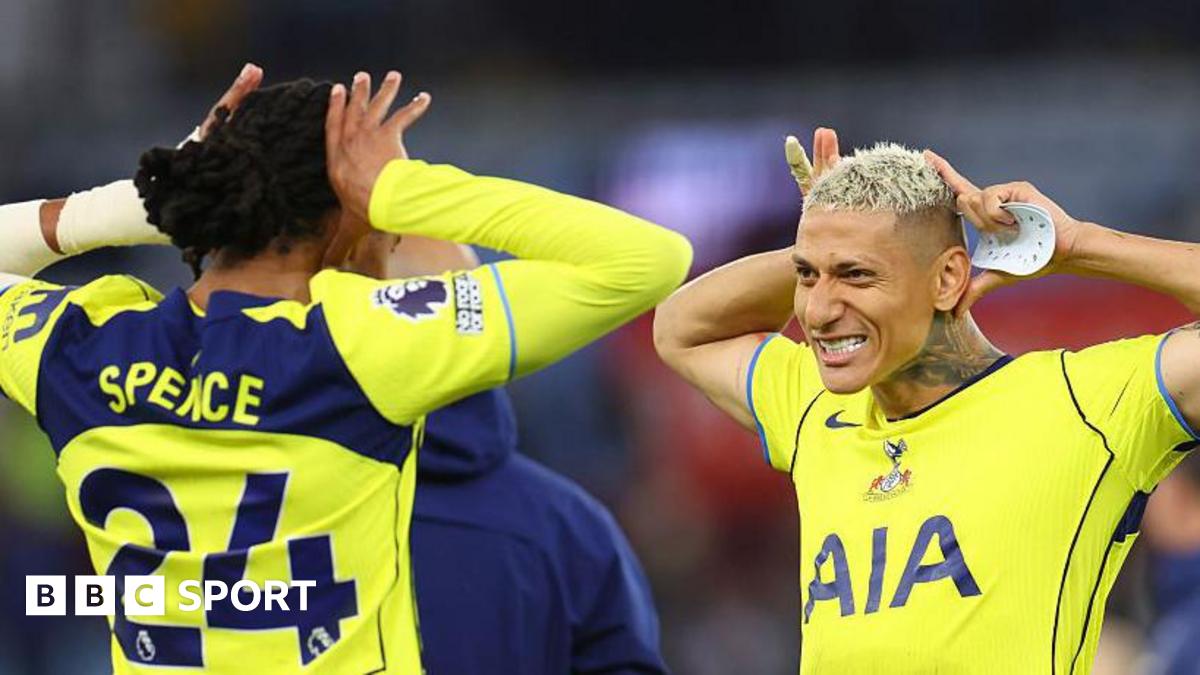
Tottenham Escape Premier League Relegation Zone with Dominant Win at Aston Villa
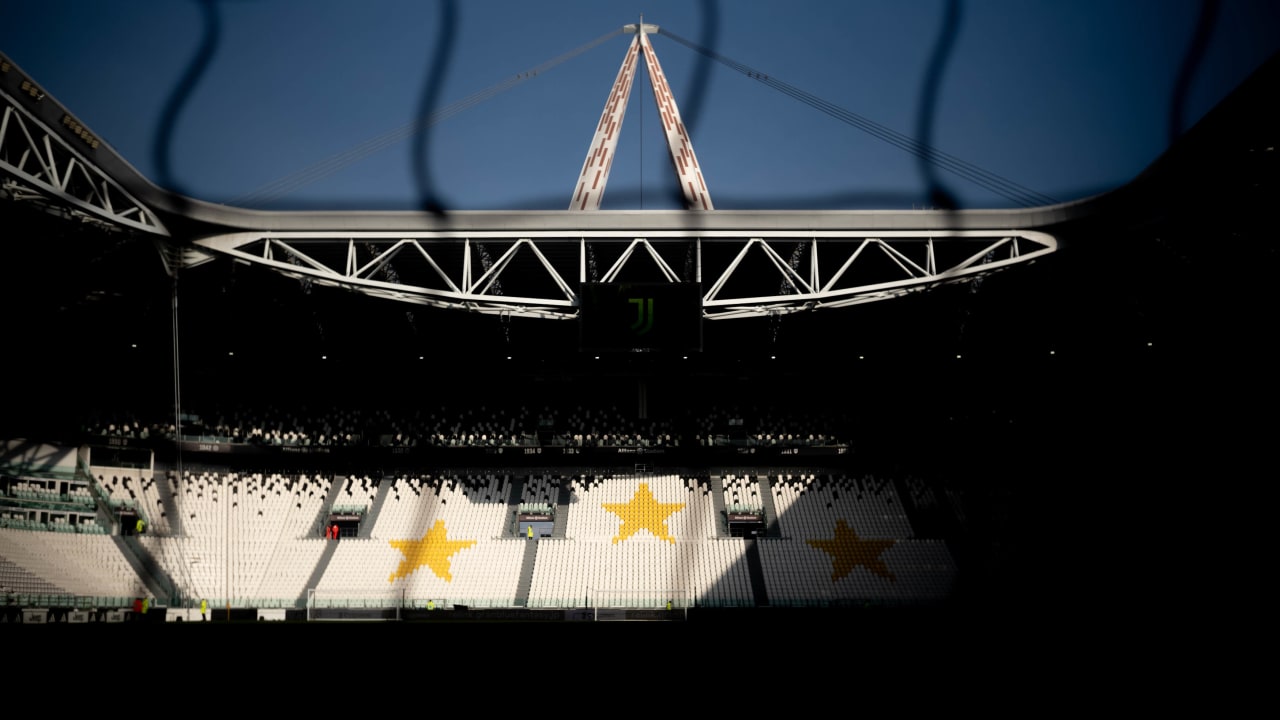
Spalletti demands 'quality in tight spaces' as Juventus target Bernardo Silva and Tijjani Reijnders