Ghana Urges African Union Action Amid Rising Xenophobia Claims
Accusations of violence against foreign nationals in South Africa prompt Accra to seek continental intervention.
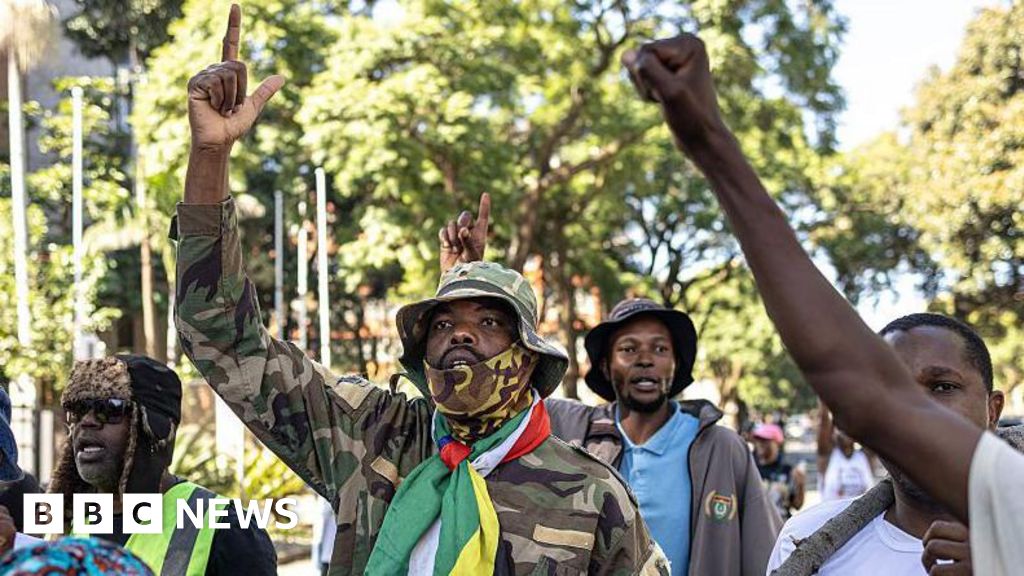
GHANA —
Key facts
- Ghana has formally requested the African Union to address rising xenophobia in South Africa.
- South Africa's government has condemned "fake videos and images" circulating online.
- Nigeria has offered to repatriate its nationals due to safety fears.
- Video clips shared online over a fortnight ago appeared to show vigilante groups harassing foreigners.
- Thousands of South Africans have protested against illegal immigration, demanding mass deportations.
- Alexander Afenyo-Markin, Ghana's Minority Leader, cited deadly attacks in the Sahel and barriers to free movement.
- Afenyo-Markin called for accountability and reforms within regional bodies like ECOWAS.
Accra Seeks Continental Intervention on Xenophobia
Ghana has formally appealed to the African Union (AU) to address what it describes as a "serious risk to the safety and wellbeing" of Africans residing in South Africa. The Ghanaian government's letter to the continental body highlights growing diplomatic tension and accusations that xenophobic violence is resurging in the country. This move signals a significant escalation in efforts by African nations to confront the issue. South Africa's government has publicly condemned the spread of "fake videos and images" that some observers have characterized as evidence of attacks on foreign nationals. The administration stated it "had nothing to hide" in response to Ghana's communication, signaling a defensive posture amid mounting international pressure. The diplomatic friction was amplified by the circulation of video clips approximately two weeks prior. These recordings appeared to depict vigilante groups confronting individuals suspected of residing in South Africa without legal documentation. One widely cited incident reportedly involved a Ghanaian national being challenged about his immigration status and told to "fix his country."
Protests and Online Incitement Fuel Tensions
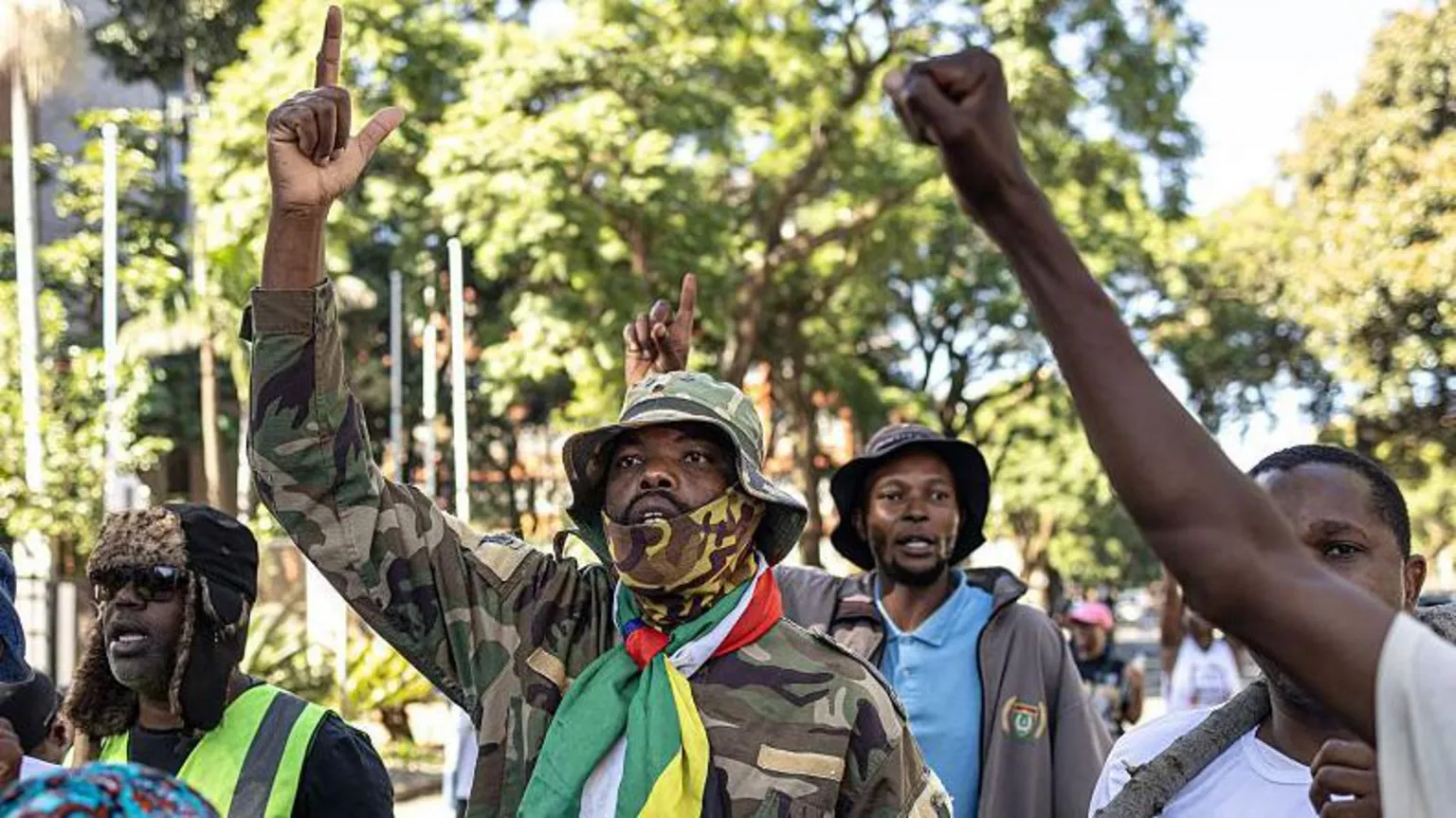
The current wave of concern is partly fueled by widespread protests across major South African cities. Thousands of citizens have taken to the streets, voicing grievances against illegal immigration and demanding the mass deportation of undocumented foreign nationals. Protesters argue that undocumented immigration has had a detrimental impact on employment, housing availability, and crime rates. South African officials have acknowledged the right of citizens to protest against "the spiralling illegal immigration challenge." However, they have also stressed that violence associated with previous demonstrations, including looting of foreign-owned shops or attacks on migrants, is unacceptable. The government has been actively engaged in diplomatic efforts to assuage the growing unease across the continent. While xenophobia has historically been a persistent issue in South Africa, marked by occasional deadly outbursts, the current wave of protests has been largely characterized as peaceful. indicate no widespread looting of foreign-owned businesses or violence against undocumented migrants accompanying these demonstrations.
Regional Leaders Voice Broader Concerns
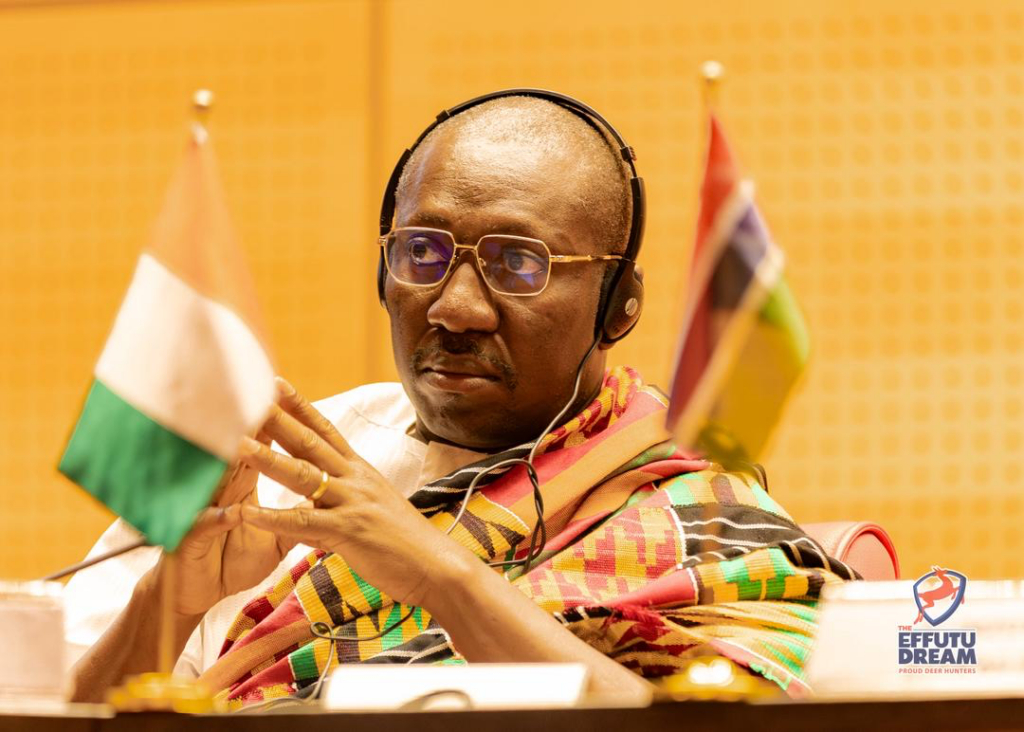
The situation in South Africa has resonated beyond Ghana, with Nigeria offering to repatriate its nationals amid escalating fears for their safety. Other nations, including Kenya, Malawi, Lesotho, and Zimbabwe, have issued advisories warning their citizens in South Africa to remain vigilant against potential attacks. Ghana's Minority Leader, Alexander Afenyo-Markin, has broadened the scope of the call for regional action. He has linked the xenophobia concerns in South Africa to deadly attacks on West African citizens in the Sahel and persistent barriers to free movement within regional blocs. Afenyo-Markin, also a member of the ECOWAS Parliament, described the confluence of these issues as a "moment of profound moral reckoning" for West Africa. He advocated for both external accountability and internal reforms within regional governance structures.
Echoes of Violence in the Sahel and ECOWAS Shortcomings
In his parliamentary address, Afenyo-Markin highlighted a February 14, 2026, attack in Titao, northern Burkina Faso, where militants linked to Jama’at Nasr al-Islam wal Muslimin allegedly ambushed and executed Ghanaian tomato traders. Survivors were reportedly forced to conduct local burials due to insecurity preventing official access to the site. These victims were described as crucial participants in regional food supply chains. Further compounding regional instability, Afenyo-Markin raised concerns about a significant offensive in Mali on April 25, 2026, the largest since 2012. The attacks, which struck multiple cities, reportedly resulted in the death of Mali's defense minister. In response to these security threats, Ghana has suspended trader movements along the Mali corridor. Afenyo-Markin also condemned the growing xenophobic violence in South Africa, noting reports of African migrants facing violence, looting, and displacement across several provinces. He acknowledged President Ramaphosa's condemnation of xenophobia but argued that "words do not arrest perpetrators," calling for concrete investigations, arrests, and prosecutions.
Free Movement Imperative for Continental Unity
Beyond the immediate crises, Afenyo-Markin critically assessed the functioning of the Economic Community of West African States (ECOWAS). He asserted that the bloc has failed to fully implement its 1979 Protocol on Free Movement of Persons, citing continued harassment, extortion, and illegal checkpoints faced by citizens despite visa-free travel provisions. He characterized these persistent barriers as a "de facto tax on poverty," hindering the economic and social integration of the region. The slow pace of ratifying the African Union's own Free Movement Protocol, adopted in 2018, was also a point of contention. Afenyo-Markin found the contrast between ECOWAS's efforts and the African Continental Free Trade Area (AfCFTA) "incoherent," arguing that trade integration cannot flourish without the unimpeded movement of people. He urged Ghana, as the host of the AfCFTA Secretariat, to accelerate its ratification process, aiming to meet its previously stated 2027 target.
South Africa's Stance and the Path Forward
South Africa's presidential spokesperson emphasized that the nation is a welcoming country with "open, friendly and warm people," rejecting any characterization of its populace as xenophobic. This statement followed assurances that South Africa has "nothing to hide" regarding the allegations. Ghana's request to the AU includes the dispatch of a fact-finding mission to South Africa. The letter articulated that xenophobia "presents a challenge to the shared principles of African solidarity, brotherhood, and continental unity," underscoring the gravity with which Accra views the situation. Afenyo-Markin proposed a comprehensive five-point plan, including the establishment of a special committee, to address these multifaceted regional challenges, signaling a demand for substantive action beyond diplomatic pronouncements.
The bottom line
- Ghana has formally requested the African Union to investigate claims of rising xenophobia in South Africa.
- South Africa's government denies widespread xenophobia, attributing concerns to "fake videos" and acknowledging legitimate protests against illegal immigration.
- Other African nations, including Nigeria and Kenya, have issued warnings to their citizens in South Africa.
- Ghanaian Minority Leader Alexander Afenyo-Markin has linked xenophobia in South Africa to regional insecurity and failures in implementing free movement protocols.
- Afenyo-Markin called for concrete actions, including arrests and prosecutions, to address xenophobic violence.
- The debate highlights the tension between national sovereignty, immigration control, and the principles of African solidarity and free movement.



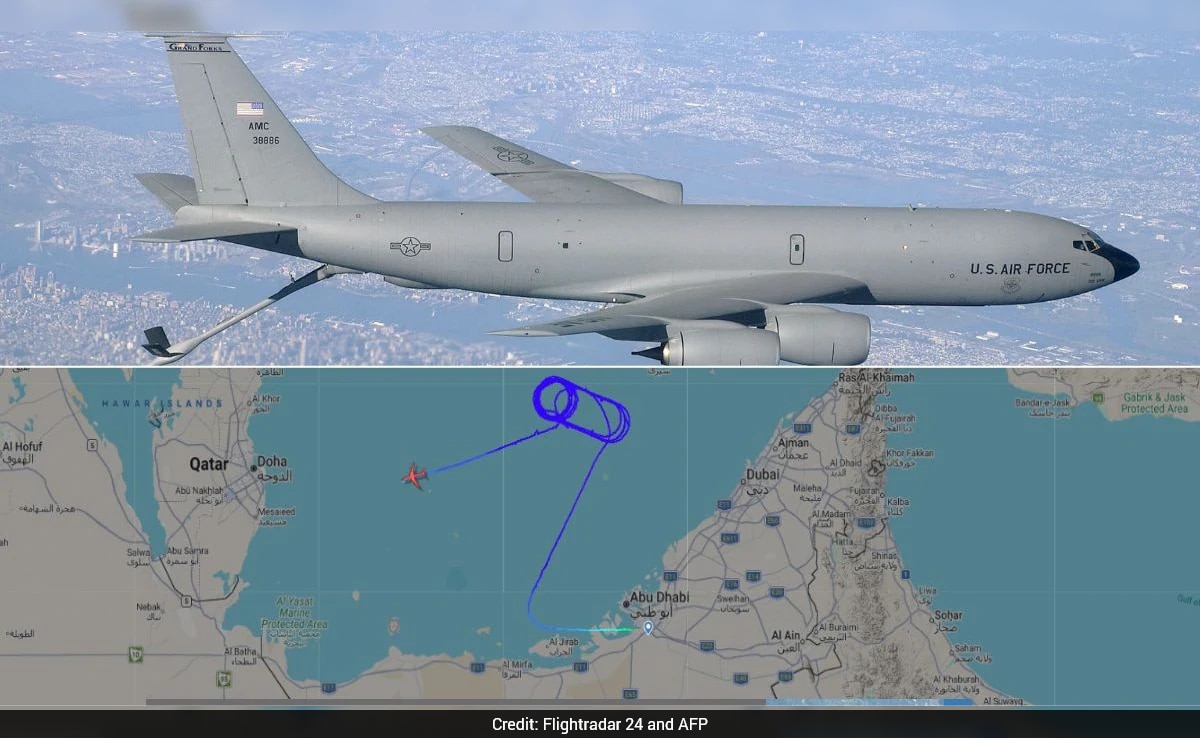
US Air Force Tanker Declares Emergency Over Persian Gulf
US KC-135 Stratotanker Vanishes Over Qatar After Sending Distress Signal Amid Gulf Tensions

Francis Amuzu Reverses Stance, Joins Ghana Squad After Four-Year Rejection