Alaskan Megatsunami Serves as Stark Climate Change Warning
A colossal wave, triggered by a mountain collapse, underscores the growing threat of climate-driven glacial melt and landslides.
GREECE —
Key facts
- A 500-meter-tall wave struck a remote Alaskan fjord last summer.
- The wave was caused by 64 million cubic meters of rock falling into the water.
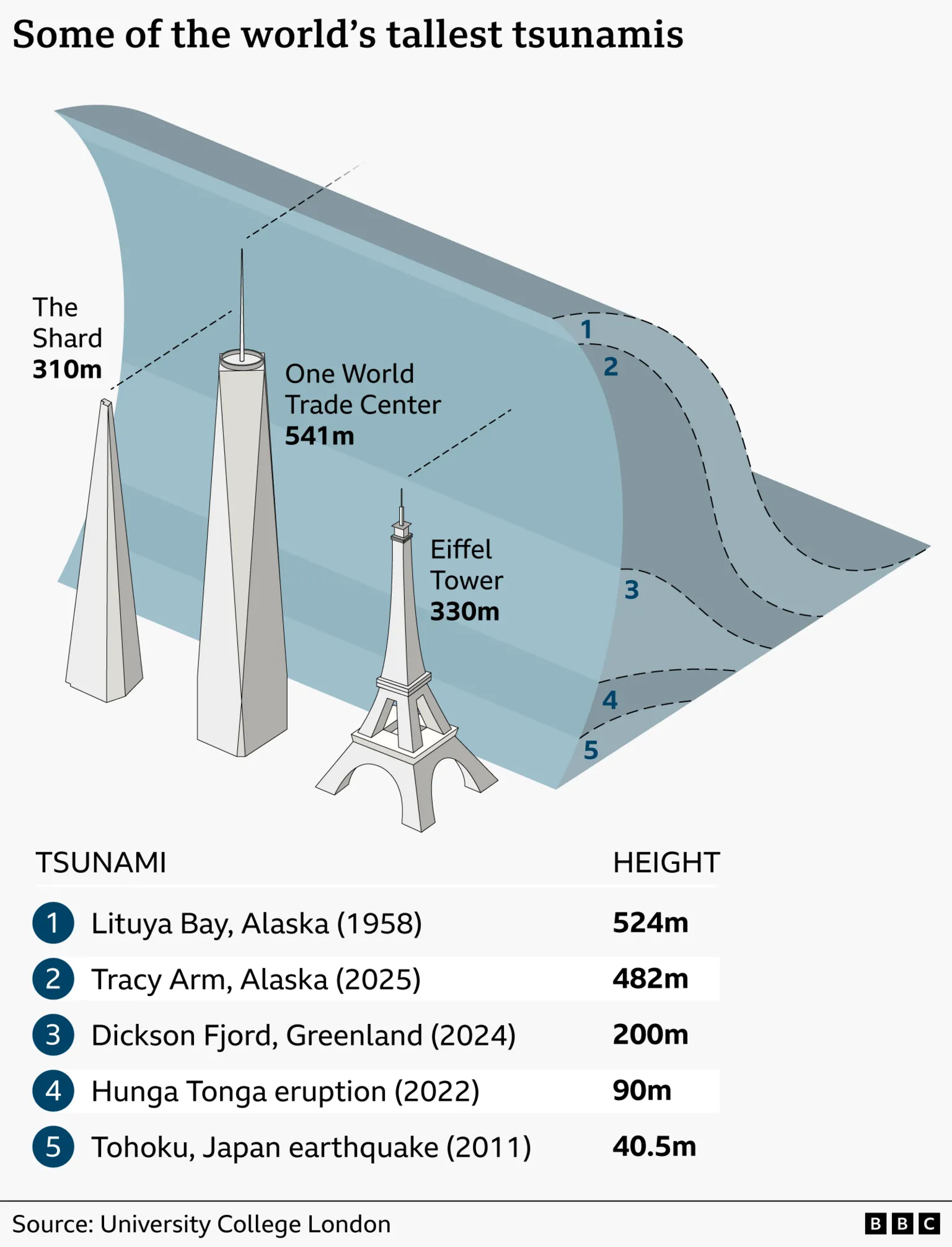
- This event is the second tallest wave ever recorded.
- Geologist Bretwood Higman described the event as a 'close call' for nearby cruise ships.
- Alaska's geography makes it particularly susceptible to such events.
- The tallest recorded megatsunami exceeded 500 meters in the 1950s.
A Colossal Wave Emerges from Remote Fjord
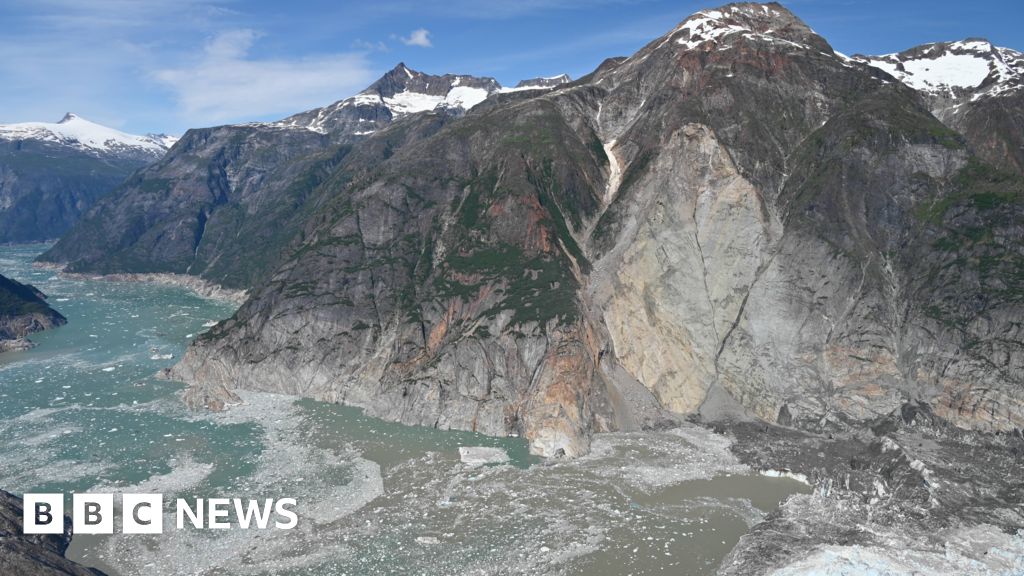
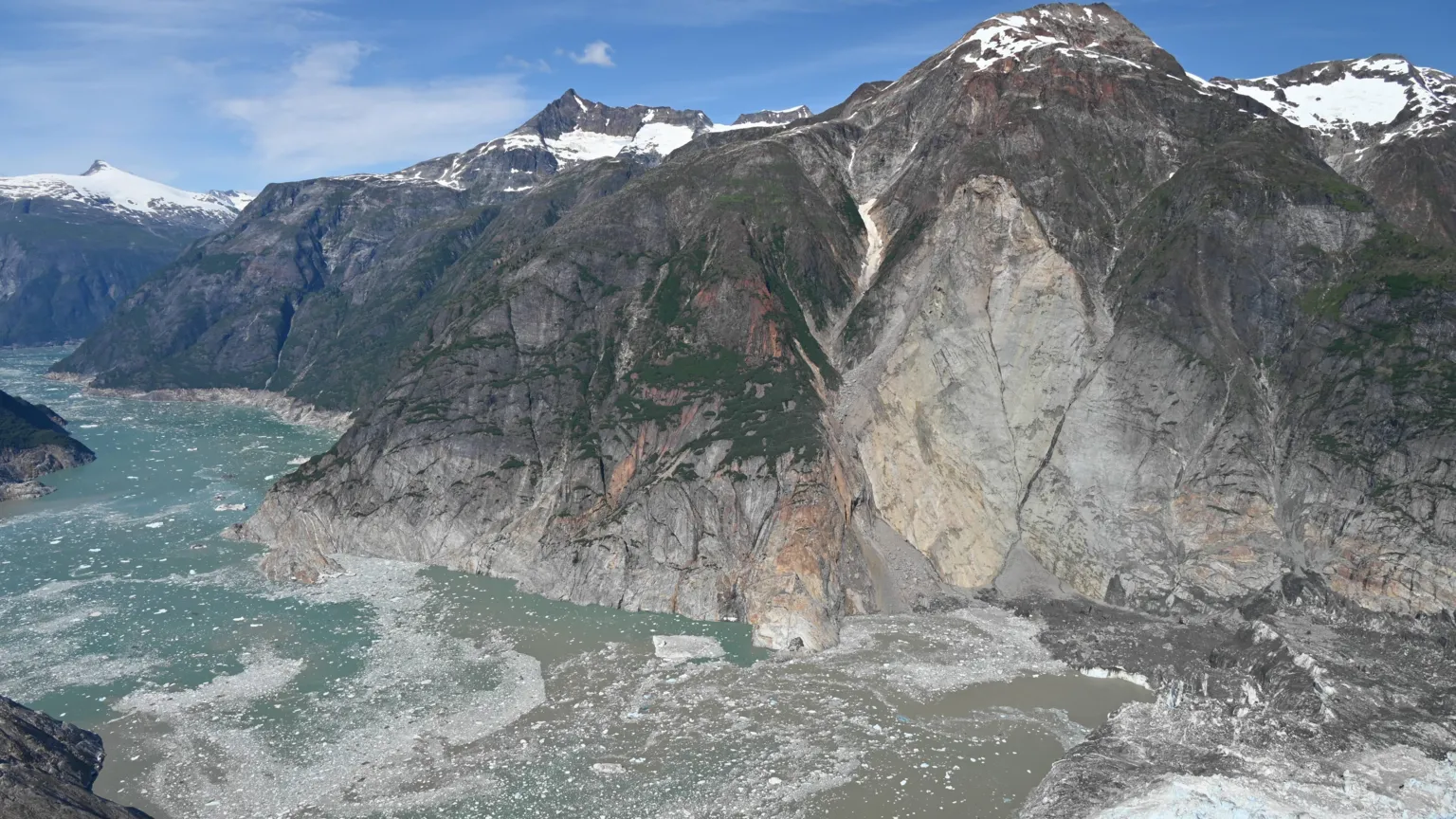
A colossal wave, nearly 500 meters in height, surged through a remote fjord in southeast Alaska last summer, leaving a trail of destruction. The event, largely unreported at the time, has now been detailed in a new scientific analysis that attributes its cause to a massive landslide. The sheer volume of rock – an estimated 64 million cubic meters, equivalent to 24 Great Pyramids – plunged into the water in under a minute, generating a wave of unprecedented scale. This gargantuan wave, categorized as a 'megatsunami,' serves as a potent reminder of the increasing risks associated with climate change. Scientists are linking the phenomenon to melting glaciers, which can destabilize mountainsides and increase the likelihood of such catastrophic rockfalls into the sea. The timing of the event, occurring in the early hours, narrowly avoided disaster for tourist cruise ships that frequent the area.
Geologist Warns of Near Miss and Future Perils
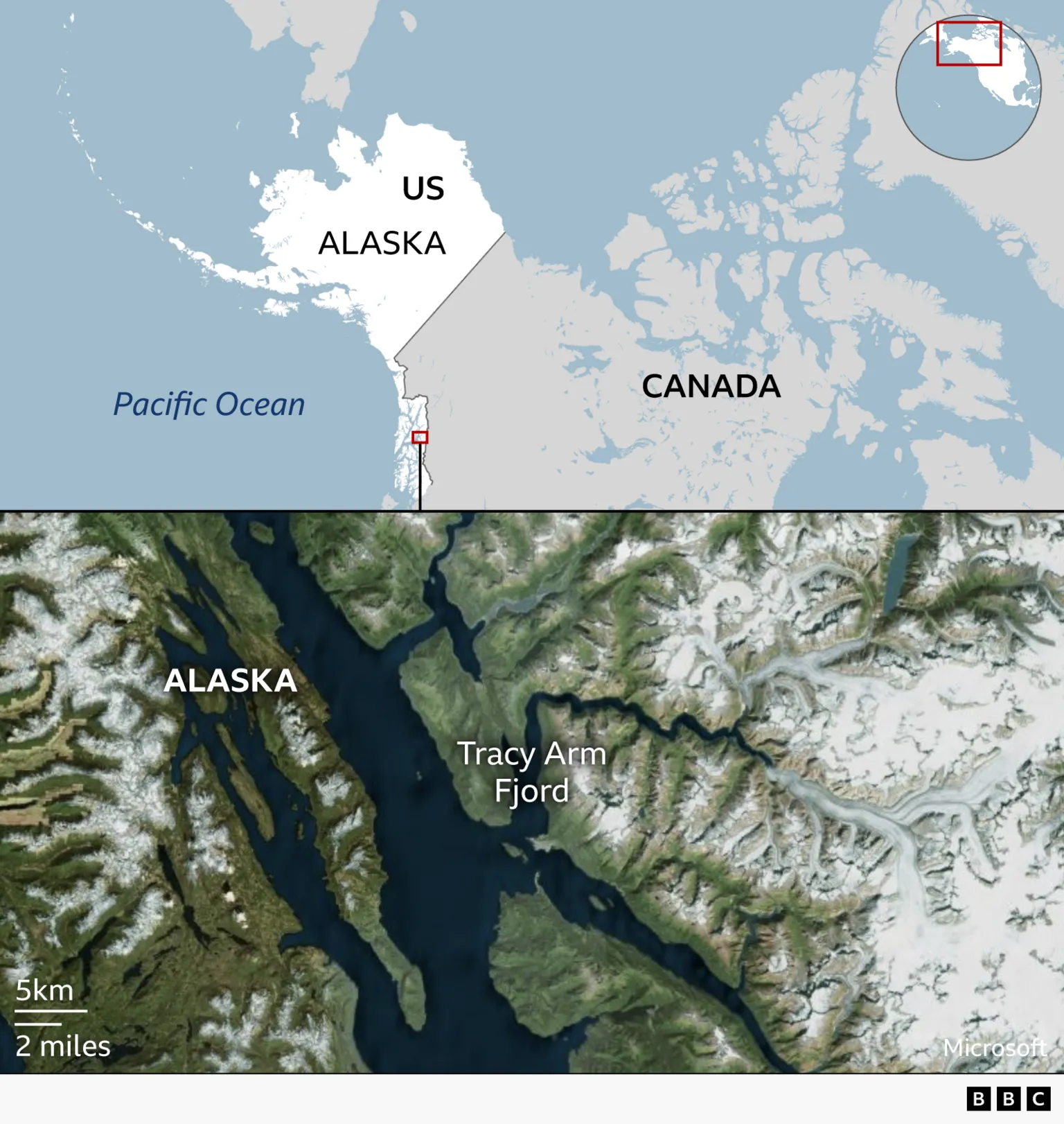
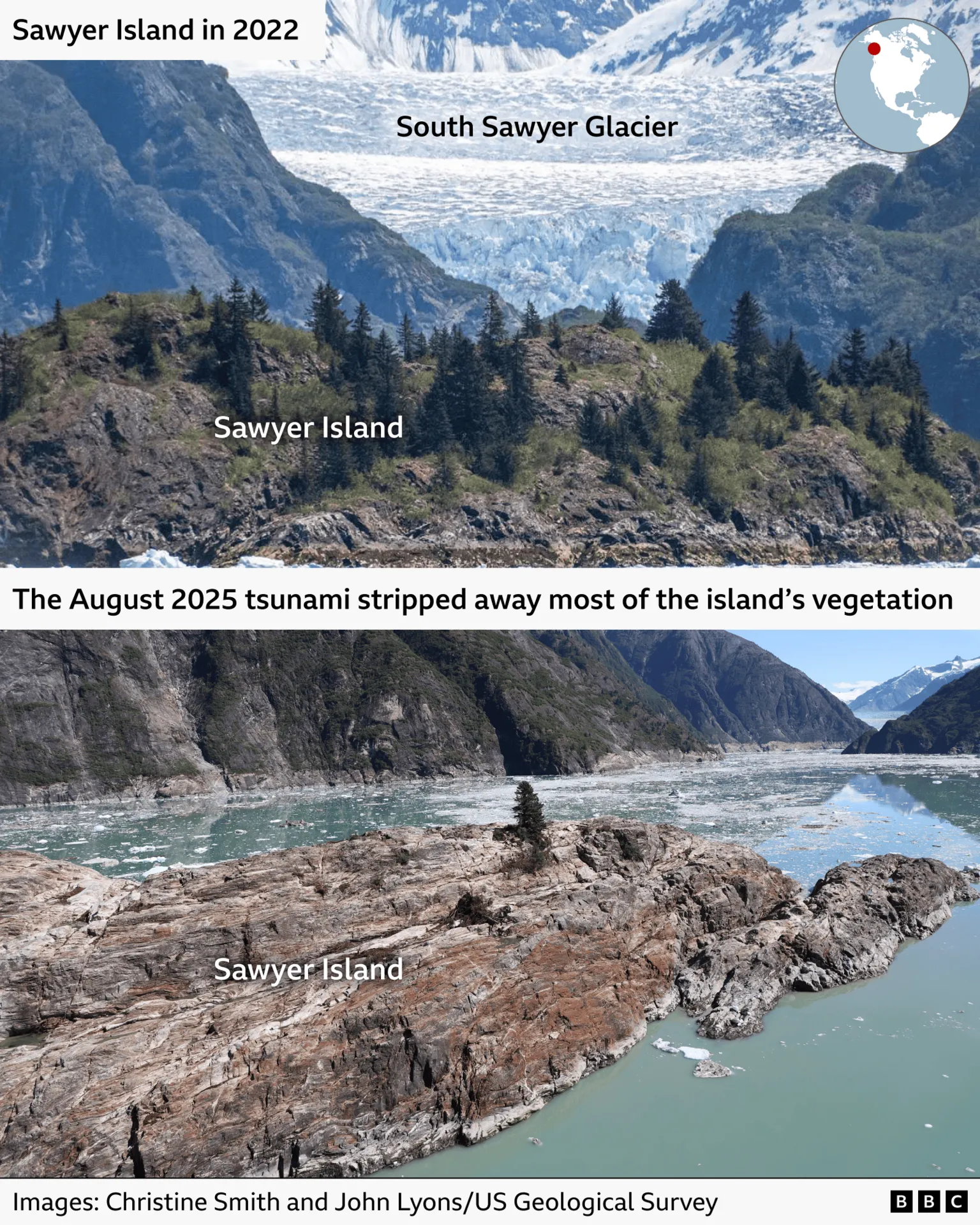
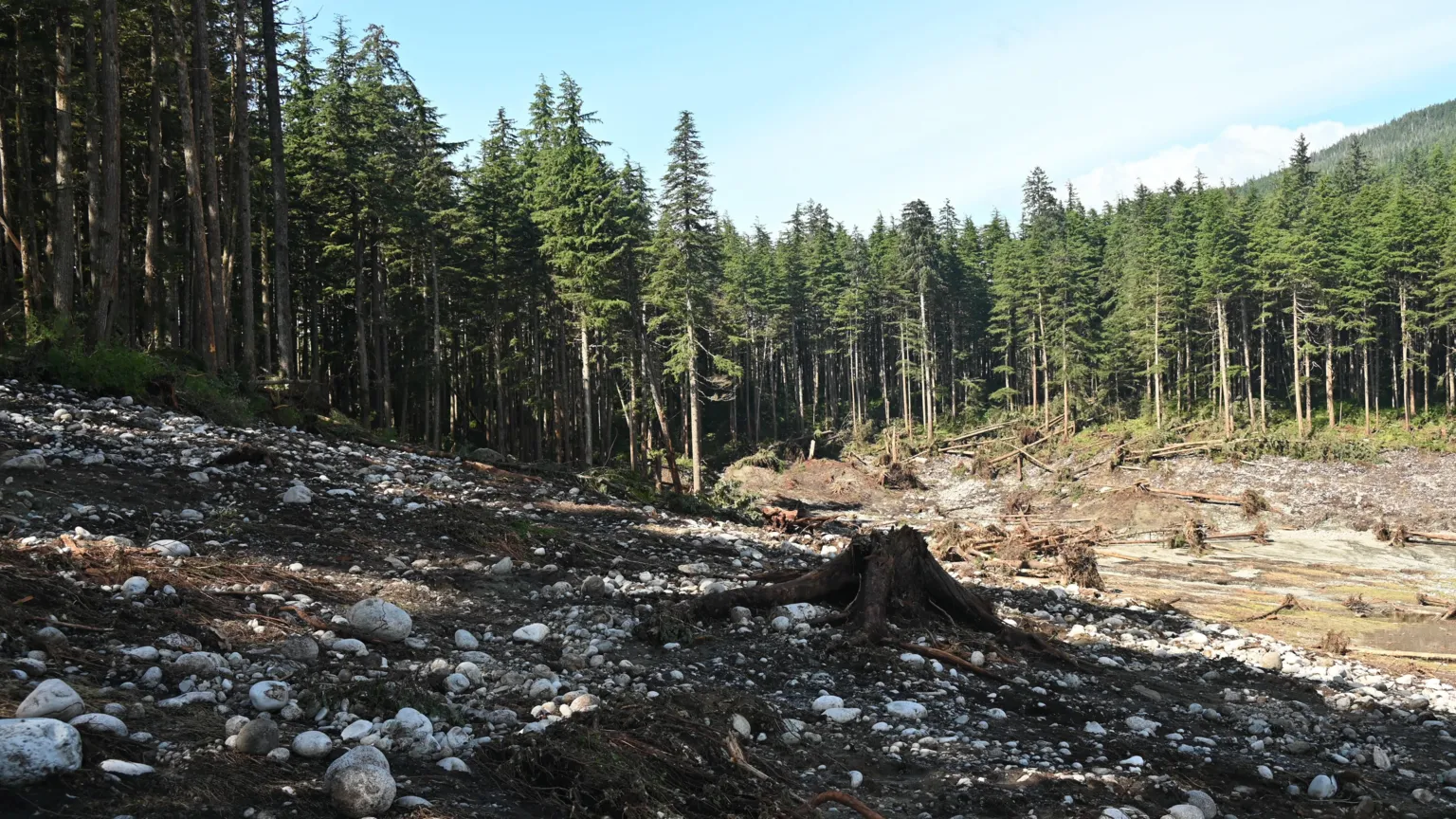
Dr. Bretwood Higman, an Alaskan geologist, witnessed the aftermath firsthand at Tracy Arm Fjord, a popular destination for cruise ship excursions. He described the scene as one of utter devastation, with trees ripped from mountainsides and vast areas of rock stripped bare. "We know that there were people that were very nearly in the wrong place," Dr. Higman stated, conveying the gravity of the situation. "I'm quite terrified that we're not going to be so lucky in the future." His assessment highlights the precariousness of the situation, emphasizing that the remote location and the early morning hour were fortunate circumstances. The incident underscores a growing concern among scientists regarding the potential for future, more devastating events as climate change accelerates.
Understanding Megatsunamis vs. Ocean Tsunamis
Megatsunamis, such as the one observed in Alaska, are distinct from the more commonly understood ocean tsunamis. While ocean tsunamis are typically triggered by underwater earthquakes or volcanic activity and can travel vast distances across open seas, megatsunamis are generated by massive landslides that displace large volumes of water. These land-based events create immense, localized waves. The 2011 Japan tsunami, which caused widespread devastation and loss of life, is an example of an earthquake-triggered ocean tsunami. The Alaskan event, while immense, was a localized megatsunami, a phenomenon driven by a different set of geological and environmental factors.
Alaska's Vulnerability to Catastrophic Waves
Alaska's unique geological and geographical characteristics make it particularly susceptible to the formation of megatsunamis. The region is defined by its steep mountain ranges that drop sharply into narrow fjords, creating ideal conditions for large-scale landslides. Coupled with frequent seismic activity, these factors significantly increase the risk of rockfalls into the water. The historical record includes other significant megatsunami events, with the largest on record occurring in the 1950s, exceeding 500 meters in height. The recent event in Tracy Arm Fjord, while slightly smaller, serves as a stark contemporary example of this persistent threat.
Climate Change as an Accelerant
Scientists are increasingly pointing to climate change as a significant factor exacerbating the risk of megatsunamis. As global temperatures rise, glaciers melt at an accelerated rate. This melting can destabilize the rock and soil of surrounding mountains, loosening their grip and making them more prone to collapse. The Alaskan event, therefore, is not merely an isolated geological incident but is viewed within a broader context of climate-induced environmental changes. The thawing permafrost and receding ice can compromise the structural integrity of mountainsides, creating a dangerous feedback loop where warming leads to increased landslide risk, which in turn can generate devastating waves.
A Call for Vigilance and Future Preparedness
The near miss experienced in Alaska has amplified calls for greater awareness and preparedness regarding megatsunami risks. While these events are geographically specific, their potential for localized destruction is immense. The scientific community is urging a closer examination of vulnerable regions and the implementation of monitoring systems. Looking ahead, the focus is on understanding how climate change will continue to influence geological stability in mountainous, fjord-rich areas. The hope is that by recognizing these emerging threats, societies can better prepare for and mitigate the impact of future megatsunami events, ensuring that luck does not remain the primary factor in preventing loss of life.
The bottom line
- A 500-meter wave in Alaska, the second tallest ever recorded, was caused by a 64-million-cubic-meter rockslide.
- Geologists warn that climate change-driven glacial melt is increasing the frequency and severity of such 'megatsunami' events.
- Alaska's steep fjords and frequent earthquakes make it a hotspot for these giant wave-generating landslides.
- The recent event was a 'close call' for cruise ship passengers, highlighting the potential for disaster.
- Megatsunamis are distinct from earthquake-triggered ocean tsunamis, being caused by massive water displacement from landfalls.
- Scientists urge increased vigilance and preparedness for these events as global temperatures continue to rise.

Άρσεναλ: Πρόκριση στον τελικό και ελπίδες για πρωτάθλημα
7 Μαΐου: Η Ορθόδοξη Εκκλησία τιμά το σημείο του Τιμίου Σταυρού
Police Deploy Tear Gas Outside Athens Sports Venue
