Banksy Unveils Statue of Face-Covered Man Marching Off Plinth in Central London
The elusive street artist confirmed the sculpture, installed overnight near imperial monuments, as crowds gather to see the politically charged work.
GREECE —
Key facts
- Banksy confirmed a statue of a suited man with a flag covering his face, installed overnight Wednesday in Waterloo Place, St James's.
- The sculpture sits near statues of Edward VII, Florence Nightingale, and the Crimean War Memorial, an area designed to celebrate imperialism.
- Banksy posted a video on Instagram showing the statue being towed to the site, juxtaposed with British flags, a Beefeater, and a black cab.
- Westminster City Council said it has taken initial steps to protect the statue but will keep it accessible for public viewing.
- The artist's lawyer, Mark Stephens, stated that Banksy's anonymity is critical due to 'fixated, threatening and extremist behaviour'.
- This is Banksy's first confirmed London work since a December mural in Bayswater and a September mural at the Royal Courts of Justice.
- A Reuters investigation claimed to unmask Banksy as Robin Gunningham, who denied the claim; Banksy's lawyer said details were incorrect.
A Midnight Installation in the Heart of Empire
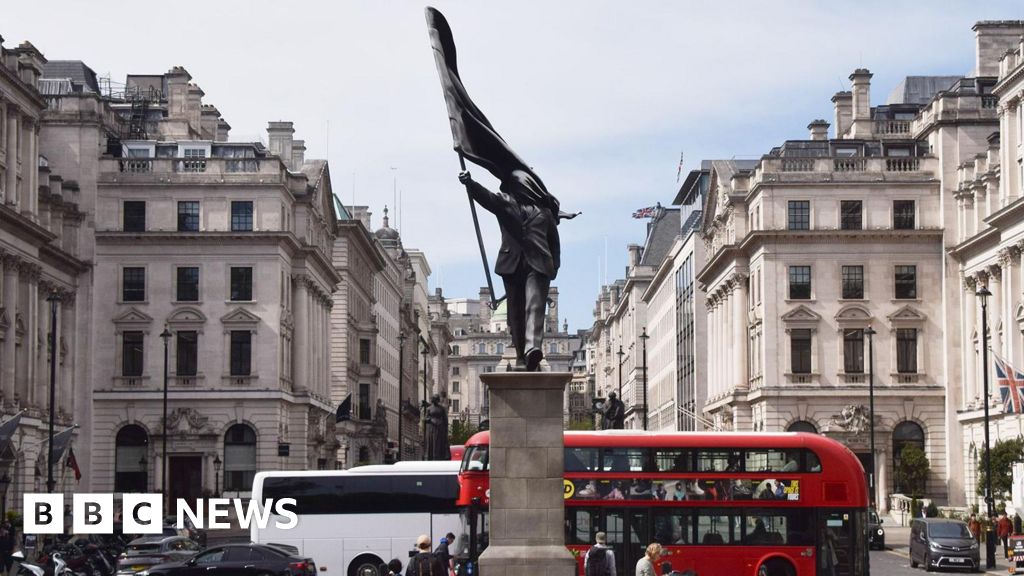
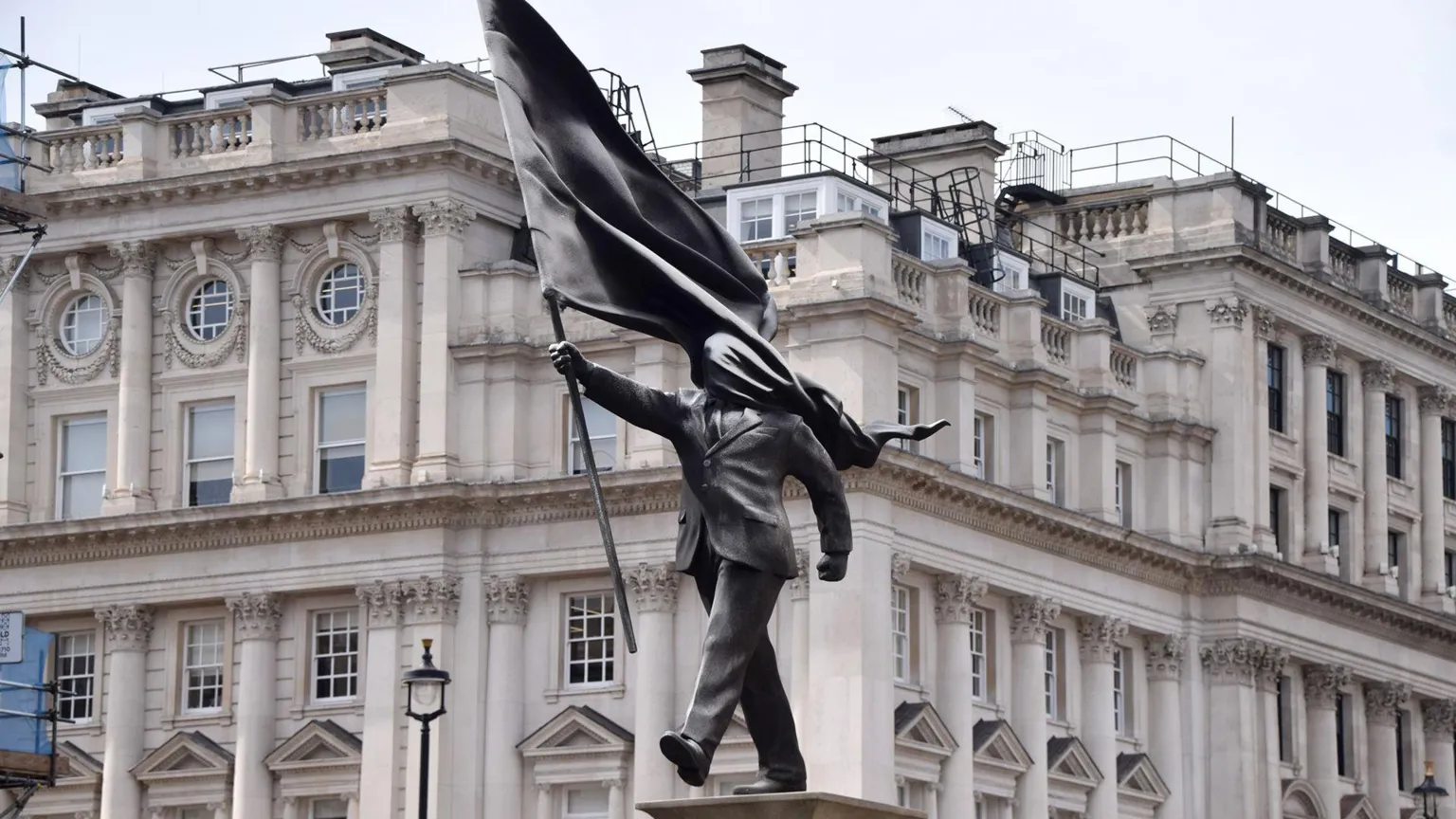
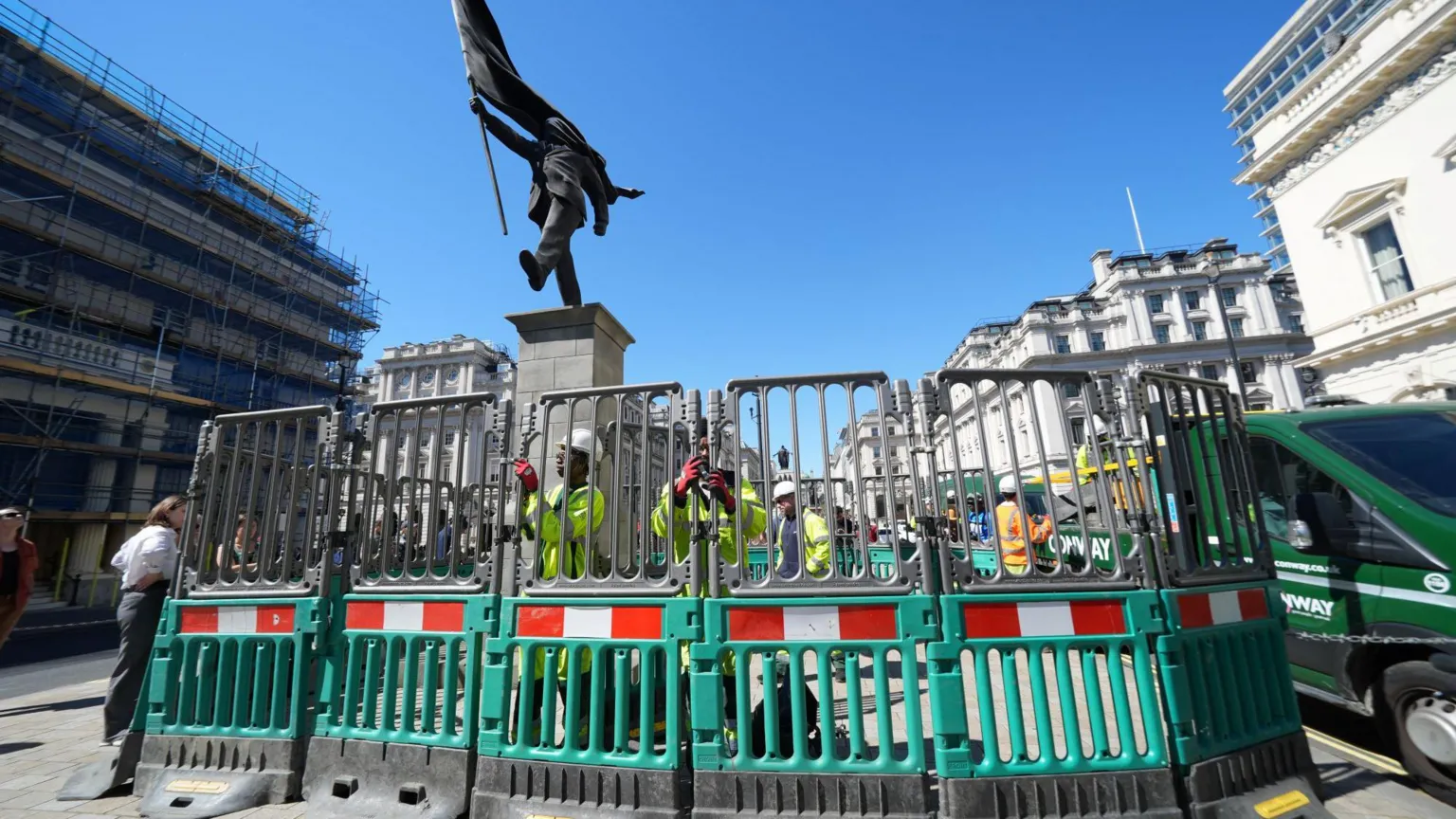
In the early hours of Wednesday, a large sculpture was towed into Waterloo Place, a ceremonial island in St James's, Westminster. By Thursday afternoon, Banksy had posted a video on Instagram confirming the work as his own. The statue depicts a man in a suit striding forward off a plinth, his face entirely obscured by a billowing flag. The location is deliberate: Waterloo Place was designed in the 1800s to celebrate imperialism and military dominance. The sculpture now stands near statues of Edward VII, Florence Nightingale, and the Crimean War Memorial. Banksy himself noted the placement with characteristic understatement: 'There was a bit of a gap.'
Crowds Gather as Council Steps In
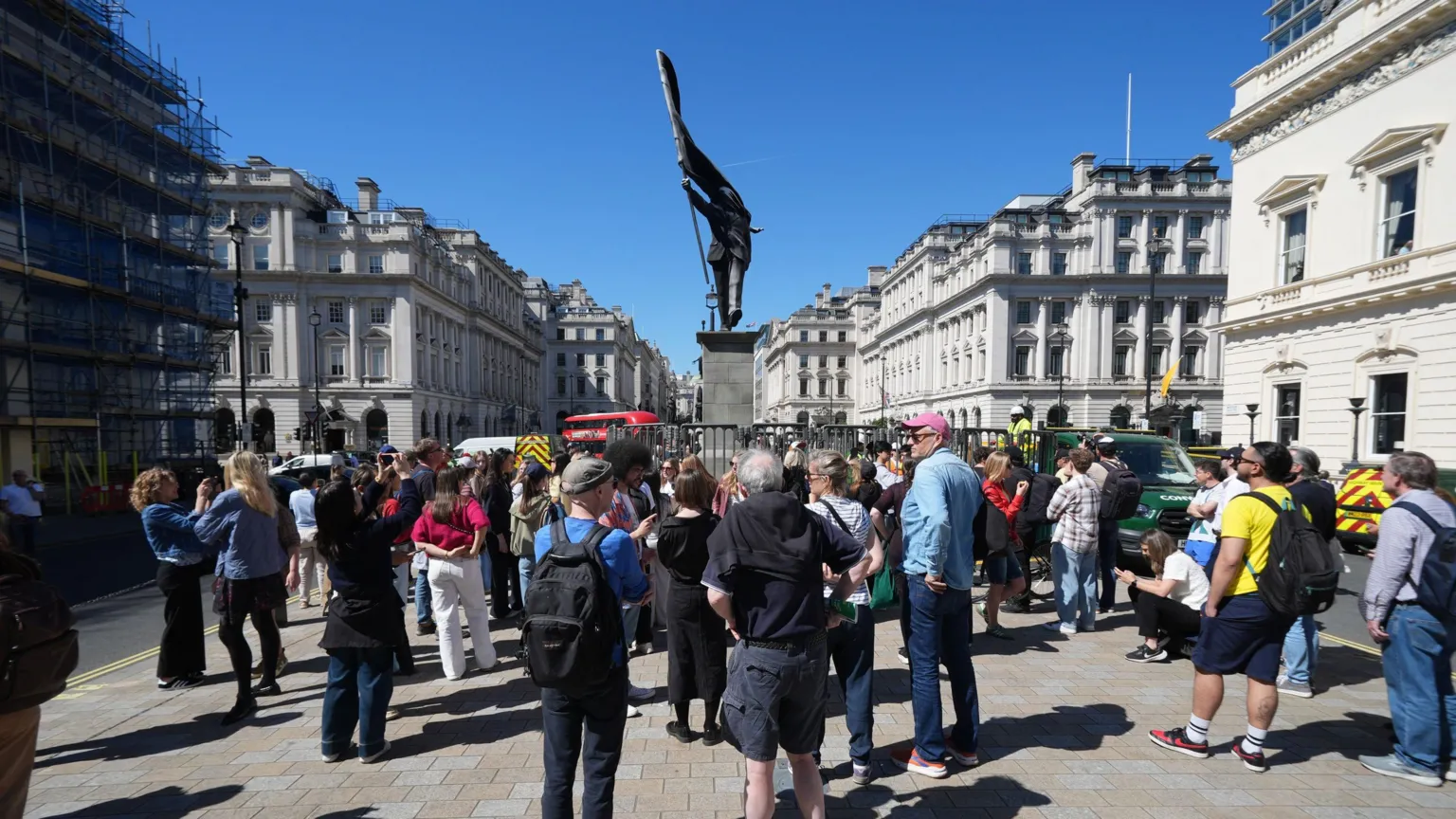
Since the statue appeared, crowds have steadily grown. On Thursday, dozens of people gathered to view the piece. Ollie Isaac, a 23-year-old student, called it 'brilliant' and interpreted it as a response to 'the resurgence of nationalism in the world and this country.' He added, 'That suit screams politician.' Teacher Lynette Cloraleigh, 55, came after a friend posted about the statue on Instagram. 'I like it,' she said. 'I like where it is. (It's) intriguing how it got here.' By Thursday afternoon, contractors were seen erecting safety barriers around the work. Westminster City Council stated it was 'excited to see Banksy's latest sculpture' and had taken initial steps to protect it, but would keep it accessible for the public.
Banksy’s Video and the Provocative Imagery
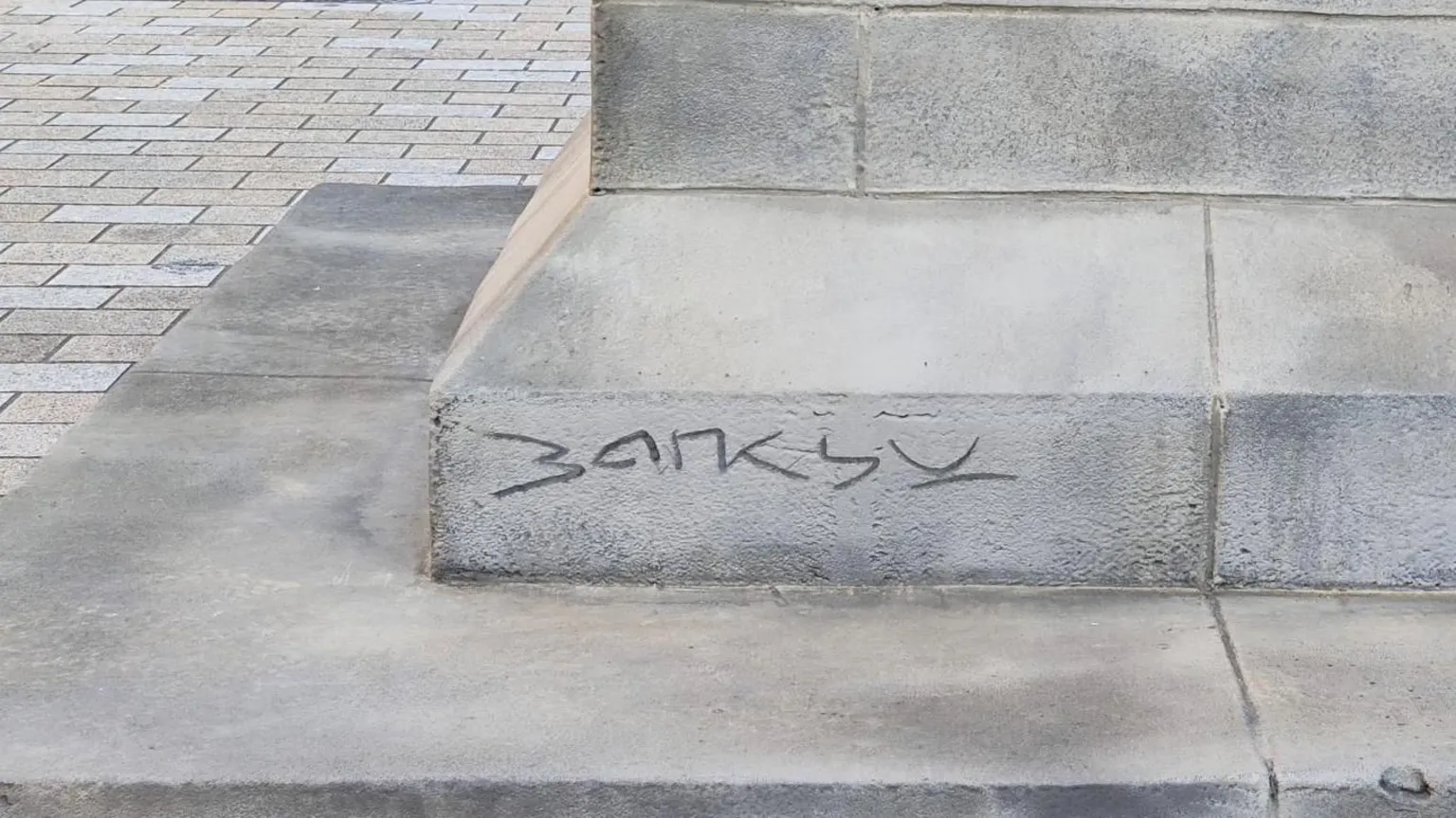
The video Banksy posted on social media shows the statue being towed through the night, interspersed with shots of the nearby statue of Winston Churchill. In the clip, a man is asked his view of the statue and replies, 'No, I don’t like it.' The video also juxtaposes the sculpture with British flags, a Beefeater soldier, and a black cab. The statue itself is signed with Banksy's signature at the base of the plinth. The flag covering the man's face is large and billowing, suggesting movement. The work is widely seen as a commentary on nationalism and political identity, themes Banksy has explored before.
A Pattern of Political Murals in London
This is not Banksy's first recent work in London. In December, he claimed a mural in Bayswater showing two children lying down and looking at the sky, which appeared to comment on homelessness by pointing at the Centre Point Tower, a symbol of the housing crisis. In September, a mural appeared on the Queen's Building at the Royal Courts of Justice, depicting a judge raising a gavel over a protester on the ground beside a blood-stained placard. That piece was interpreted as a critique of arrests during protests supporting Palestine Action. The mural was later removed; the court service said it was legally obliged to maintain the building's listed character. Banksy has also created statues before, including 'The Drinker' in 2004, a take on Rodin's The Thinker installed on Shaftesbury Avenue, which was removed shortly after.
The Artist’s Anonymity Under Scrutiny
Banksy's identity remains a subject of speculation. A recent investigation by Reuters claimed to have unmasked the artist as Robin Gunningham, a Bristol native, echoing findings from a 2008 Mail on Sunday report. Gunningham has denied the claim. Banksy's lawyer, Mark Stephens, told Reuters that the artist 'does not accept that many of the details contained within your inquiry are correct' and emphasised that Banksy's anonymity is critical because he has been 'subjected to fixated, threatening and extremist behaviour.' The ongoing mystery adds to the allure of each new work, as does the temporary nature of public art. As student Ollie Isaac observed, 'With Banksy, it's a limited time event because it's public art - you don't know how long it's going to be up.'
What Comes Next for the Sculpture
For now, the statue remains in place, protected by safety barriers but still accessible. Westminster City Council has not announced a timeline for its removal, leaving the work's fate uncertain. The council's statement suggests a willingness to let the public enjoy the piece, at least for the time being. The sculpture's future will likely depend on public reaction and any legal or logistical considerations. Given Banksy's history, the work may be removed or relocated, but its impact on the conversation about nationalism and public art is already clear. The statue stands as a provocative addition to a landscape built to celebrate empire, now repurposed for critique.
The bottom line
- Banksy confirmed a new statue in central London, installed overnight Wednesday, showing a man with a flag covering his face, marching off a plinth.
- The sculpture is placed near imperial monuments in Waterloo Place, a deliberate contrast to the area's historical celebration of empire.
- Crowds have gathered to see the work, which has been temporarily protected by barriers but remains publicly accessible.
- The piece follows recent London murals critiquing homelessness and protest suppression, continuing Banksy's pattern of political art.
- Banksy's anonymity remains contested, with a Reuters investigation claiming to identify him as Robin Gunningham, a claim the artist denies.
- The statue's longevity is uncertain, typical of Banksy's public art, which is often removed shortly after installation.


Olympiacos’s Europa Conference League Triumph Exposes Media Rift in Greece

Με buzzer beater του Χέιζ-Ντέιβις ο Παναθηναϊκός έκανε το 2-0 στη Βαλένθια

Επιτυχής συγκόλληση δαχτύλου 5χρονου που ακρωτηριάστηκε σε νηπιαγωγείο Ευόσμου