OnePlus and Realme Merge Under Oppo as OnePlus Exits Europe in April 2026
The restructuring consolidates product development and resources, ending Realme's independent engineering status and reversing OnePlus's global strategy.

GREECE —
Key facts
- OnePlus and Realme are merging into a single business unit under Oppo.
- OnePlus will shut down its European operations in April 2026.
- Realme's founder and CEO Li Bingzhong will lead the merged unit.
- OnePlus China president Li Jie will oversee product development, reporting to Oppo chief product officer Pete Lau.
- Realme's R&D teams are being folded into Oppo's hardware divisions.
- Storage component prices have risen roughly 25%, driving cost pressures.
- The merger is not yet confirmed by an official Oppo press release.
- OnePlus has committed to full after-sales support for UK buyers after the European exit.
Two Sub-Brands Become One
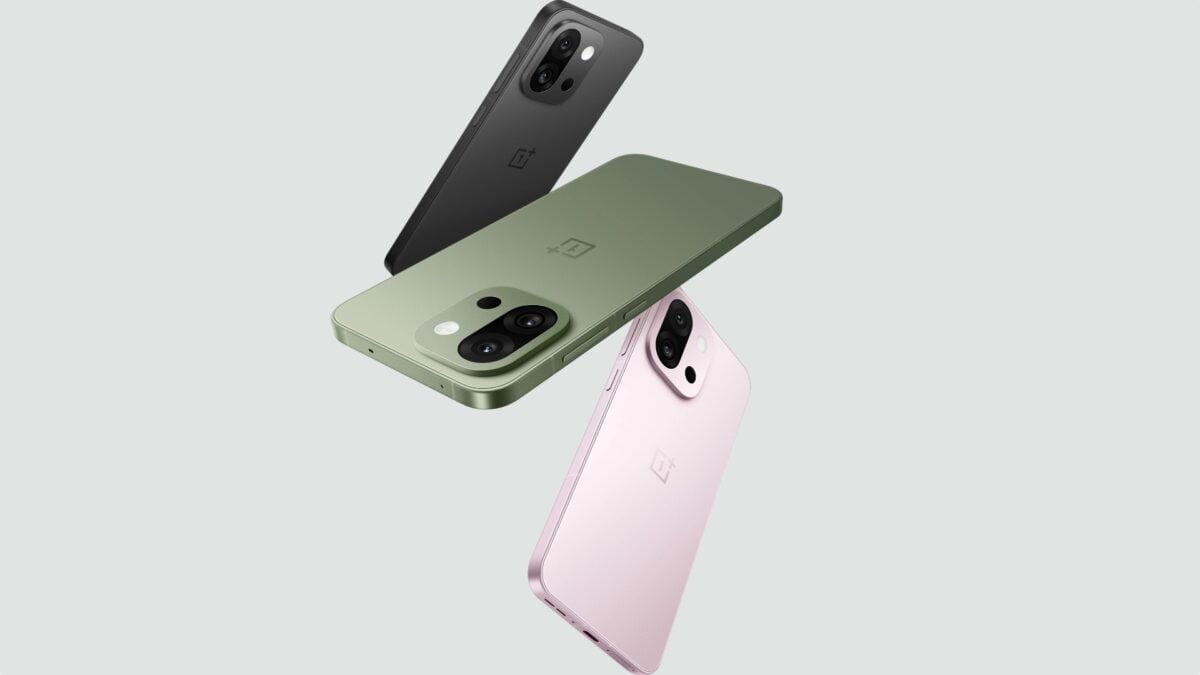
OnePlus and Realme are being merged into a single business unit under their parent company Oppo, according to reports from Chinese tech outlet Leifeng and tipster Digital Chat Station. The restructuring places both brands under Realme's founder and CEO Li Bingzhong, with product development consolidated under OnePlus China president Li Jie, who will report directly to Oppo chief product officer Pete Lau. The move ends months of speculation about the future of the two overlapping sub-brands, which have shared a common corporate lineage since Realme's founding as an Oppo sub-brand in 2018. Neither OnePlus nor Realme has officially commented on the matter as of writing. All reporting traces back to internal company sources and Chinese tech media, with no official Oppo press release yet. The structural logic, however, is straightforward: two sub-brands with overlapping market positions, a shrinking global smartphone market, and a cost environment that punishes duplication.
OnePlus Confirms European Exit in April 2026
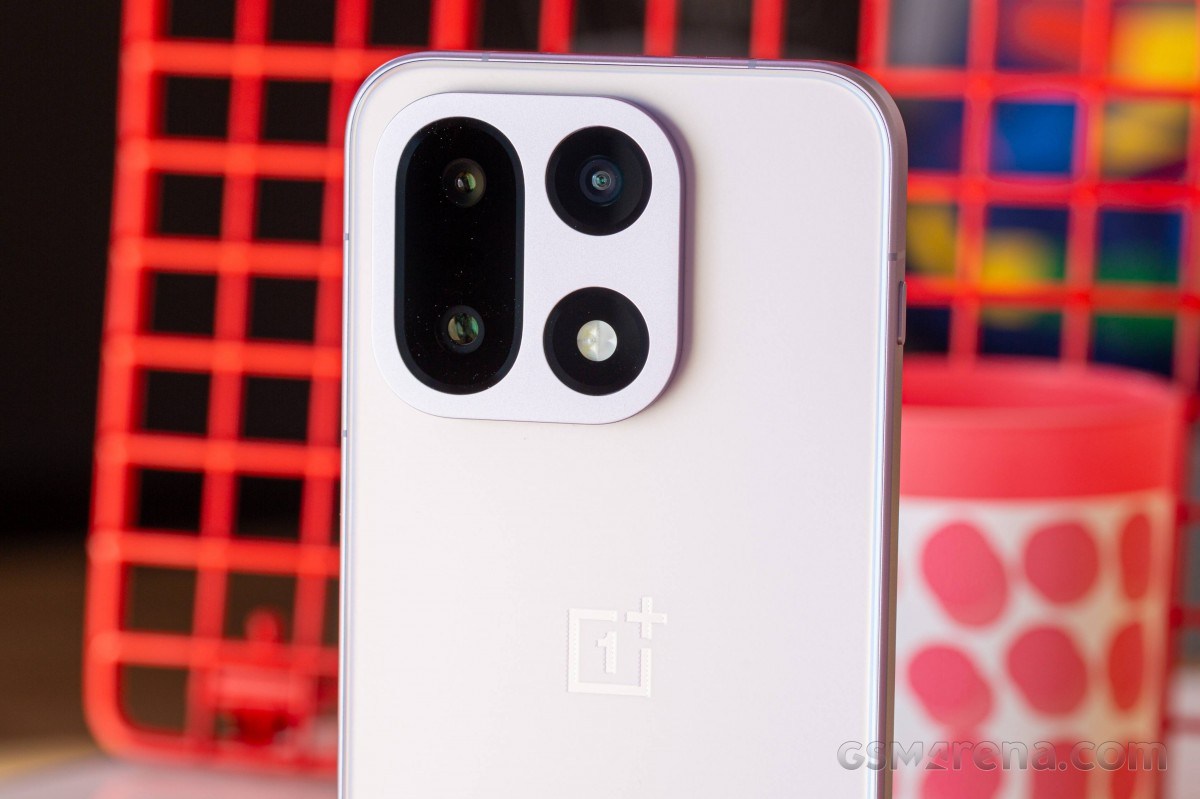
Separately, OnePlus is confirmed to be shutting down its European operations in April 2026, according to 9to5Google, whose source says staff have already been informed. For UK buyers, OnePlus has committed to full after-sales support following its European exit, but has not published a product roadmap or confirmed whether new handsets will reach the market. The US market situation remains disputed: some sources say North America exits too, while others are ambiguous. The European withdrawal marks a near-reversal of OnePlus's strategy over the last decade. The brand built genuine loyalty in the West with fast software, clean hardware, and competitive pricing — an engineering culture that was always separate from Oppo's. With product decisions now centralized under Oppo's umbrella, the flagship killer identity that defined OnePlus looks increasingly difficult to sustain, regardless of what the brand is called.
Realme Loses Independent Engineering Status
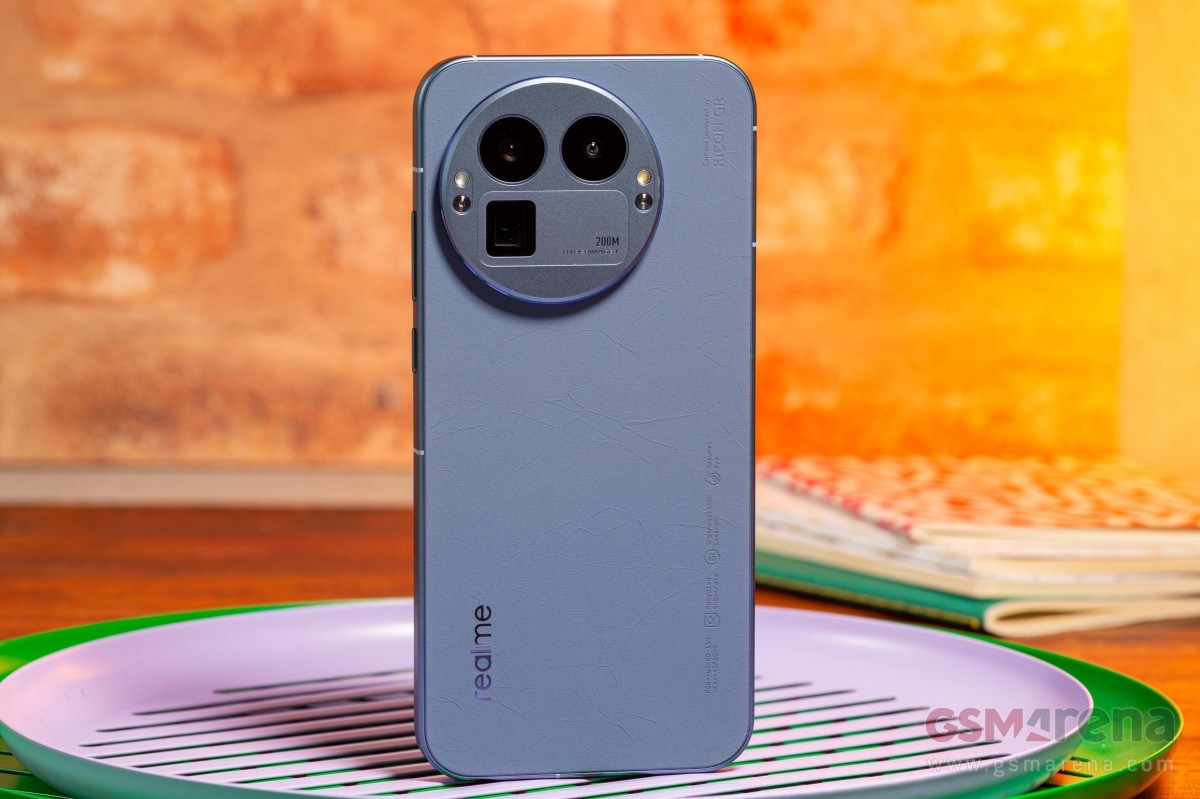
Realme's R&D teams are being folded into Oppo's hardware divisions, with imaging and chip teams consolidated at the group level. That ends Realme's status as an independent engineering outfit. The two brands are expected to continue existing in name, with Realme focused on global markets and OnePlus refocused toward China. Wang Wei, Realme's former VP, is reportedly set to be the deputy general manager in the restructured entity. According to the new report, the two brands will merge their domestic and global operations while retaining their own brand identity. Marketing and services will also be shared under the new sub-business unit.
Cost Pressures Drive Restructuring
Oppo cites rising costs as a key driver of the merger. Storage component prices are up roughly 25%, pushing bill-of-materials costs higher across the board, per 36kr. Centralizing engineering and supply chains is a direct response to that pressure. The global smartphone market has been shrinking, and the cost environment punishes duplication across sub-brands. The restructuring will see both brands share product development, strategy, and resources. This should also extend to software development, product roadmaps, and device launch timing. The consolidation aims to reduce competition for Samsung in key smartphone markets worldwide, as the merged entity can streamline operations and cut costs.
Shared Manufacturing and ODM Dependence
Though Wingtech is specified in their root storage amongst system files, which proves their dependence on ODMs. Samsung, Sony, Motorola (Lenovo), and HMD all use Wingtech, demonstrating that shared ODMs are standard industry practice across competitors. Even though Nothing devices might not have BBK engravings on internal components, they still rely on Wingtech and, more specifically, on Wingtech molds usually provided to BBK without any change to the internal structure. This shared ODM dependence underscores the industry-wide cost pressures and the logic behind Oppo's consolidation. By merging engineering and supply chains, Oppo can leverage scale to negotiate better terms and reduce duplication across its sub-brands.
Uncertain Future for OnePlus's Flagship Killer Identity
OnePlus built genuine loyalty in the West with fast software, clean hardware, and competitive pricing. That engineering culture was always separate from Oppo's. With product decisions now centralized under Oppo's umbrella, the flagship killer identity that defined OnePlus looks increasingly difficult to sustain — regardless of what the brand is called. The merger is not yet confirmed by an official Oppo press release, leaving room for further developments. The US market situation remains unclear, and OnePlus has not published a product roadmap for Europe after its exit. For consumers, the immediate impact is limited, but the long-term implications for brand identity and product differentiation are significant.
The bottom line
- OnePlus and Realme are merging into a single business unit under Oppo, with Realme's founder Li Bingzhong leading the unit.
- OnePlus will exit Europe in April 2026, with full after-sales support committed for UK buyers but no product roadmap published.
- Realme's R&D teams are being folded into Oppo's hardware divisions, ending its independent engineering status.
- Rising component costs, including a 25% increase in storage prices, are driving the consolidation.
- The merger is not yet officially confirmed by Oppo, and the US market situation remains disputed.
- OnePlus's flagship killer identity is at risk as product development centralizes under Oppo.


Alex Zanardi, F1 driver turned Paralympic champion, dies at 59

Village Cinemas in Greece to Screen Star Wars, Mortal Kombat II, and Backrooms This May

L.A. Mayoral Candidate Rae Huang Keeps $1,800 Donation From Twitch Streamer Suspended for Antisemitic Remarks