Apple Agrees to $250 Million Settlement Over Siri Advertising Claims
iPhone owners may receive up to $95 each in a class-action lawsuit alleging false advertising of AI capabilities.
HONG KONG —
Key facts
- Apple will pay $250 million to settle a class-action lawsuit.
- The lawsuit alleged false advertising of AI features, including Siri enhancements.
- Eligible iPhone owners could receive between $25 and $95 per device.
- The settlement covers approximately 37 million U.S. devices.
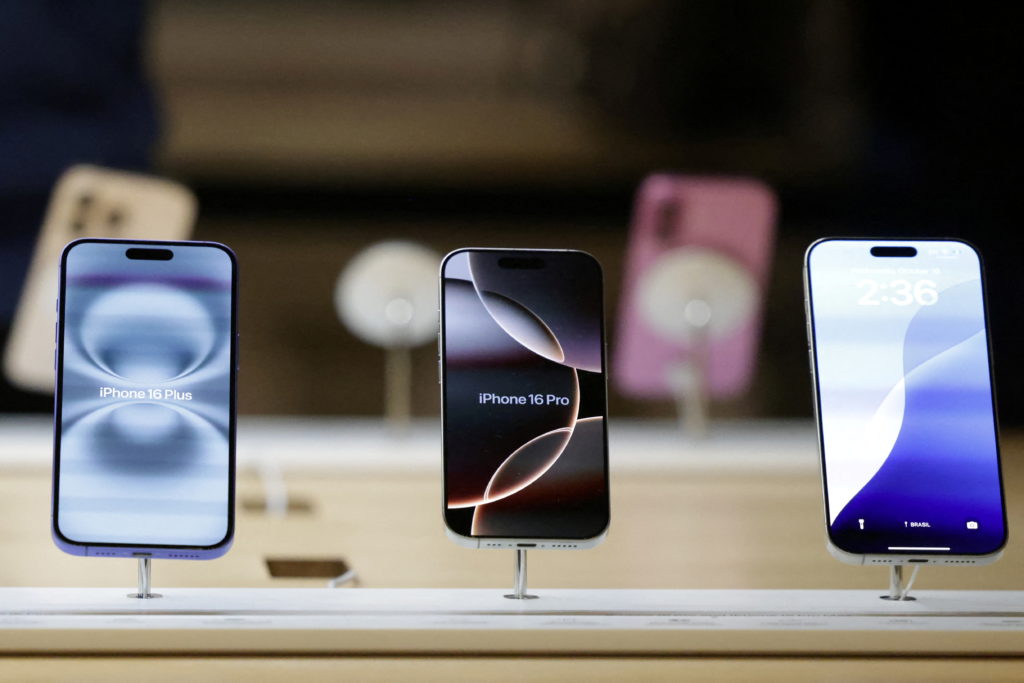
- Affected devices include iPhone 15 and iPhone 16 models purchased between June 10, 2024, and March 29, 2025.
- A judge must grant preliminary approval for the settlement.
- The case was initially filed in March 2025.
Tech Giant Reaches Landmark Settlement
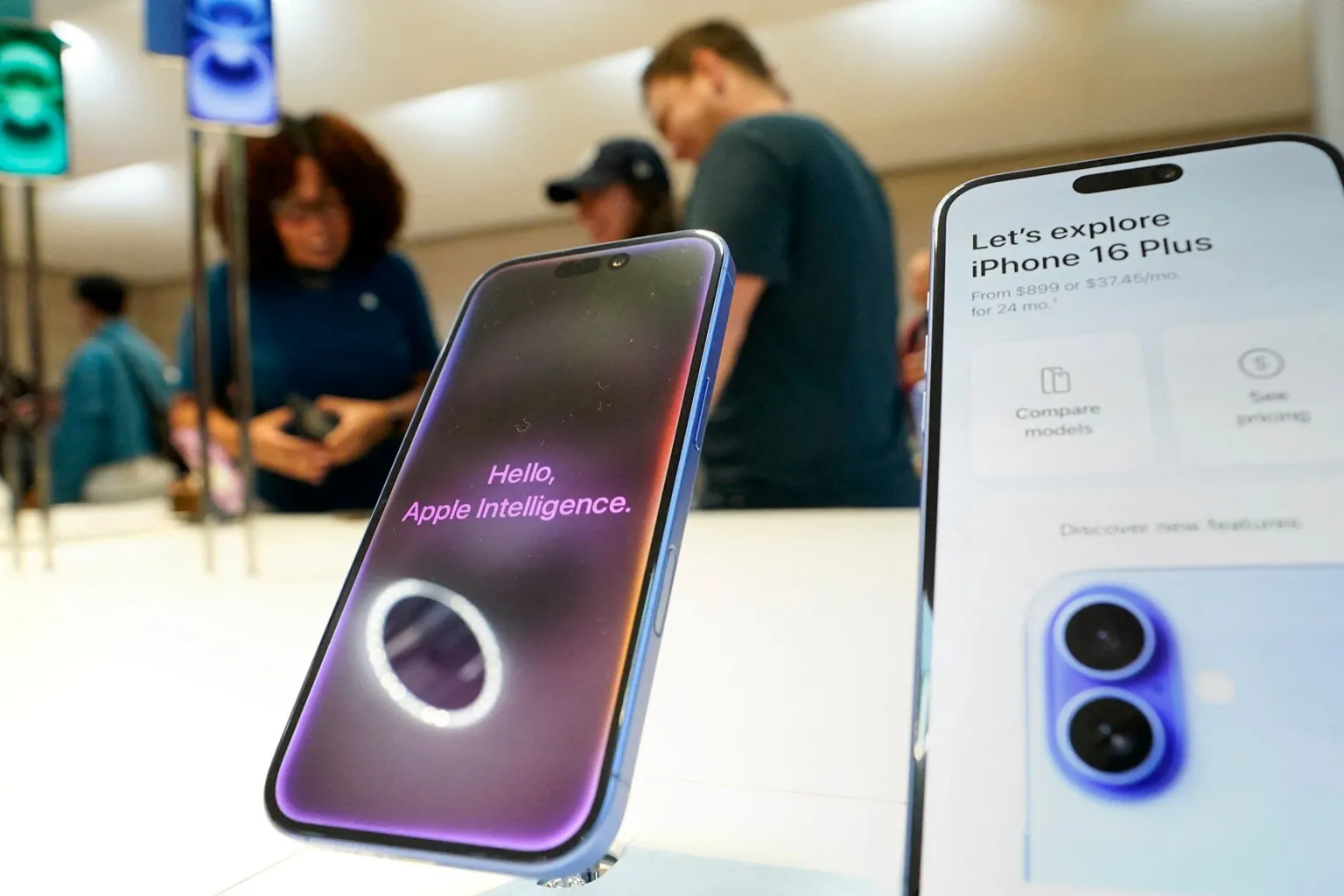
Apple has agreed to a $250 million settlement to resolve a class-action lawsuit accusing the company of false advertising regarding its artificial intelligence capabilities, particularly concerning the virtual assistant Siri. The resolution, filed on Tuesday in California federal court, aims to put an end to claims that Apple misled consumers with marketing campaigns promoting features that were not yet available at the time of device purchase. This agreement, if approved by a judge, represents one of the largest settlements of its kind for Apple. The tech giant, facing increasing pressure to innovate in the rapidly evolving AI landscape, has been accused of overstating the immediate availability of its "Apple Intelligence" features, including a significantly revamped Siri. The lawsuit, brought on behalf of U.S. consumers, alleged that buyers were deceived into purchasing iPhones based on promises of advanced AI functionalities that were either non-existent or significantly delayed. The core of the dispute centers on the marketing surrounding the iPhone 16 and its advertised "Apple Intelligence" suite.
Allegations of Deceptive Marketing Practices
The crux of the legal challenge lies in Apple's promotion of "Apple Intelligence" and an "enhanced Siri" during the rollout of new iPhone models, notably the iPhone 16. Plaintiffs contend that these advertised AI advancements, touted as a major leap forward, were not present in the devices when they were released. Lawyers for the iPhone buyers argued that Apple's marketing campaign created a false impression, leading consumers to believe they were acquiring cutting-edge AI technology. The complaint stated that consumers "would not have purchased the Eligible Devices or would have paid significantly less, had they known Enhanced Siri features were not available." This alleged deception was particularly galling to consumers who were eager for the new AI capabilities, especially as competitors like Google and Samsung were actively deploying similar technologies. Apple's delay in delivering on its AI promises fueled consumer frustration and ultimately led to the class-action suit.
Terms of the Proposed Settlement
Under the terms of the proposed settlement, Apple will pay a total of $250 million to eligible iPhone owners. The settlement covers approximately 37 million devices purchased in the United States between June 10, 2024, and March 29, 2025. This includes all iPhone 16 models, as well as the iPhone 15 Pro and iPhone 15 Pro Max. Consumers who file a valid claim are expected to receive a minimum payment of $25 per eligible device. This amount could increase to as much as $95 per device, depending on the total number of claims submitted and other factors outlined in the court filing. Notification of eligibility and instructions for filing a claim will be sent to customers via email or mail. While Apple has agreed to the settlement, the company has not admitted any wrongdoing. In a statement, an Apple spokeswoman indicated that the company resolved the matter to maintain its focus on innovation. "We resolved this matter to stay focused on doing what we do best, delivering the most innovative products and services to our users," the company said, adding that it had already introduced dozens of features since launching Apple Intelligence.
The Race for AI Dominance
The lawsuit highlights the intense competition within the technology sector to lead in artificial intelligence. Apple, historically known for its user-friendly ecosystem and strong hardware, has faced scrutiny for its pace in developing and integrating advanced AI features compared to rivals. Competitors such as Google and Samsung have been more aggressive in rolling out AI-powered functionalities on their smartphones. This has placed pressure on Apple to demonstrate its own AI prowess, a pressure that some analysts suggest may have contributed to the aggressive marketing of "Apple Intelligence" before its full realization. Apple's chief executive, Tim Cook, has also faced criticism over the years for a perceived lack of groundbreaking innovation. The company's efforts to position "Apple Intelligence" as a transformative upgrade, particularly for Siri, were intended to address these concerns and reassert Apple's innovative leadership.
What Happens Next for Siri and Apple
The settlement is contingent on preliminary approval from a judge, with a court hearing scheduled for June. If the agreement receives judicial endorsement, the process of distributing payments to eligible consumers can commence. Apple has stated that it has already launched numerous "Apple Intelligence" features, including Visual Intelligence and Live Translations, and plans to release additional Siri-related AI functionalities in future software updates. The company is widely expected to unveil a significant Siri upgrade at its upcoming annual developer conference. This settlement underscores the critical importance of transparent communication in the tech industry, especially when marketing nascent technologies. For Apple, it serves as a costly reminder of the potential repercussions of overpromising and underdelivering in the high-stakes race for AI supremacy.
The bottom line
- Apple has agreed to a $250 million settlement in a U.S. class-action lawsuit over alleged false advertising of AI features.
- The lawsuit claimed Apple misled consumers about the availability of enhanced Siri and other "Apple Intelligence" capabilities.
- Eligible iPhone 15 and 16 owners who purchased devices between June 10, 2024, and March 29, 2025, could receive between $25 and $95.
- The settlement covers approximately 37 million devices and requires judicial approval.
- Apple maintains it is focused on delivering innovative products and has already released many AI features, with more planned.
- The case reflects the intense competitive pressure in the AI sector and the challenges of marketing rapidly developing technologies.



AMD Surges 12% After Earnings Beat as AI Chip Demand Drives Record Revenue Forecast

Micron Stock Surges 8.7% as Analysts Set Bold $1,000 Target on AI Memory Demand

Palantir Revenue Surges 85% as AI Demand Drives Record Growth