Three dead in suspected hantavirus outbreak on Antarctic cruise ship
WHO confirms one laboratory-confirmed case and five suspected infections on the MV Hondius, with a British citizen in intensive care in South Africa.
HONG KONG —
Key facts
- One laboratory-confirmed hantavirus case and five suspected cases on the MV Hondius.
- Three people have died: a 70-year-old Dutch man, his 69-year-old Dutch wife, and a German citizen.
- A 69-year-old British citizen is in intensive care in Johannesburg, South Africa, confirmed infected with a hantavirus variant.
- The MV Hondius departed Argentina about three weeks ago, visiting Antarctica, the Falkland Islands, and the Canary Islands.
- The ship is currently off the coast of Cape Verde with 149 people on board.
- Two crew members have developed acute respiratory symptoms, one mild and one severe.
- Hantavirus is primarily transmitted through contact with rodent excreta; human-to-human transmission is rare but possible.
- No specific antiviral treatment exists; supportive care is the main therapy.
A deadly voyage: the MV Hondius outbreak
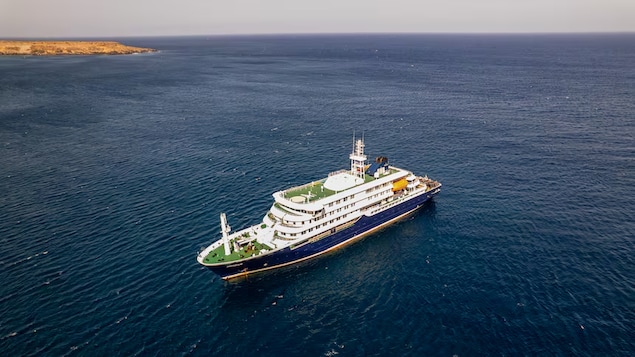
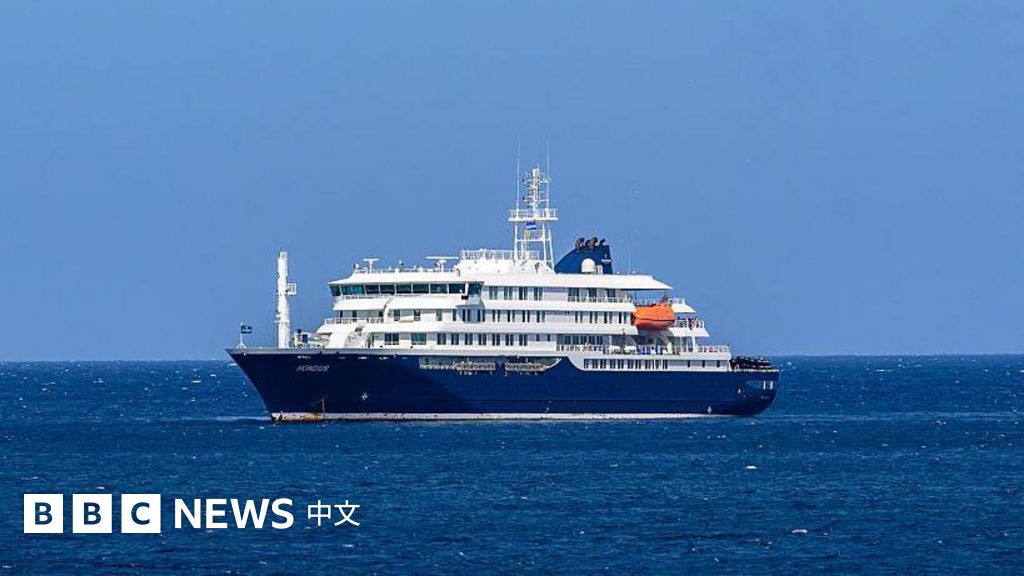
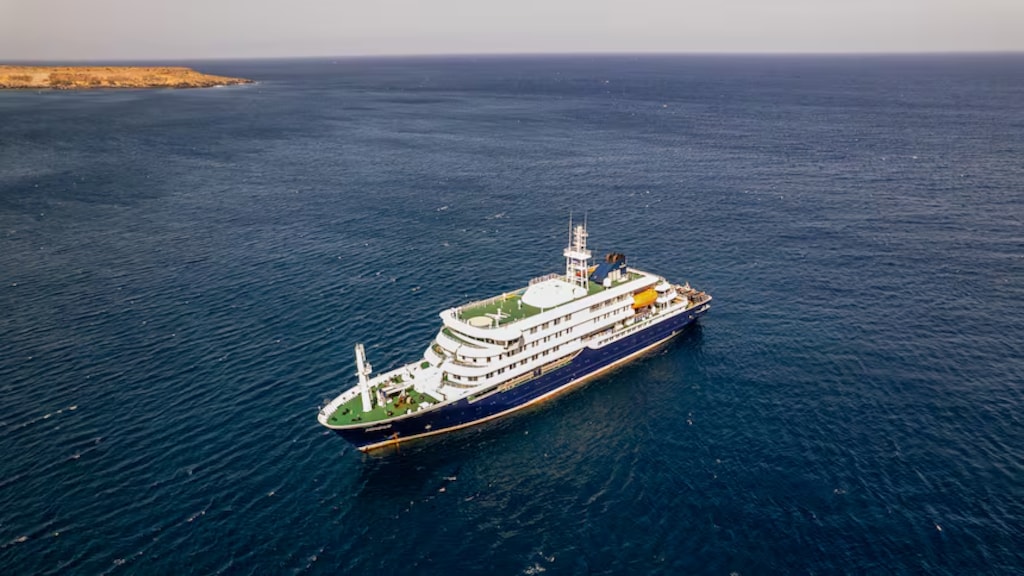
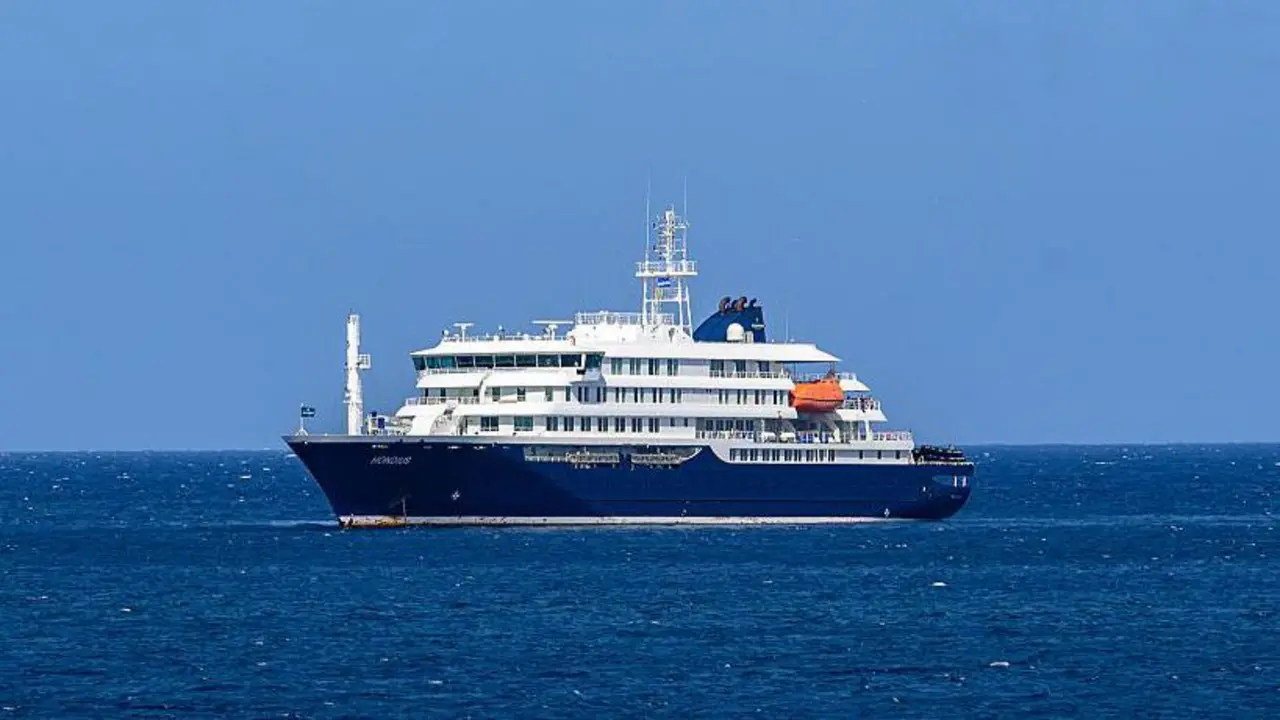
A suspected hantavirus outbreak on the polar cruise ship MV Hondius has claimed three lives and left a fourth person critically ill, the World Health Organization confirmed on Sunday. The vessel, operated by Oceanwide Expeditions, is currently adrift off the coast of Cape Verde with 149 passengers and crew aboard, as health authorities scramble to contain the spread. The first victim, a 70-year-old Dutch man, died on April 11 while the ship was at sea. His body was removed when the ship docked at Saint Helena on April 24. His 69-year-old wife, who had disembarked at Saint Helena, collapsed at an airport in South Africa while attempting to fly home to the Netherlands and later died in a hospital. A German citizen also died, though Oceanwide Expeditions stated that the cause of death has not yet been determined for these two individuals.
Confirmed infection and critical care
A 69-year-old British citizen, who fell severely ill near Ascension Island after the ship left Saint Helena, was medically evacuated to South Africa. He is now in intensive care at a Johannesburg hospital, where tests confirmed he is infected with a variant of hantavirus. His condition is described as critical but stable. Two crew members have also developed acute respiratory symptoms, one mild and one severe, and are receiving emergency medical care. Oceanwide Expeditions said no other individuals have shown symptoms so far. The company described the situation as a "serious medical incident" and is coordinating with local authorities.
WHO response and international coordination
The World Health Organization said it is supporting the response, including laboratory testing, epidemiological investigations, and viral sequencing. It has notified member states through the International Health Regulations and will publish a Disease Outbreak News update. The WHO is also coordinating with the cruise line to arrange medical evacuation for two symptomatic passengers and is conducting a full public health risk assessment for those remaining on board. WHO Director-General Tedros Adhanom Ghebreyesus emphasized that rapid, coordinated action is essential to control the risk and protect public health. The South African National Institute for Communicable Diseases is conducting contact tracing in the Johannesburg area to determine if any other individuals were exposed to the infected passengers.
Timeline and itinerary of the MV Hondius
The MV Hondius, a Dutch-flagged polar expedition vessel, departed Argentina approximately three weeks ago. Its itinerary included stops in Antarctica, the Falkland Islands, and the Canary Islands. On Sunday evening, the ship was anchored at Praia, the capital of Cape Verde, according to maritime tracking data. The first death occurred on April 11, but the ship continued its voyage. The body of the 70-year-old Dutch man was removed at Saint Helena on April 24. His wife disembarked there as well. The British patient fell ill near Ascension Island and was evacuated from there to South Africa. The ship now remains off Cape Verde with 149 people on board, including about 150 passengers originally and roughly 70 crew.
Hantavirus: a rare but severe zoonotic disease
Hantavirus is a genus of viruses primarily carried by rodents, transmitted to humans through contact with infected urine, feces, or saliva. The most common route of infection is inhalation of aerosolized particles from dried excreta. In rare cases, human-to-human transmission can occur, the WHO noted. Clinically, hantavirus causes two major syndromes: hemorrhagic fever with renal syndrome, common in Asia and Europe, and hantavirus pulmonary syndrome, more frequent in the Americas, which presents with sudden respiratory distress and shock and has a high fatality rate. The U.S. Centers for Disease Control and Prevention estimates that about 40% of hantavirus pulmonary syndrome cases are fatal. There is no specific antiviral treatment; supportive care, including oxygen therapy and intensive care, is the mainstay.
Prevention and future outlook
Preventing hantavirus infection relies on effective rodent control and hygiene measures, such as sealing entry points and wearing masks and gloves when cleaning potentially contaminated areas. The WHO stressed that while the virus can cause severe disease, timely medical intervention improves survival chances. The investigation into the outbreak is ongoing, with further laboratory tests and epidemiological studies underway. The WHO is assisting member states and the cruise company to ensure that all passengers and crew receive appropriate care. The incident raises questions about infection control on long-haul voyages and the challenges of managing rare zoonotic diseases in remote maritime settings.
Open questions and implications
It remains unclear how the passengers became infected, as hantavirus is not typically associated with cruise ships. The source of the virus—whether from rodents on board or during shore excursions—has not been identified. Oceanwide Expeditions has not confirmed a link between the earlier deaths and the current medical situation. The outbreak underscores the vulnerability of closed environments like cruise ships to emerging infectious diseases. As global travel resumes, health authorities are likely to scrutinize sanitation and surveillance protocols on expedition vessels. The WHO's involvement signals the seriousness of the event and the need for international cooperation in outbreak response.
The bottom line
- Three people have died and one is critically ill in a suspected hantavirus outbreak on the MV Hondius cruise ship.
- The WHO has confirmed one case and is investigating five suspected cases; human-to-human transmission is rare but possible.
- The ship's itinerary included Antarctica, the Falklands, and the Canary Islands; it is now off Cape Verde with 149 aboard.
- No specific treatment exists for hantavirus; supportive care is critical for survival.
- The source of infection remains unknown, and investigations are ongoing.
- The incident highlights the challenges of managing rare zoonotic diseases in remote maritime settings.



Rockets Force Game 6 as Lakers' Offensive Woes Deepen Without Dončić

Chelsea's Champions League Hopes Crushed After Sixth Straight Defeat

Microsoft's Viva Insights Now Tracks Employee AI Usage with Internal Leaderboards