Jannik Sinner Accepts Three-Month Ban After WADA Appeal, Admits to Dark Moments
The world No.1 says he considered quitting tennis during the doping saga, while rivals question the leniency of a suspension that lets him keep all major titles.
HONG KONG —
Key facts
- Sinner tested positive for clostebol in 2024 but was initially cleared by ITIA as 'inadvertent ingestion'.
- WADA appealed, leading to a three-month ban from February 9 to May 4, 2025.
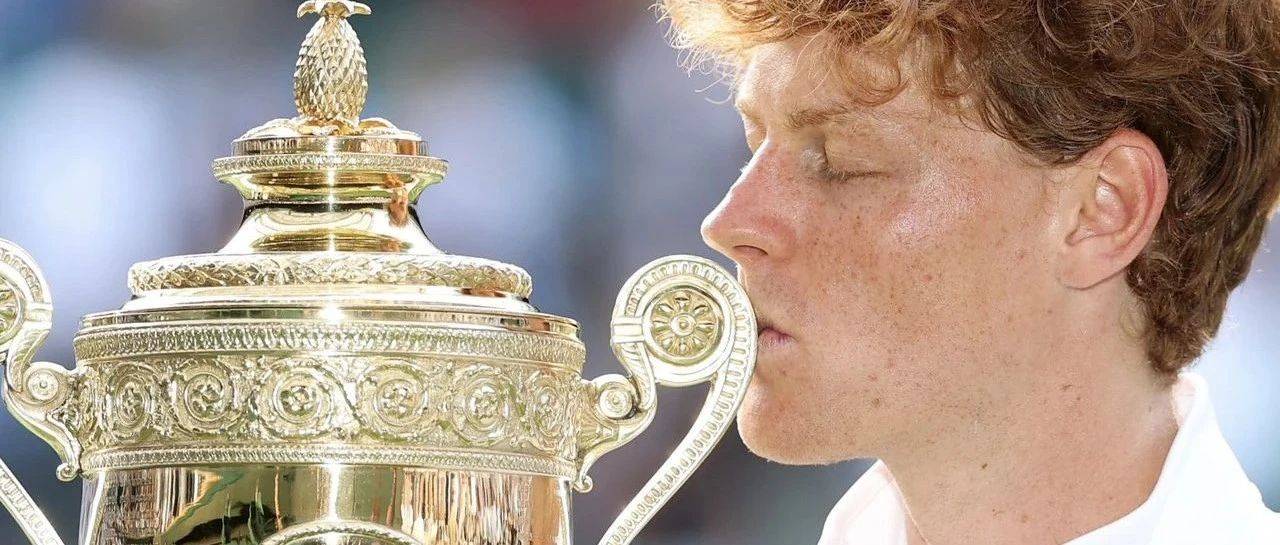
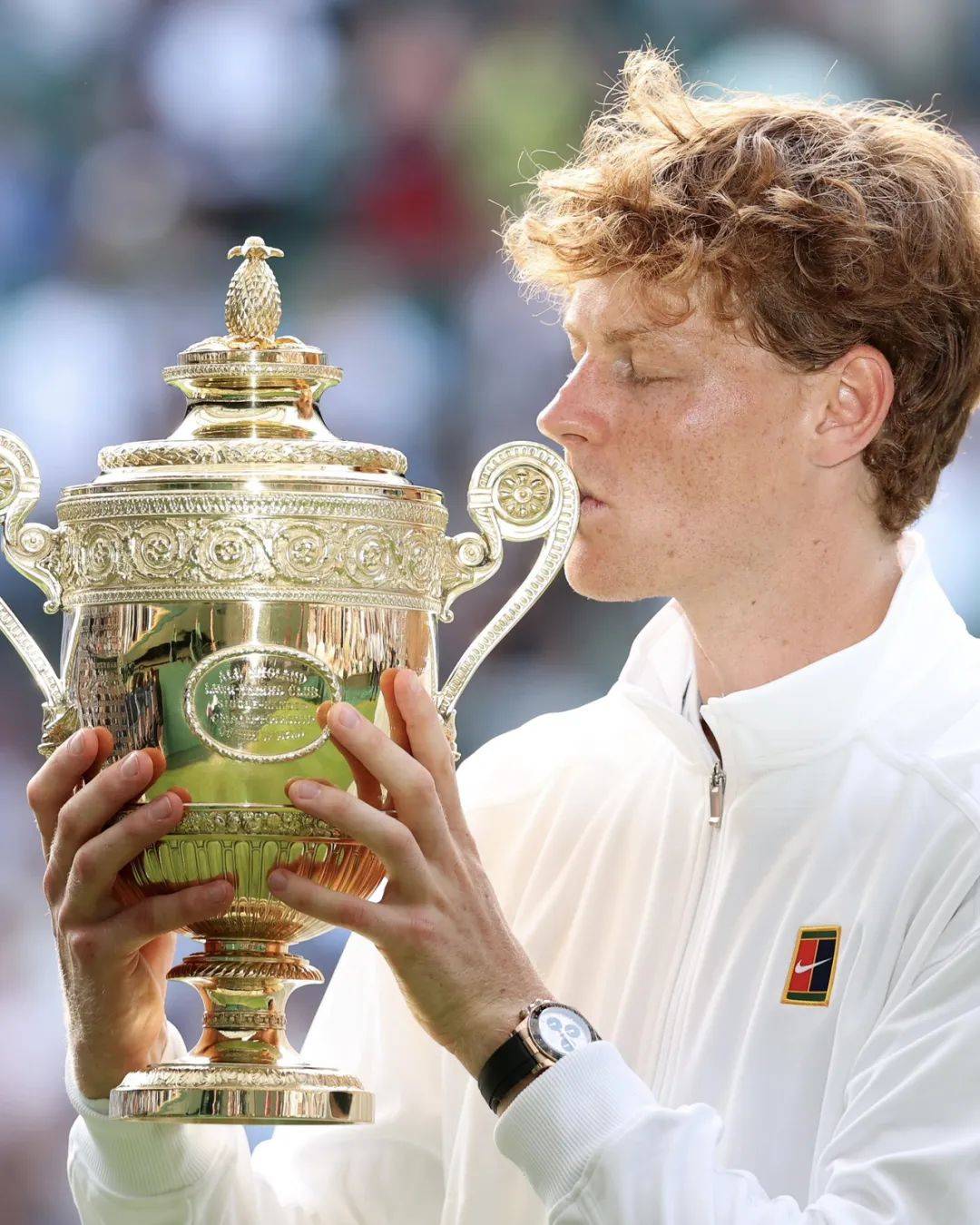
- Sinner won the 2025 Wimbledon title and the 2024 Australian and US Opens during the saga.
- He became the youngest player to reach all nine Masters 1000 finals, surpassing Djokovic.
- Sinner will miss Indian Wells, Miami, Monte Carlo, and Madrid but return for Rome and the French Open.
- Critics include Djokovic, Kyrgios, Wawrinka, and Zverev, who question the timing and leniency.
A Champion's Agony: Sinner Opens Up About the Toll of the Doping Case
Jannik Sinner, the world No.1 and reigning Wimbledon champion, has revealed that he contemplated walking away from tennis during the protracted doping controversy that ended with a three-month suspension. In an interview with Italian state television, Sinner said, 'Accepting a three-month ban was very difficult for me because I know I did nothing wrong. Why should I pay such a price?' He added that after discussions with his lawyers about the worst-case scenario, he decided to accept the agreement. The 25-year-old Italian described the period before this year's Australian Open as deeply unhappy. 'I felt uncomfortable in the locker room and dining area. The looks from other players had changed. I told myself, maybe after the Australian Open I should take a break,' he said. Despite the turmoil, Sinner successfully defended his Australian Open title in January, his third Grand Slam crown, before the WADA deal was finalized in February.
The Deal That Ended the WADA Appeal
The case began when Sinner tested positive for the anabolic agent clostebol in 2024. The International Tennis Integrity Agency (ITIA) initially ruled the doping was inadvertent and imposed no penalty. However, the World Anti-Doping Agency (WADA) appealed the decision to the Court of Arbitration for Sport (CAS), seeking a longer ban. In February 2025, WADA announced that Sinner had accepted a three-month suspension, effective from February 9 to May 4, and that WADA would withdraw its CAS appeal, which had been scheduled for a hearing in April. Sinner's ban means he will miss the 'Sunshine Double' at Indian Wells and Miami, as well as the Monte Carlo and Madrid Masters. He is scheduled to return at the Italian Open in Rome in May and will be eligible for the French Open, which begins later that month. Notably, the suspension does not strip him of any titles, including his 2024 US Open and Australian Open victories, or his 2025 Wimbledon triumph.
A Storm of Criticism: Rivals Cry Foul Over Perceived Double Standards
The resolution has sparked widespread anger among current and former players, who accuse tennis authorities of favoritism. Novak Djokovic called the outcome 'too coincidental' and suggested bias. Nick Kyrgios declared it 'a sad day for tennis' on the day of WADA's announcement. Stan Wawrinka said he no longer believes in clean sport, while Alexander Zverev, the Australian Open runner-up, argued that if Sinner was innocent, he should not have been banned at all. Critics point out that Sinner's positive test was not made public immediately, allowing him to appeal successfully to avoid a provisional suspension and win the US Open while the case was under wraps. The fact that he missed no Grand Slams and will return just in time for the French Open has fueled accusations of a lenient deal designed to protect a star player.
The Timeline: From Positive Test to Three-Month Ban
Sinner's doping violation came to light after two positive tests for clostebol in 2024. The ITIA accepted his explanation of inadvertent contamination and cleared him. WADA appealed, seeking a ban of one to two years. On February 9, 2025, the three-month suspension began. It will end on May 4, allowing Sinner to compete in the Rome Masters starting the following week and the French Open later in May. During the period between the positive tests and the ban, Sinner won the 2024 US Open and the 2025 Australian Open. He also captured his first Wimbledon title in July 2025, defeating Carlos Alcaraz 4-6, 6-4, 6-4, 6-4 in the final. His career prize money now exceeds $30 million, and he has cemented his position as world No.1.
Sinner's Response: 'I Don't Want Anyone Innocent to Go Through This'
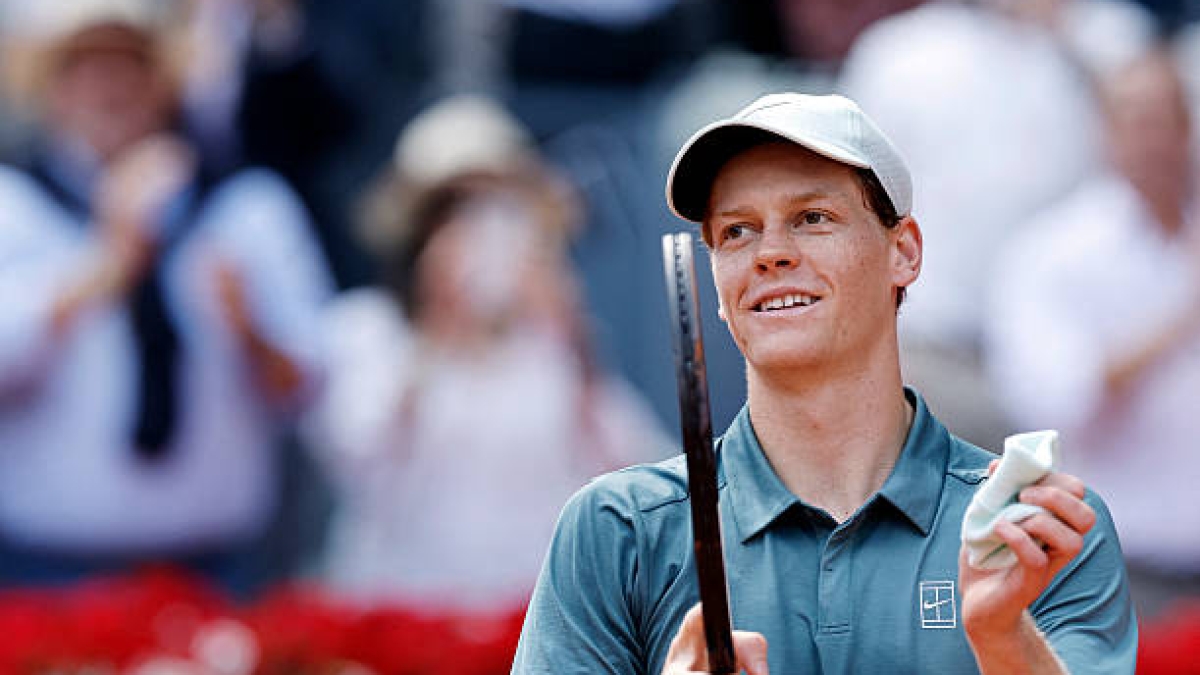
Sinner has declined to engage directly with his critics, stating, 'I don't want to respond to these things. Everyone is free to express their opinion. For me, what matters is that I know the truth. I don't want any innocent person to go through what I have experienced.' He acknowledged that the ordeal tested his mental resilience and that he considered stepping away from the sport entirely. Despite the controversy, Sinner's on-court achievements have continued to mount. In May 2026, he became the youngest player in history to reach the final of all nine ATP Masters 1000 tournaments, surpassing the previous record held by Novak Djokovic. He also won the Madrid Open that month, defeating Alexander Zverev in the final.
The Broader Debate: Clean Sport and Unequal Justice
The Sinner case has reignited debate about consistency in anti-doping enforcement. Hong Kong Baptist University professor Liu Yongsong, an expert in sports science, commented on the 'ambiguous' nature of WADA's statement, suggesting that the handling of the case raises questions about fairness. The fact that Sinner's ban was backdated and timed to avoid missing any Grand Slams has led to accusations that the system protects top players. As Sinner prepares to return to competition in Rome, the tennis world remains divided. For his supporters, the case is closed; for his detractors, it is a stain on the sport's integrity. Sinner himself has said he hopes to move forward, but the scars of the past year are likely to linger.
The bottom line
- Sinner accepted a three-month ban to avoid a potentially longer suspension at CAS, despite maintaining his innocence.
- The ban allows him to keep all his Grand Slam titles and return for the French Open, fueling accusations of favoritism.
- Top players including Djokovic, Kyrgios, Wawrinka, and Zverev have publicly criticized the outcome.
- Sinner admitted he considered quitting tennis during the ordeal, calling it the most difficult period of his career.
- The case highlights ongoing concerns about double standards in anti-doping enforcement in professional tennis.