Eurovision Faces Security Scrutiny Amid Israel Participation Row
The 70th edition of the world's largest live music event in Vienna is shadowed by controversy, with several nations boycotting over Israel's war in Gaza.
IRELAND —
Key facts
- The 70th Eurovision Song Contest takes place in Vienna next week.
- 35 countries are participating, the lowest number since 2004.
- 95,000 tickets have been sold to fans from 75 countries.
- 166 million viewers watched the 2025 contest.
- Finland, Greece, Denmark, Australia, and France are bookmakers' favourites.
- Romania's entry 'Choke Me' has sparked controversy.
- Iceland, Ireland, the Netherlands, Slovenia, and Spain are boycotting.
Vienna Prepares for Eurovision Under Tight Security
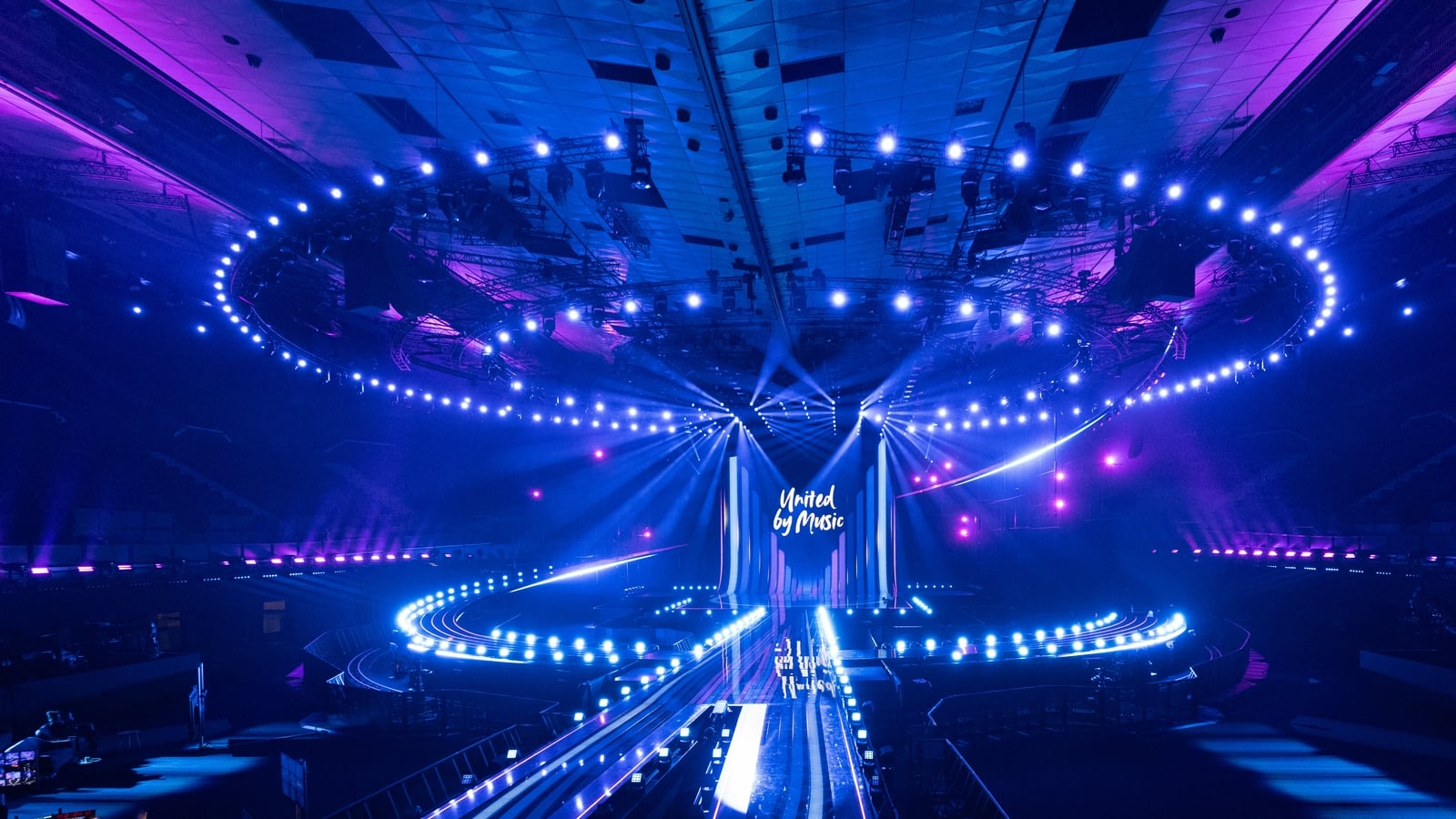
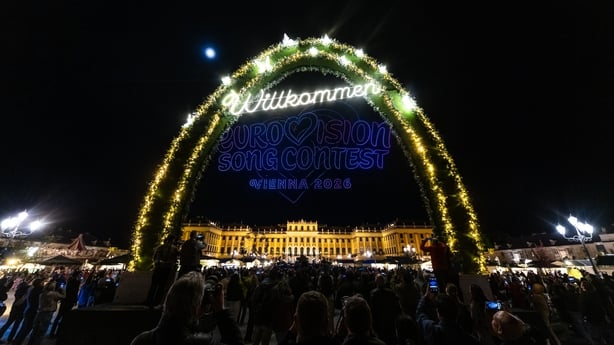
Vienna is gearing up to host the 70th Eurovision Song Contest, the world's largest live televised music event, under a heightened security presence. The festive atmosphere is tempered by controversy surrounding Israel's participation in the competition, a recurring point of contention in recent years. The event, scheduled to feature glittering performances, will unfold against a backdrop of geopolitical tension. The contest will bring together participants from 35 countries, marking a decrease from previous years and the lowest turnout since entry rules were expanded in 2004. This reduced participation is largely attributed to several nations withdrawing in protest over Israel's ongoing military operations in Gaza. The semi-finals are set for next Tuesday and Thursday, with the grand final concluding the competition on Saturday at the Wiener Stadthalle. Organisers anticipate a significant global audience, with 95,000 tickets sold to fans hailing from 75 countries worldwide. The European Broadcasting Union (EBU) has noted particularly strong demand from the United States, Australia, Brazil, Japan, and South Africa.
Controversy and Boycotts Define the 2025 Contest
The participation of Israel has led to a significant number of boycotts, with Iceland, Ireland, the Netherlands, Slovenia, and Spain all opting out of this year's contest. These nations have cited Israel's war in Gaza as the reason for their withdrawal, highlighting the growing political sensitivities surrounding the event. Conversely, Bulgaria, Moldova, and Romania are making a return to the Eurovision stage. This year's edition sees a departure from the strong folkloric trends often seen from Eastern European countries seeking to assert post-Soviet identity, though Moldova stands as an exception. Bookmakers have positioned Finland, Greece, Denmark, Australia, and France as the frontrunners to claim victory. The EBU data from 2025 indicated a substantial viewership of 166 million people tuning in to witness the iconic opening bars of the contest's theme, Marc-Antoine Charpentier's Te Deum.
Romania's 'Choke Me' Sparks Debate
Adding to the pre-contest buzz, Romanian entrant Alexandra Căpitănescu's song 'Choke Me' has ignited controversy. The lyrics have drawn criticism for allegedly promoting themes associated with strangulation during sexual activity. However, Căpitănescu, aged 22, has defended her song, asserting that it was never intended to have sexual connotations. She explained that the lyrics are meant to convey a message about reclaiming control over anxiety and overwhelming emotions that can feel suffocating. This type of provocative content aligns with Eurovision's historical "Eurotrash" tradition, described by Galina Miazhevich, an expert from Cardiff University, as a "playful challenge of the good taste by the bad taste." This tradition allows for a certain level of boundary-pushing within the contest's framework.
Navigating Political Waters and New Rules
While many performers opt for English, the Eurovision Song Contest continues to embrace linguistic diversity, featuring numerous songs in a variety of languages. This multilingual aspect remains a hallmark of the competition, reflecting the broad European cultural landscape. New regulations implemented in 2024 place the responsibility on artists to avoid politicising the contest. Eurovision historian Dean Vuletic noted that these rules are designed to maintain the event's focus on music and entertainment, with potential sanctions looming for those who disregard them. The decision by Australia to send the accomplished 41-year-old singer Delta Goodrem has generated considerable media interest, adding another layer of curiosity to this year's lineup. The contest, therefore, presents a complex interplay of musical talent, cultural expression, and evolving regulatory frameworks.
The bottom line
- The 70th Eurovision Song Contest in Vienna is under heightened security due to controversy over Israel's participation.
- Several countries, including Ireland and Spain, are boycotting the event in protest of the war in Gaza.
- Romania's entry 'Choke Me' has become a point of contention, though the artist denies sexual interpretations.
- New rules aim to prevent the politicisation of the contest, with potential sanctions for violations.
- Despite controversies, 35 countries are participating, and strong global ticket sales indicate continued international interest.
- Finland, Greece, Denmark, Australia, and France are considered the favourites to win.

Jon Rahm Settles DP World Tour Dispute, Secures Ryder Cup Eligibility for 2027

Cancer survivor wins unfair dismissal appeal in Birmingham case