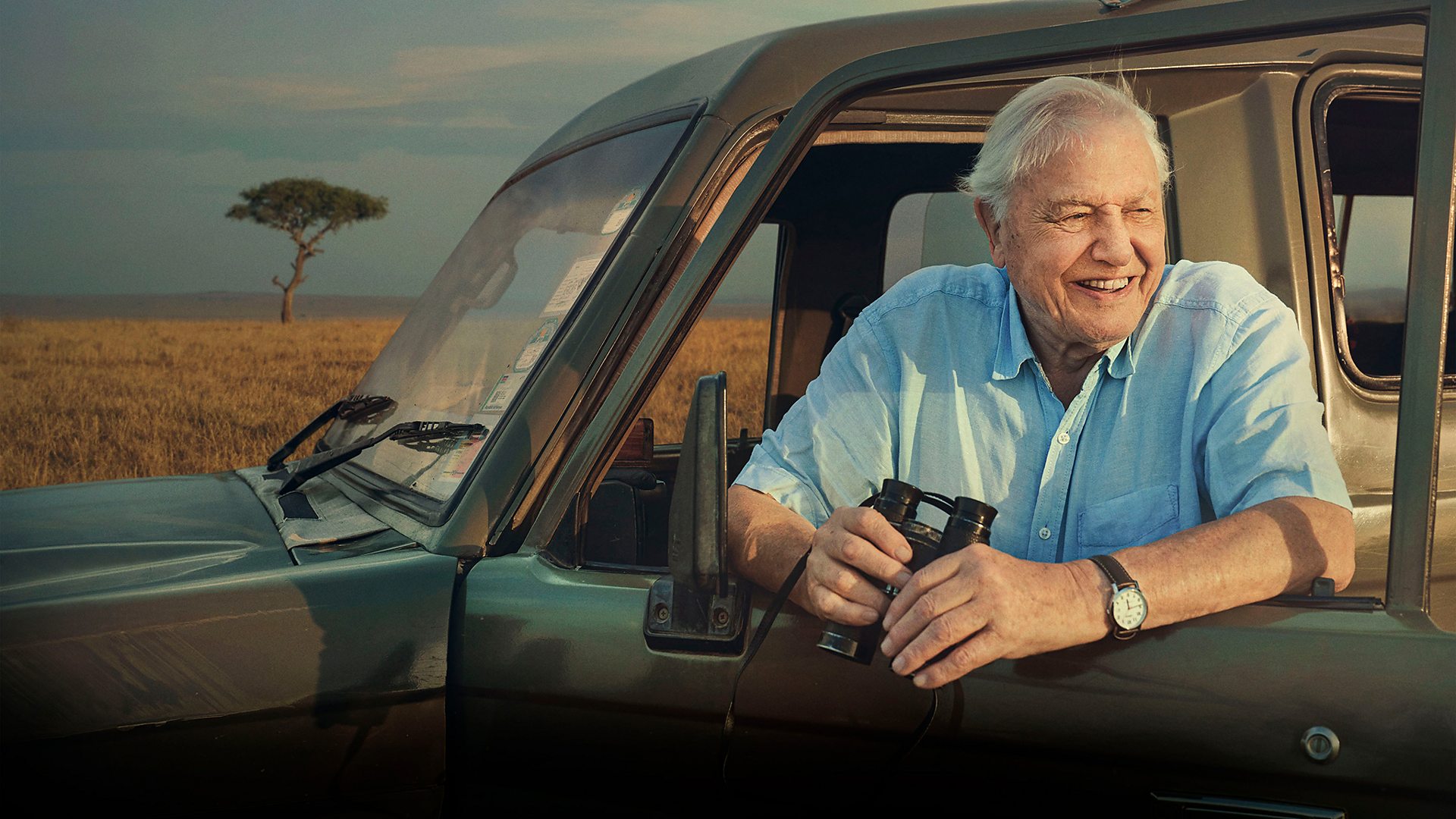
Attenborough at 100: The untold perils behind Life on Earth's greatest moments
A new documentary reveals the coups, gunfire and near-disasters that marked the making of the BBC's landmark natural history series as its presenter turns 100.

IRELAND —
Key facts
- Sir David Attenborough turns 100 on 8 May 2026.
- Life on Earth aired in 1979, watched by 500 million people worldwide.
- The series took three years to film, covering 40 countries and a million miles.
- The crew filmed over 600 species, including the first-ever footage of lions hunting wildebeest.
- Attenborough quit his BBC management career to avoid becoming director-general and joined the Natural History Unit in Bristol.
- The team faced a coup in the Comoros Islands in 1978, threats from Saddam Hussein's army in Iraq, and being shot at in Rwanda.
- The gorilla encounter in Rwanda is frequently voted one of the top TV moments of all time.
- Attenborough's latest series, Secret Garden, aired in early 2026, exploring UK backyard wildlife.
A gamble that changed television
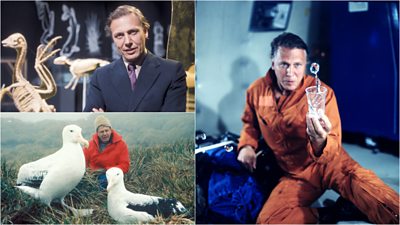
In 1976, David Attenborough walked away from the pinnacle of BBC management – he had narrowly avoided becoming director-general – to pursue a dream. He quit and joined the Natural History Unit in Bristol, betting that a sweeping, globe-spanning natural history series could capture the public imagination. That bet became Life on Earth, a 13-episode blockbuster that aired in 1979 and drew 15 million viewers per episode in the UK alone. The series, now 50 years since production began, is widely regarded as a landmark. It established the template for every subsequent BBC nature epic: expansive, expensive, dazzlingly informative. Pubs reportedly grew emptier on Tuesday nights as the nation stayed home to watch. Attenborough, celebrating his 100th birthday this week, had changed television history.
A three-year odyssey across 40 countries
The production spanned three years, travelling to 40 countries and covering a million miles. The crew filmed over 600 species, from giant tortoises in the Galápagos to coelacanths in the Comoros. Attenborough’s allergy to donkeys forced a climactic shot at the Grand Canyon to be filmed from a distance because his eyes had swollen shut. In the Galápagos, giant tortoises trampled the guy ropes of the crew’s tents. In Tanzania, the team became the first film-makers to capture lions hunting wildebeest – a feat that hinged on a last-second decision about where to park a Land Rover. Each journey, associate producer Mike Salisbury recalled, was an ambitious undertaking on its own; completing scores of them in sequence was unprecedented.
Coups, gunfire and a close call in Rwanda
The filming was repeatedly imperilled by geopolitics. In the Comoros Islands in 1978, a political coup led to the loss of filming permits. Attenborough smoothed things over by addressing the authorities in fluent French. The elusive coelacanth, a key species for the series’ narrative on evolution, initially had to be represented by a dried specimen found in a glass case in a local bar. Worse followed when Attenborough insisted on filming artefacts of early human writing in Iraq, then on the brink of war with Iran. Salisbury was sent ahead on a reconnaissance mission because, he joked, his imprisonment by Saddam Hussein’s regime would be less damaging than if Attenborough were taken hostage. Salisbury once leant across a distracted official’s desk, stamped the team’s passports himself, and fled. The most harrowing moment came in Rwanda: after filming the now-iconic gorilla encounter, the crew was intercepted on the way to the airport and taken to an army compound in Kigali, where for a time they feared they might be shot.
The moment that made David Attenborough
The gorilla sequence, shot in Rwanda, has been replayed countless times but never loses its power. Attenborough, whispering, says: “There is more meaning and mutual understanding in exchanging a glance with a gorilla than any other animal I know.” That moment, the documentary argues, is when David Attenborough became David Attenborough. It almost never aired. The film canisters containing the footage were in the team’s luggage when they were detained. They eventually secured their release and returned home. Life on Earth went on to be broadcast in 1979 and watched by 500 million people worldwide, confirming Attenborough’s reputation as the most successful and influential wildlife filmmaker of his time.
A century of curiosity and refusal to retire
Attenborough’s longevity is not merely a matter of luck, though he acknowledges that too. “I don’t believe it, really,” he said in 2016 when asked about turning 90. “The only conclusion you can have is that by God, you are lucky.” He has long rejected the idea of retirement. “Retiring? I can’t imagine why I would want to: this is such fun,” he told The Telegraph in 2010. In a 2018 Radio Times interview, he said: “I do dread not working… I’m swanning round the world looking at the most fabulously interesting things.” Even in his 90s, he continued presenting new series: at 95 he presented multiple programmes, at 97 he brought Planet Earth III to the BBC, and in early 2026 his latest series, Secret Garden, explored wildlife in British backyards. He has cut back on red meat and adopted an increasingly vegetarian diet. He acknowledged in 2017 that he sometimes struggles to recall specific words – on location in Switzerland he forgot the name of oil seed rape – but he remains engaged.
Lessons from a life fully lived
For those born in the 1920s, Attenborough has been an inspiration. Ivanna Mascak, 97, from west London, said: “He is an inspiration to older people like me… You don’t see many people of his age having such important jobs. I have tried to do something similar, keeping myself busy… I take naps, but I don’t sit around letting my legs give up.” Attenborough himself has said: “Putting your feet up is all very well, but it’s very boring, isn’t it?” His centenary is being marked by a week-long celebration on the BBC, including the documentary Making Life on Earth: Attenborough’s Greatest Adventure, which airs on 3 May, and the final episode of Secret Garden. The programmes are a testament to a career that has spanned decades and changed how the world sees the natural world.
The bottom line
- Attenborough turned 100 on 8 May 2026, still active and presenting new series.
- Life on Earth, now 50 years since production began, set the template for modern wildlife filmmaking.
- The series involved filming in 40 countries over three years, covering a million miles and 600 species.
- The crew survived a coup, threats from Saddam Hussein's regime, and a near-fatal detention in Rwanda.
- The gorilla encounter in Rwanda is considered the moment that defined Attenborough's career.
- Attenborough has refused to retire, citing the joy of work and curiosity about the natural world.



Wu Yize Leads Shaun Murphy 10-7 in World Championship Final After Stunning Semi-Final Comeback

Celtics' 3-1 Collapse to 76ers Ends Season in First-Round Stunner
Bath Fall Short in Champions Cup Semi-Final as Bordeaux Dominate 38-26