Simeone's Atletico Madrid Exit Champions League, Future in Doubt
Defeat to Arsenal in the semi-finals caps a season of unmet expectations, intensifying scrutiny on the long-serving manager.

IRELAND —
Key facts
- Atletico Madrid lost 1-0 to Arsenal in the Champions League semi-finals, exiting the competition 2-1 on aggregate.
- Diego Simeone has managed Atletico Madrid since December 2011, making him one of the longest-serving managers in Europe.
- Atletico Madrid have not won silverware since the 2020-21 season.
- The club reached the Champions League final twice under Simeone, in 2014 and 2016.
- Atletico Madrid are currently fourth in La Liga, 16 points behind leaders Barcelona.
- Simeone's contract with Atletico Madrid extends until June 2027.
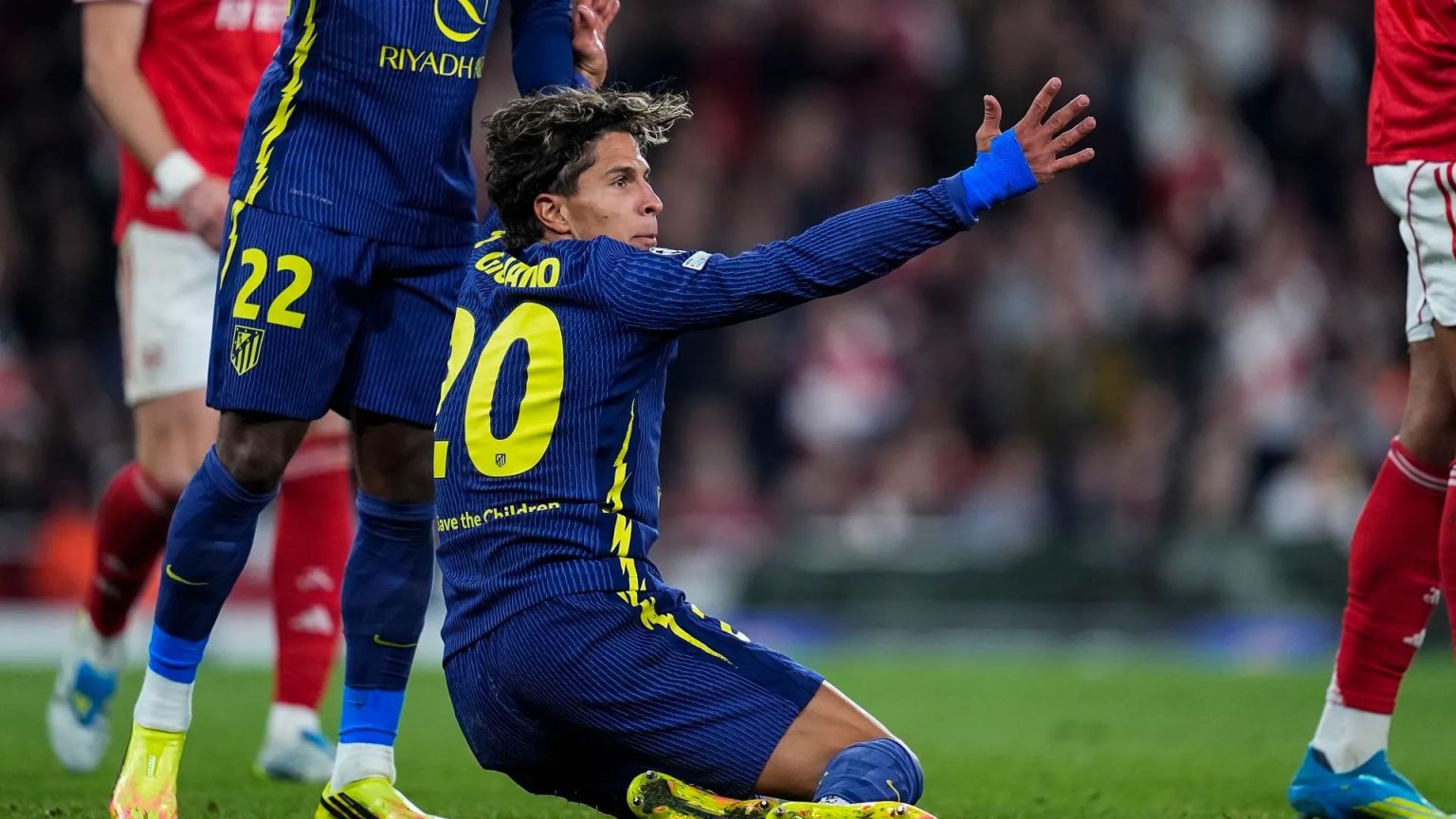
- The club has reportedly signed Alex Baena and Ademola Lookman, and previously added Julian Alvarez, Conor Gallagher, and Alexander Sorloth.
Champions League Dreams Shattered
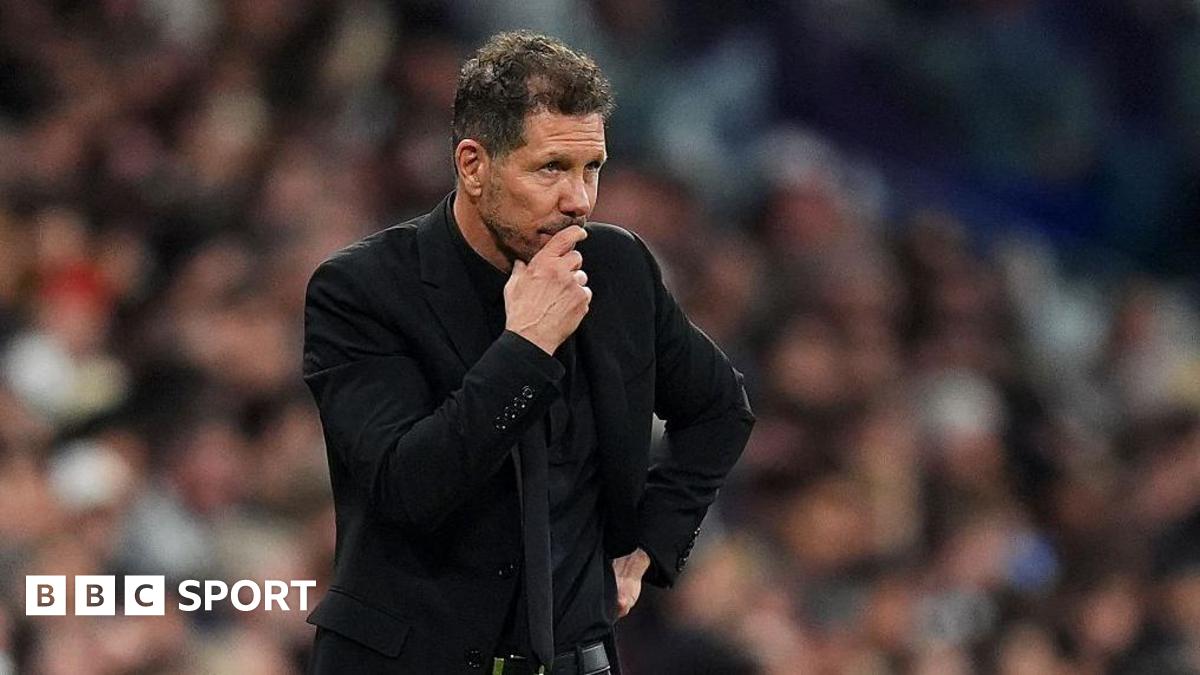
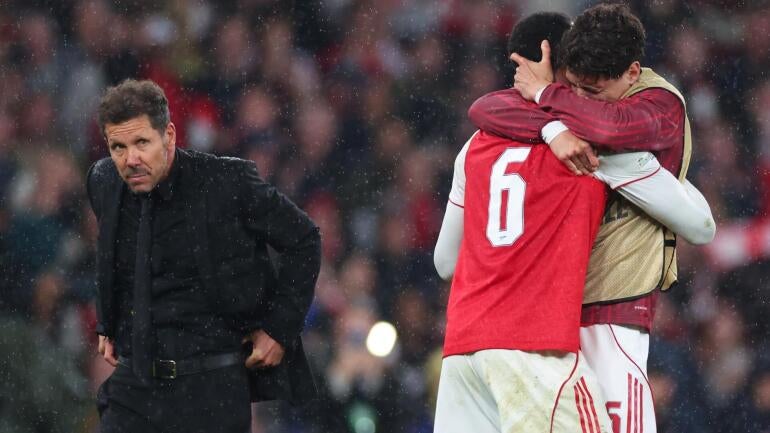
Atletico Madrid's aspirations of European glory were extinguished on Tuesday with a 1-0 defeat to Arsenal, sealing a 2-1 aggregate loss in the Champions League semi-finals. The result marks another season where 'what-ifs' loom large over the club and intensifies questions surrounding the future of their iconic manager, Diego Simeone. This exit follows a campaign where the team, despite shifting towards a more attacking style, ultimately fell short against a formidable opponent. The club has already seen a significant departure with Antoine Griezmann joining Orlando City SC on a free transfer, signalling the end of an era. However, the focus now sharpens on Simeone, whose tenure has defined a generation of Atletico Madrid football. The team's performance in the Champions League, where they were the third-highest scoring side with 34 goals, was juxtaposed by defensive frailties, conceding 28 goals in 16 matches. This defensive vulnerability was particularly stark in the decisive semi-final clash. Across two legs, Atletico Madrid managed only two shots on target against Arsenal, registering a mere 0.53 expected goals. The club had invested heavily in talent, signing players like Alex Baena and Ademola Lookman, alongside previous acquisitions such as Julian Alvarez, Conor Gallagher, and Alexander Sorloth, on substantial fees, with the explicit aim of challenging for major honours. The failure to deliver in key moments has led to a critical re-evaluation of the team's direction.
An Enduring Legacy Under Scrutiny
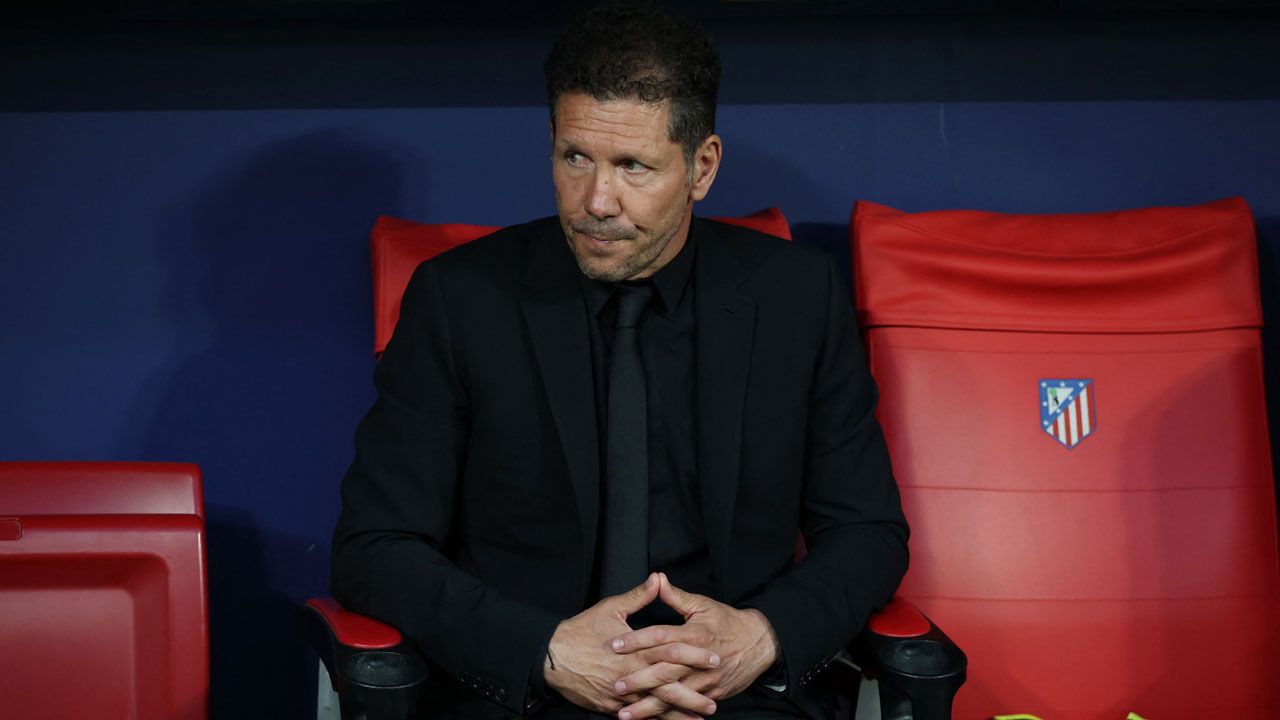
Diego Simeone has been at the helm of Atletico Madrid since December 2011, a period that has transformed the club from an under-performing entity into a consistent European contender. His tenure, spanning over 14 years, has seen Atletico win two La Liga titles, two Europa Leagues, a Copa del Rey, and a Spanish Super Cup. He is currently the second-longest-serving manager in Europe's top five leagues, surpassed only by Frank Schmidt of FC Heidenheim, who has been in his post since 2007. Simeone's influence is undeniable. He inherited a team that had qualified for the Champions League only eight times before his arrival; under his guidance, they have become regulars in the competition, reaching the final twice. His arrival marked a significant shift, with the club winning their first La Liga title in 18 years in 2014 and again in 2021, breaking the duopoly of Real Madrid and Barcelona. He was also a part of the 1996 title-winning squad as a player. However, the passage of time and a lack of recent success have begun to cast a shadow. With no silverware secured since the 2020-21 season, questions are mounting about whether Simeone can recapture the magic that brought such highs to the club, or elevate them to the ultimate prize of a Champions League title. The current sporting landscape is evolving, and the club's faithful are divided on whether their future should remain anchored to 'El Cholo'.
Shifting Tactics and Persistent Doubts
This season saw a notable evolution in Atletico Madrid's playing style under Simeone. The team adopted a more attacking approach, evidenced by their status as the third-highest scoring team in the Champions League with 34 goals. This departure from their traditional defensive solidity, however, coincided with increased vulnerability at the back, as they conceded 28 goals across 16 matches, a figure second only to Qarabag among the semifinalists. The strategic shift, while aiming for greater offensive potency, did not yield the desired trophies. In the Copa del Rey final, Atletico fell to Real Sociedad, a club with a similarly long drought for silverware, who last won the competition in the 2019-20 season. This inability to secure a title, especially in a season where traditional powerhouses like Barcelona and Real Madrid have shown periods of weakness, has amplified concerns about Simeone's capacity to deliver major honours. The club's management faces a complex decision. Moving on from a figure as ingrained as Simeone is a monumental task, and the club has clearly attempted to evolve its strategy. Yet, if the current approach, bolstered by significant player investment, cannot yield top-tier success, particularly when rivals falter, the justification for maintaining the status quo becomes increasingly difficult to sustain.
A Managerial Record of 786 Games
Diego Simeone's extensive record at Atletico Madrid is one of the most impressive in modern football. He has overseen 786 matches in charge, securing 465 wins, 170 draws, and 151 defeats. This remarkable longevity is a testament to his impact and the club's consistent faith in his leadership. His journey began in December 2011, when Atletico provided him with his first significant managerial role in European football. Prior to this, he had achieved success in Argentina with River Plate and Estudiantes, and had also managed to save Italian side Catania from Serie A relegation. At the time of his appointment, Atletico were languishing in 10th place in La Liga, 21 points off the leaders, and had recently been eliminated from the Copa del Rey by a third-tier club. Simeone's immediate impact was profound. He led Atletico to Europa League glory in his first season, followed by the UEFA Super Cup and Copa del Rey triumphs in the 2012-13 campaign. From the 2013-14 season onwards, the club became a consistent fixture in the Champions League, a stark contrast to their pre-Simeone era. The two agonizing final defeats to Real Madrid in 2014 and 2016 underscore how close they came to ultimate European success under his tutelage.
The Shadow of New Stakeholders and Future Uncertainty
The landscape at Atletico Madrid is shifting, with the arrival of new majority stakeholders potentially ushering in an era of change. This new ownership may exert pressure for a managerial transition, adding another layer of complexity to Simeone's future. Despite his contract extending until June 2027, an air of uncertainty pervades discussions about what comes next for the club and its long-serving coach. Supporters are divided on whether Simeone remains the right man to lead the club forward. While his historical achievements are celebrated, the current lack of silverware and the team's performance in crucial matches have fueled debate. The club's current standing in La Liga, fourth place and 16 points behind leaders Barcelona, with multiple crucial encounters against them on the horizon, adds to the immediate pressure. As the football world prepares for a potential managerial merry-go-round following the World Cup, Atletico Madrid finds itself at a crossroads. The club has historically been reluctant to make abrupt changes, and Simeone's status as a club institution makes any decision particularly sensitive. However, the evolving nature of the sport and the club's ambitions necessitate a clear vision for the future, prompting consideration of all available options, both for the club and for Simeone himself.
The Final Frontier: Champions League Glory
For Atletico Madrid and Diego Simeone, the Champions League represents the final frontier, the ultimate prize that has eluded them despite multiple near misses. The semi-final exit against Arsenal underscores the persistent gap between the club's aspirations and their current reality on the European stage. Having reached the final twice, the sting of those defeats – particularly to fierce rivals Real Madrid – remains palpable. The narrative of Simeone's era is intrinsically linked to this competition; it is where his greatest triumphs and most profound heartbreaks have occurred. The club holds the record for the most Champions League matches played without ever lifting the trophy, a statistic that weighs heavily on their ambitions. This season's Champions League campaign, ending in the semi-finals, means that Atletico Madrid faces the prospect of finishing the season without any major silverware. Their league position, while respectable, is far from challenging for the title, and their Copa del Rey final loss further diminishes the season's potential achievements. The Champions League was, and remains, the most significant opportunity to salvage the campaign and provide a triumphant conclusion to an otherwise challenging year.
The bottom line
- Atletico Madrid's Champions League semi-final exit against Arsenal has intensified scrutiny on manager Diego Simeone's future.
- Despite a shift towards a more attacking style this season, Atletico conceded 28 goals in 16 Champions League matches.
- Simeone has managed Atletico since 2011, leading them to multiple domestic and European titles, but no silverware since 2020-21.
- The club has invested heavily in new players, but has failed to secure major honours this season, including a Copa del Rey final loss.
- New majority stakeholders at Atletico may push for managerial changes, despite Simeone's contract running until 2027.
- The Champions League remains the most coveted prize for Atletico Madrid, having reached the final twice under Simeone but never won it.

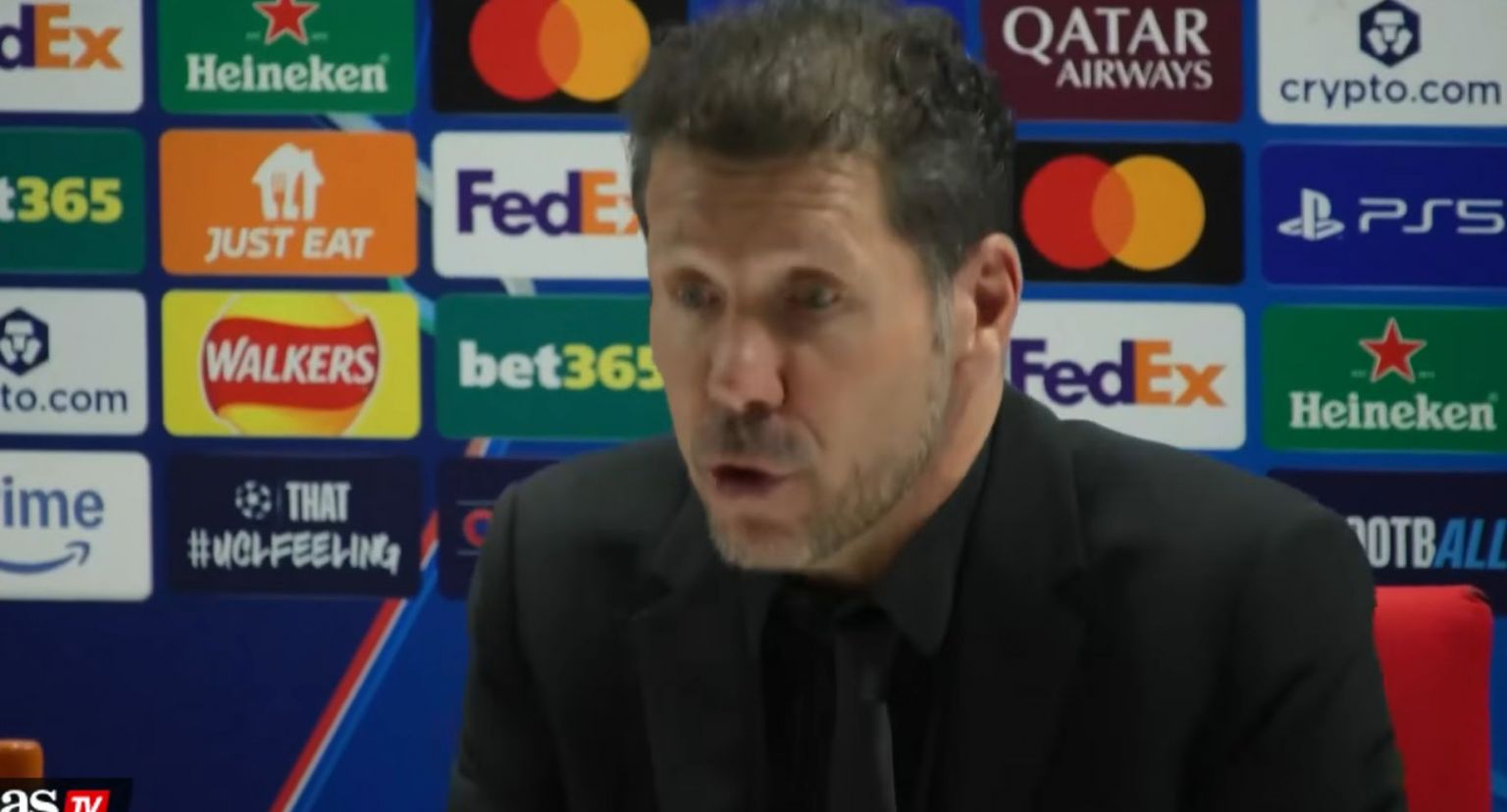
Arsenal Face Atletico Madrid in Champions League Semi-Final Second Leg with Final Berth at Stake
Wu Yize Becomes Second-Youngest Crucible Champion, Edges Shaun Murphy 18-17 in Thrilling Final

Doku's Curler Gives City 1-0 Lead at Everton as Guardiola's Side Chases Title