Google Unveils Screenless Fitbit Air, Integrates Health Data into New Google Health App
The lightweight wearable and revamped app aim to provide personalized health guidance, consolidating data from various sources.

IRELAND —
Key facts
- Google launches the Fitbit Air, a screenless wearable device.
- The Fitbit app is rebranded as the Google Health app.
- Google Health Coach, powered by Gemini, is now globally available.
- Fitbit Air costs $99, with a special edition at $129.
- Google Health Premium plans start at $9.99 per month or $99 per year.
- Fitbit Air is 25% smaller than Fitbit Luxe and 50% smaller than Inspire 3.
- The device weighs 12 grams with a band and 5.2 grams without.
A New Era for Google's Health and Wellness Offerings
Google is ushering in a significant transformation of its health and wellness ecosystem with the introduction of the Fitbit Air and the rebranding of its flagship application. The company aims to empower users with greater control over their health, offering continuous, proactive, and personalized guidance. This strategic shift consolidates Google's investments in health-related search queries, its Gemini app for wellness support, and its wearable technology, including the Pixel Watch and now the Fitbit Air. The Fitbit app is evolving into the Google Health app, featuring a new logo, interface, and expanded capabilities. This consolidated platform will integrate health data from a variety of sources, including wearable devices, Health Connect, Apple Health, and medical records, providing users with a holistic view of their well-being. The company also plans to enable secure data sharing with friends, family, and healthcare professionals in the near future. Existing Fitbit users will be automatically upgraded to the new Google Health app. Concurrently, Google is planning to migrate users of its Google Fit application into the new platform later this year, further centralizing its health data management for users.
Introducing the Fitbit Air: Discreet, Screenless Tracking
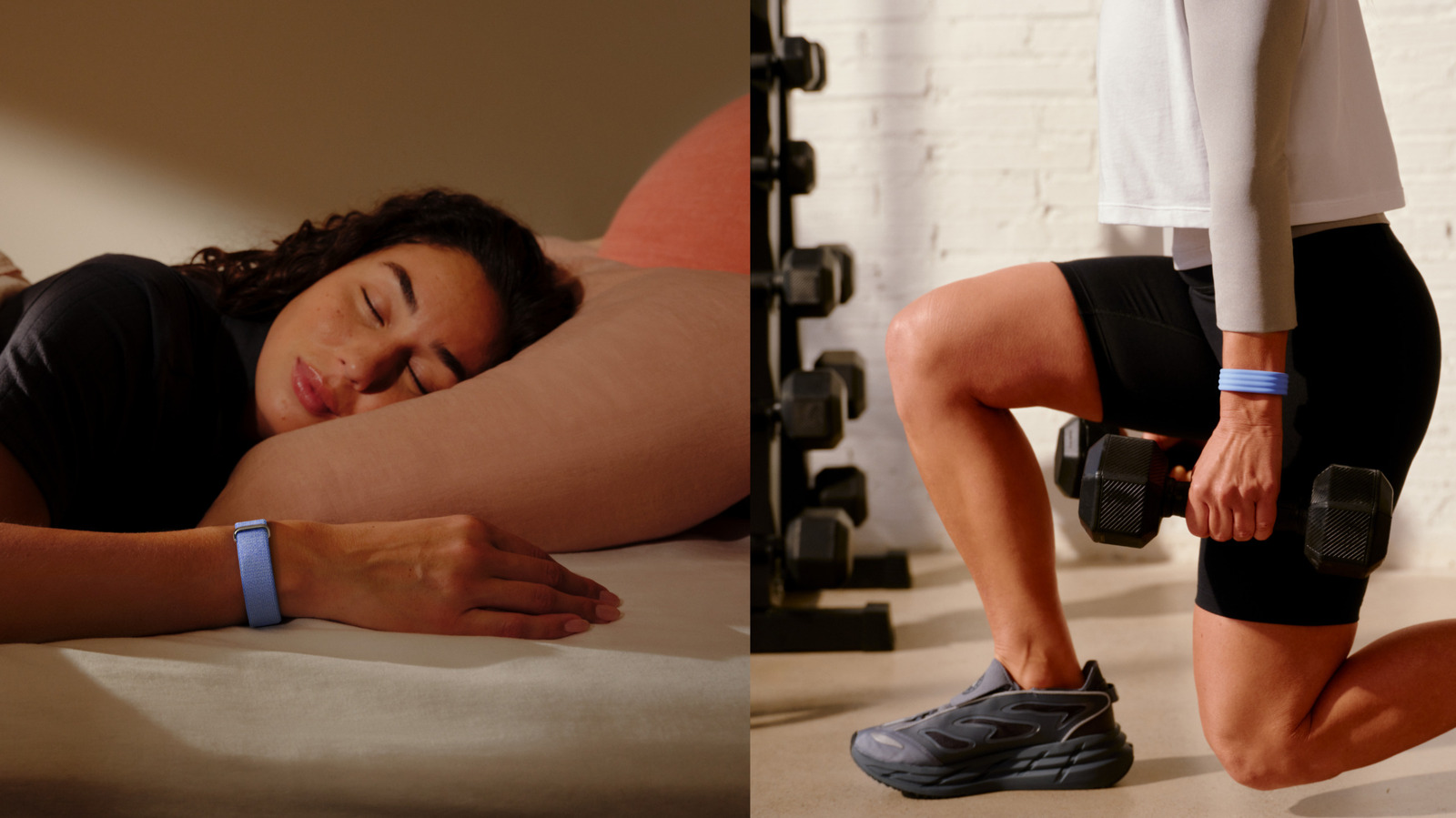
At the heart of this new initiative is the Fitbit Air, a compact, screenless wearable designed for unobtrusive, 24/7 wear. Positioned as a simple, affordable, and comfortable tracker, it is engineered to work in tandem with the Google Health Coach. Its advanced sensor technology is intended to capture the precise data needed for highly personalized health recommendations. The Fitbit Air is notably smaller than its predecessors, measuring 25 percent smaller than the Fitbit Luxe and 50 percent smaller than the Inspire 3. Weighing a mere 12 grams with a band and 5.2 grams without, its lightweight design is intended to ensure it remains unnoticed during daily activities, whether at work, the gym, or during sleep. The device boasts a secure, micro-adjustable fit, rated as more comfortable than leading competitors in an independent consumer study. Available for pre-order at $100, the Fitbit Air comes with three months of complimentary Google Health Premium access. It is offered in a range of colors, with a special Stephen Curry edition priced at $129, allowing users to personalize their device.
Google Health Coach and Premium Services
The Google Health Coach, initially introduced in public preview last October, is now globally available as part of Google Health Premium. This AI-powered coach functions as a 24/7 advisor, drawing on scientific backing to adapt to individual health needs. It acts as a fitness trainer, sleep coach, and wellness advisor, aiming to help users optimize their performance and well-being across various aspects of life. Google Health Premium, formerly known as Fitbit Premium, offers access to these advanced coaching features. Subscription plans begin at $9.99 per month or $99 annually. These premium services are automatically included within Google AI Pro and Ultra subscription tiers, signaling a deeper integration of health and AI functionalities. The Health Coach is powered by Gemini and utilizes advanced machine learning models that Google states are 15% more accurate than previous iterations. Improvements have also been made to the Sleep Score feature, which now aims to better reflect recovery and provide more meaningful insights into sleep quality.
Comprehensive Health Monitoring Capabilities
As a passive wearable, the Fitbit Air excels at continuous data collection without the distraction of a screen or buttons. It monitors heart rate throughout the day, using established algorithms to log sleep patterns, detail time spent in various sleep stages, and assign a nightly Sleep Score. The device is also equipped to detect signs of atrial fibrillation (AFib) through irregular heart rhythm notifications and provides insights into heart rate variability (HRV) and its impact on overall well-being. Users can manually initiate tracking for approximately 40 different activities via the app, including aerobics, yoga, and kickboxing, with real-time stats displayed on their phone. For activities not pre-listed, a library of over 140 options is available, encompassing everything from cricket and curling to household chores. Beyond activity tracking, the Fitbit Air provides weekly cardio load and readiness scores, alongside fundamental metrics like steps, distance, and exercise duration. The integrated vibration motor enables silent, haptic alarms, and the Smart Wake feature can rouse users during optimal sleep cycle phases, minimizing grogginess.
Consolidating Health Data for a Unified View
The overarching strategy behind the Google Health app is to create a single, unified hub for all personal health information. By bringing together data from wearables, Health Connect, Apple Health, and electronic medical records, Google aims to offer users an unprecedented holistic perspective on their health status. This integration is designed to move beyond simple data aggregation. The platform is intended to provide actionable insights and personalized guidance, facilitated by the advanced capabilities of the Google Health Coach and the data collected by devices like the Fitbit Air. The company emphasizes its commitment to making health more accessible and intuitive for everyone. The introduction of the screenless, affordable Fitbit Air alongside the comprehensive Google Health app signifies a deliberate effort to lower barriers to entry for continuous health monitoring and personalized wellness support.
The bottom line
- Google has launched the Fitbit Air, a screenless wearable, and rebranded the Fitbit app as Google Health.
- The new Google Health app consolidates data from wearables, Health Connect, Apple Health, and medical records.
- The Google Health Coach, powered by Gemini and AI, offers personalized guidance on fitness, sleep, and wellness.
- The Fitbit Air is designed for comfort and continuous wear, focusing on heart rate and sleep monitoring.
- Google Health Premium, including the Health Coach, costs $9.99/month or $99/year, and is bundled with higher-tier Google AI subscriptions.
- The company aims to make health monitoring more accessible and provide a holistic view of user well-being.




Heidi Klum Turns Into a Living Marble Sculpture at the 2026 Met Gala

Clodagh McKenna's Linen Trousers Lead Spring Style

Dolly Parton cancels Las Vegas residency as she battles health issues, vows to return 'better than ever'