Ireland and UK pledge to advance Troubles legacy legislation amid delays
Helen McEntee says she is 'absolutely assured' the UK will fulfill commitments, as Jim O'Callaghan outlines timeline for Irish bill.
IRELAND —
Key facts
- British-Irish Intergovernmental Council held at Hillsborough Castle on Thursday.
- UK Legacy Bill has not yet reached committee stage in Westminster.
- Amendments to safeguard British army veterans will be published in June.
- Irish Legacy Bill drafting to be approved by late May or early June.
- Irish legislation is dependent on UK bill being enacted.
- UK bill will replace the controversial Legacy Act enacted by the previous Tory government.
- Remedial order removed conditional immunity from prosecutions for Troubles-era crimes.
- UK government committed to legacy framework compliant with Article 2 of European Convention on Human Rights.
Lede: Assurance amid frustration
The Irish government has received assurances from London that Troubles legacy legislation will be progressed, even as delays at Westminster fuel disappointment. Minister for Foreign Affairs Helen McEntee said she is "absolutely assured" that the joint framework agreement between the two governments will be "fully fulfilled" in UK law.
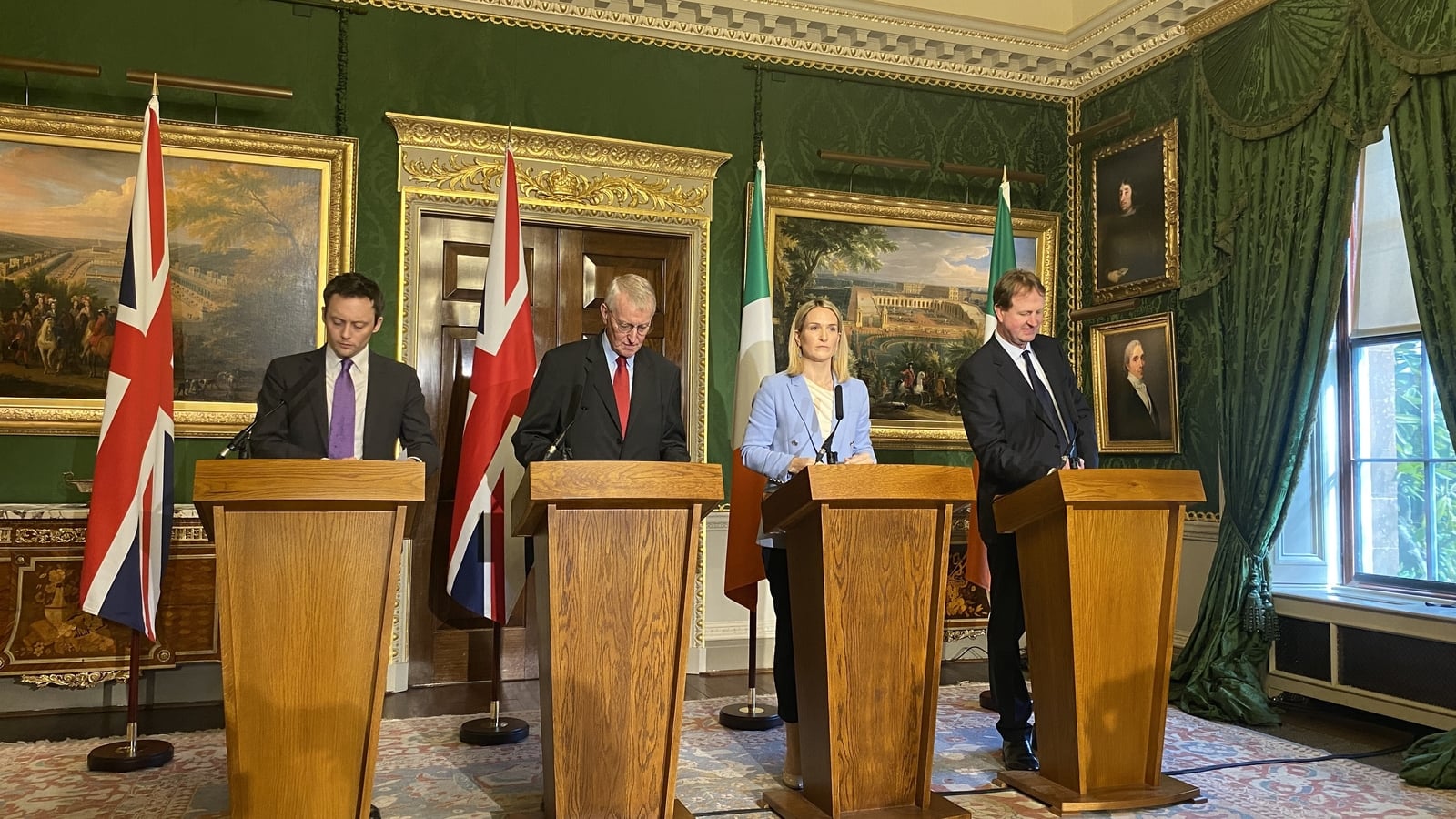
The meeting at Hillsborough Castle
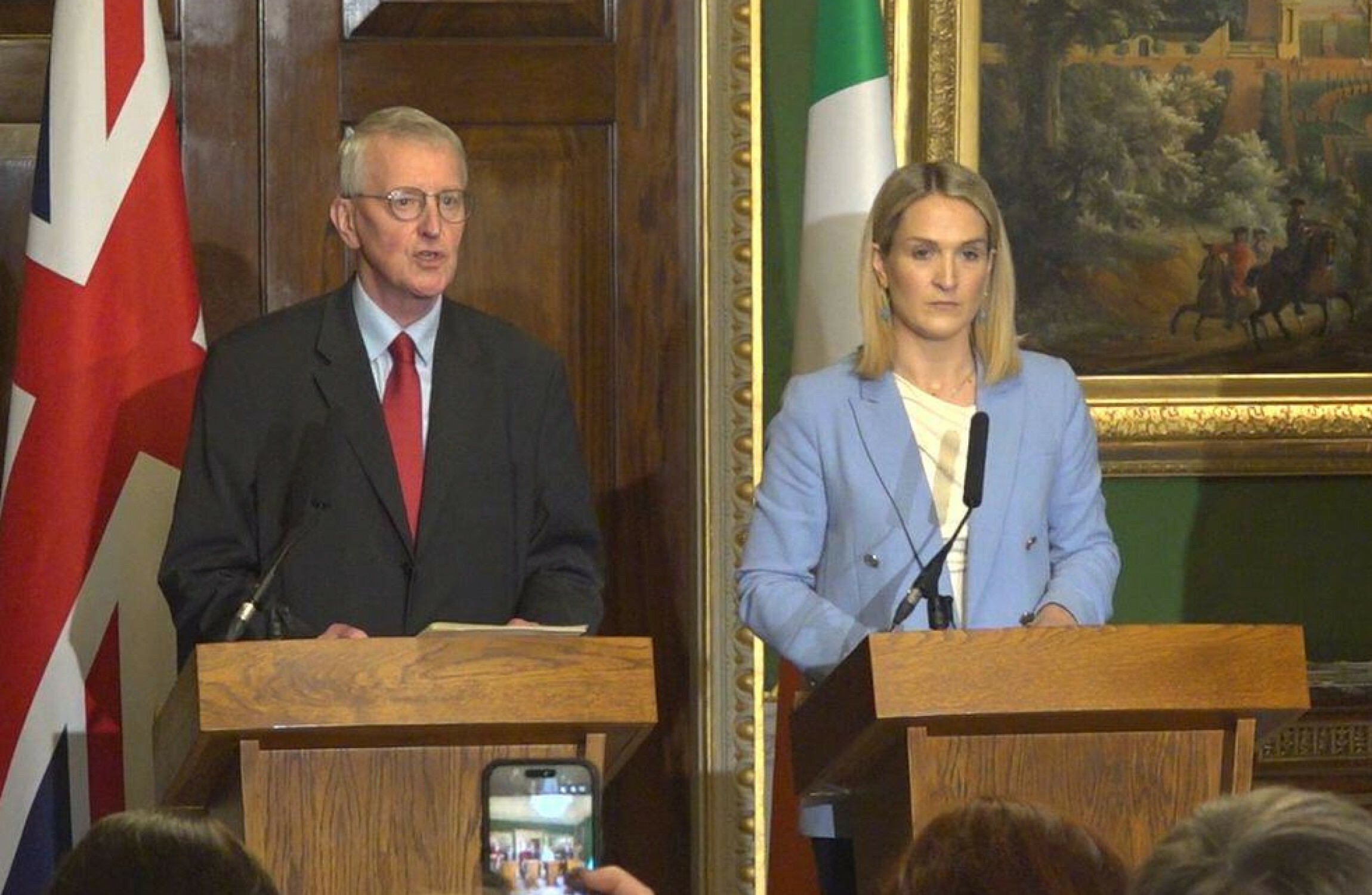
McEntee spoke after the British-Irish Intergovernmental Council convened at Hillsborough Castle on Thursday, seven months after the two governments agreed a joint framework on legacy. She described the meeting as "warm and constructive," attended by Northern Ireland Secretary Hilary Benn, Minister for Justice Jim O'Callaghan, and Parliamentary under-secretary Matthew Patrick. Both sides, she said, share priorities to deliver for victims and families of the Troubles.
UK commitments and amendments
Benn gave a "very clear commitment" to progress the legislation, which aims to replace the controversial Legacy Act enacted by the previous Conservative government. He outlined that the British government is committed to a legacy framework that helps victims and offers the "strongest possible protections to veterans who served in Northern Ireland." Amendments to the bill will be brought forward in June, with Benn insisting that "none" of them affect the commitments made in the joint framework agreement with Ireland last year. "Dealing with legacy is complex. Dealing with legacy is difficult. It is the unfinished business of the Good Friday Agreement," Benn said, adding that "this is the last chance we have."
Irish legislative timeline and dependency
O'Callaghan said he will seek government approval for drafting a general Legacy Bill by late May or early June, with enactment hoped within three to four months thereafter. The Irish bill will enable the provision of evidence to the reformed Legacy Commission set up by the UK. However, O'Callaghan stressed that the Irish legislation is "dependent" on the UK bill being enacted. He expressed hope that the UK process could be "expedited" and said he was "very encouraged" that committee stage amendments will be published in June.
Background: The controversial Legacy Act and reforms
The UK Labour government's bill will establish a reformed Legacy Commission with enhanced powers. A remedial order has already removed the previous Act's conditional immunity from prosecutions for Troubles-era crimes, which had been found unlawful in the courts, and scrapped a bar on future legacy compensation cases. Benn said there is a "duty and responsibility to make sure that those who served the state to keep the people of Northern Ireland safe, are properly treated in the legacy process." O'Callaghan added that he received commitments that the legislation will comply with Article 2 of the European Convention on Human Rights.
Outlook: The path ahead
McEntee expressed disappointment that the UK bill could not reach committee stage in the current parliamentary session, but noted a "clear commitment" from the UK government to proceed. The Irish government is "moving forward at pace" on its own commitments, she said. The success of the entire framework hinges on the UK bill's passage, with O'Callaghan's timeline contingent on Westminster's progress. Both governments acknowledge that legacy remains the unfinished business of the Good Friday Agreement, now 28 years on.
The bottom line
- The UK government has committed to progressing Troubles legacy legislation with amendments to protect veterans, while maintaining the joint framework with Ireland.
- Irish legislation to support the Legacy Commission is dependent on the UK bill's enactment, with drafting approval sought by late May or early June.
- The previous Act's conditional immunity has been removed after being ruled unlawful, and compensation case bars have been lifted.
- Both governments affirm shared priorities for victims and families, though delays at Westminster have caused frustration.
- The legislation is intended to be compliant with the European Convention on Human Rights, addressing prior legal concerns.





Chris Wood's penalty gives Nottingham Forest 1-0 lead over Aston Villa in Europa League semi-final first leg

Alex Zanardi, former F1 driver and Paralympic champion, dies at 59

Aer Lingus launches three new short-haul routes from Cork and Dublin this weekend