Jordan Peterson Battles Severe Neurological Condition
The Canadian commentator's daughter reveals his struggle with akathisia, a condition causing extreme restlessness and distress.
IRELAND —
Key facts
- Jordan Peterson is experiencing a recurrence of akathisia.
- Akathisia is a neurological condition causing restlessness and mental distress.
- His daughter, Mikhaila Peterson, disclosed his condition via social media.
- Peterson was diagnosed with chronic inflammatory response syndrome (CIRS) in August.
- Pneumonia and sepsis complicated his condition in the months following the CIRS diagnosis.
- Mikhaila Peterson states his current symptoms are not due to psychiatric medication.
Commentator's Health Crisis Emerges
Canadian psychologist and commentator Jordan Peterson is grappling with a severe recurrence of akathisia, a debilitating neurological condition characterized by profound restlessness and mental anguish. The polarizing author's health crisis was brought to public attention over the weekend by his daughter, Mikhaila Peterson, through an emotional video shared on social media. Mikhaila Peterson detailed that her father's current symptoms began after he received a diagnosis of chronic inflammatory response syndrome (CIRS) in August, stemming from exposure to mold. This initial diagnosis was subsequently complicated by pneumonia and sepsis, further exacerbating his neurological distress. "Akathisia is the worst thing I’ve ever seen anyone go through… it’s catastrophic," Mikhaila Peterson stated in the video, underscoring the severity of the condition. The disclosure has drawn significant attention to Peterson's personal health struggles.
Understanding Akathisia's Nature
Akathisia is a neuropsychiatric syndrome and movement disorder that compels individuals with an extreme and often unbearable need to move. This condition can render the simple act of sitting still agonizingly difficult, leading to significant distress if a patient is confined to a stationary position. While akathisia is frequently associated with certain medical conditions and medications, particularly antipsychotic drugs, Mikhaila Peterson was emphatic in her explanation. She asserted that her father's current episode is a direct result of immune system dysfunction linked to his CIRS diagnosis. Crucially, she clarified that Jordan Peterson has not been taking psychiatric medication since January 2020, dismissing any notion that recent neurological symptoms are a side effect of new prescriptions. This distinction is vital in understanding the perceived origins of his current suffering.
Classifications of the Neurological Disorder
The medical community categorizes akathisia into several forms based on duration and onset. Acute akathisia is typically defined as symptoms that manifest within fewer than six months, often appearing when a medication is initiated or its dosage is increased. Chronic akathisia, conversely, describes a condition where symptoms persist for longer than six months, potentially lasting for months or even years. Tardive akathisia presents a specific pattern, with symptoms emerging more than three months after the commencement of new medications or an escalation in dosage. Withdrawal akathisia can also arise, occurring subsequent to a reduction in medication dosage or the complete cessation of a drug. Understanding these distinctions is crucial for diagnosis and treatment, though Mikhaila Peterson has indicated her father's case is linked to CIRS rather than medication.
Medications Linked to Akathisia
A range of pharmaceutical interventions have been identified as potentially triggering or exacerbating akathisia. Among these, antipsychotic drugs, particularly older, first-generation or "typical" antipsychotics, are frequently implicated. Other medications, including certain antidepressants, have also been associated with the development of akathisia. These drugs are prescribed for a wide spectrum of mental health conditions, such as depression, eating disorders, anxiety, obsessive-compulsive disorder (OCD), and post-traumatic stress disorder (PTSD). The association between these medications and akathisia highlights the complex interplay between psychiatric treatment and neurological side effects. However, in Jordan Peterson's case, his daughter has strongly refuted any connection to current psychotropic drug use.
Broader Health Complications
The timeline of Jordan Peterson's health issues reveals a cascade of serious medical events. Following his CIRS diagnosis in August, attributed to mold exposure, his condition took a turn for the worse. Just one month after the CIRS diagnosis, Peterson contracted pneumonia, which led to sepsis. These severe infections compounded the existing inflammatory response and neurological strain, contributing to the onset or worsening of his akathisia symptoms. This sequence of events underscores the vulnerability of the body when faced with multiple significant health challenges. The interplay between CIRS, pneumonia, sepsis, and a pre-existing neurological injury has created a complex medical scenario for the commentator.
A Father's Struggle, A Daughter's Plea
Mikhaila Peterson's candid disclosure serves as a stark reminder of the profound impact such conditions can have on individuals and their families. Her description of akathisia as "catastrophic" reflects the immense suffering involved. Her insistence on the cause being immune system dysfunction, rather than medication, aims to preempt speculation and provide clarity on her father's specific situation. This public statement is not only an update on his health but also a defense against potential misinterpretations of his condition. The situation highlights the often-invisible battles fought by those with chronic and complex illnesses, and the role of loved ones in navigating these challenging medical journeys.
The bottom line
- Jordan Peterson is currently experiencing a severe recurrence of akathisia, a neurological condition causing extreme restlessness.
- His daughter, Mikhaila Peterson, stated the symptoms began after a diagnosis of chronic inflammatory response syndrome (CIRS) in August.
- Pneumonia and sepsis complicated Peterson's health following the CIRS diagnosis.
- Mikhaila Peterson emphasized that his current neurological symptoms are not linked to psychiatric medication, as he has not taken such drugs since January 2020.
- Akathisia can be acute, chronic, tardive, or withdrawal-related, and is often associated with antipsychotic and antidepressant medications.
- The condition causes significant distress and a compulsive need to move, making stillness extremely difficult.

Ryanair CEO Calls for Ban on Pre-Flight Alcohol Sales
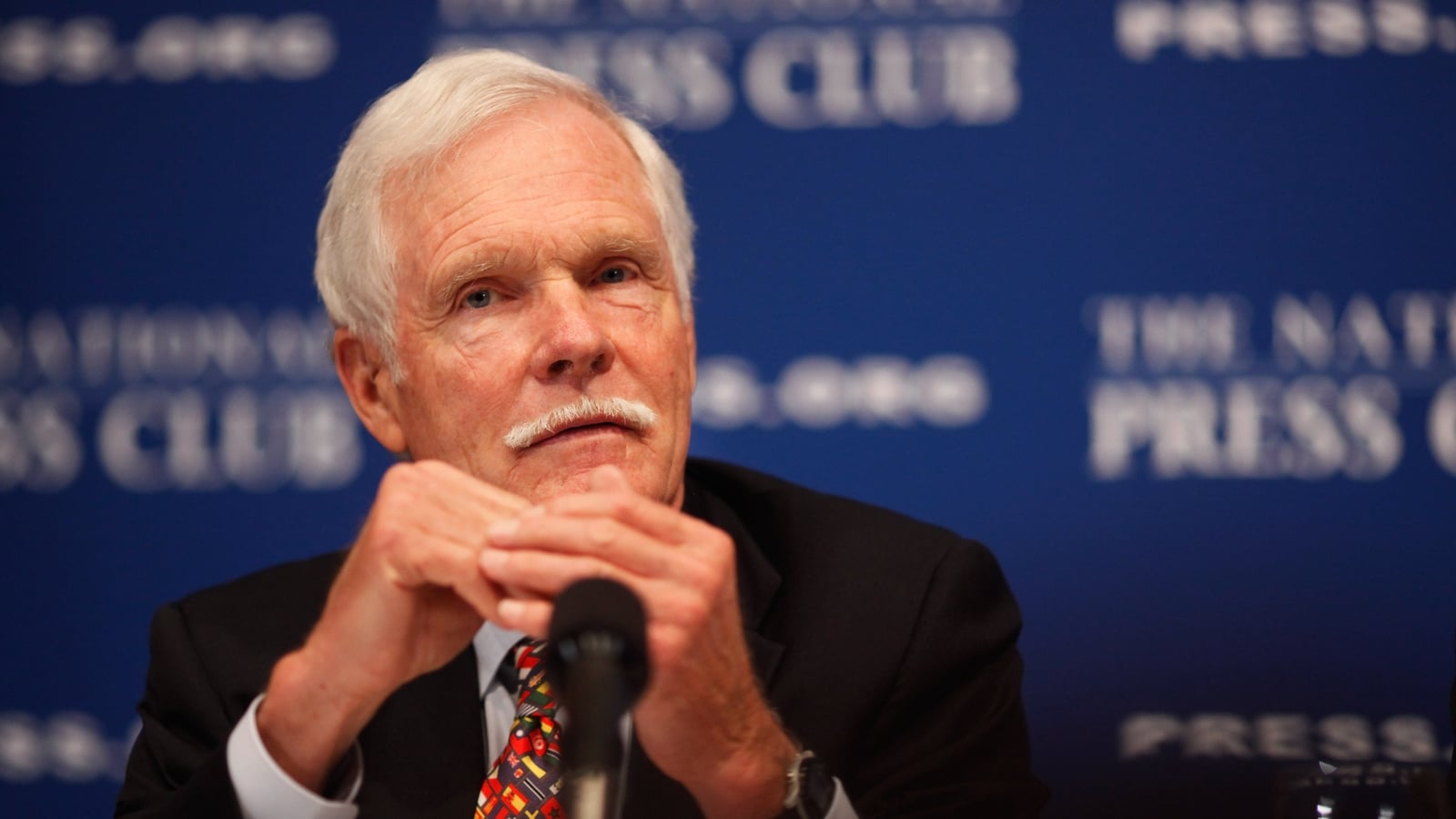
Ted Turner, CNN Founder Who Revolutionized Television News, Dies at 87

Late Drama and Managerial Shake-Ups Define League of Ireland Weekend