New York Mayor Urges King Charles to Return Koh-i-Noor Diamond to India
Zohran Mamdani made the call hours before meeting the British monarch at a 9/11 memorial ceremony, reigniting debate over the colonial-era gem.
IRELAND —
Key facts
- Zohran Mamdani, New York City mayor, said he would encourage King Charles III to return the Koh-i-Noor diamond to India.
- The Koh-i-Noor diamond weighs 105.6 carats and is valued at over $200 million.
- The diamond was taken by the British East India Company in 1849 under the Last Treaty of Lahore, signed by 10-year-old Maharaja Duleep Singh.
- The gem originated from the Kollur Mines in the Golconda region, now in Telangana, India.
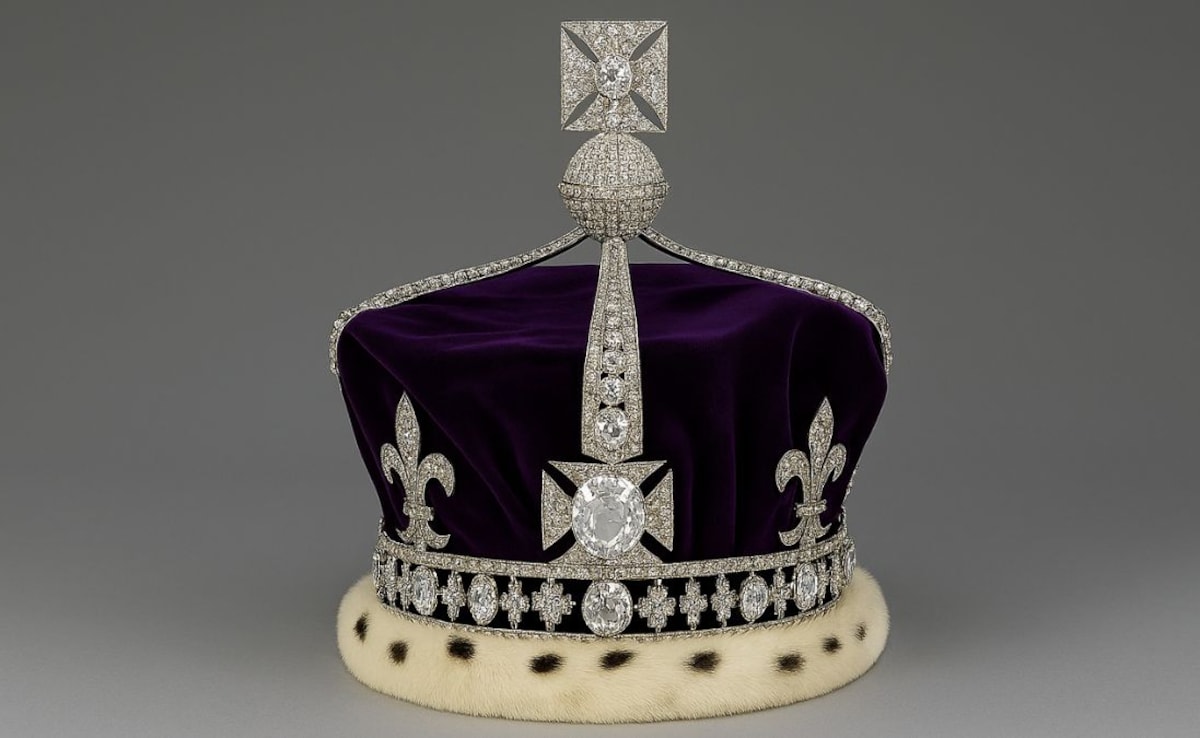
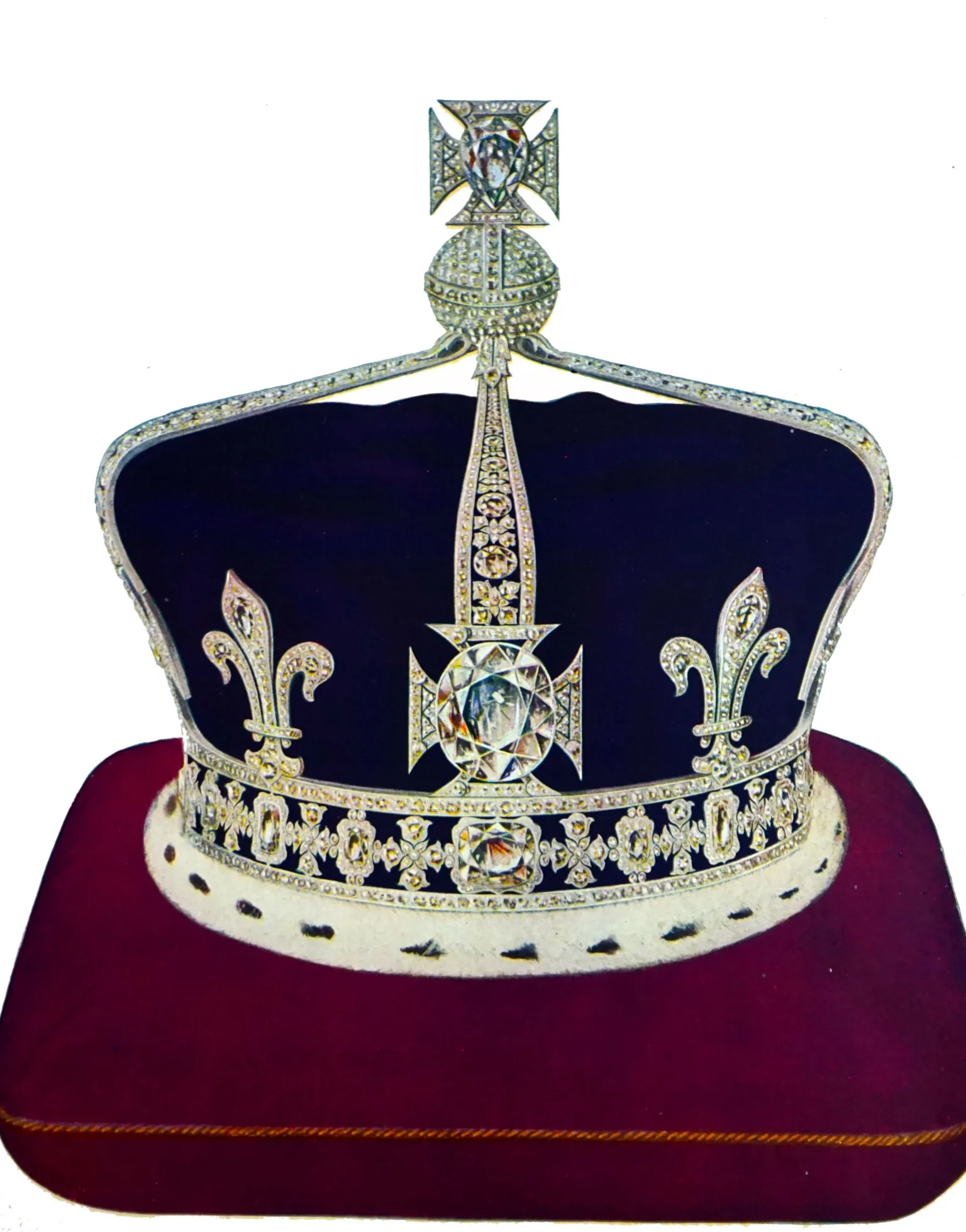
- It has been set in the Crown of Queen Elizabeth the Queen Mother, housed in the Tower of London.
- India has repeatedly sought the diamond's return, describing it as a valued piece of art with strong roots in its history.
- Buckingham Palace declined to comment on Mamdani's statement.
- Former UK Prime Minister David Cameron said in 2013 that returning the gem was not 'sensible'.
Mamdani’s Call for Repatriation
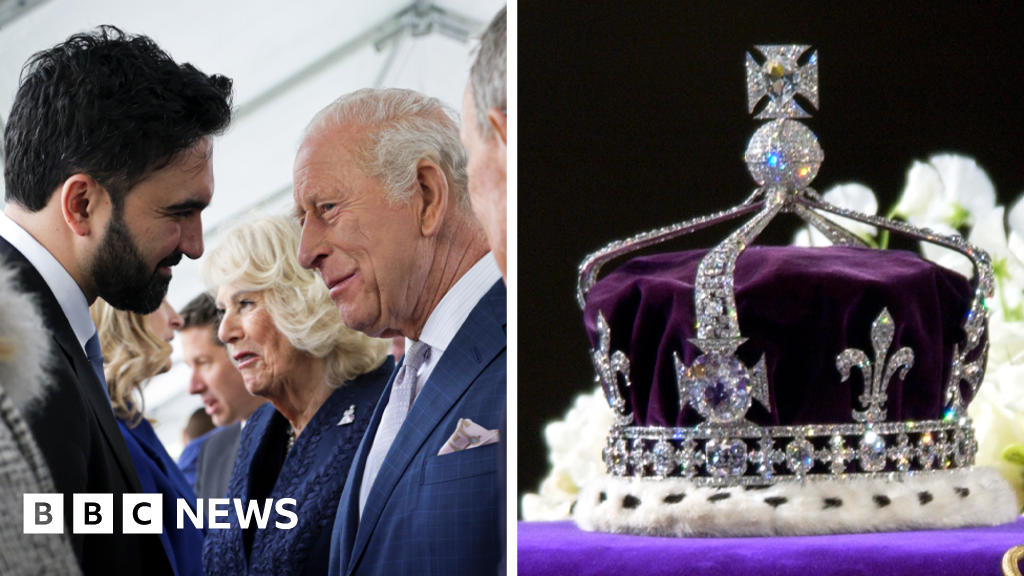
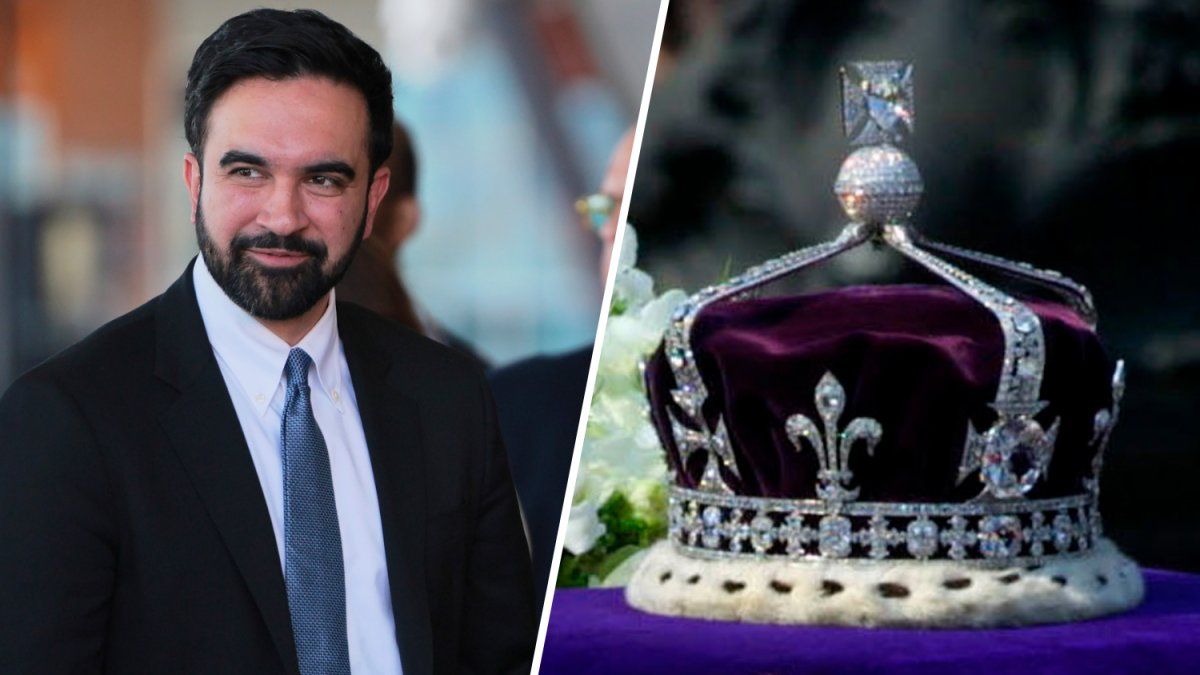
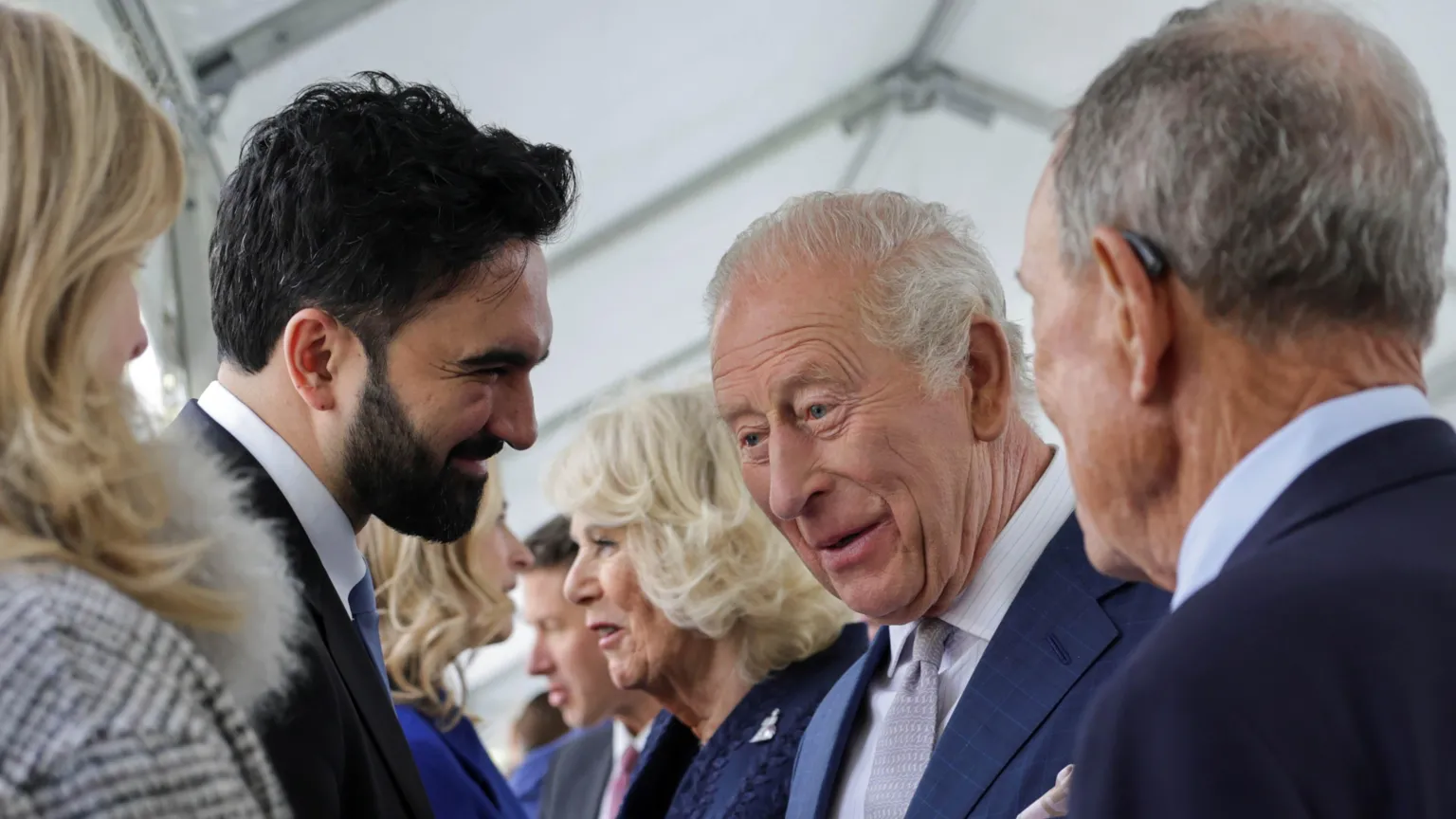
New York City Mayor Zohran Mamdani has publicly urged King Charles III to return the Koh-i-Noor diamond to India, a gem that has been a symbol of colonial plunder for centuries. Speaking at a press conference hours before meeting the monarch at a ceremony honoring victims of the September 11, 2001 attacks, Mamdani said, "If I were to speak to the king separately from that, I would probably encourage him to return the Koh-i-Noor Diamond." The mayor, who has Indian roots, made the comment when asked what he would say in a hypothetical one-on-one with the king. Mamdani later met King Charles at the wreath-laying ceremony at the 9/11 Memorial, where photos showed them shaking hands. However, it remains unclear whether the mayor raised the diamond issue during their interaction. Neither Mamdani’s office nor Buckingham Palace has disclosed details of their conversation. Buckingham Palace declined to comment on the mayor’s statement.
The Diamond’s Colonial Journey
The Koh-i-Noor, meaning "Mountain of Light" in Persian, is one of the world’s most famous gemstones, weighing 105.6 carats and estimated to be worth over $200 million. Its origins trace back to the Kollur Mines of the Golconda region, now in Telangana, India, where it is believed to have been discovered during the rule of the Kakatiya dynasty in the 13th century. Over centuries, it passed through the hands of Mughal emperors, Persian shahs, Afghan rulers, and Sikh maharajas. The diamond came into British possession in 1849, when the British East India Company annexed Punjab after the Anglo-Sikh war. The Last Treaty of Lahore, signed by the 10-year-old Maharaja Duleep Singh after his mother was imprisoned, formalized the transfer of the diamond to the British. The Archaeological Survey of India has stated that the diamond was "surrendered" by the Maharaja and "not handed over" voluntarily.
A Gem of Royal Regalia
Upon reaching Britain, the Koh-i-Noor was presented to Queen Victoria. Its traditional rose cut failed to impress visitors at the Great Exhibition of 1851, prompting a re-cut into an oval brilliant that enhanced its sparkle but reduced its weight by about 40%. The 105-carat stone, now the size of a hen’s egg, was set in the Crown of Queen Elizabeth the Queen Mother, worn by her at the 1937 coronation of her husband, King George VI. Historically, the diamond has been part of British royal regalia, worn by Queen Victoria and later appearing in crowns used by Queen Alexandra, Queen Mother Elizabeth Angela Marguerite Bowes-Lyon, and Queen Elizabeth II. Following Queen Elizabeth II’s death, the diamond remained part of the Crown Jewels housed at the Tower of London. It was not used in the coronation of King Charles III; instead, Queen Camilla wore Queen Mary’s Crown.
India’s Persistent Claims
India has repeatedly sought the return of the Koh-i-Noor, describing it as a "valued piece of art with strong roots in our nation's history." Many Indians view Britain’s possession of the gem as a symbol of colonial plunder and injustice. The Archaeological Survey of India, in response to a Right to Information query, confirmed the diamond was not voluntarily handed over. Former British Prime Minister David Cameron said in 2013 that returning the gem was not "sensible," a position that reflects ongoing resistance from the UK. The diamond’s ownership remains a point of contention, with no formal repatriation process underway.
A Symbol of Colonial Legacy
The Koh-i-Noor’s history is intertwined with conquest and intrigue, having been seized by various rulers before its acquisition by the British. Its journey from the Golconda mines to the Tower of London encapsulates the broader narrative of colonial extraction. The diamond’s current setting in the crown of a British queen consort underscores its role as a trophy of empire. Mamdani’s call, though unlikely to trigger immediate action, has reignited public debate over the restitution of cultural artifacts. The mayor’s comments come during King Charles’s four-day visit to the United States, which began on Monday, adding a diplomatic dimension to the issue.
Uncertain Prospects for Return
Despite Mamdani’s advocacy, the likelihood of the Koh-i-Noor’s return remains low. The British government and monarchy have shown no inclination to repatriate the gem, and previous requests from India have been rebuffed. The diamond’s status as part of the Crown Jewels, a symbol of the British monarchy, further complicates any potential transfer. As the debate continues, the Koh-i-Noor remains a potent reminder of colonial history and the unresolved questions of ownership and justice. For now, the diamond stays in London, a glittering artifact of a bygone era.
The bottom line
- New York Mayor Zohran Mamdani urged King Charles III to return the Koh-i-Noor diamond to India, citing its colonial origins.
- The diamond, weighing 105.6 carats and valued over $200 million, was taken by the British in 1849 under a treaty signed by a 10-year-old ruler.
- India has repeatedly demanded the gem’s return, viewing it as a symbol of colonial plunder.
- Buckingham Palace declined to comment on Mamdani’s statement, and the UK has historically resisted repatriation.
- The Koh-i-Noor remains part of the British Crown Jewels, set in the crown of Queen Elizabeth the Queen Mother.


Chris Wood's penalty gives Nottingham Forest 1-0 lead over Aston Villa in Europa League semi-final first leg

Man Charged with Murder of Czech Mother Yveta Donovalova in Waterford

Aer Lingus Launches Three New Short-Haul Routes This Weekend, Expanding Summer Schedule to 24 North American Destinations