NATO Chief Rutte Says Europeans Have 'Gotten the Message' as Trump Threatens Punishment Over Iran War Support
Secretary General Mark Rutte acknowledges US disappointment but insists allies are now implementing basing agreements, even as internal divisions threaten the alliance's cohesion.
IRELAND —
Key facts
- NATO Secretary General Mark Rutte said European nations have 'gotten the message' from US President Donald Trump about military contributions.
- The US announced plans to withdraw 5,000 troops from Germany, a move seen as punishment for insufficient support in the Iran war.
- Spain has refused to allow its military bases to be used for operations against Iran.
- Rutte listed Montenegro, Croatia, Romania, Portugal, Greece, Italy, Britain, France, and Germany as implementing basing requests.
- European nations are pre-positioning minehunters and minesweepers near the Gulf for a 'next phase' of operations.
- German Chancellor Friedrich Merz called the US Germany's 'most important partner in the North Atlantic Alliance' despite recent tensions.
- Polish Prime Minister Donald Tusk warned that the 'greatest danger' facing NATO is internal divisions, not external threats.
- A Pentagon memo seen by Reuters outlined options for punishing NATO allies that failed to support the US during the Iran war.
Rutte’s Acknowledgment of US Frustration
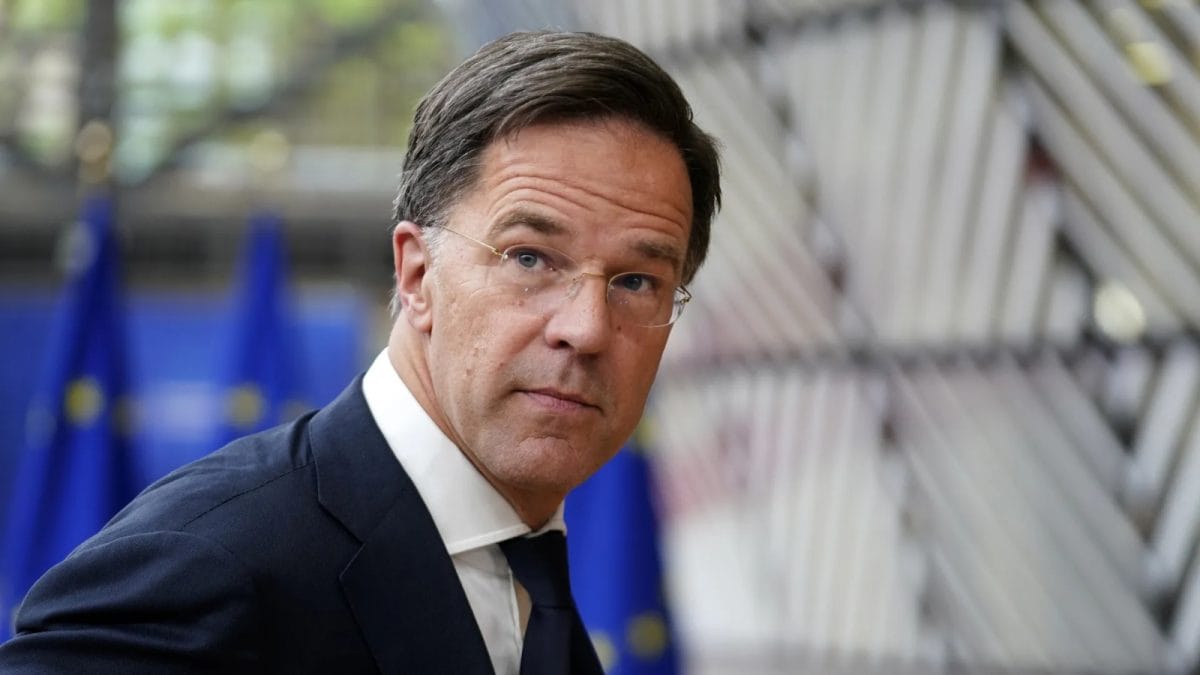
NATO Secretary General Mark Rutte said on Monday that European countries have understood Washington’s demands for greater military support in the Iran war, conceding that there had been 'some disappointment from the US side' but that 'Europeans have listened.' Speaking at a European Political Community summit in Armenia, Rutte told reporters that allies are now ensuring bilateral agreements on the use of military bases are being implemented across Europe. His remarks came after US President Donald Trump accused several NATO members of failing to back Washington sufficiently during the ongoing conflict with Iran.
US Troop Withdrawal and Pentagon Memo Signal Punishment
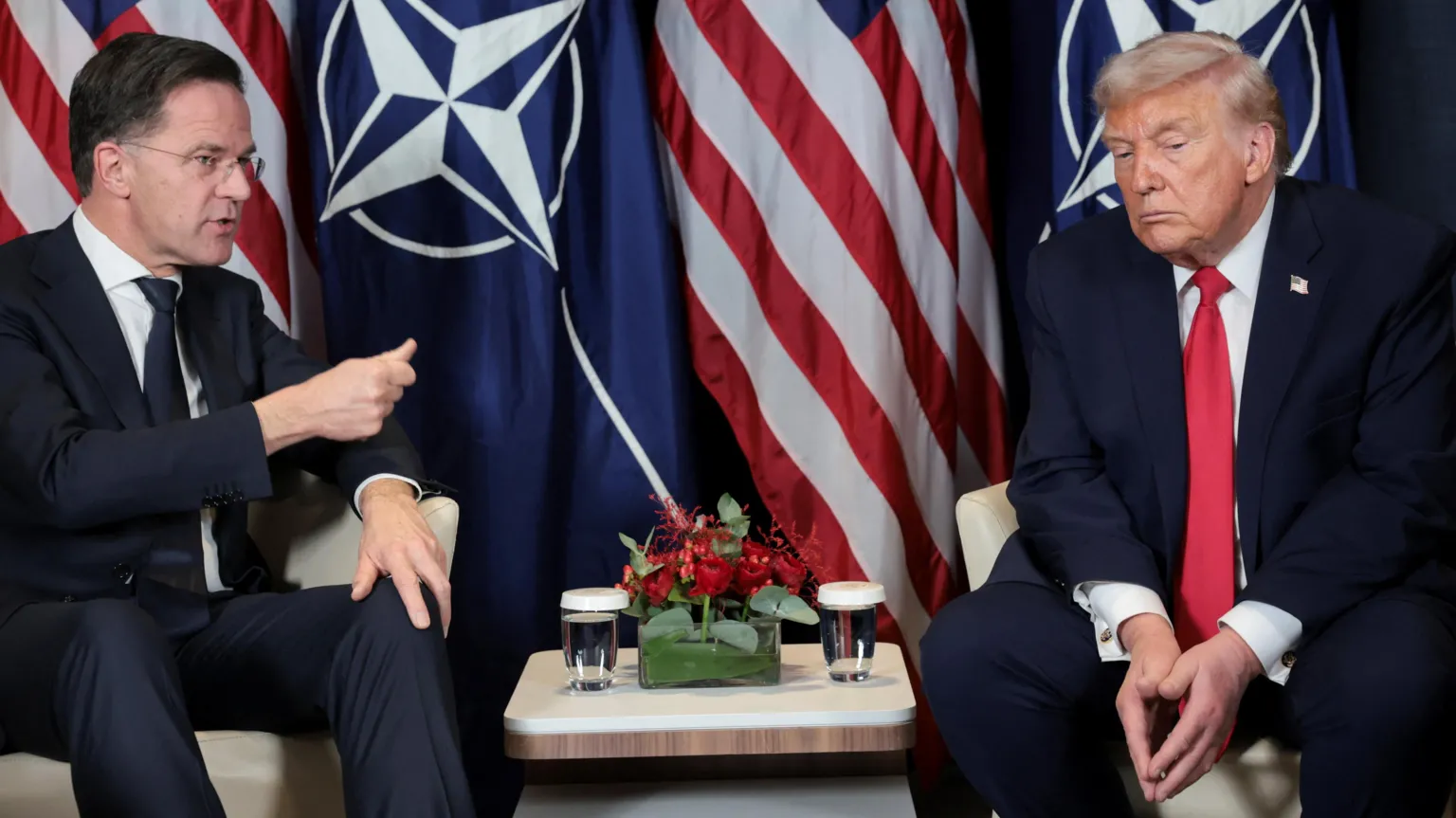
The United States announced on Friday plans to withdraw 5,000 troops from Germany, a far larger reduction than the previously planned withdrawal. The move is widely seen as a punitive measure against European allies perceived as insufficiently supportive. According to a Pentagon memo seen by Reuters, the US is considering additional options for punishing NATO allies that it considers to have failed to offer support during the Iran war. Trump himself complained that NATO 'wasn’t there when we needed them,' a sentiment he repeated after meeting with Rutte.
European Responses: Compliance and Refusal
Rutte confirmed that several NATO members, including Montenegro, Croatia, Romania, Portugal, Greece, Italy, Britain, France, and Germany, are implementing requests for the use of bases and logistical support. However, Spain has explicitly stated that military bases on its territory cannot be used for the war with Iran. Rutte also noted that 'more and more' European nations are pre-positioning assets such as minehunters and minesweepers close to the Gulf, preparing for a 'next phase' of operations. Multiple European nations have expressed willingness to participate in a mission to ensure freedom of navigation through the Strait of Hormuz once the war ends.
Germany’s Merz Walks a Tightrope
German Chancellor Friedrich Merz, who earlier criticized Trump’s handling of the West Asia conflict, has shifted his tone. Just days after accusing the Trump administration of being outplayed in talks to end the conflict and reopen the Strait of Hormuz, Merz called the United States Germany’s 'most important partner in the North Atlantic Alliance.' He posted on X that both countries 'share a common goal: Iran must not be allowed to acquire nuclear weapons.' The reversal comes as Trump publicly attacked Merz, saying the 'German chancellor is doing a terrible job' and suggesting he focus on immigration and energy. Trump also claimed he asked Merz about the Iranian nuclear threat and, after Merz said no to a nuclear-armed Iran, retorted, 'Well then, I guess I’m right.'
Internal Divisions Threaten Alliance Cohesion
Polish Prime Minister Donald Tusk warned on Saturday that the 'greatest danger' facing NATO now comes from 'internal divisions' rather than external threats. He urged partners to work together to stop what he called a 'disastrous trend' of division. Rutte himself dismissed 'early obituaries' for NATO, insisting that allies are not 'whistling past the graveyard.' Yet the rift between the US and Europe continues to widen, with Trump’s push for Greenland, his criticism of NATO spending, and the Iran war all straining relations. The alliance, founded in 1949 with 32 member countries, faces its most serious test in decades.
What Comes Next: Open Questions and Stakes
The US is considering further punitive measures against allies it deems unsupportive, while European nations grapple with the implications of a reduced American military presence. The planned withdrawal of 5,000 troops from Germany is only the beginning; Trump has hinted at deeper cuts. Meanwhile, European leaders are exploring ways to bolster their own defense capabilities, with Ukraine’s President Volodymyr Zelenskyy pursuing arms deals and calling for anti-drone defenses. The Iran war has diverted US military attention from Asia and Europe, raising questions about the alliance’s future focus. Rutte’s role as a 'Trump whisperer' faces a fresh test as he tries to bridge the growing chasm between Washington and its European partners.
Analysis: An Alliance at a Crossroads
NATO’s foundational principle—collective defense—is being tested not by an external adversary but by internal discord. The Iran war has exposed deep fissures: while some members like Britain and France have supported US operations, others like Spain have refused. Trump’s transactional approach to alliances, demanding immediate returns, clashes with the European preference for consensus and long-term strategy. Rutte’s diplomatic efforts may paper over the cracks, but the underlying tensions remain. The alliance’s ability to adapt to a multipolar world, where threats are diffuse and loyalties conditional, will determine whether it survives as a cohesive force or fragments into a collection of bilateral relationships.
The bottom line
- NATO Secretary General Mark Rutte acknowledged US disappointment but claimed European allies are now complying with basing agreements.
- The US announced a withdrawal of 5,000 troops from Germany and is considering further punishments for allies deemed unsupportive in the Iran war.
- Spain has refused to allow its bases to be used for Iran operations, while other nations like Germany, France, and Britain are cooperating.
- German Chancellor Friedrich Merz has shifted from criticizing Trump to emphasizing the US as Germany's most important partner.
- Polish Prime Minister Donald Tusk warned that internal divisions pose the greatest danger to NATO, surpassing external threats.
- European nations are pre-positioning naval assets near the Gulf and planning post-war freedom-of-navigation missions through the Strait of Hormuz.



Cal Poly Maritime Academy awards honorary doctorate to Capt. Kate McCue as final class graduates under old name

AIB posts 11% rise in new lending, sees little impact from Middle East conflict

St Patrick's Athletic's revived away form fuels title push ahead of Galway test
