Limerick's Ruthless Efficiency Exposes Clare's Fragile Structure in Munster SHC Rout
Brian Lohan's side must regroup for a must-win clash with Tipperary after a 2-30 to 1-18 defeat that laid bare fundamental flaws in their game.

IRELAND —
Key facts
- Limerick defeated Clare 2-30 to 1-18 at Zimmer Biomet Páirc Chíosóg.
- Clare turned over the ball 38 times, 25 of which occurred in attacking areas.
- Limerick converted those turnovers into 19 shots and 15 points.
- Limerick converted close to 80% of their scoring chances, while Clare managed less than half that rate from open play.
- Shane O’Brien was a key contributor for Limerick, scoring efficiently from play and drawing fouls for converted frees.
- Clare boss Brian Lohan called the performance 'hugely disappointing.'
- Clare face a must-win game against All-Ireland champions Tipperary on May 16 at Semple Stadium.
- Adam Hogan received a black card, highlighting defensive discipline issues.
A Defeat That Reveals More Than the Scoreline
Clare’s loss to Limerick in the Munster Senior Hurling Championship was not merely a 15-point defeat; it was a diagnostic failure. By halftime, Limerick had built a 13-point lead, and the final tally of 2-30 to 1-18 only confirmed the chasm between the sides. For Clare manager Brian Lohan, the performance was 'hugely disappointing,' and the result leaves his team facing a must-win encounter against All-Ireland champions Tipperary on May 16 at Semple Stadium to keep their season alive. The match exposed Clare’s inability to withstand sustained high-level pressure. Limerick’s physical edge and speed of thought left Clare constantly reacting rather than dictating play. The most telling statistic was Clare’s 38 turnovers, with 25 of those occurring in attacking areas, meaning each time Clare attempted to build pressure, they became vulnerable to immediate counterattacks.
Limerick’s Transitional Mastery
Limerick’s efficiency in transition was devastating. They converted Clare’s turnovers into 19 shots and 15 points, a return that underscored their sharpness in moving the ball quickly before Clare could reorganize defensively. Once Limerick bypassed Clare’s initial line of pressure, space opened rapidly, and their decision-making ensured opportunities were rarely wasted. The contrast in efficiency was stark: Limerick converted close to 80% of their chances, including a similarly high return from play, while Clare struggled to reach even half that level from open play. This gap reflected not just shooting accuracy but the quality of chances created. Limerick consistently shot under less pressure, while Clare were forced into contested attempts.
Clare’s Scoring Imbalance and Structural Fragility
A significant portion of Clare’s total came from placed balls, pointing to a lack of consistent threat in open play. When scores from play are limited, it becomes easier for the opposition to manage the game and control tempo. When goal chances were created, Clare lacked composure to execute the pass or finish, exemplified by a missed opportunity from Kelly. One moment captured Clare’s difficulties: in the build-up to Aidan O’Connor’s goal, only four Clare players were positioned inside their own half. That exposed how vulnerable they were once possession was lost. Limerick exploited the space quickly, moving the ball with purpose and finishing decisively. It was not an isolated breakdown but part of a recurring pattern.
The Middle-Third Battle and Defensive Discipline
Much of the contest was decided in the middle third. Limerick’s ability to disrupt Clare’s possession, win the ball, and transition quickly into attack created a continuous cycle of pressure. Clare never established control in this area, and without that platform, their attacking play struggled to develop consistency. Adam Hogan’s black card further illustrated the difficulties modern defenders face in finding the right technique in the tackle, balancing hands in and hands out. Clare’s defensive structure repeatedly broke down when the initial line of pressure was bypassed, leaving them exposed.
Limerick’s Attacking Balance and O’Brien’s Influence
Limerick displayed variety and balance in their scoring. Their forwards contributed across the board, maintaining a steady flow of scores that kept Clare under constant pressure. Shane O’Brien stood out, delivering an efficient return from play while also drawing fouls for frees that were subsequently converted. His influence reflected Limerick’s broader attacking sharpness. The Shannonsiders raised 15 white flags in both halves, with a brace of first-half goals securing the victory. Their ability to maintain high conversion rates from both play and placed balls made them nearly impossible to contain.
What Lies Ahead for Clare and Limerick
Clare now face a do-or-die clash with Tipperary on May 16 at Semple Stadium. Lohan’s side must address the structural issues exposed by Limerick, particularly their inability to hold possession under pressure and their defensive fragility in transition. The response will define whether this defeat becomes a turning point or a harbinger of further disappointment. For Limerick, the victory reinforces their status as contenders, but as manager John Kiely has indicated, there is confidence that much more is to come from this team. Their efficiency and tactical discipline suggest they are peaking at the right time, but the championship remains wide open.
A Cautionary Tale for the Championship
This match serves as a cautionary tale for the rest of the Munster championship. Limerick’s ability to exploit turnovers and maintain scoring efficiency underlines the importance of possession security and defensive organization. For Clare, the path forward requires not just tactical adjustments but a fundamental reassessment of how they handle pressure. The broader implications for the championship are clear: teams that cannot match Limerick’s intensity and transition game will struggle. Clare’s defeat, while painful, offers a blueprint of what must be avoided. The coming weeks will reveal whether they can learn from it.
The bottom line
- Limerick’s 2-30 to 1-18 victory was built on converting 38 Clare turnovers into 15 points, showcasing elite transition play.
- Clare’s 25 turnovers in attacking areas left them vulnerable to counterattacks and exposed defensive disorganization.
- Limerick converted nearly 80% of scoring chances, while Clare managed less than half from open play, highlighting a disparity in chance quality.
- Shane O’Brien’s all-around performance—scoring from play and drawing frees—epitomized Limerick’s balanced attack.
- Clare must win against Tipperary on May 16 to keep their season alive, needing to address possession and defensive structure.
- The match underscores that sustained high-level pressure can dismantle even competitive sides, setting a benchmark for the championship.


Arsenal Face Atletico Madrid in Champions League Semi-Final Second Leg with Final Berth at Stake

Van Graan demands TMO consistency after Bath's Champions Cup exit
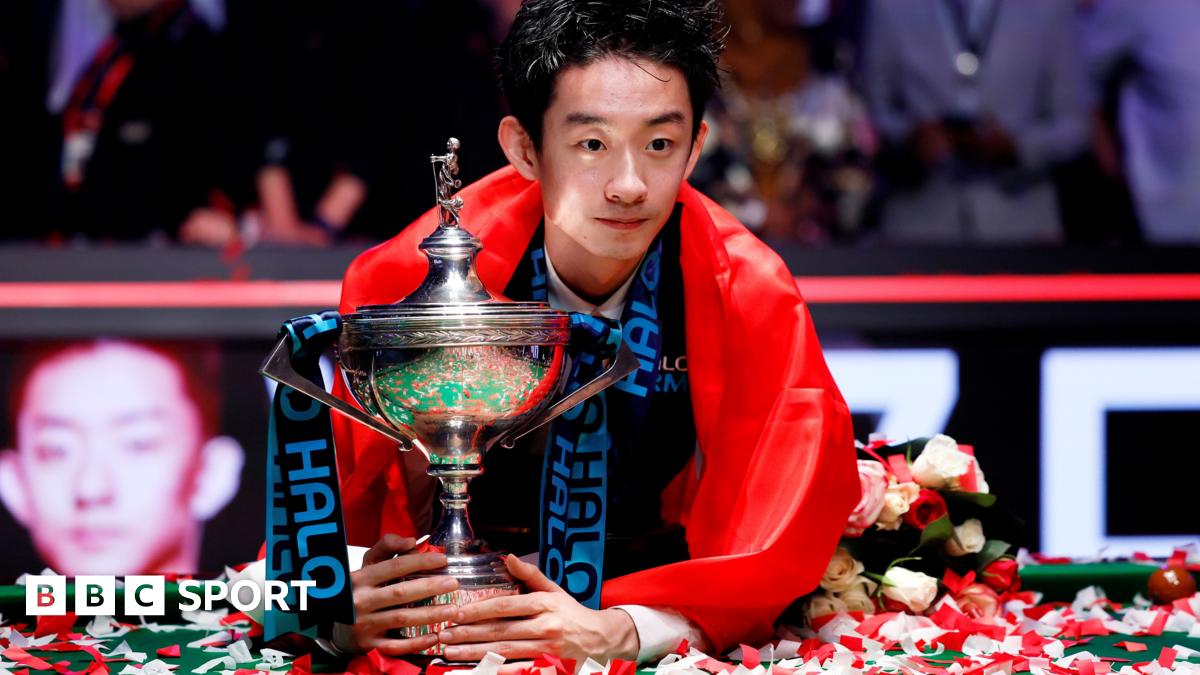
Wu Yize Becomes Second-Youngest Crucible Champion, Edges Shaun Murphy 18-17 in Thrilling Final
