Gary Shilling warns US recession 'almost inevitable' as housing freezes and capex collapses
The legendary forecaster, fired from Merrill Lynch for predicting the 1969-70 downturn, sees a 30% stock plunge by year-end.

IRELAND —
Key facts
- Gary Shilling, who predicted the 1969-70 recession, says a US recession is 'almost inevitable' in 2026.
- He forecasts the S&P 500 could fall by as much as 30% by year-end.
- Capital expenditures grew just 3.9% in 2025, down from a pandemic peak of 24%.
- The housing market remains 'frozen' with elevated interest rates and rising foreclosures.
- Real disposable income growth slowed to 0.4% in March, the lowest in three years.
- Energy prices rose 12.5% year-over-year in March, the largest increase since 2022.
- Shilling says only fiscal stimulus or a stronger consumer could prevent a downturn, but both are unlikely.
A bearish voice from history rings the alarm
Gary Shilling, the economist who was fired from Merrill Lynch for correctly calling the 1969-70 recession, is now warning that the United States is heading for another downturn. In an interview this week, he described a recession this year as 'almost inevitable,' pointing to a frozen housing market, collapsing corporate investment, and a weakening consumer base. Shilling also predicted a major stock market correction, with the S&P 500 potentially dropping 30% by the end of 2026. 'Stocks are very expensive and there probably is a major correction coming somewhere in the relatively near future,' he said. 'A decline of 20% or 30% is no big deal by historical standards. So I would say that's probably in the cards.'
Three pillars of fragility: housing, capex, and the consumer
Shilling identified three key vulnerabilities that he believes will push the economy into recession. First, the housing market remains largely frozen as interest rates stay elevated and mortgage rates decline only slowly. Buyers and sellers are reluctant to transact, and there is a lack of affordable inventory alongside rising foreclosures, signaling that homeowners are under increasing strain. Second, capital expenditures — large investments by companies in equipment, facilities, and hiring — have collapsed. Broader capex grew just 3.9% by the end of 2025, a dramatic fall from the pandemic-era peak of 24%. While artificial intelligence-related spending is booming, it has not been enough to offset the broad decline. Third, the U.S. consumer, which accounts for roughly two-thirds of economic growth, is showing signs of fatigue. Real personal consumption expenditures growth held steady at about 2% annually in March, but Shilling expects spending to decline over the next year as cumulative price pressures and new inflation from the Iran war take their toll.
Inflation and income squeeze add to the pressure
The Federal Reserve’s preferred inflation gauge rose 0.7% month-over-month in March and was up 3.5% from a year ago, remaining stubbornly high. Energy prices surged 12.5% year-over-year in March, the largest increase since 2022, driven by the spike in oil prices related to the Iran conflict. At the same time, real disposable income growth slowed to just 0.4% in March, its lowest level in about three years. Americans, already burdened by cumulative price increases since the pandemic, are now facing additional strain from the latest inflation surge. Shilling said that the combination of high prices and slowing income growth makes it likely that consumer spending — the economy’s main engine — will falter.
What could stop the downturn? Shilling sees little hope
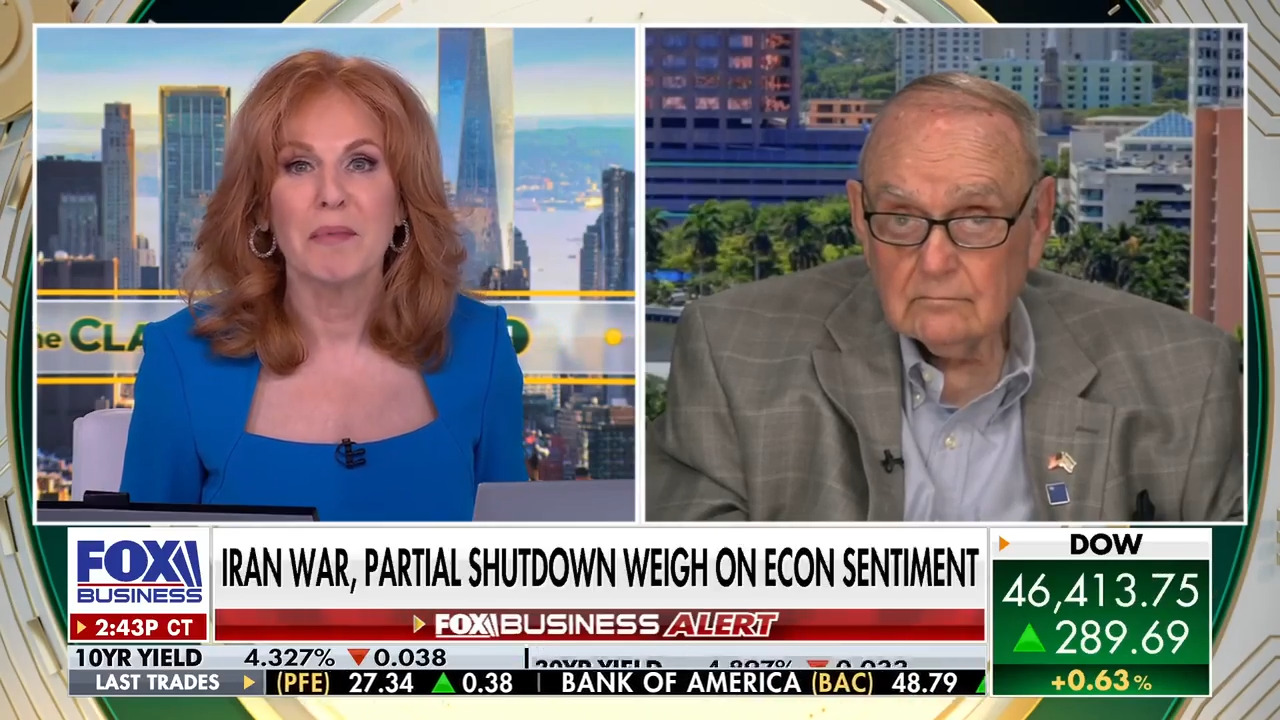
When asked what could prevent a recession, Shilling pointed to two possibilities: a burst of fiscal stimulus from the government, or continued strength in consumer spending. He judged both to be unlikely. 'I've sort of made a career looking for those hidden flaws, and I don't see anything right now that is just screaming for a big sell-off, but that doesn't mean it isn't there,' he said. His outlook echoes that of other prominent voices. Billionaire investor Leon Cooperman has also expressed concerns about market uncertainty amid geopolitical tensions and artificial intelligence performance. Meanwhile, the European outlook is similarly gloomy: SEB sees a downward revision of European growth, though no recession, and Ireland faces a possible winter recession after depleting its fiscal reserves.
Historical context and the stakes ahead
Shilling’s track record gives his warnings weight. He was fired from Merrill Lynch for predicting the 1969-70 recession, which proved accurate. His current forecast comes at a time when recession fears are deepening globally, with building activity declining sharply and economists like John FitzGerald warning that Ireland has plundered its war chest ahead of a possible winter recession. The veteran economist Gary Shilling is not alone in his bearish view. A legendary economist known for predicting the 1969-70 recession has warned that a downturn may hit in 2026, and some analysts are asking whether the world is already in a global recession. Shilling’s specific warning about a 30% stock decline adds a stark dimension to the debate.
What comes next: a test for policymakers and investors
Shilling’s prognosis leaves little room for optimism. With the housing market frozen, capital expenditures in decline, and consumers under pressure, the economy appears to be on a knife’s edge. The Federal Reserve faces a difficult choice between cutting rates to stimulate growth and keeping them high to fight inflation. For investors, Shilling’s advice is clear: expect a major correction. The S&P 500’s high valuations make it vulnerable, and a 30% decline would be painful but historically unremarkable. As Shilling put it, such a drop is 'no big deal by historical standards.' The question is whether policymakers can act in time to avert the downturn, or whether the economy is already sliding into recession.
The bottom line
- Gary Shilling, who correctly predicted the 1969-70 recession, says a US recession is 'almost inevitable' in 2026.
- He forecasts the S&P 500 could fall 30% by year-end due to high valuations.
- Three key weaknesses: frozen housing market, collapsed capex (3.9% growth vs 24% peak), and weakening consumer.
- Inflation remains high (3.5% annual PCE) and energy prices surged 12.5% year-over-year in March.
- Real disposable income growth slowed to 0.4% in March, the lowest in three years.
- Shilling sees no likely savior: fiscal stimulus or consumer strength are both unlikely.



Bath Fall Short in Champions Cup Semi-Final as Bordeaux Dominate 38-26

Ryanair’s O’Leary calls for ban on early-morning airport alcohol sales as disruptive incidents soar
LeBron James Faces Biggest Underdog Test of 23-Year Career as Lakers Enter Thunder Series 15.5-Point Dogs