Ryanair to Close Berlin Base, Citing 50% Fee Surge and Broken Aviation Policy
The Irish carrier will relocate seven aircraft to lower-cost EU countries, slashing Berlin traffic by half as Germany’s aviation taxes and airport charges spiral.
IRELAND —
Key facts
- Ryanair will close its 7-aircraft Berlin base on 24 October 2026.
- Berlin airport fees have risen 50% since Covid, with another 10% increase planned by 2029.
- Berlin passenger traffic collapsed 30% from 36 million in 2019 to 26 million in 2025.
- Germany’s aviation tax has more than doubled from €7.30 to €15.50 per passenger.
- Security fees in Germany will double from €10 in 2024 to €20 per passenger by January 2028.
- Ryanair’s Berlin traffic will drop from 4.5 million to 2.2 million passengers annually.
- Ryanair has previously closed bases in Frankfurt, Dusseldorf, and Stuttgart, losing 13 based aircraft.
A Decade of Cost Escalation Ends in Base Closure
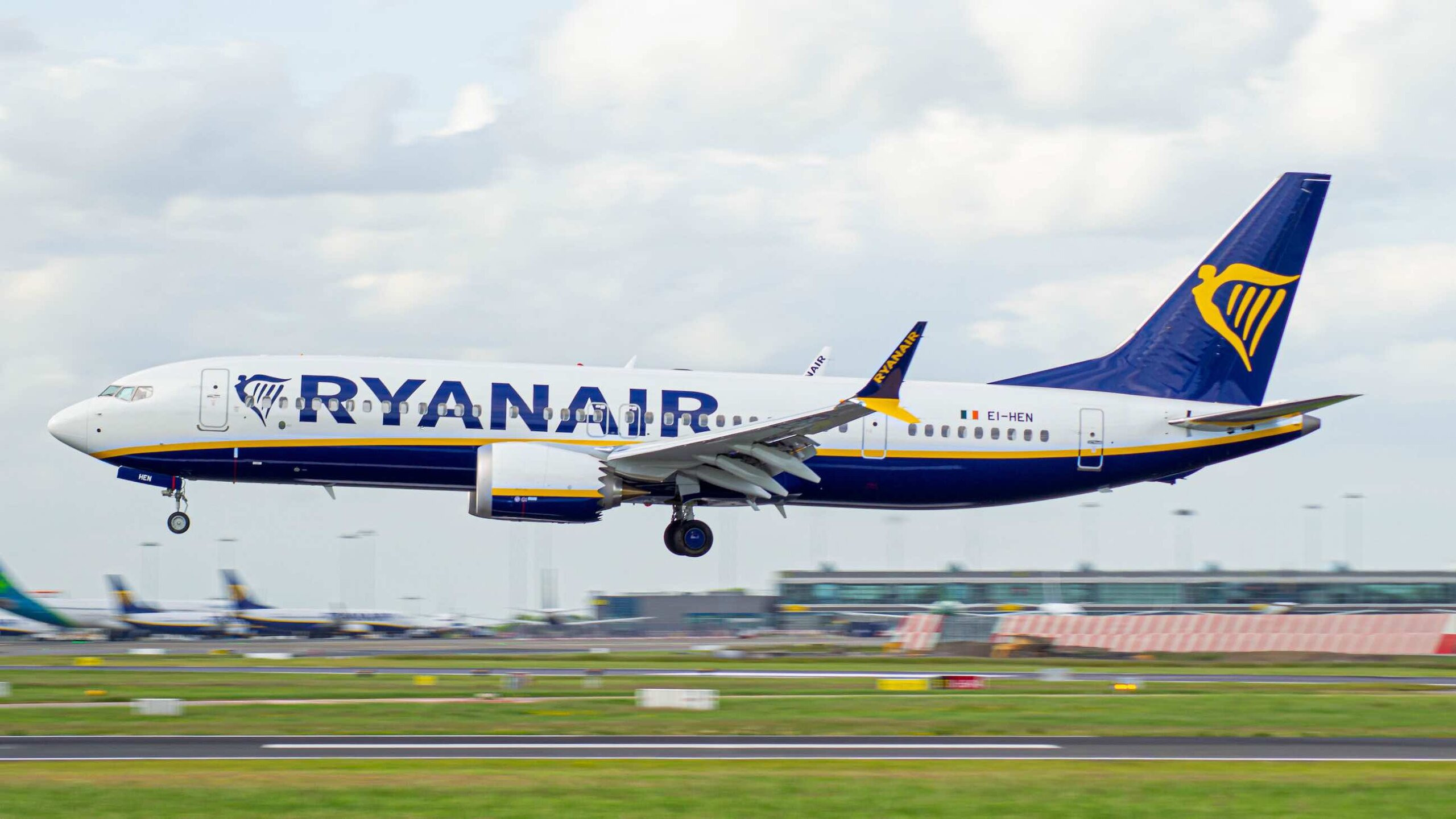
Ryanair, Europe’s largest airline, announced on Friday that it will shut its seven-aircraft base at Berlin-Brandenburg International Airport on 24 October 2026, reducing flights to and from the German capital by half in its winter schedule. The decision, which the carrier described as unavoidable, follows a notice from Berlin Airport that it will raise fees by another 10% between 2027 and 2029, on top of a 50% increase since 2019. All seven Boeing 737s currently stationed in Berlin will be redeployed to airports in Sweden, Slovakia, Albania, and Italy — countries that have abolished aviation taxes or lowered charges to attract traffic. Ryanair’s chief executive for the DAC unit, Eddie Wilson, said the airline had “no alternative” after Berlin Airport’s latest fee hike, which he called “unjustified and excessive.”
The Numbers Behind the Exit
Ryanair detailed a cascade of cost increases that have made Berlin uncompetitive. Germany’s aviation tax has more than doubled from €7.30 to €15.50 per passenger since 2019. Security fees are set to double from €10 in 2024 to €20 per passenger by January 2028. Air traffic control charges have tripled from €1 to €3.30 per passenger. Airport fees at Berlin have surged 50% since the pandemic, with a further 10% rise due by 2029. Meanwhile, Berlin’s passenger traffic has collapsed from 36 million in 2019 to just 26 million in 2025 — a 30% drop that Ryanair called the worst performance of any major European airport. The airline argued that instead of introducing recovery incentives, Berlin Airport chose to raise prices, making the hub “hopelessly uncompetitive” compared with rivals that are cutting fees and abolishing travel taxes.
Broader German Aviation Crisis
Wilson declared that “German aviation is broken,” noting that the government admits the sector is uncompetitive yet has no strategy to reduce taxes or fees. Ryanair has already closed bases in Frankfurt, Dusseldorf, and Stuttgart since 2019, resulting in the loss of 13 based aircraft, and has stopped all flights to Dresden, Leipzig, and Dortmund. The Berlin closure marks the fourth base shutdown in Germany. While Ryanair is growing its overall European traffic from 149 million passengers in 2019 to a projected 216 million in 2026, its Berlin traffic will collapse by at least 50% in 2027. Wilson warned that further cuts across Germany are “now inevitable” as long as high costs persist.
Staff and Operational Impact
All Ryanair pilots and cabin crew based in Berlin received notification of the planned closure last week. Staff consultations will begin shortly, the airline said. Ryanair stated that all affected flight crew can secure alternative positions elsewhere in its European network, as the carrier accelerates growth in lower-cost markets. The operational shift removes Ryanair’s local maintenance footprint and staffing at Berlin, reducing direct connectivity from the capital to many European destinations. The seven aircraft will be redeployed to routes where per-passenger costs are lower, allowing Ryanair to maintain its low-fare model.
What Comes Next for Berlin and Ryanair
Ryanair will continue to serve Berlin, but only with aircraft based outside Germany. The airline’s Berlin traffic will fall from 4.5 million to 2.2 million passengers annually. Wilson said the carrier has “many other lower cost airports, and zero aviation tax countries across Europe competing for scarce capacity growth.” The closure underscores a broader trend: airlines are shifting capacity to jurisdictions that offer competitive fees and taxes. With no meaningful cost reform in Berlin or Germany nationally, Ryanair sees no reason to reverse course. The German capital, once a symbol of post-reunification growth, now faces the prospect of diminished air connectivity and economic fallout.
The bottom line
- Ryanair will close its Berlin base on 24 October 2026, cutting flights by 50% and redeploying seven aircraft to Sweden, Slovakia, Albania, and Italy.
- Berlin airport fees have risen 50% since 2019, with a further 10% increase planned; passenger traffic has fallen 30% over the same period.
- Germany’s aviation tax has more than doubled to €15.50 per passenger, and security fees are set to double by 2028.
- Ryanair has now closed four German bases since 2019, citing high costs and lack of government reform.
- The airline’s Berlin traffic will drop from 4.5 million to 2.2 million passengers annually, while overall European traffic grows.
- The closure highlights a competitive shift: airlines are moving capacity to countries with lower taxes and airport charges.




Dublin Player Wins €8.7 Million Lotto Jackpot, Second Such Win in 2026

Bayesian yacht sinking: crew errors, not storm, caused fatal capsizing, probe finds