Ryanair slashes European routes citing cost hikes, withdrawing from Thessaloniki base
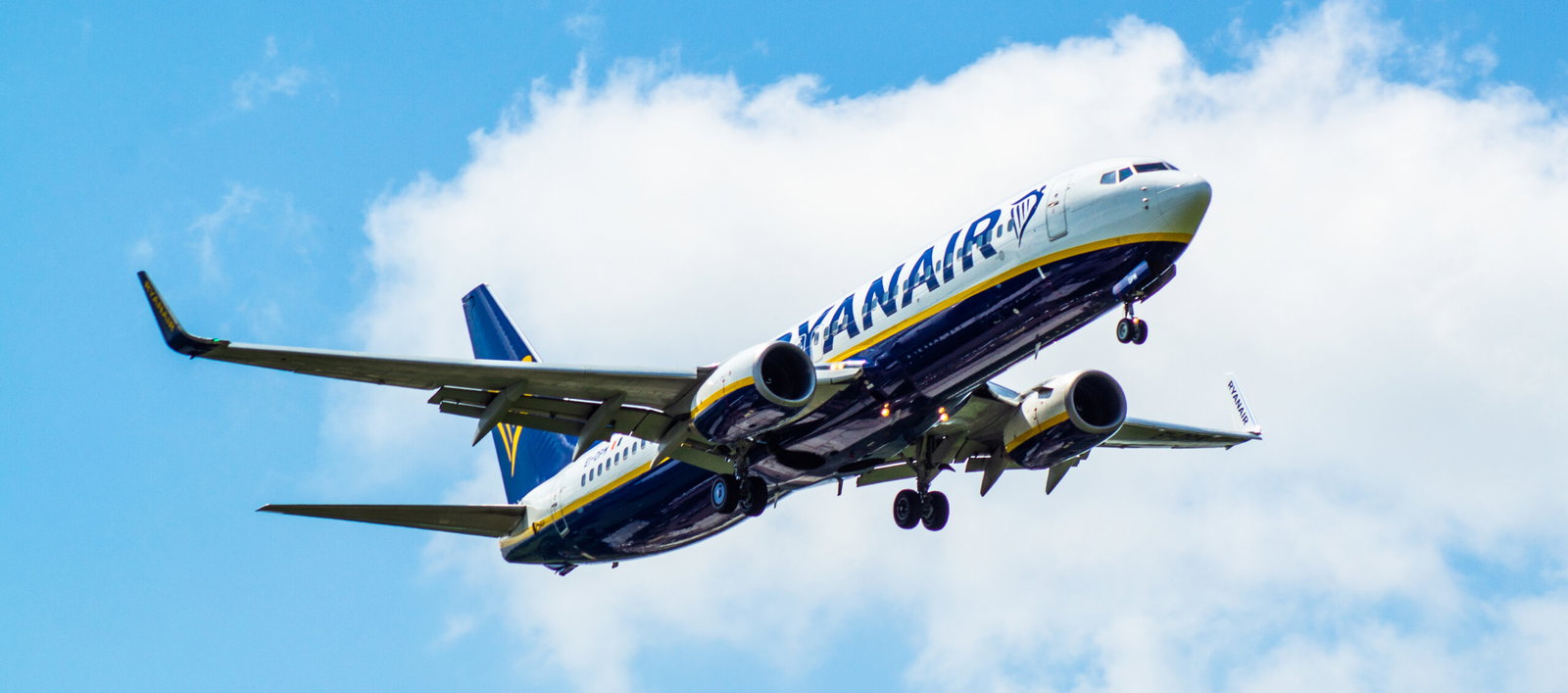
The budget carrier is gutting its flight network across 6 countries, citing rising taxes and charges, and shedding 700,000 seats from Greece.
IRELAND —
Key facts
- Ryanair is cutting 24 routes and reducing capacity across eight German locations, including Frankfurt-Hahn.
- The airline is withdrawing entirely from the Azores, cancelling all six routes to and from the islands in Portugal.
- The cuts in Greece remove 700,000 seats and 12 routes for Winter 2026, affecting Thessaloniki.
- Ryanair links capacity reductions to increased operational costs, including rising aviation taxes and airport charges.
- The carrier plans to reallocate capacity from impacted markets to countries like Albania, regional Italy, and Sweden.
Budget Carrier Cuts Network Across Europe Amid Cost Pressures
Ryanair, Europe's dominant low-cost carrier, is systematically withdrawing services and gutting its flight network across a continent of nations, citing insurmountable operational costs. The airline has declared deep reductions in its routes, which span six countries including Spain, Portugal, Germany, France, Belgium, and Greece. These cuts are linked directly to what the carrier views as unsustainable increases in airport charges, aviation taxes, and general operational fees across multiple jurisdictions. The scale of the reduction promises to remove millions of seats from Ryanair’s operational schedule, with specific impacts felt across both major hubs and smaller, regional airports, disproportionately affecting popular tourist destinations frequently used by British residents and visitors.
Deep Cuts Detailed: Spain, Germany, and Greece Hit Hardest
In Spain, Ryanair is significantly pulling back, ceasing all flights to Asturias and Vigo while also shuttering its entire base operation in Santiago de Compostela. Capacity reductions also impact Santander and Zaragoza, and connections to the Canary Islands, including Tenerife North, have been eliminated. Germany saw the airline cutting 24 distinct routes and decreasing service capacity across multiple airports. Affected locations include Berlin, Hamburg, Cologne, Frankfurt-Hahn, Dortmund, Dresden, Leipzig, and Memmingen, with some smaller venues facing suspension of services entirely. In Greece, the cuts are particularly sharp for the winter of 2026. The carrier announced the closure of its Thessaloniki base and reductions at Athens Airport, leading to the loss of 700,000 seats and 12 routes. This substantial loss of connectivity has profound implications for Greek tourism.
Structural Shifts in Portugal, France, and Belgium
Other nations facing route reductions include France and Portugal. In France, Ryanair cancelled services to Bergerac, Brive, and Strasbourg, alongside sweeping cuts in regional services, culminating in the halt of operations at Clermont-Ferrand. Belgium is eliminating approximately 20 routes and reducing services at both Brussels and Charleroi, a move expected to remove about one million seats from its network. Portugal saw the airline withdraw entirely from the Azores, cancelling all six scheduled routes connecting the island group in March. Furthermore, the carrier has stated that its strategy moving forward is to concentrate capacity only on markets where both operating costs remain low and local demand shows continued strength.
Fees and Policy: The Catalyst for Withdrawal
A major driver for the cuts in Greece relates to fees imposed by local airport operators. The carrier contends that Greece’s Fraport Greece monopoly and Athens Airport have failed to pass on tax savings made by the Greek government. Despite a 75% reduction in the Airport Development Fee (ADF) for Greek passengers, local airports have continued to increase charges, with some hiking costs by 66% since 2019. Ryanair explicitly linked its withdrawal from Thessaloniki and the capacity reduction to the failure of these airports to implement the state’s fee cuts, noting that these uncompetitive costs made the routes unsustainable during the crucial off-peak winter period.
Implications for Travel and Investment
The network reductions raise immediate travel concerns for residents and expats across affected countries. Cuts in regional airports across Spain, such as Asturias and Vigo, are expected to force travelers to rely more heavily on major hubs like Madrid, Barcelona, or Málaga, thereby increasing overall journey times and associated costs. Similarly, the reduced connectivity to the Canary Islands, especially during peak travel times, may limit low-cost options for holidaymakers. Conversely, the carrier stated that the newly freed capacity would be reallocated to more favorable markets in Albania, regional Italy, and Sweden, where airports have allegedly adopted savings from government tax reductions.
The bottom line
- The withdrawals affect 6 countries (Spain, Portugal, Germany, France, Belgium, Greece), totaling millions of lost seats.
- The stated cause for the closures is the rising expense of operating in certain markets, specifically citing airport charges and taxes.
- Greece faces a loss of 700,000 seats and 12 routes for Winter 2026 due to disputes over airport fees.
- Travelers impacted by the cuts may experience longer journeys and increased costs by needing to use larger, less direct airports.


Jet Fuel Shortage Looms as Middle East Conflict Disrupts Global Supply
Bournemouth drops Alex Jimenez as club probes serious social media posts

Reality Star Jake Hall Dies Aged 35 in Mallorca