Simon Harris's Savings Plan Faces Scrutiny Over Wealth Bias
Economists warn a proposed personal investment account could disproportionately benefit high earners and widen the tax gap.
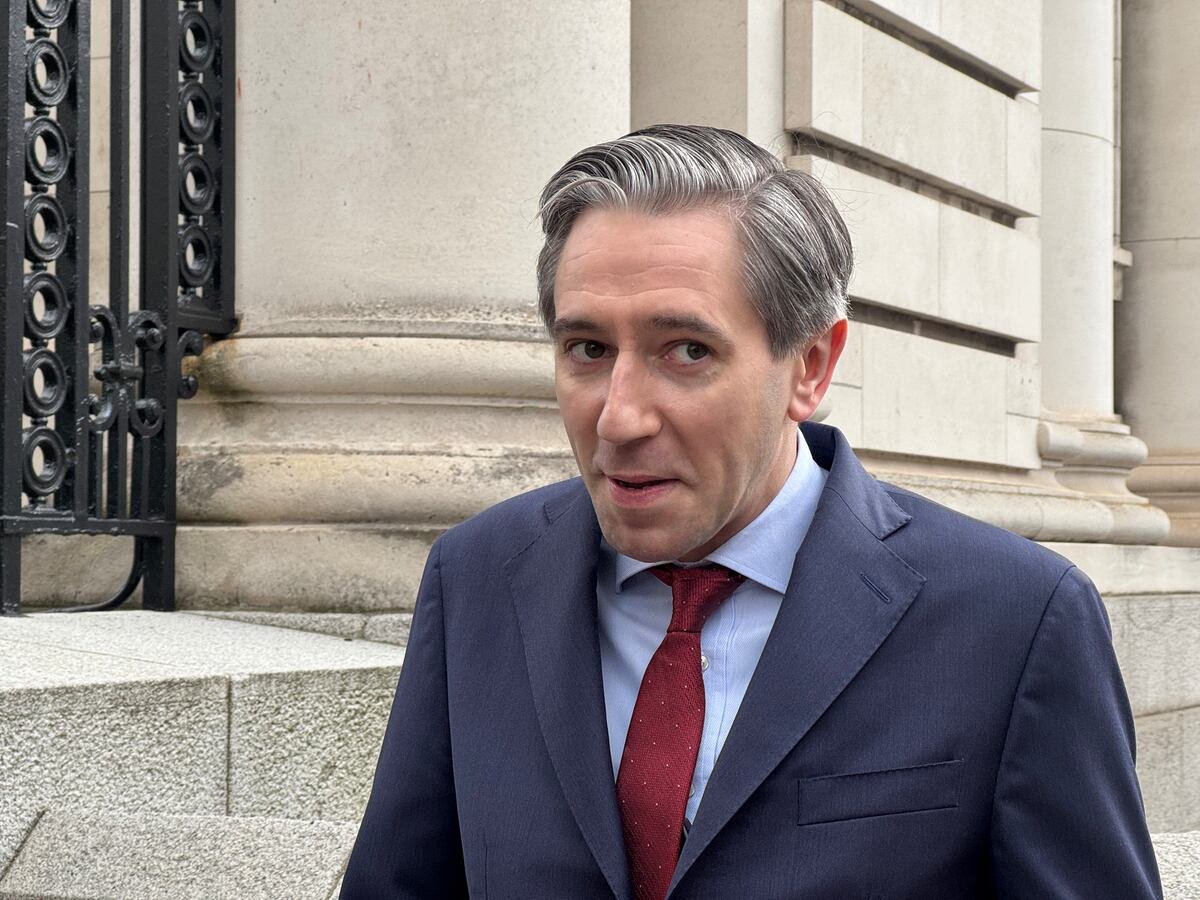
IRELAND —
Key facts
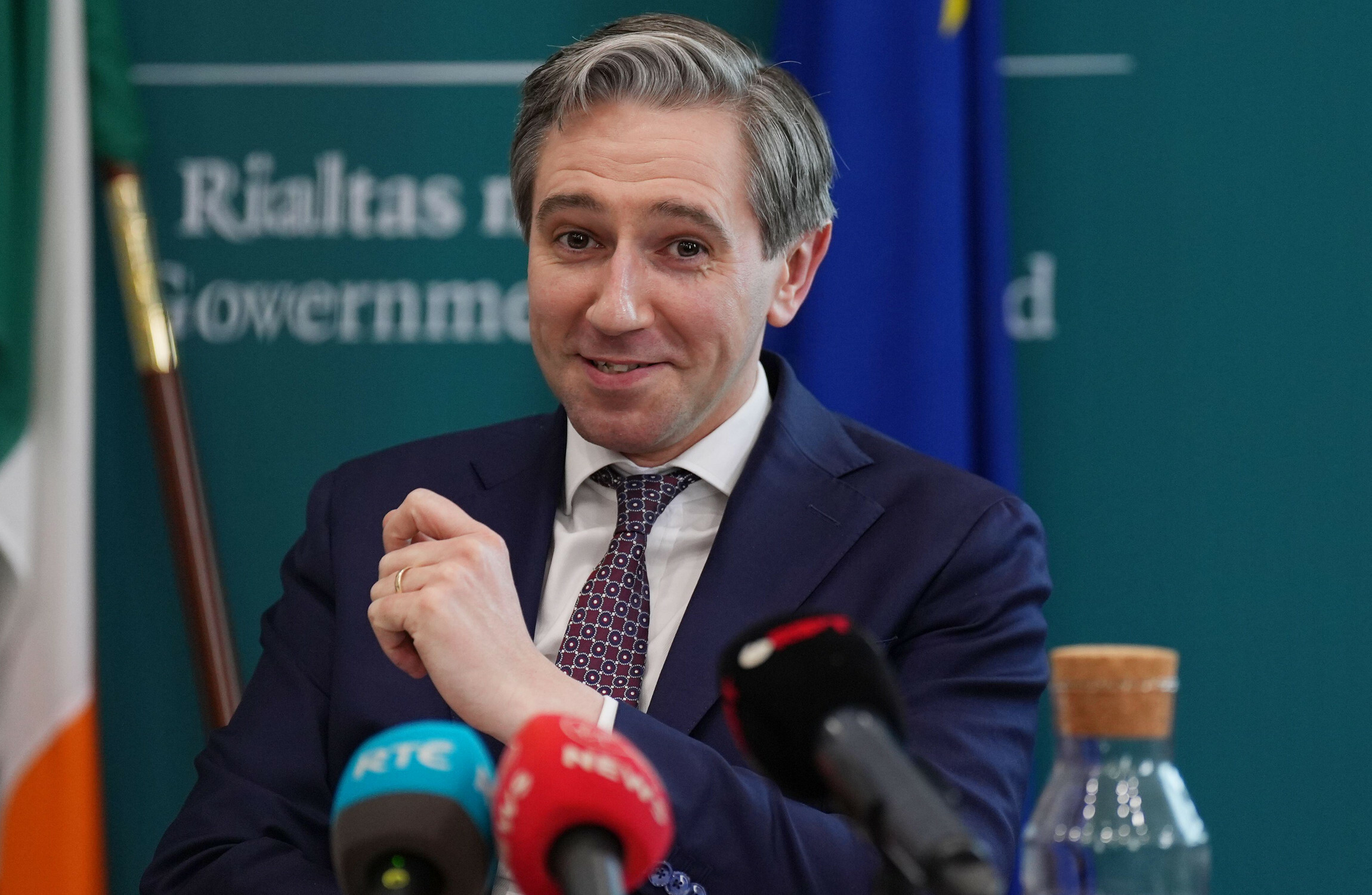
- Ireland's Minister for Finance, Simon Harris, plans a new personal investment account (PIA) scheme.
- The scheme aims to move €170 billion in Irish savings from deposits to capital markets.
- Economists Enda Hargaden and Barra Roantree will present concerns to an Oireachtas committee.
- The plan could create 'another hole' in the State's tax base, potentially costing billions.
- A Swedish ISK model, considered for the PIA, offers low annual taxes on investment value.
- This model disproportionately benefits high earners and those with high-return investments.
- Take-up is expected to be low among the bottom 20% of earners.
New Savings Vehicle Sparks Exchequer Concerns
A new personal investment account (PIA) scheme championed by Ireland's Minister for Finance, Simon Harris, is poised to create significant concerns regarding its impact on the State's finances. Scheduled for unveiling on budget day, the initiative aims to channel the vast €170 billion held in Irish deposit accounts into capital market investments. However, economists are preparing to present a stark warning to an Oireachtas committee: the plan could exacerbate existing inequalities and leave the State coffers diminished. This proposed regime, details of which remain largely undisclosed, is intended to incentivise Irish savers to diversify their holdings. Minister Harris indicated in late March that a flat-rate annual tax would likely be introduced with the budget, potentially serving as the sole form of taxation on investments within the new account. The precise nature of this tax – whether it applies to gains, income, or the entire fund above a certain threshold – is yet to be clarified. Based on preliminary information, the policy is anticipated to be regressive, favouring wealthier individuals while offering limited advantages to those on lower incomes. This potential skew has drawn sharp criticism from academic experts who will address the joint committee on finance this afternoon.
Economists Foresee 'Holes in the Tax Bucket'
Two economists are set to deliver a critical assessment of the proposed PIA scheme, arguing that it risks widening Ireland's tax deficit. Enda Hargaden, an assistant professor of economics at University College Dublin, will inform the committee that such tax expenditures already represent a substantial drain on State revenue, amounting to approximately €8 billion annually. Hargaden is expected to state that the consensus among economists and the Commission on Taxation and Welfare advocates for reducing these existing revenue leakages, not introducing new ones. The policy, he will argue, is "regressive in the aggregate" because lower-income households will find it difficult to participate meaningfully. Conversely, higher earners, particularly those with access to financial advice, are predicted to adopt the programme in significant numbers, thus reaping the largest benefits. This disparity in expected uptake underscores the economists' central concern: the scheme could disproportionately benefit the affluent at the expense of the broader exchequer.
Swedish Model's Drawbacks for Irish Savers
Barra Roantree, an assistant professor of economics at Trinity College Dublin, will focus his critique on the potential adoption of a Swedish-style ISK system as a model for Ireland's PIA. While this model is popular among beneficiaries for its simplicity and low tax rate – often below 1% on the investment's value – Roantree contends it would channel the most substantial gains to high earners. Under the Swedish approach, investors pay a low annual tax on the total value of their investments rather than income tax on dividends or capital gains tax on appreciation. Roantree will caution that this structure could lead to the biggest tax breaks being awarded to investments with the highest returns. Furthermore, Roantree plans to highlight that such a system could inadvertently result in higher relative taxes on investments yielding low or negative returns. He will argue that this outcome is difficult to justify economically, as high-return investments are generally less sensitive to taxation, and evidence suggests that wealthier, more skilled investors are more likely to achieve such returns.
Limited Engagement Expected for Lower Incomes
The projected impact on different income brackets is a central point of contention for the economists. Hargaden anticipates that the bottom 10% to 20% of earners in Ireland will have extremely limited capacity to engage with the PIA scheme in any substantial way. Consequently, take-up among this demographic is expected to be low, and the resulting benefits, if any, will be marginal. This contrasts sharply with the anticipated uptake among higher-income individuals, who are described as being "financially savvy" or having access to professional advisory services. These higher earners, potentially the top 10% to 20% of the income spectrum, are predicted to embrace the programme enthusiastically, leading to significant financial advantages. This divergence in participation and benefit highlights the inherent regressive nature of the proposed policy, according to the economists' analysis.
Broader Tax System Distortions
Beyond the specifics of the proposed PIA, Roantree intends to draw attention to the wider systemic issues within Ireland's current tax framework. He will argue that existing regulations already exert undue influence on how individuals choose to save and invest their money. The introduction of a new scheme, particularly one modelled on a system that benefits high-return investments, could further entrench these distortions. This raises questions about the overall efficiency and fairness of the national tax architecture. As the Oireachtas committee deliberates, these broader considerations add another layer of complexity to the debate surrounding the personal investment account, suggesting that the proposed solution may not address, and could even exacerbate, pre-existing challenges in the Irish financial landscape.
The bottom line
- Ireland's Minister for Finance, Simon Harris, is proposing a new personal investment account (PIA) to encourage capital market investment.
- Economists warn the scheme, potentially modelled on Sweden's ISK system, could disproportionately benefit wealthy individuals and high earners.
- Concerns have been raised that the PIA could create a new 'hole' in Ireland's tax base, potentially costing billions in lost revenue.
- The scheme is expected to see low participation and minimal benefits for the lowest 20% of income earners.
- Higher earners with access to financial advice are predicted to be the primary beneficiaries.
- The proposal is seen by some as regressive, potentially widening the gap between the rich and the poor.




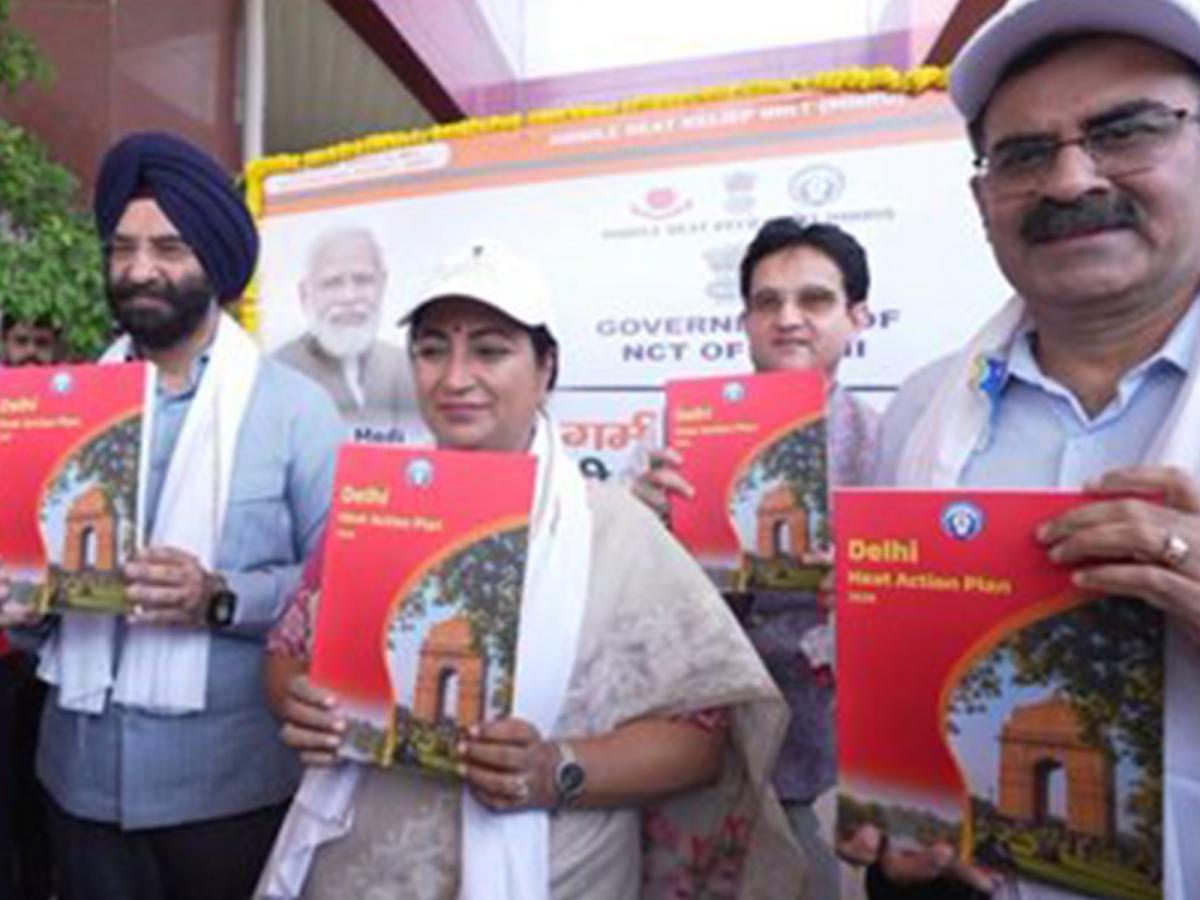
Delhi CM Launches 'War Against Heat' Initiative Amid Scorching Temperatures
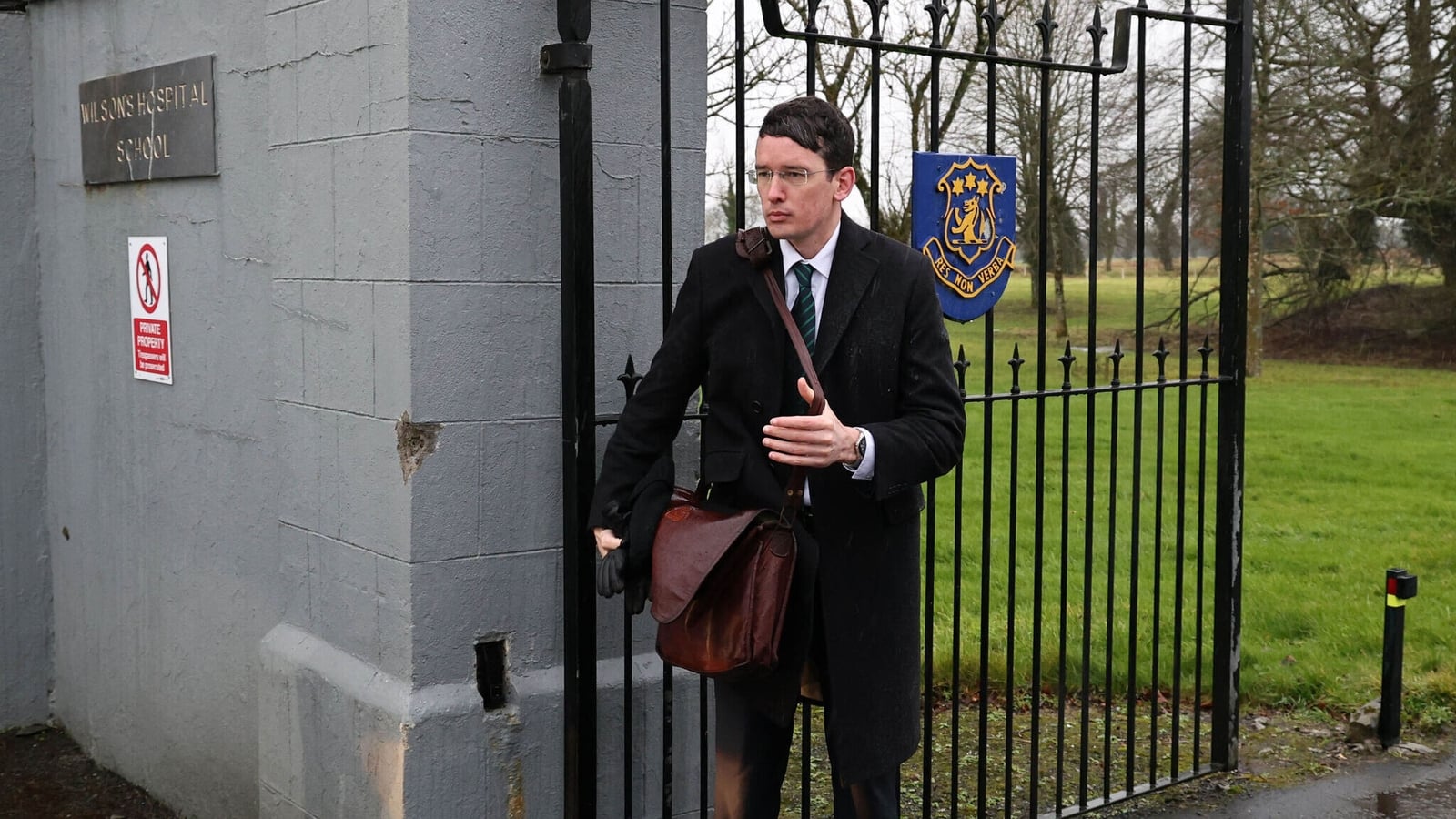
Enoch Burke Remains in Prison After Refusing to Purge Contempt, Disciplinary Appeal 'Crashes'

CAO Change of Mind opens today: Students can amend course choices until July 1