Ireland Considers Overhaul of Jobseeker's Allowance Rules
Government launches consultation on new payment system to better reflect modern work patterns and reduce poverty.
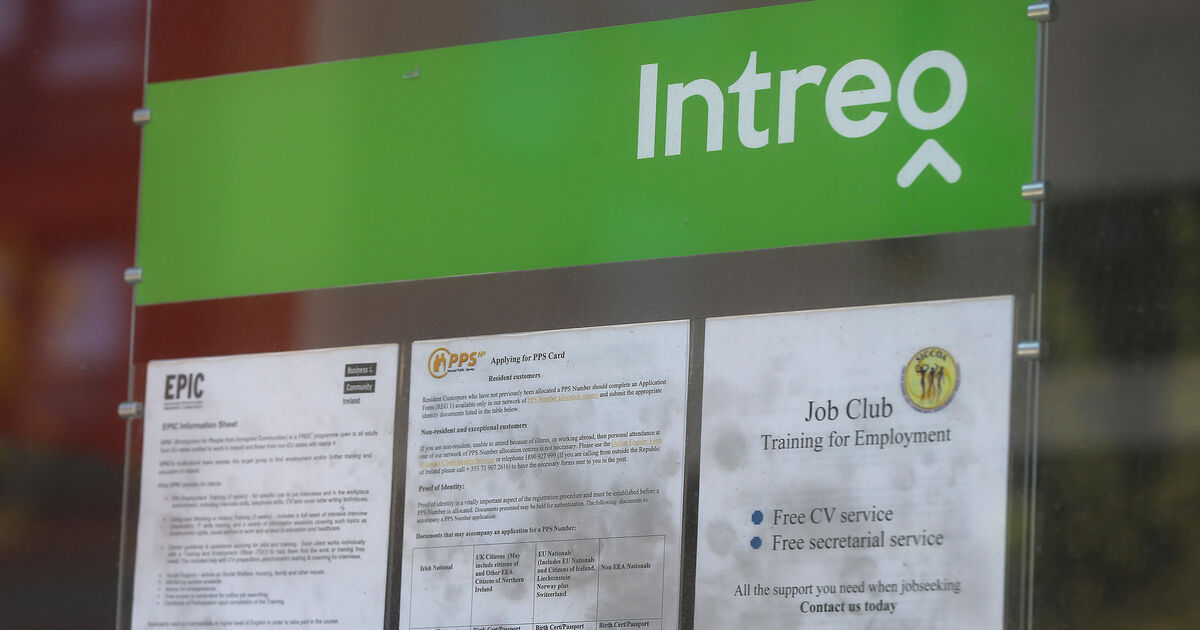
IRELAND —
Key facts
- Ireland's Department of Social Protection is consulting on changes to Jobseeker's Allowance.
- The current 'four in seven' rule assumes a five-day working week.
- Reform aims to encourage taking on additional work and avoid 'cliff edges' in support.
- A new working age payment and a targeted child payment are under consideration.
- The consultation closes on June 12, 2026.
- Jobseeker's Allowance is currently €254 per week for single people.
Government Rethinks Work Support Rules
Ireland's government is actively considering a significant reform of its Jobseeker's Allowance, a cornerstone of the nation's social welfare system. A public consultation is now underway, examining whether to alter the long-standing rules that restrict recipients to working no more than three days a week. This move signals a potential departure from traditional employment models, acknowledging that the current framework may no longer align with the realities of modern work. The initiative stems from a discussion document published by the social protection minister, Dara Calleary TD. The proposals aim to create a more flexible system that supports unemployed and low-income workers while simultaneously addressing child poverty through a potential new targeted child payment. The overarching goal is to ensure that the social welfare system remains effective in reducing poverty, as it has been within the European Union. No definitive decisions have been made, with the government emphasizing that the consultation process is crucial for gathering public and stakeholder views. The ultimate outcome could range from maintaining the status quo to implementing fundamental reforms based on the feedback received.
The 'Four in Seven' Rule Under Scrutiny
At the heart of the proposed changes is the 'four in seven' rule, a critical criterion for qualifying for Jobseeker's Allowance. This rule operates on the assumption of a standard five-day working week, from 9 am to 5 pm, requiring individuals to be unemployed for at least four days within any given seven-day period. The rule applies to those aged 18 to 66 who are either unemployed or work three days a week or less. However, the consultation document argues that this rule is outdated and can actively discourage people from seeking additional employment. The current assessment method treats any amount of work within a single day as equivalent, meaning one hour of work is counted the same as eight hours. This can create disincentives for individuals to take on extra hours or multiple part-time roles, as it might jeopardize their allowance. Furthermore, the existing framework may inadvertently influence employers to structure work schedules around the three-day limit, potentially hindering broader employment opportunities. The government acknowledges that many households now combine various part-time jobs, a reality not reflected in the current 'four in seven' stipulation.
A New Framework for Working Age Payments
The government's proposed alternative centres on a more fluid, income-based calculation for payments. Instead of rigid day or hour restrictions, the new model would assess payments based on a percentage of the difference between an individual's weekly income and a state-determined threshold. This approach aims to allow recipients to take on as much work as they can, provided their earnings remain within set household income limits. Under this system, as a person's income increases and approaches the threshold, their payment would gradually decrease. This gradual reduction is designed to eliminate the abrupt 'cliff edge' where support is suddenly withdrawn, a common criticism of current welfare systems. Such a mechanism would encourage individuals to increase their earnings without the fear of losing all assistance at once. The current Jobseeker's Allowance provides a payment of €254 per week for single individuals. The proposed system seeks to build upon this foundation, ensuring that support is more responsive to fluctuating income levels and encourages a smoother transition towards full-time employment.
Addressing Child Poverty with Targeted Support
Beyond the working age payment, the consultation also explores the introduction of a new, targeted child payment. This initiative is designed to specifically address child poverty by establishing a standalone weekly payment for low-income families with children. The aim is to provide more direct and effective support to households struggling to meet the costs of raising children. This potential new payment is intended to complement, not replace, existing supports. Specifically, the Child Benefit payment, a universal support for families, will remain unchanged and will not be affected by the introduction of any new schemes. The focus is on creating additional, targeted assistance for those most in need. The government views this as a crucial step in fulfilling its Programme for Government commitments. By examining all options and gathering diverse perspectives, it hopes to refine the social welfare system to better combat child poverty and bolster low-income households.
Consultation and Next Steps
The discussion document, launched by Minister Calleary, outlines the broad parameters of these potential reforms and invites public and stakeholder input. It presents arguments for and against making changes, alongside specific ideas designed to stimulate discussion. The closing date for submissions is 5 p.m. on June 12, 2026, providing a substantial window for comprehensive feedback. Minister Calleary has expressed a keen interest in hearing from all stakeholders, emphasizing his openness to alternative suggestions for improving the system. The government is committed to a thorough review of all feedback before making any final decisions on the future of the social welfare system. The final design of both the new working age payment and the targeted child payment will be determined following this extensive consultation process. The government's approach underscores a commitment to evidence-based policy-making, ensuring that any reforms are well-informed and effectively serve their intended purpose of poverty reduction and employment support.
The bottom line
- Ireland is reviewing its Jobseeker's Allowance to align with modern work realities.
- The 'four in seven' rule, based on a traditional five-day week, is being challenged.
- A new payment system could link benefits to income rather than days worked, avoiding 'cliff edges'.
- A separate targeted child payment is proposed to combat child poverty.
- The government is seeking public and stakeholder input through a consultation closing June 12, 2026.
- Existing Child Benefit payments will remain unaffected by these potential reforms.


Delhi CM Launches 'War Against Heat' Initiative Amid Scorching Temperatures
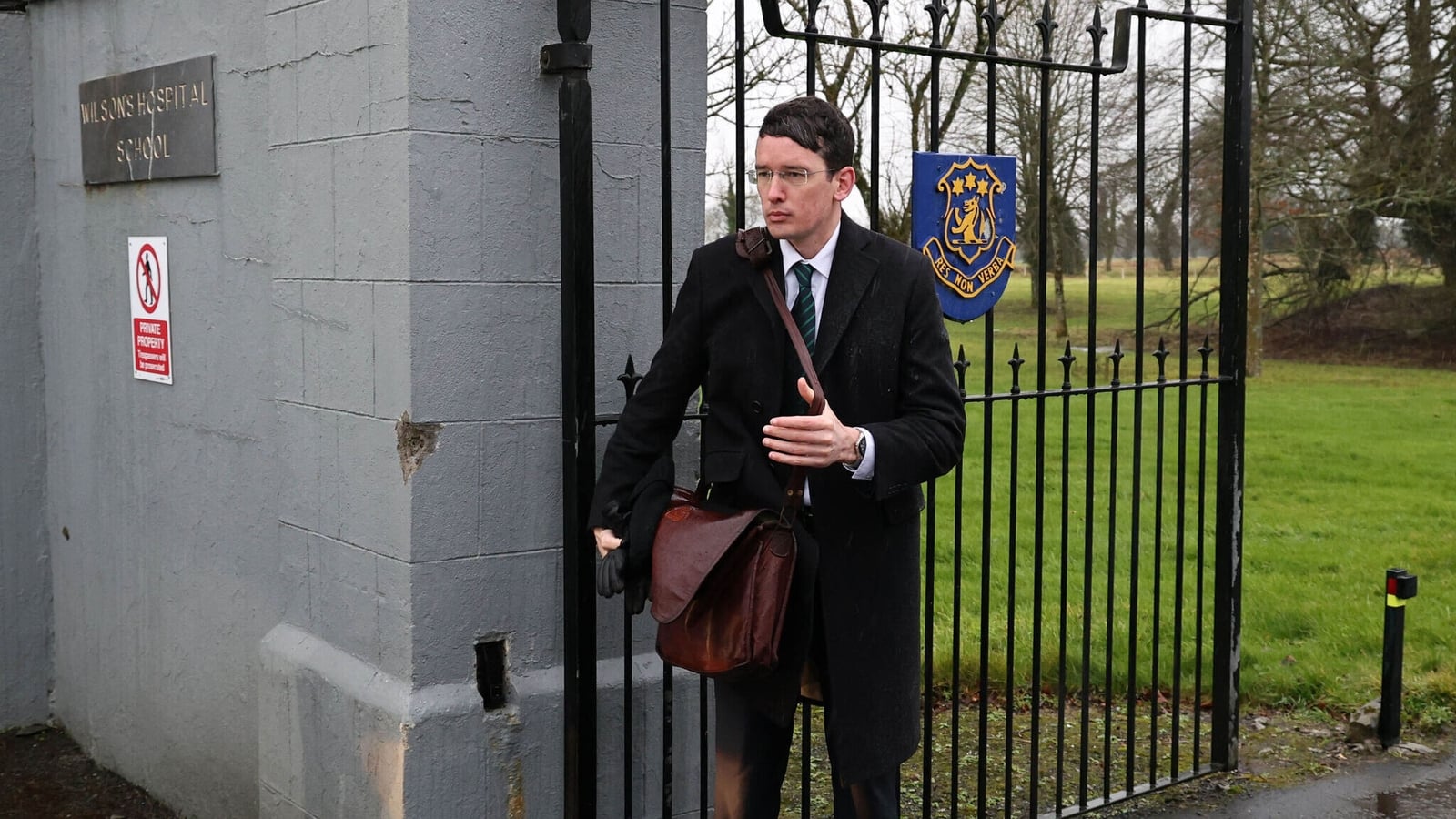
Enoch Burke Remains in Prison After Refusing to Purge Contempt, Disciplinary Appeal 'Crashes'

CAO Change of Mind opens today: Students can amend course choices until July 1