Hantavirus Outbreak on Cruise Ship Puts Spain's Canary Islands on Alert
A vessel carrying potentially infected passengers is set to dock in Tenerife, raising concerns about disease containment.
IRELAND —
Key facts
- Three passengers have died from hantavirus on the MV Hondius cruise ship.
- The ship is expected to dock in Spain's Canary Islands by Saturday.
- The Dutch couple who died had travelled through Chile, Uruguay, and Argentina.
- Argentina is the country with the highest incidence of hantavirus in Latin America.
- Approximately 40 passengers disembarked before the outbreak was reported.
- The Andes strain of hantavirus, which can spread between humans, has been identified.
- Spain is among several countries receiving genetic material and testing equipment from Argentina.
Cruise Ship Nears Spanish Coast Amid Hantavirus Fears
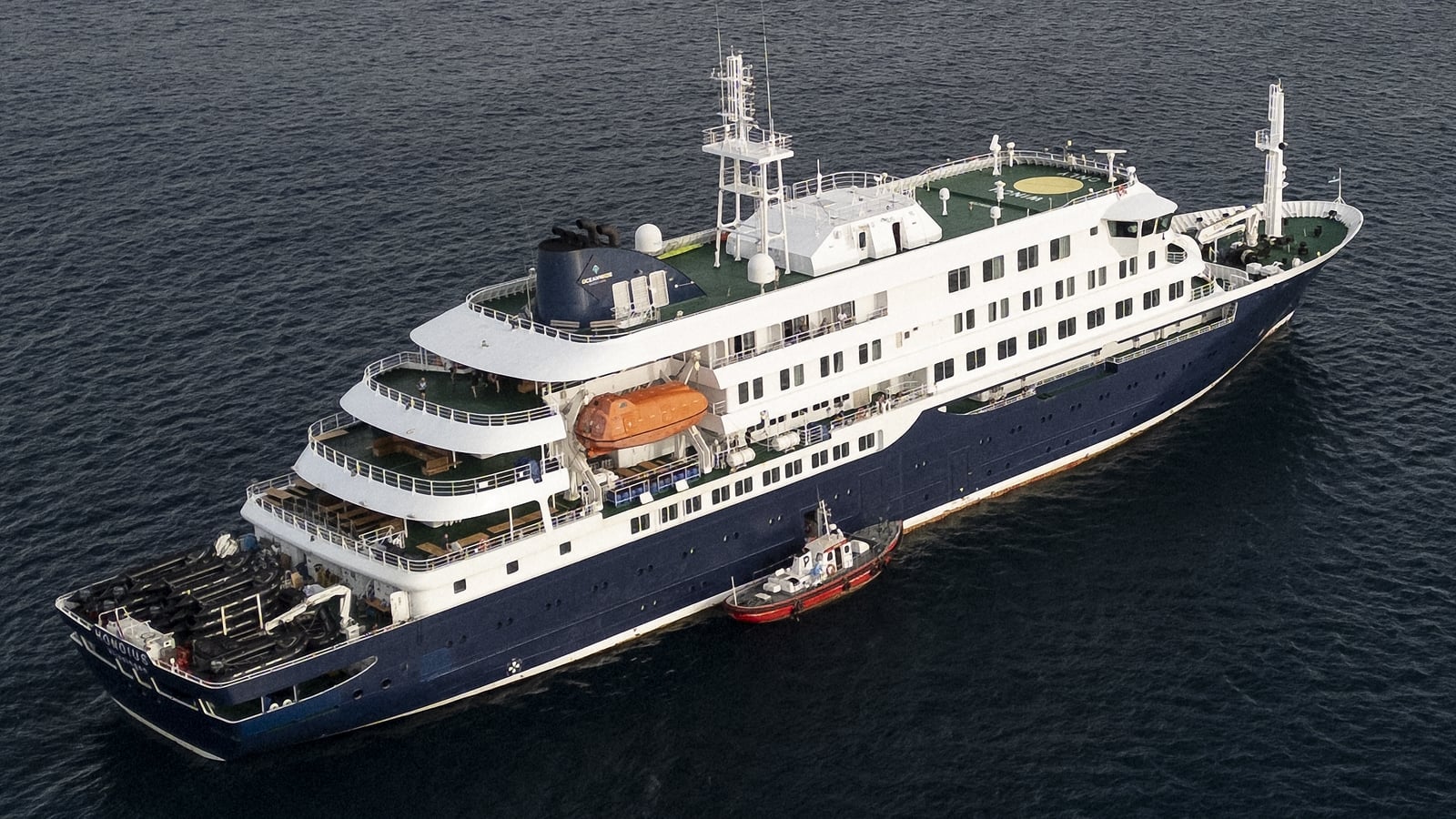
Nations worldwide are urgently working to track down individuals who disembarked from the cruise ship MV Hondius before it became stranded off the coast of Cape Verde. The vessel, now en route to Spain's Canary Islands, carries the specter of a hantavirus outbreak that has already claimed three lives. Health authorities are on high alert as the ship, with nearly 150 people on board, approaches Tenerife. The potential for further spread of the virus, even in its rare human-to-human transmission form, has prompted a global scramble for contact tracing. The looming arrival in Spanish territory underscores the international dimension of the crisis, as efforts intensify to contain the disease before it can reach new shores.
Deadly Outbreak Traced to South American Travels
The outbreak on the MV Hondius has so far resulted in three fatalities: a Dutch couple and a German national. Eight other individuals, including a Swiss citizen, are suspected of contracting the virus, according to the World Health Organization. The Dutch couple, who died aboard the ship and subsequently before reaching their home country, had embarked on a journey through Chile, Uruguay, and Argentina. Argentina's health ministry confirmed their travel history, noting their arrival in Argentina on November 27 and subsequent travels before boarding the Hondius on April 1. Argentinian officials are now focusing their investigation on Ushuaia, the southern city from which the cruise ship departed, to pinpoint the origin of the infection. The specific strain identified, the Andean virus, is known to cause a severe and often fatal lung disease.
Passengers Disembarked Before Outbreak Was Known
A significant concern for health officials is the fate of approximately 40 passengers who disembarked the MV Hondius at Santa Helena, an island stopover en route to Cape Verde, before the hantavirus outbreak was publicly reported. The whereabouts of many of these individuals remain unknown. Among those who disembarked was the wife of the first Dutch passenger to die. She fell ill herself and passed away before she could return to the Netherlands. Dutch airline KLM confirmed that she was removed from a flight in Johannesburg on April 25 due to her declining health. Reports indicate that 23 passengers who disembarked on St Helena on April 23rd have since returned to their home countries, including the United States. American passengers are reportedly being monitored in Georgia, California, and Arizona, though none have exhibited symptoms.
Argentina Grapples with High Hantavirus Incidence
Argentina is a focal point in the investigation, given its status as the country with the highest incidence of hantavirus in Latin America, according to the World Health Organization. 101 hantavirus infections since June 2025, a figure roughly double that of the previous year. Experts have stressed that human-to-human transmission of hantavirus is rare, typically occurring through contact with infected rodents or their excrement. However, the Andean strain has been known to spread among close contacts in some past outbreaks, raising the stakes for current containment efforts. The Argentinian health ministry stated that the Andes virus can lead to hantavirus pulmonary syndrome, a condition with a mortality rate of nearly one-third in the past year. The virus found in the MV Hondius victims has been confirmed as this specific strain.
International Cooperation in Disease Detection
As the MV Hondius approaches Spain, international collaboration is key to managing the potential spread of the virus. Argentina has pledged support to several nations, including Spain, Senegal, South Africa, the Netherlands, and the United Kingdom, by providing genetic material from the Andes virus and testing equipment. This assistance aims to bolster detection capabilities in countries that may receive passengers from the ship or have had contact with infected individuals. The United States' Centers for Disease Control and Prevention (CDC) has stated it is closely monitoring the situation, particularly concerning American travelers, while assessing the risk to the general public as extremely low. A French citizen has been identified as having been in contact with a sick individual, though they are not currently symptomatic. This highlights the extensive network of potential exposures that health authorities are working to map.
Navigating the Path Forward
The imminent docking of the MV Hondius in Tenerife presents a critical juncture for health authorities. While the ship's arrival is expected by Saturday, the precise protocols for managing passengers and crew, and for preventing potential onward transmission, remain paramount. Officials are racing against time to trace all individuals who may have been exposed, both on the ship and among those who disembarked at various ports. The success of these efforts will determine the extent to which the hantavirus outbreak can be contained. The situation underscores the interconnectedness of global health security and the challenges posed by infectious diseases in an era of frequent international travel. The coming days will reveal the effectiveness of the coordinated response in mitigating the impact of this rare but dangerous viral threat.
The bottom line
- A hantavirus outbreak on the MV Hondius cruise ship has resulted in three deaths and several suspected infections.
- The ship, carrying nearly 150 people, is scheduled to dock in Spain's Canary Islands, prompting international health alerts.
- The victims had travelled through South America, with investigations focusing on Argentina, a country with a high incidence of hantavirus.
- Concerns are high regarding approximately 40 passengers who disembarked at Santa Helena before the outbreak was known.
- The identified strain, the Andean virus, can spread among humans through close contact, though this is considered rare.
- Spain, along with other nations, is receiving diagnostic support from Argentina to aid in detection efforts.



Hantavirus Outbreak on Polar Cruise Ship Kills Three, Sickens Five
Luis Díaz's Champions League Surge Fuels Bayern Munich's Ambitions

Safonov's Penalty Prowess Tested as PSG Faces Bayern in Champions League Semifinal Showdown