Tesla Q1 Revenue Rises 16% to $22.4B as Capex Jumps 25% in Shift to AI and Robotics
The electric-vehicle maker posts record gross margins and a profit beat, but a surge in capital spending signals a strategic pivot away from automotive toward autonomous driving and robotics.
IRELAND —
Key facts
- Q1 2026 revenue rose 16% year over year to $22.4 billion.
- Adjusted EPS of $0.41 beat consensus estimates of $0.37.
- Gross margin hit 21.1%, the strongest in several quarters.
- Auto gross margin excluding regulatory credits improved to 19.2%.
- Capex guidance jumped to over $25 billion, 25% above prior plan.
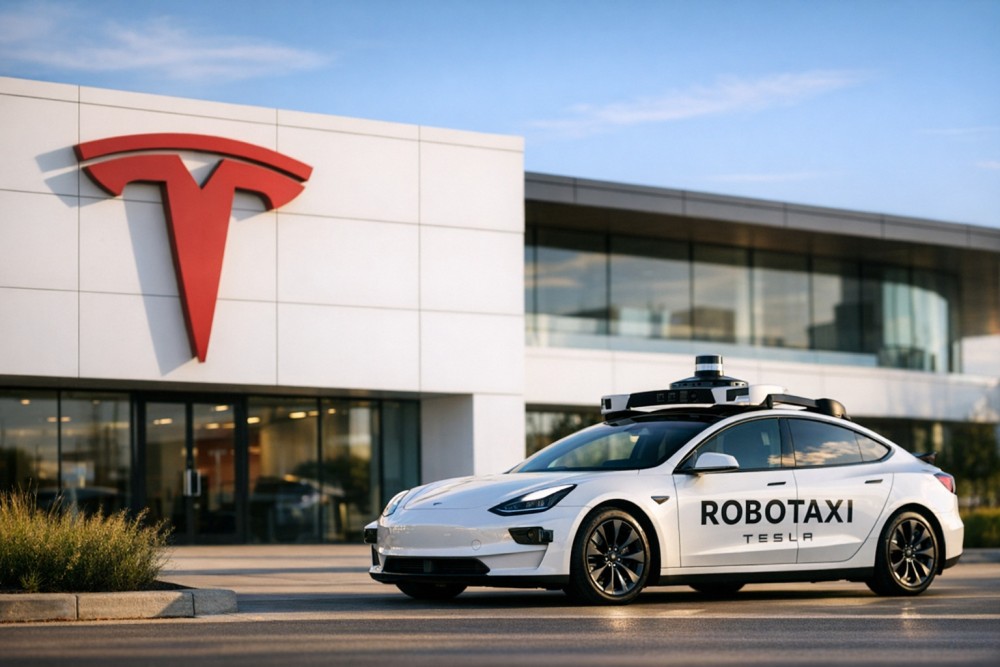
- Robotaxi service expanded to Austin, Dallas, and Houston.
- Energy storage revenue fell 12% to $2.41 billion amid price normalization.
- Order backlog reached highest level in over two years entering Q2.
A Tale of Two Reports: Strong Income Statement, Aggressive Spending Plan
Tesla’s first-quarter earnings delivered a clean beat on profits, but the accompanying capital expenditure guidance reset investor expectations for the year. Revenue climbed 15.8 percent year over year to $22.4 billion, while adjusted earnings per share reached $0.41, surpassing the $0.37 consensus estimate. Gross margin expanded to 21.1 percent, the highest reading in several quarters, and operating income rose to $0.9 billion. Yet the headline numbers masked a deeper shift. The company raised its 2026 capex guidance to over $25 billion, a 25 percent increase from the prior plan announced just three months ago. The spending surge is earmarked for AI compute infrastructure, Cybercab production, and the Optimus humanoid robot, signaling Tesla’s transformation from an automaker into an AI and robotics platform.
Auto Segment Shows Resilience Amid Tougher Comparisons
Automotive revenue rose 16 percent to $16.2 billion, driven by a record order backlog that entering the second quarter was the highest in over two years. That backlog provides visibility into the next two quarters even as deliveries face increasingly difficult year-over-year comparisons. Auto gross margin, excluding regulatory credits, improved to 19.2 percent, reflecting better cost control and mix. Free cash flow remained positive at around $1.4 billion, offering a cushion as the company ramps spending. The strong order book suggests demand remains robust despite broader economic uncertainty and rising competition in the EV market.
Robotaxi Expansion and the Hardware 3 Bottleneck
Tesla expanded its robotaxi service to Austin, Dallas, and Houston, building on earlier deployments. However, the company cautioned that revenue from the service will remain immaterial in 2026. A key constraint emerged: vehicles equipped with Hardware 3 cannot run unsupervised full self-driving without costly retrofits, capping the potential for fleet monetization in the near term. This hardware limitation means that only newer vehicles with Hardware 4 or later can participate in the unsupervised robotaxi network, limiting the addressable fleet. The company faces a strategic choice between retrofitting existing cars or accelerating production of new, compatible vehicles.
Energy Storage Stumbles as Price Normalization Bites
The energy storage business, once a high-growth bright spot, reported revenue of $2.41 billion, down 12 percent from the year-ago period. The decline reflects price normalization as the market digests earlier capacity additions and competition intensifies. Despite the revenue drop, the segment remains profitable and is expected to contribute to overall margins as volumes scale. Tesla’s energy business had been a key diversifier, but the current quarter’s performance underscores the volatility inherent in the storage market. Analysts will watch for signs of a rebound in coming quarters as new projects come online.
The AI and Robotics Bet: Capex Guidance as a Strategic Signal
The $25 billion capex plan represents a decisive pivot. By allocating the bulk of spending to AI compute, Cybercab, and Optimus production, Tesla is effectively betting its future on autonomous technology and robotics rather than traditional vehicle manufacturing. The 25 percent increase in a single quarter underscores the urgency with which the company is pursuing these goals. Investors now face a dual narrative: near-term profitability supported by strong auto margins, versus a long-term capital-intensive transformation that may depress free cash flow for years. The market’s reaction will hinge on whether the AI and robotics investments deliver tangible returns before the auto business faces headwinds from maturing EV demand.
Outlook: Execution Risk Looms Over Ambitious Plans
Tesla enters the second quarter with its strongest order book in two years, providing a buffer against slowing demand. But the capex ramp introduces execution risk: scaling AI compute, Cybercab production, and Optimus simultaneously strains engineering and manufacturing resources. The company must also navigate the Hardware 3 retrofit challenge and the energy storage segment’s price normalization. If Tesla can execute on its spending plan while maintaining auto margins, it could emerge as a leader in autonomous mobility and robotics. If not, the heavy investment could weigh on returns for years. The next two quarters will be critical in determining whether the pivot is a visionary leap or a costly gamble.
The bottom line
- Tesla’s Q1 revenue rose 16% to $22.4B, with adjusted EPS of $0.41 beating estimates by $0.04.
- Gross margin hit 21.1%, the highest in several quarters, driven by auto margin improvement.
- Capex guidance jumped 25% to over $25B, focused on AI, Cybercab, and Optimus production.
- Robotaxi service expanded to three Texas cities but revenue remains immaterial in 2026.
- Hardware 3 vehicles cannot run unsupervised FSD without costly retrofits, limiting fleet monetization.
- Energy storage revenue fell 12% to $2.41B due to price normalization.
- Order backlog reached a two-year high, providing near-term visibility for auto sales.


Chris Wood's penalty gives Nottingham Forest 1-0 lead over Aston Villa in Europa League semi-final first leg

Man Charged with Murder of Czech Mother Yveta Donovalova in Waterford

Aer Lingus Launches Three New Short-Haul Routes This Weekend, Expanding Summer Schedule to 24 North American Destinations