United Ireland Debate Ignites Over Irish Language's Future
by Conradh na Gaeilge positions the Irish language as a central, not divisive, element of unification.

IRELAND —
Key facts
- commissioned by Conradh na Gaeilge examines the role of the Irish language in a united Ireland.
- The report, authored by Róisín Nic Liam, was launched in Belfast on a Tuesday.
- Conradh na Gaeilge amended its constitution in February to pursue a united Ireland for the benefit of the Irish language.
- The 2022 census shows fewer than 72,000 people in the Republic of Ireland use Irish daily.
- suggests a Citizens' Assembly on Irish unity should be convened in 2028.
- Ireland assumes the Presidency of the Council of the European Union in July, with official communications in Irish.
- Advocates like Jim O’Callaghan and Neale Richmond have previously stated Irish would not be compulsory in a united Ireland.
Language Rights at the Forefront of Unification Debate
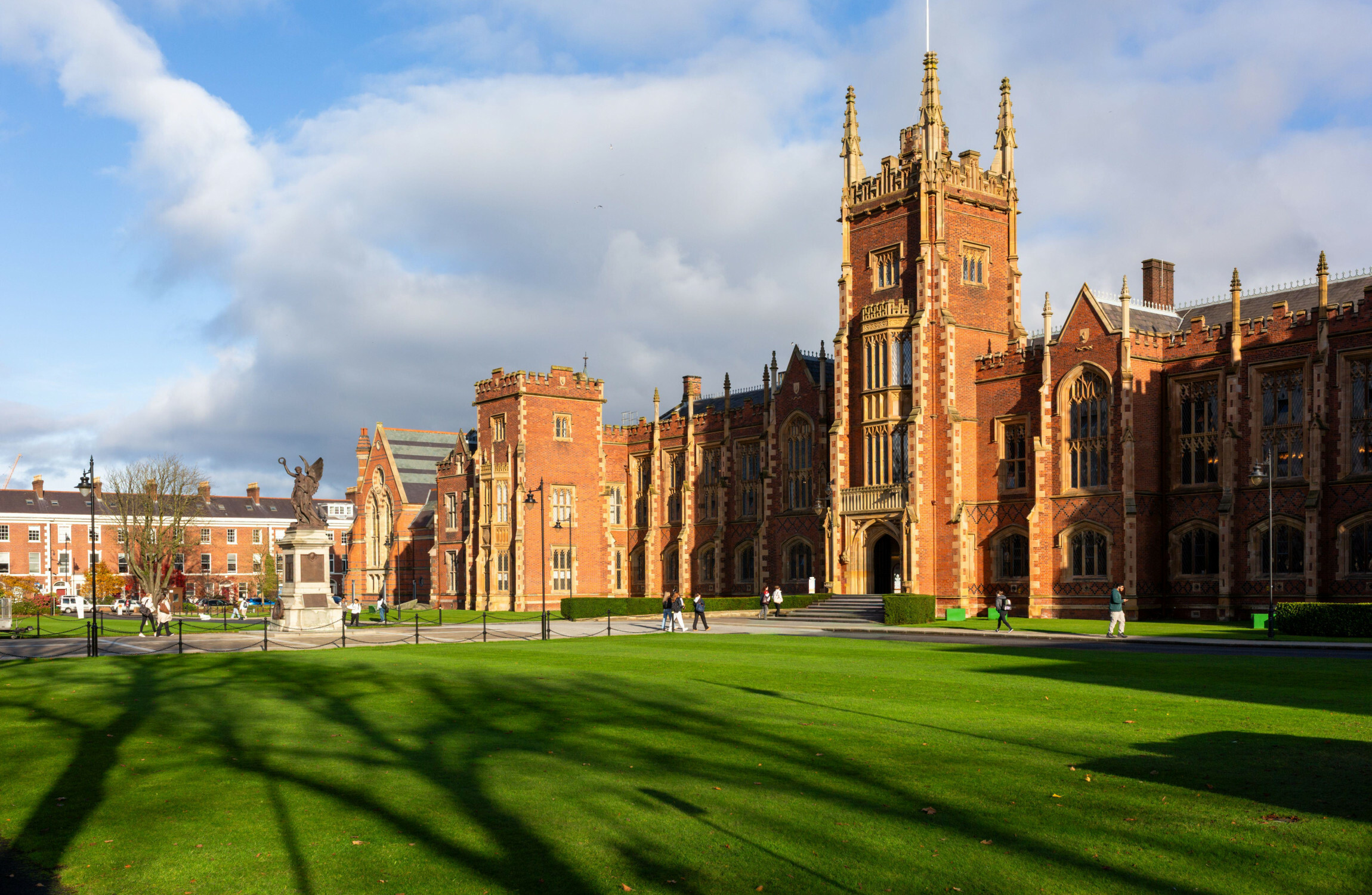
The prospect of a united Ireland, a subject of increasing discussion, is now sharply focused on the future of the Irish language. A new report, launched in Belfast, argues that the language should be a cornerstone of any new all-island state, rather than an obstacle. This intervention comes as the language faces a stark contradiction: a surge in cultural visibility juxtaposed with a steep decline in daily usage according to recent census data. The report, titled 'A United Ireland: A Transformative Opportunity for the Irish Language and Gaeltacht,' was commissioned by Conradh na Gaeilge following grassroots calls to define the organisation's stance on unification. It challenges the prevailing view that the language's status could become a point of contention, particularly with unionist communities, and instead frames it as an opportunity for reconciliation and the enhancement of rights. This academic paper, authored by Queen’s University doctoral student Róisín Nic Liam, seeks to reframe the debate. It posits that viewing the Irish language through the lens of colonialism and partition offers a path to understanding historic truths and could foster genuine reconciliation.
Challenging the Consensus on Compulsion
A key point of contention addressed by the report is the future of compulsory Irish language education and its role in employment. While there has been a broad consensus among some political figures, including Fianna Fáil TD Jim O’Callaghan and Fine Gael TD Neale Richmond, that compulsion should end in a united Ireland, Conradh na Gaeilge is pushing back. O’Callaghan, in a 2021 interview, stated that no one would be forced to speak Irish and that unionists would not be pressured to learn the language. This perspective, which sees ending compulsion as a potential bargaining chip for reconciliation alongside new symbols like a flag and anthem, is directly challenged by Nic Liam's report. stops short of demanding the continuation of compulsion but strongly implies that its removal would represent a regression. It argues that the language should not be treated as a divisive issue to be traded away, but rather as an integral part of a new Ireland, a concept that may prove jarring to those accustomed to the current establishment's approach.
A Grassroots Push for a Unified Stance
The report's genesis lies in motions passed at Conradh na Gaeilge's Ard Fheis in February. These resolutions amended the organisation's constitution, making it an explicit goal to 'act towards a United Ireland for the benefit of the Irish language and the Gaeltacht.' This decision was not without internal dissent, as some members worried that such a political objective could alienate potential supporters, including Irish speakers from the unionist community. Despite these concerns, the motion passed by a significant majority, signalling a determined effort from the organisation's leadership to align with its members' aspirations. The report's launch in Belfast underscores this commitment, positioning Conradh na Gaeilge as a proactive force in shaping the discourse around unification. Nic Liam herself noted that many discussions about constitutional change have framed the Irish language negatively, overlooking its role as a living community language and a rights-based issue. aims to counteract this 'reductive negative framing' and encourage a more positive, rights-focused approach.
Colonial Legacies and Reconciliation
The report's author, Róisín Nic Liam, argues that framing the strengthening of the Irish language as a correction for the wrongs of colonialism and partition could be a powerful tool for reconciliation. This perspective, she suggests, could compel a recognition of historic truths and the enduring impact of 'imperial mindsets.' While Nic Liam cites other academics who share this view, she acknowledges that such arguments might appear as an 'unwitting parody' to unionists and others, potentially seen as a republican conviction that unity will resolve all issues. The implication is that this viewpoint, born from academic discourse, may not immediately resonate with those outside of that sphere. However, the report's influence is expected to grow. As an organisation with considerable standing, Conradh na Gaeilge's advocacy for this perspective will likely move beyond academic circles, prompting broader consideration of the language's historical context and its potential role in a future Ireland.
Proposals for Future Engagement
Looking ahead, the report outlines concrete steps for Conradh na Gaeilge and other stakeholders. It recommends that the organisation host an academic conference on the Irish language in a united Ireland before the end of the current year, alongside thematic events at its regular gatherings, such as Oireachtas na Samhna. Furthermore, the report urges Conradh na Gaeilge to collaborate with civil society leaders and political figures to formally appeal to the Irish Government. The objective is to initiate planning for constitutional change, with a specific focus on the implications for the Irish language and the Gaeltacht regions. A significant recommendation is the establishment of a Citizens' Assembly to be part of this planning process. suggests that 2028 would be a timely year for such an assembly, marking thirty years since the signing of the Good Friday Agreement, which laid out the framework for potential unification.
The Paradox of Cultural Prominence and Decline
The debate unfolds against a backdrop of striking contradictions for the Irish language. On one hand, it is experiencing a significant cultural renaissance, appearing on platforms like Netflix and Duolingo, and set to gain unprecedented international visibility as Ireland assumes the Presidency of the Council of the European Union in July. During this presidency, official EU communications will be issued in Irish, a historic first, and Irish ministers are encouraged to use the language in sessions. Constitutionally, Irish is the Republic of Ireland's first official language, yet census data paints a starkly different picture of its everyday use. The 2022 census revealed that fewer than 72,000 people in the Republic use Irish daily, a figure that stands in sharp contrast to the 40% who can speak it. This disparity highlights a profound disconnect between official status, cultural aspiration, and practical usage. This paradox, where the language is both the most officially protected minority language in the EU and an endangered tongue facing the potential loss of its last native speakers within a generation, underscores the urgency and complexity of the discussions surrounding its future, particularly in the context of a united Ireland.
The bottom line
- by Conradh na Gaeilge champions the Irish language as a positive, rights-based element of a united Ireland.
- challenges the consensus that compulsory Irish in education should end, suggesting it would be a backward step.
- The organisation's leadership has formally adopted the pursuit of a united Ireland as a goal for the benefit of the Irish language.
- Proposals include an academic conference, an appeal to the Irish Government for planning, and a Citizens' Assembly in 2028.
- The Irish language faces a paradox of growing cultural visibility alongside a sharp decline in daily speakers, according to census data.
- The debate over a united Ireland is increasingly incorporating the complex status and future of the Irish language.





Ryanair CEO Calls for Ban on Pre-Flight Alcohol Sales
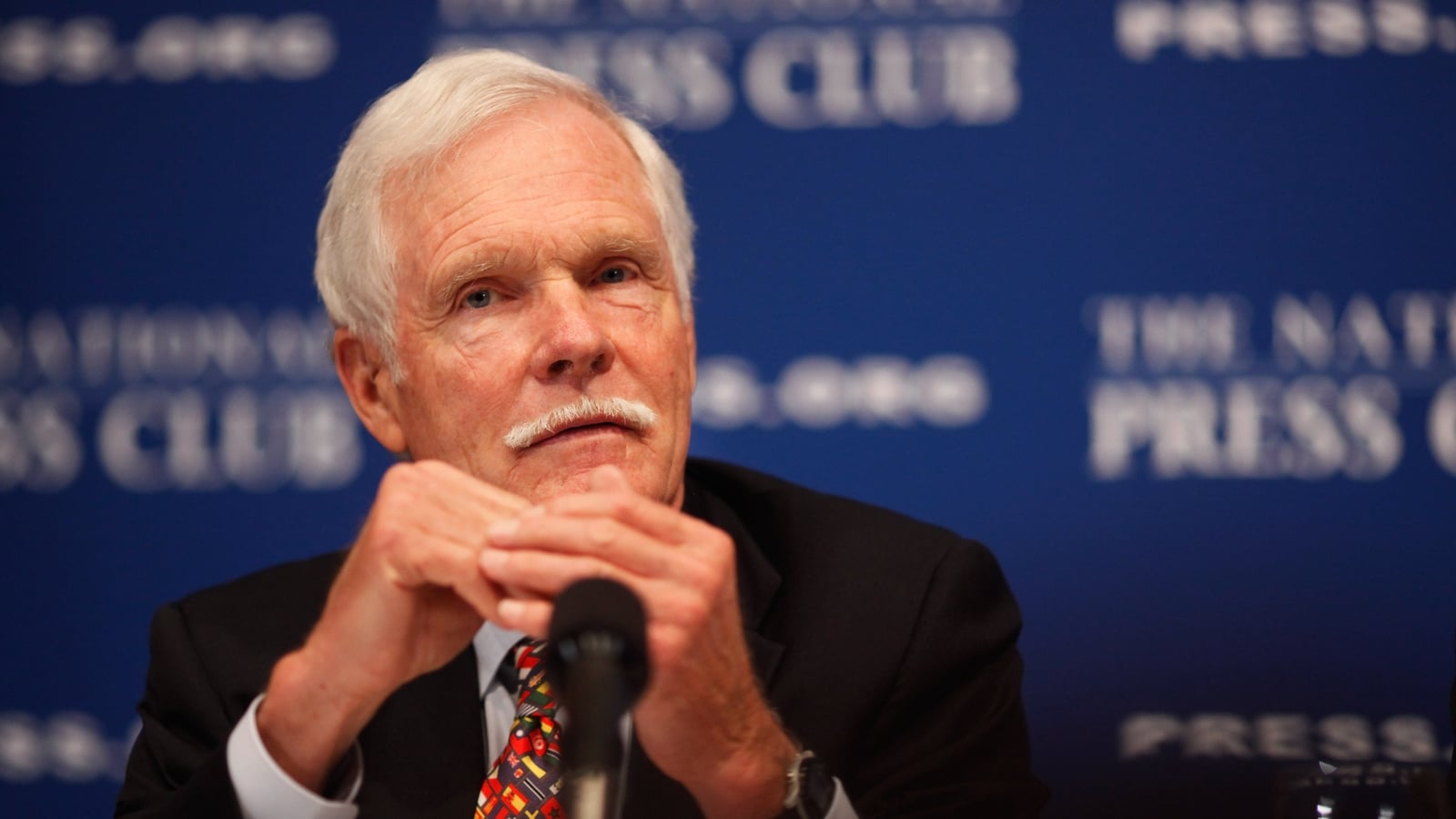
Ted Turner, CNN Founder Who Revolutionized Television News, Dies at 87
Late Drama and Managerial Shake-Ups Define League of Ireland Weekend