Putin retreats to bunkers as FSO tightens security amid coup and assassination fears
A European intelligence dossier reveals unprecedented measures — including surveillance of staff homes and a ban on mobile phones — as the Kremlin fears a drone attack or a plot by elites.

IRELAND —
Key facts
- The FSO has installed surveillance systems in the homes of Putin’s cooks, bodyguards and photographers.
- Staff in Putin’s immediate circle are banned from using public transport, mobile phones or internet-enabled devices around him.
- Putin and his family have stopped visiting residences in the Moscow region and Valdai; he now spends weeks in bunkers in Krasnodar.
- State media uses pre-recorded footage to project normality while Putin works from underground bunkers.
- The security review was triggered by the killing of Lieutenant General Fanil Sarvarov and a dispute among security chiefs over responsibility.
- The dossier warns that former defence minister Sergei Shoigu is associated with a coup risk due to his influence in the military high command.
- Putin is particularly wary of a drone assassination attempt by members of the Russian political elite.
A president under siege: the new security regime
Vladimir Putin has all but vanished from public view, retreating to underground bunkers as Russia’s Federal Protective Service (FSO) enforces an unprecedented lockdown around the president. According to a European intelligence dossier obtained by multiple news outlets, the Kremlin’s fear of a coup or assassination — especially by drone — has triggered a sweeping overhaul of Putin’s personal security. The measures, implemented in recent months, include round-the-clock surveillance of staff homes, a ban on public transport and internet-enabled devices for those in the president’s inner circle, and double screening for all visitors. FSO agents now patrol the banks of the Moscow River with dog units, ready to intercept drone attacks. The dossier, released by a source close to a European intelligence agency, paints a portrait of a leader increasingly isolated from his own people and his own elite. Putin has not visited a military facility this year, despite regular trips in 2025, and state media relies on pre-recorded footage to maintain the illusion of normalcy.
The trigger: a wave of assassinations and a blame game
The security crackdown was set in motion by a series of Ukraine-linked attacks on top Russian military figures, culminating in the killing of Lieutenant General Fanil Sarvarov in December. The assassination sparked a bitter dispute within Russia’s security establishment, with officials blaming one another for failing to protect senior commanders. At a meeting with Putin late last year, security service representatives traded accusations over the lapses, according to the person close to European intelligence. The infighting prompted a review of Putin’s own security protocols and the extension of enhanced protection to ten additional senior commanders. The shock of Ukraine’s drone operation Spiderweb, which struck Russian airfields beyond the Arctic Circle last year, remains fresh. “The shock of Ukraine’s drone Operation Spiderweb is still there,” a person familiar with Putin said. The US seizure of Venezuelan leader Nicolás Maduro in January further fuelled Kremlin anxieties.
Bunker life and the illusion of normalcy
Putin now spends weeks at a time in upgraded bunkers in the Krasnodar region, a coastal area bordering the Black Sea, hours from Moscow. He and his family have abandoned their usual residences in the Moscow region and at Valdai, the president’s secluded summer property between St. Petersburg and the capital. To mask his absence, the Kremlin releases pre-recorded images of Putin meeting officials or reviewing documents. The ruse extends to his public schedule: the president has not visited a military facility this year, a sharp break from his 2025 routine. The isolation is not merely physical. Recent internet shutdowns in Moscow are at least partly linked to anti-drone protection and the president’s security, according to people in Russia who know Putin. The FSO has also tightened security checks for anyone meeting the president in person.
The Shoigu factor: a potential coup risk
Perhaps the most striking conclusion of the intelligence dossier concerns Sergei Shoigu, Putin’s former defence minister and longtime confidante. Now serving as secretary of the Security Council, Shoigu “is associated with the risk of a coup, as he retains significant influence within the military high command,” the report states. The arrest of Shoigu’s former deputy and close associate, Ruslan Tsalikov, on March 5 is seen as a breach of the tacit protection agreements among elites. The dossier says this weakens Shoigu and increases the likelihood that he himself could become the target of a judicial investigation. adds that since the beginning of March 2026, the Kremlin and Putin have been concerned about potential leaks of sensitive information and the risk of a plot or coup attempt. Putin is particularly wary of the use of drones for a possible assassination attempt by members of the Russian political elite.
War fatigue and internal cracks
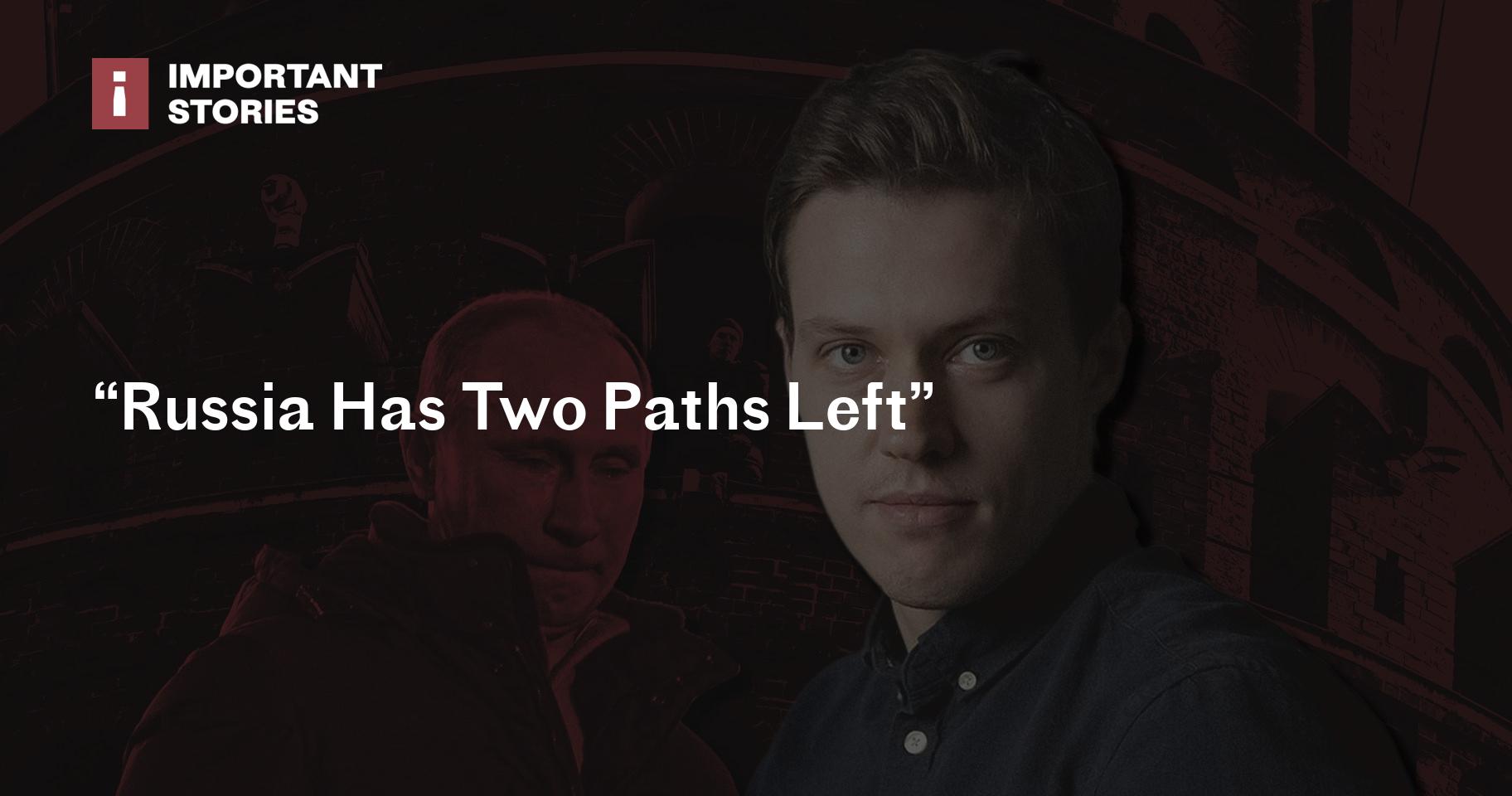
The security measures come against a backdrop of mounting crisis four years into Russia’s war in Ukraine. Western estimates put Russian losses at around 30,000 dead and injured each month, with limited territorial gains on the frontline. Repeated Ukrainian drone strikes deep inside Russia — including one that hit a high-rise apartment building in an upscale Moscow neighbourhood on Sunday night — have brought the conflict home to the urban elite. The economic cost is now palpable. Cell-phone data outages regularly blight major cities, angering even the pro-Putin bourgeoisie. The war, which once seemed distant, is now beginning to affect the very class that has been most insulated from its impact. These pressures, combined with the deadlock on the battlefield, have fuelled a struggle among Russia’s “siloviki” clans for the throne of a weakening dictator, founder of the investigative outlet Important Stories.
Two paths: Iranian-style repression or a new Time of Troubles
Analysts see Russia at a crossroads. One scenario, dubbed the Iranian path, would see Putin consolidate loyal security services — primarily the FSO and the National Guard — into a Russian analogue of Iran’s Islamic Revolutionary Guard Corps. This would involve unprecedented repression targeting broader segments of the population, including those previously considered untouchable, and further isolation of the country from the internet and the outside world. The alternative is a descent into a “Time of Troubles,” echoing the period of civil war and foreign intervention that followed Ivan the Terrible’s oprichnina. The first oprichnina emerged as an attempt to control elites during a prolonged and destructive war; its terror, economic exhaustion, and devastation ultimately led to state collapse. Which scenario is more likely remains an open question. But as Anin notes, each is highly probable — and both spell danger for the regime and the region.
The bottom line
- Putin’s security has been tightened to an unprecedented degree, with FSO surveillance of staff homes and bans on public transport and internet devices.
- The president now lives and works from bunkers in Krasnodar, using pre-recorded footage to simulate normal activity.
- The security overhaul was triggered by a wave of assassinations of top Russian generals and a subsequent blame game among security chiefs.
- Former defence minister Sergei Shoigu is identified as a potential coup risk, with his influence in the military high command seen as a threat.
- Russia faces two possible futures: a consolidation of repressive security forces akin to Iran’s IRGC, or a period of internal turmoil reminiscent of the Time of Troubles.
- The war’s mounting human and economic costs — 30,000 casualties per month, drone strikes on Moscow, and cell-phone outages — are eroding support among the urban elite.




Wu Yize Leads Shaun Murphy 10-7 in World Championship Final After Stunning Semi-Final Comeback

Celtics' 3-1 Collapse to 76ers Ends Season in First-Round Stunner
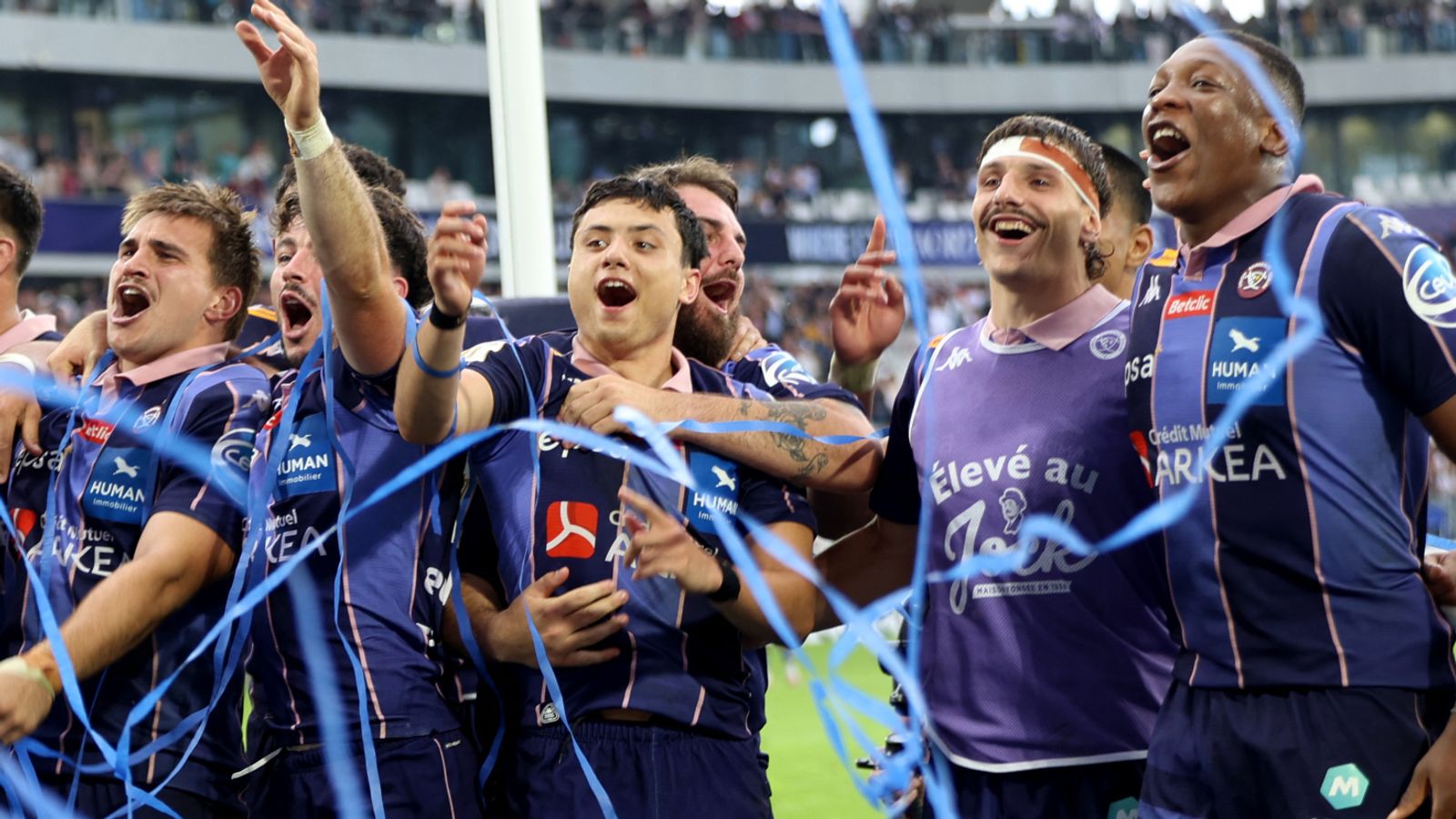
Bath Fall Short in Champions Cup Semi-Final as Bordeaux Dominate 38-26