Iranian President and Speaker Seek Removal of Foreign Minister Araghchi Over IRGC Allegiance
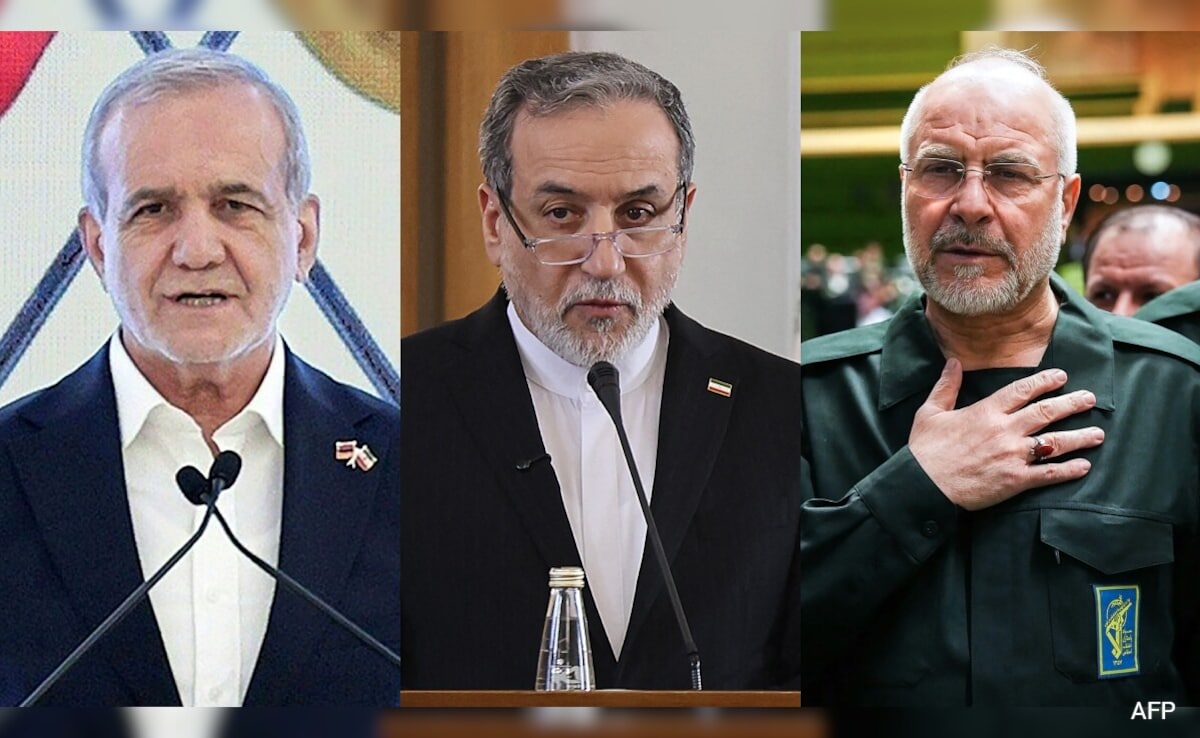
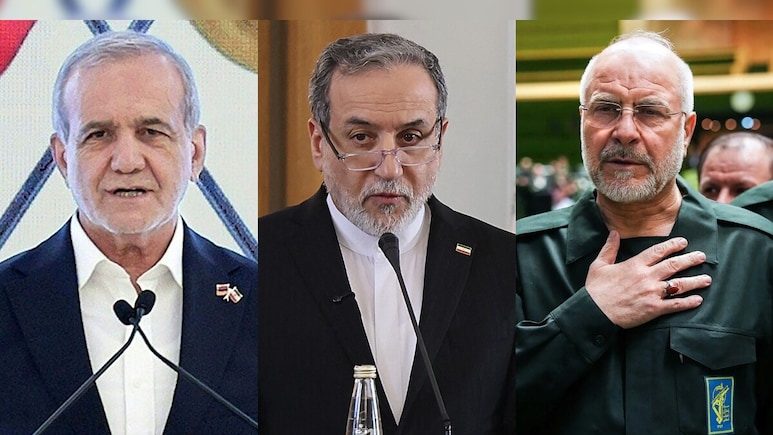
Masoud Pezeshkian and Mohammad Bagher Ghalibaf accuse Abbas Araghchi of bypassing the presidency to follow directives from the Islamic Revolutionary Guard Corps on nuclear talks.
INDIA —
Key facts
- President Masoud Pezeshkian and Parliament Speaker Mohammad Bagher Ghalibaf are seeking the removal of Foreign Minister Abbas Araghchi.
- Araghchi is accused of bypassing the presidency to follow directives from IRGC Commander Ahmad Vahidi.
- Sources say Araghchi has been acting on the IRGC chief's directive without keeping Pezeshkian informed.
- Pezeshkian has told associates he will fire Araghchi if the foreign minister continues sidelining government policies.
- The stalemate in peace talks with the United States has fueled tensions within the Iranian leadership.
- On April 15, Americans were frustrated the Iranian delegation in Islamabad lacked full authority to make a deal.
- One American term for restarting talks is that Tehran's negotiators must have full authority from the IRGC to finalize any agreement.
- disagreements between Pezeshkian and Vahidi on March 28 over handling of the war and its economic consequences.
Leadership Crisis Deepens Over Nuclear Talks Stalemate
A power struggle within Iran's leadership has erupted into the open, with President Masoud Pezeshkian and Parliament Speaker Mohammad Bagher Ghalibaf reportedly seeking the dismissal of Foreign Minister Abbas Araghchi. The two leaders accuse Araghchi of subordinating his office to the Islamic Revolutionary Guard Corps (IRGC) rather than implementing government policy, according to sources cited by Iran International. The crisis stems from the stalled nuclear negotiations with the United States, where the Iranian delegation has been unable to secure a permanent ceasefire. The Americans have expressed frustration that Tehran's negotiators, who traveled to Islamabad for talks, lacked the full authority to finalize an agreement, as reported by Israel Hayom on April 15.
Araghchi Accused of Acting as IRGC Aide, Not Cabinet Minister
Sources told Iran International that Araghchi has been acting on the directive of IRGC Commander Ahmad Vahidi, bypassing President Pezeshkian entirely. Over the past two weeks, the foreign minister has sidelined both Pezeshkian and Ghalibaf, functioning less as a cabinet minister and more as an aide to the IRGC chief. Frustrated by this behavior, Pezeshkian has informed his associates that he will fire Araghchi if the foreign minister continues to disregard government policies. The president and speaker believe Araghchi's actions undermine the elected government's authority and its ability to conduct foreign policy.
Roots of the Dispute: War and Economic Fallout
The current rift is not new. on March 28 that significant divisions existed between Pezeshkian and Vahidi. Sources then indicated that the dispute was rooted in the handling of the war and its destructive consequences for people's livelihoods and the country's economy. The economic strain from prolonged conflict has exacerbated tensions within the administration, with the IRGC's influence over foreign policy becoming a flashpoint. The leadership crisis is now seen as a key factor behind the failure to convert the fragile ceasefire into a permanent arrangement.
American Conditions for Resuming Talks
The United States has set clear conditions for restarting negotiations, according to the Israel Hayom report. One key demand is that Tehran's negotiators must have full authority from the IRGC to finalize any agreement. The Americans were frustrated that the Iranian delegation sent to Islamabad did not possess such authority, stalling progress. This condition directly implicates the IRGC's role in the talks, highlighting the tension between the military body and the civilian government. Without a unified negotiating position, the prospects for a deal remain dim.
No Official Confirmation, But Tensions Mount
Iran has not released any official statement regarding the reported moves against Araghchi, and the claims cannot be independently verified. However, the consistency of reports from multiple sources suggests a deepening crisis within the Islamic Republic's administration. The standoff between Pezeshkian and the IRGC over foreign policy authority raises fundamental questions about who controls Iran's nuclear diplomacy. As the US pushes for a permanent ceasefire, the internal power struggle may determine whether Tehran can present a coherent negotiating position.
Outlook: A Test of Civilian Authority
The outcome of this leadership crisis will have far-reaching implications for Iran's political stability and its relations with the international community. If Pezeshkian follows through on his threat to dismiss Araghchi, it could signal a reassertion of civilian control over foreign policy—or provoke a backlash from the IRGC. For now, the stalemate in talks continues, and the Iranian leadership remains divided. The world watches to see whether Tehran can resolve its internal disputes and present a unified front, or whether the rift will further undermine prospects for peace.
The bottom line
- President Pezeshkian and Speaker Ghalibaf are seeking Foreign Minister Araghchi's removal for following IRGC directives instead of government policy.
- Araghchi has been acting on orders from IRGC Commander Ahmad Vahidi, bypassing the presidency for at least two weeks.
- The US has conditioned resuming nuclear talks on Iran's negotiators having full authority from the IRGC to finalize agreements.
- The leadership crisis is rooted in disagreements over handling the war and its economic consequences, first reported on March 28.
- No official statement has been released by Iran, and the claims remain unverified, but the reports indicate a significant internal power struggle.




Kerala Dhanalekshmi DL-50 Draw Awards ₹1 Crore First Prize Amid Yellow Alert for Seven Districts

BPSC Reintroduces Fifth 'Not Attempted' Option in MCQ Exams, Mandating Response for Every Question

Khanapara Teer Results for April 30, 2026: Full List of Winning Numbers Across Meghalaya