Samajwadi Party Ditches Election Firm I-PAC Amid Funding Woes and Probe
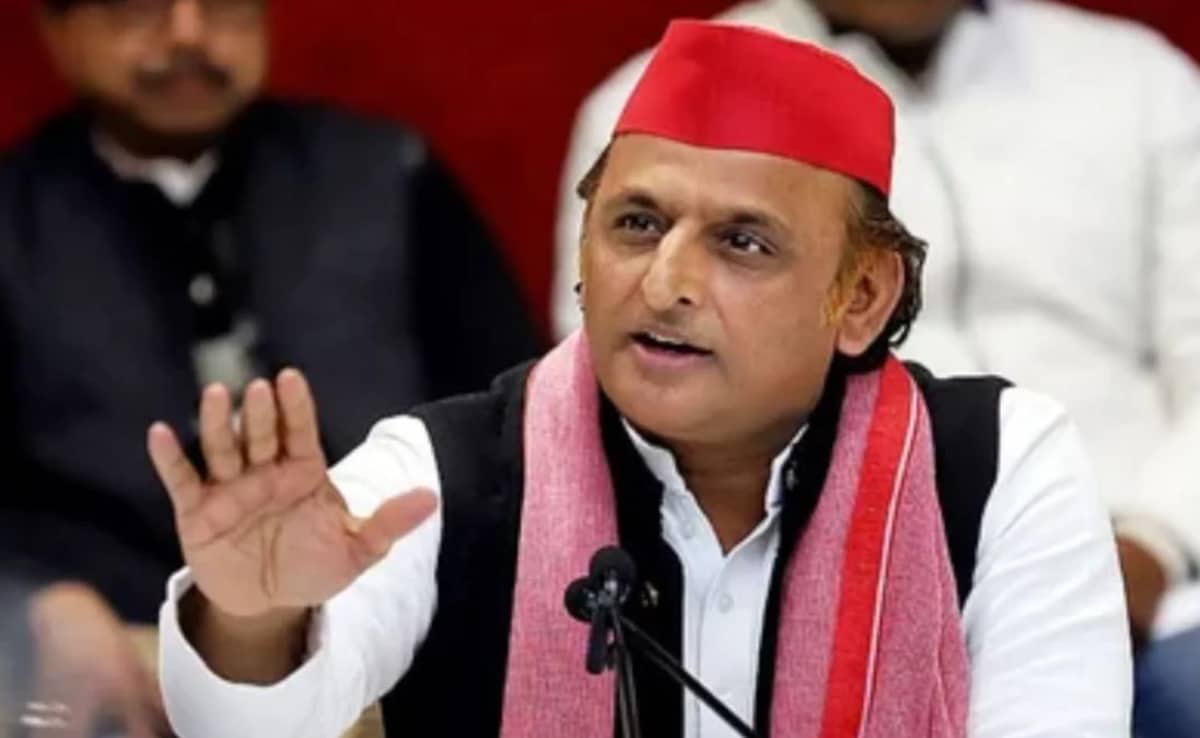
Akhilesh Yadav cites lack of funds for breaking ties with Prashant Kishor's former consultancy, as a money laundering probe casts a shadow.
INDIA —
Key facts
- Samajwadi Party will not work with I-PAC for the 2027 Uttar Pradesh Assembly election.
- Party boss Akhilesh Yadav stated a lack of funds as the reason for the break-up.
- I-PAC co-founder Vinesh Chandel was arrested in a money laundering case linked to West Bengal's coal scam.
- The Enforcement Directorate alleges I-PAC received tens of crores of rupees through non-banking channels.
- Previous I-PAC clients Trinamool Congress and DMK suffered significant defeats in recent state elections.
- Samajwadi Party will continue working with election firm Showtime.
- The 2027 Uttar Pradesh election is seen as a critical contest for Akhilesh Yadav against the BJP.
Samajwadi Party Ends Engagement with Election Strategists I-PAC
The Samajwadi Party has announced it will not engage the election management firm I-PAC for the upcoming 2027 Uttar Pradesh Assembly elections. Party leader Akhilesh Yadav publicly stated that the decision was driven by a shortfall in funds, a claim he made with a touch of humour, suggesting that financial contributions from the media could alter the situation. This abrupt separation follows a period of discussions for a potential campaign management collaboration, which had been ongoing for several months. The Samajwadi Party's move signals a strategic shift, indicating a preference for leveraging its own organisational network and internal political machinery. This comes after recent electoral setbacks experienced by parties that had previously worked with I-PAC, including the Trinamool Congress in West Bengal and the Dravida Munnetra Kazhagam in Tamil Nadu. Both parties suffered considerable defeats in their respective state elections held last month. Despite Yadav's official explanation, sources suggest that the decision gained momentum due to a confluence of factors. The electoral performance of I-PAC's former clients and a significant money laundering probe involving one of the firm's co-founders have cast a shadow over the consultancy, prompting unease within the Samajwadi Party leadership.
Money Laundering Probe Casts Shadow Over I-PAC
The break-up coincides with serious allegations against I-PAC, stemming from the arrest of its co-founder, Vinesh Chandel, in early April. Chandel was apprehended by the Enforcement Directorate (ED) following raids on his Delhi property as part of a money laundering investigation linked to an alleged coal scam in West Bengal. The federal agency has accused I-PAC of operating a model to circulate funds and convert black money into legitimate assets. According to the ED, a 'hawala' operator connected to alleged smugglers facilitated the transfer of tens of crores of rupees to Indian PAC Consulting Pvt Ltd, the firm that operates I-PAC. Payments to the consultancy were allegedly received through both formal banking channels and substantial cash transactions. These developments have placed I-PAC under intense scrutiny. The ED's investigation, which included searches at the consultancy's Kolkata office and the residence of another co-founder, Pratik Jain, triggered a political confrontation in West Bengal. Chief Minister Mamata Banerjee had personally visited the I-PAC office during the raids, accusing central agencies of targeting sensitive party data.
Electoral Reverses and Timing of Raids Fuel Unease
The defeats suffered by the Trinamool Congress and the DMK, despite I-PAC's involvement in their election strategies, have contributed to the Samajwadi Party's reassessment. The Trinamool Congress was significantly outpolled by the Bharatiya Janata Party in West Bengal, while the DMK lost power in Tamil Nadu to the newly formed Tamilaga Vettri Kazhagam, led by actor Vijay. The scale of these losses, with even incumbent leaders losing their seats, underscored the challenges faced by I-PAC's associated parties. Adding to the concern was the timing of the Enforcement Directorate's raids. Sources within the Samajwadi Party revealed that on the very day ED officials were conducting searches at I-PAC's Kolkata office, representatives from the consultancy were in Lucknow presenting a potential collaboration proposal for the 2027 elections. This juxtaposition of an ongoing probe with a business pitch reportedly made Samajwadi Party leaders uneasy. These combined factors—the electoral outcomes and the legal scrutiny—strengthened the view within the Samajwadi Party that a close association with I-PAC could carry significant political baggage ahead of a crucial state election.
The Stakes for Akhilesh Yadav in 2027
The 2027 Uttar Pradesh Assembly election is poised to be a pivotal contest, widely anticipated as a direct confrontation between the Samajwadi Party and the ruling Bharatiya Janata Party. For Akhilesh Yadav, this election represents a critical juncture, potentially a make-or-break moment for his political future and the standing of his party as the primary opposition force. In the current political landscape, the list of senior opposition leaders capable of mounting a substantial challenge to the BJP appears to be diminishing. Following Mamata Banerjee's electoral setback in Bengal, the DMK's removal from power in Tamil Nadu, and Arvind Kejriwal's loss of control in Delhi, the Samajwadi Party and its leader are increasingly viewed as one of the few credible bulwarks against the BJP's dominance. Yadav has already begun to sharpen his focus on key issues, including unemployment, the demand for a caste census, law and order concerns, and farmers' grievances. His strategy will likely involve consolidating his party's organisational strength and mobilising its traditional support base, aiming to present a united front against the incumbent government.
Continued Partnership with Showtime
While the engagement with I-PAC has been terminated, the Samajwadi Party is set to continue its collaboration with a second election management and social media firm, Showtime. This partnership is governed by a contract that was established approximately two months prior to the announcement of the break-up with I-PAC. This arrangement ensures that the party will still have external expertise in campaign management and social media outreach, albeit through a different channel. The decision to maintain ties with Showtime suggests a selective approach to external partnerships, distinguishing it from the broader disengagement from I-PAC. Neither the Samajwadi Party nor I-PAC has issued formal public statements regarding the termination of their discussions, maintaining a degree of discretion around the matter. The nuances of their parting, therefore, remain largely within the domain of party insiders and journalistic sources.
The bottom line
- The Samajwadi Party has ended its potential collaboration with election consultancy I-PAC for the 2027 Uttar Pradesh polls.
- Party chief Akhilesh Yadav cited a lack of funds as the primary reason for the decision.
- A money laundering investigation into I-PAC co-founder Vinesh Chandel, linked to a coal scam, has raised concerns.
- Recent electoral defeats of I-PAC's clients, Trinamool Congress and DMK, also influenced the Samajwadi Party's stance.
- The Samajwadi Party will continue working with another firm, Showtime, under an existing contract.
- The 2027 Uttar Pradesh election is a critical political battleground for Akhilesh Yadav and his party.


PNB Q4 net profit jumps 14% to ₹5,225 crore as provisions plunge, but NII declines 3.5%

Vedanta Demerger: Shares Adjust 63% as Four New Entities Prepare for Listing

BHEL shares surge 13% as Q4 profit triples to Rs 1,290 crore, dividend announced
