Bali waste crisis deepens as landfill ban leaves streets piled with rubbish
A sudden restriction on organic waste at the island's largest dump has triggered protests, health fears, and illegal burning, exposing the gap between policy and infrastructure.
INDIA —
Key facts
- Bali's largest landfill banned organic waste from April 1, 2026.
- Indonesia outlawed open landfills in 2013 but enforcement was delayed.
- Bali produces an estimated 3,400 tons of garbage daily.
- Around 7 million tourists visited Bali in 2025, vs. 4.4 million residents.
- Hundreds of sanitation workers protested at the governor's office on April 16.
- Offenders face up to 3 months in jail or a 50 million rupiah ($3,000) fine.
- A planned waste-to-energy plant will process 1,200 tons per day but is years away.
A ban without a backup plan
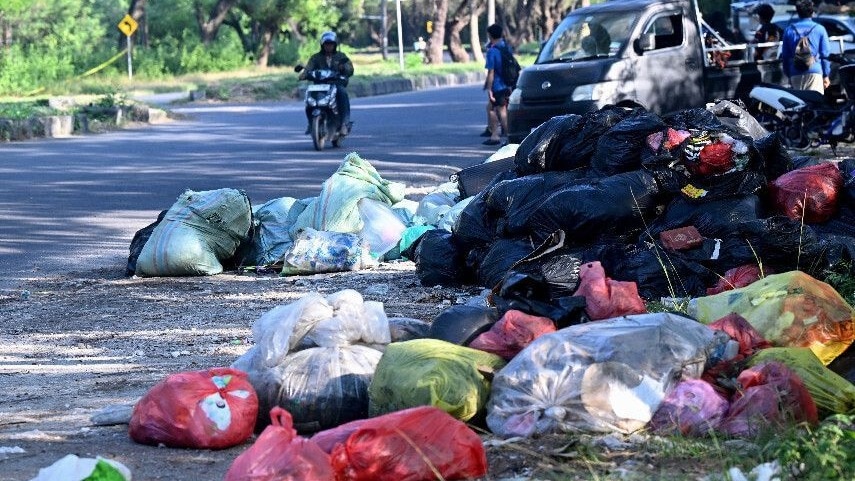
Bali's largest landfill was declared off-limits for organic waste from the beginning of April, as the government moves to enforce a longstanding ban on open dumping sites. The restriction, part of Indonesia's 2013 prohibition on open landfills, was imposed without ready alternatives in place. Trash is now piling up in streets across the island, attracting rats and prompting residents to burn waste. The acrid smoke has raised health concerns among locals and visitors alike.
Small businesses bear the brunt
Yuvita, a 34-year-old business owner, told AFP she has been forced to pay a private company to remove the trash from near her stall, dipping into her meagre profits. Her shop alone generates about four large black bags of waste daily, mostly leaves and flower cuttings. "Some customers, perhaps bothered by the smell, ended up not making a purchase," she said. Australian tourist Justin Butcher described the scene at Kuta beach, where rubbish bags are piled waist-high in a parking lot: "You have many rats here at nighttime. The smell is not very good... it's not a good look."
Sanitation workers protest
On April 16, hundreds of sanitation workers drove waste-filled trucks to the governor's office in protest. "If we don't collect our client's trash, we are in the wrong, if we collect it, where do we dispose it?" said protester Wayan Tedi Brahmanca. The demonstration underscored the lack of immediate disposal options. The government plans waste-to-energy plants, including a major facility expected to process 1,200 tons daily, but these projects will take years to complete.
Tourism magnifies the waste burden
Around seven million tourists visited Bali last year, vastly outstripping the island's native population of around 4.4 million and contributing to its waste output. The island generates an estimated 3,400 tons of garbage daily. At Kuta beach, a popular tourist spot regularly inundated with plastic debris that washes ashore, the piled rubbish bags have become an eyesore. The crisis threatens Bali's reputation as a premier tourist destination.
Fines and jail time fail to deter
People caught dumping or burning trash risk up to three months' jail time and a 50-million rupiah (nearly $3,000) fine, the head of Bali's public order agency. But many residents feel they have no other choice. With no immediate alternatives, illegal burning continues, sending acrid smoke into residential areas and raising health concerns. The enforcement of the ban has exposed the gap between policy ambition and on-the-ground reality.
Long-delayed rules finally enforced
Indonesia formally banned open landfills in 2013, but enforcement has been inconsistent until now. The current push to fully implement the measure has caught local authorities unprepared. The government's planned waste-to-energy plants, including a facility that would process 1,200 tons daily, are still years from completion. In the meantime, the island's waste crisis is likely to worsen.
A test of governance and infrastructure
Bali's waste crisis is a stark illustration of the challenges facing Indonesia as it attempts to modernize its waste management system. The ban on organic waste at the Suwung landfill was a necessary step, but without parallel investment in alternatives, it has created a public health and environmental emergency. The coming months will test whether the government can accelerate its infrastructure plans and provide immediate relief to residents and businesses. For now, the streets of Bali remain a symbol of policy caught between intention and execution.
The bottom line
- Bali's ban on organic waste at its largest landfill, effective April 1, 2026, has triggered a waste crisis with no immediate alternatives.
- Indonesia's 2013 ban on open landfills is only now being enforced, exposing a lack of preparatory infrastructure.
- Small businesses and residents are bearing the cost, paying private collectors or resorting to illegal burning.
- Sanitation workers protested on April 16, highlighting the disposal dilemma.
- Tourism, which brought 7 million visitors in 2025, exacerbates the island's waste output of 3,400 tons daily.
- Planned waste-to-energy plants are years away, leaving a critical gap in waste management capacity.



CBSE to Release Class 12 Results in Third Week of May, Denies OSM Glitches

Kuldeep Yadav opens SG store in Meerut, calls Vaibhav Suryavanshi's talent 'unmatched'
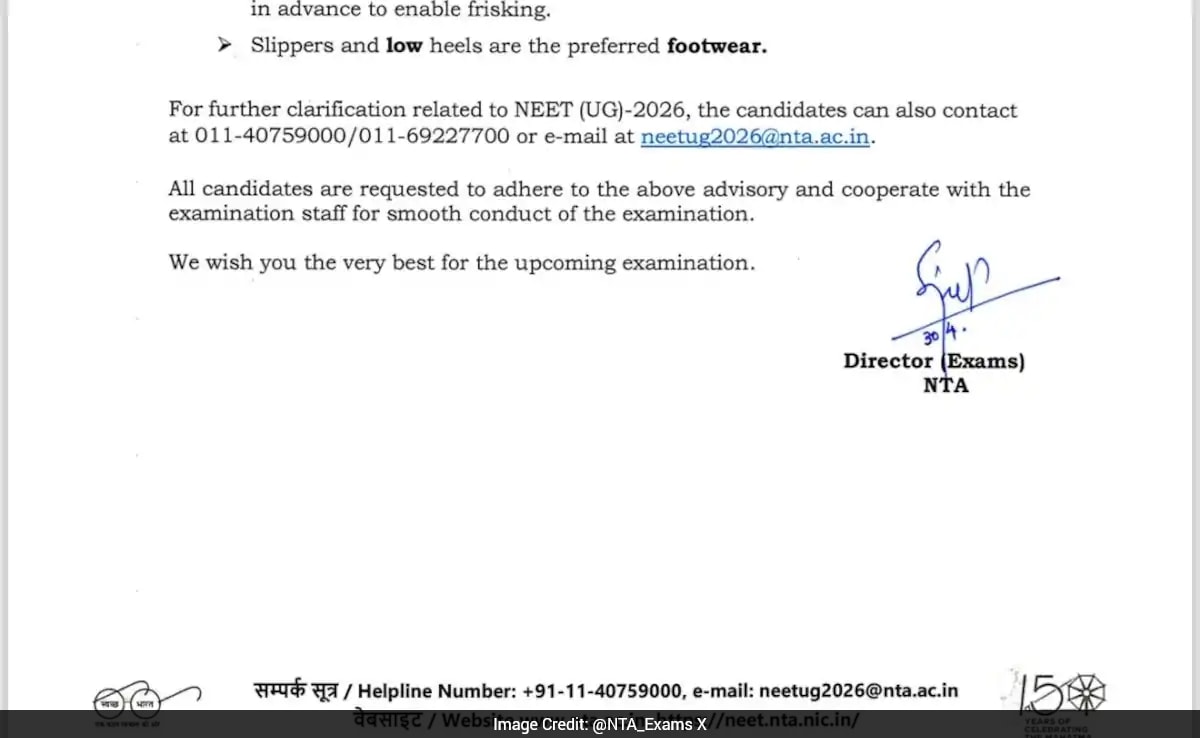
NTA Issues NEET UG 2026 Dress Code and Biometric Verification Guidelines Ahead of May 3 Exam