BJP Crushes Trinamool Congress in Bengal, Winning 208 Seats and Ending Mamata Banerjee’s 15-Year Rule
The BJP’s historic victory, fueled by a surge in women’s turnout to 93%, marks a seismic shift in West Bengal politics, reducing the TMC from 215 to 79 seats.
INDIA —
Key facts
- BJP won 208 of West Bengal’s 294 assembly seats, up from 77 in 2021.
- Trinamool Congress reduced to 79 seats, down from 215 in 2021.
- Women’s turnout reached 93%, two percentage points higher than men’s.
- BJP gained significant support from female voters, overturning TMC’s traditional advantage.
- Mamata Banerjee lost her ‘safe seat’ Bhabanipur to Suvendu Adhikari by over 15,000 votes.
- BJP won three seats in Kerala, with Rajeev Chandrasekhar and V Muraleedharan winning.
- TVK emerged as single largest party in Tamil Nadu assembly elections.
BJP's Landslide Victory in West Bengal
The Bharatiya Janata Party has won 208 of West Bengal’s 294 assembly seats, a dramatic increase from 77 in the 2021 elections, crushing the ruling Trinamool Congress (TMC) and ending Mamata Banerjee’s 15-year hold on the state. The TMC was reduced to just 79 seats, down from 215 in the previous assembly, marking one of the most decisive electoral defeats in recent Indian history. The results, announced on Monday, represent the BJP’s first opportunity to form a government in West Bengal, a state long considered a stronghold of regional parties. The scale of the victory surprised even party strategists, who had anticipated gains but not a sweep of this magnitude.
Women Voters Shift Allegiance
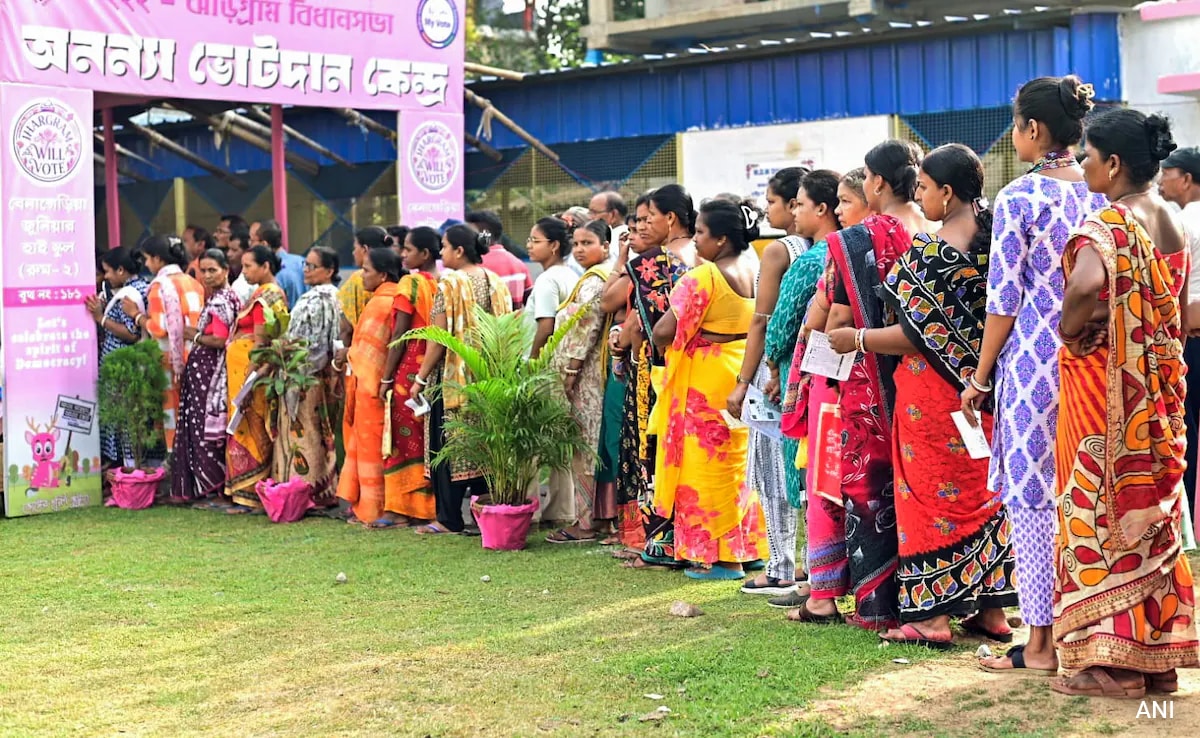
A key factor in the BJP’s triumph was its ability to attract a large portion of the women’s vote, traditionally a bedrock of TMC support. Women’s turnout in this election stood at about 93%, two percentage points higher than men’s, and polling data indicates that the BJP won a majority of female voters for the first time. In the 2021 elections, the TMC had secured about 50% of women’s votes, while the BJP received 35%. The TMC had further consolidated its women’s vote bank after that victory by launching the ‘Lakshmi Bhandar’ scheme in May 2022, which provides monthly payments of Rs 1,000 to women from general categories and Rs 1,200 to those from Scheduled Caste and Scheduled Tribe communities. Despite these efforts, the BJP’s outreach and promises resonated more strongly this time.
TMC's Flagship Schemes Fail to Hold
The Trinamool Congress had banked on its welfare schemes for women, including ‘Kanyashree’, ‘Rupashree’, and ‘Lakshmir Bhandar’, which were designed to empower women socially, financially, and politically. In previous elections, the party campaigned by presenting Mamata Banerjee as the “daughter of Bengal”, a narrative that had yielded significant dividends. However, the 2026 results show that these schemes were insufficient to retain the loyalty of female voters. The BJP’s messaging, combined with a broader anti-incumbency wave, appears to have eroded the TMC’s base. The shift was particularly pronounced in rural areas, where women’s turnout was highest.
Key Leaders Defeated Across States
The electoral verdict also delivered personal blows to prominent leaders. In West Bengal, Mamata Banerjee lost her ‘safe seat’ Bhabanipur to Suvendu Adhikari, who won by a margin of over 15,000 votes. Adhikari, a former TMC heavyweight who joined the BJP ahead of the 2021 elections, had been a vocal critic of Banerjee’s administration. In Tamil Nadu, the BJP was reduced to just one seat in the state assembly, with top leaders defeated. Meanwhile, the TVK (Tamilaga Vettri Kazhagam) emerged as the single largest party, according to sources. In Kerala, the BJP managed to win three seats, with Rajeev Chandrasekhar and V Muraleedharan securing victories, marking a modest but notable gain in the state.
BJP's Data-Driven Campaign Strategy
The BJP’s victory in Bengal was engineered through a meticulous campaign that combined booth-level data analysis, localised pitches, and targeted outreach to women and first-time voters. Party workers used granular data to identify swing booths and tailor messages to specific communities, a strategy that had been refined in previous state elections. The focus on women voters included promises of enhanced financial assistance and safety, which resonated in a state where women’s turnout has historically been high. The BJP also capitalised on anti-incumbency sentiments, particularly over corruption allegations and administrative failures in the TMC government.
Outlook: A New Political Landscape in Bengal
With the BJP set to form its first government in West Bengal, the political landscape of the state is poised for a dramatic transformation. The party will need to address the expectations of a diverse electorate, including the women voters who swung the election in its favour. The TMC, now reduced to 79 seats, faces an uncertain future as it grapples with internal dissent and the loss of its charismatic leader’s invincibility. The results also have national implications, strengthening the BJP’s position in the lead-up to the next general election. The party’s ability to break into a regional stronghold like West Bengal signals a broader realignment in Indian politics, where regional parties are increasingly under pressure from the BJP’s organisational machine.
The bottom line
- The BJP won 208 seats in West Bengal, a historic gain from 77 in 2021, ending Mamata Banerjee’s 15-year rule.
- Women’s turnout surged to 93%, and the BJP captured a majority of female voters, overturning the TMC’s traditional advantage.
- TMC’s welfare schemes, including Lakshmir Bhandar, failed to retain women voters despite providing monthly payments.
- Mamata Banerjee lost her Bhabanipur seat to Suvendu Adhikari by over 15,000 votes, a major personal defeat.
- The BJP’s victory was driven by data-driven booth-level strategies and localised pitches, not just national issues.
- The results reshape India’s political map, with the BJP now ruling a state long considered a regional party bastion.


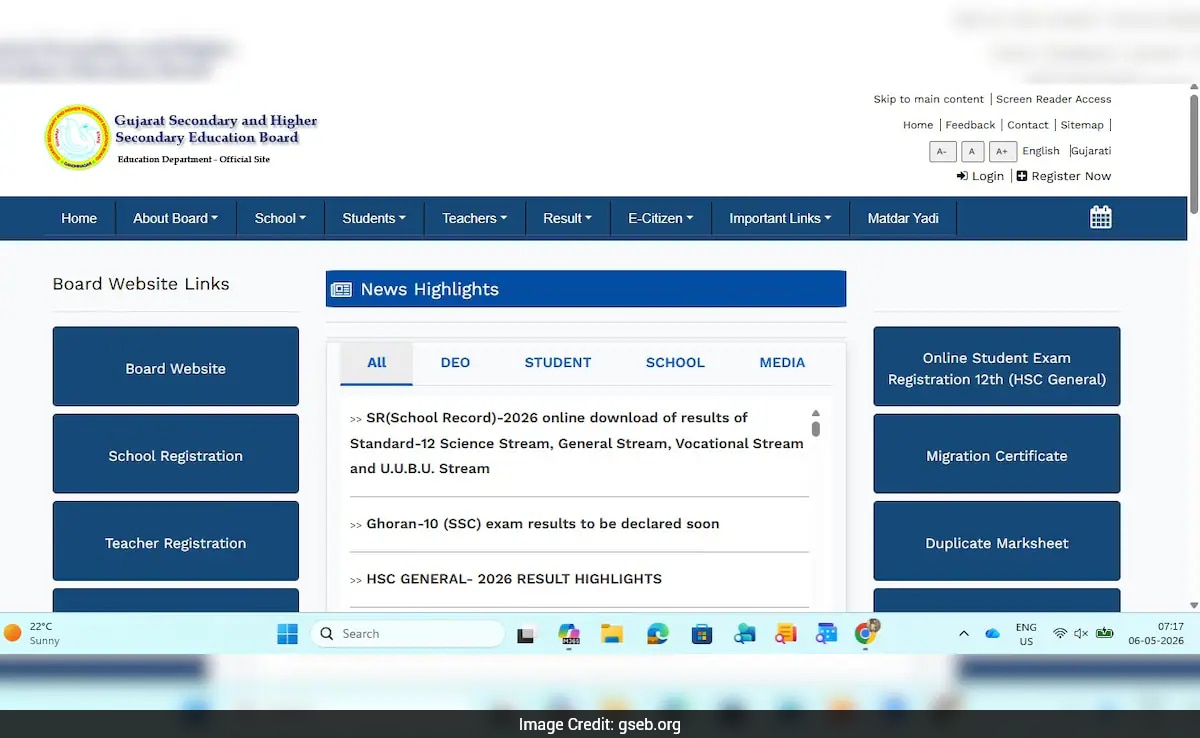
Gujarat Board to Release SSC Results at 8 AM Today; Over 15 Lakh Students Await Scores

NEET 2026 Answer Key Released by Coaching Institutes as NTA Prepares Official Cutoffs
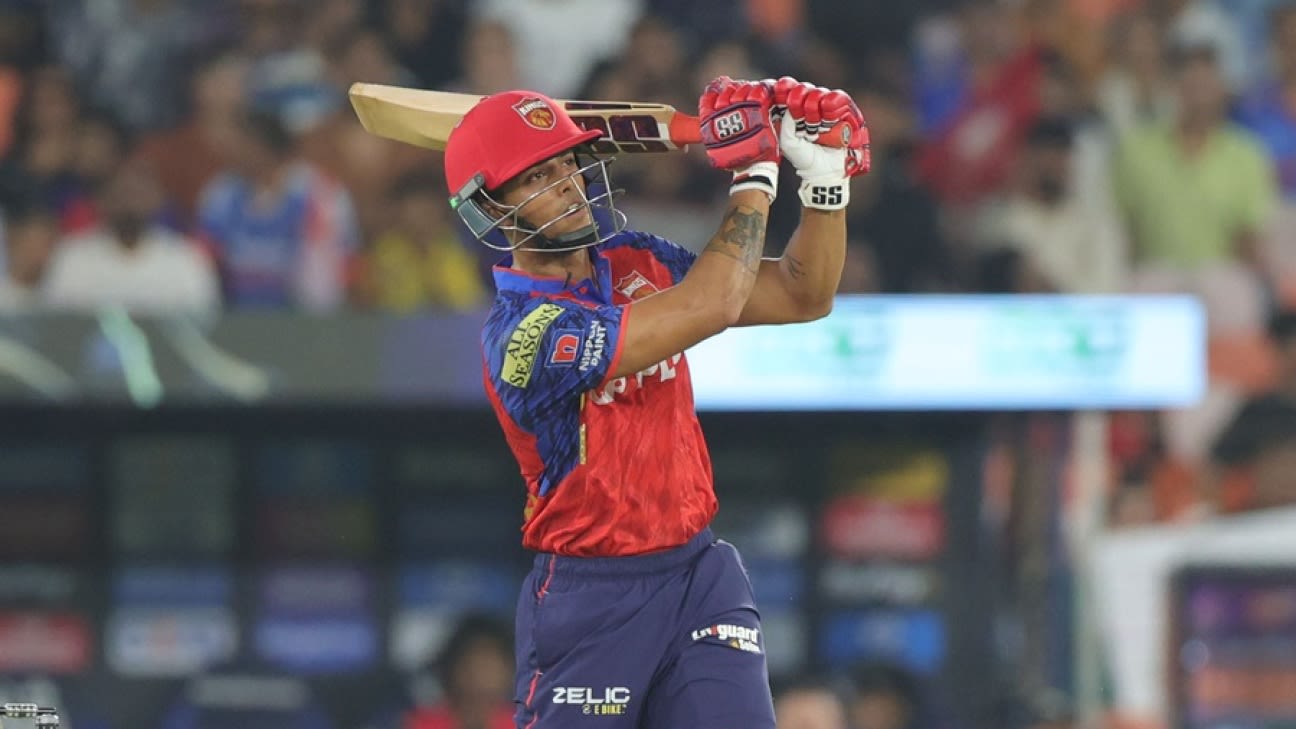
Punjab Kings Remain Top Despite Back-to-Back Losses, Says Captain Shreyas Iyer After Narrow Defeat to Gujarat Titans
