China Teases Fourth Aircraft Carrier in Naval Video, Likely Nuclear-Powered
A promotional film released ahead of the PLAN's 77th anniversary introduces a recruit named He Jian, sparking speculation about a new generation of carrier.
INDIA —
Key facts
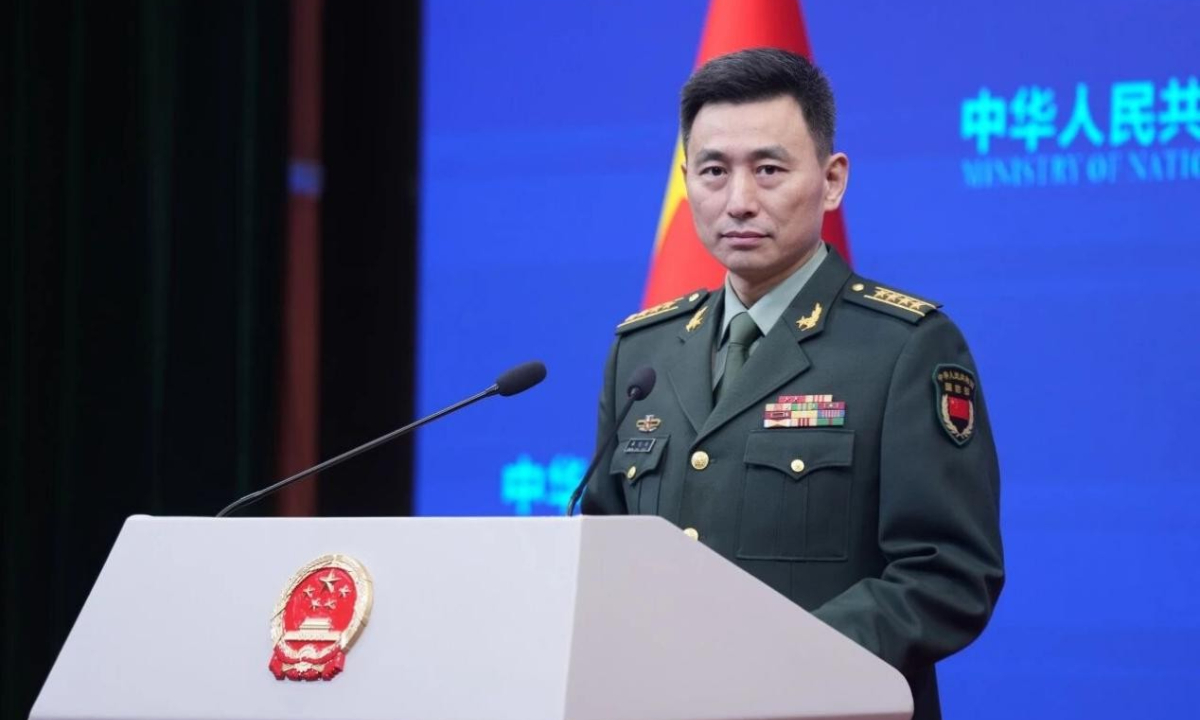
- China's Ministry of National Defense spokesperson Zhang Xiaogang said carrier construction is based on national security needs.
- The PLA Navy video 'Into the Deep' features characters named Liao Ning, Shan Dong, Fu Jian, and He Jian.
- He Jian's name combines the surname He, which sounds like the Mandarin word for 'nuclear', with Jian, meaning 'ship'.
- China's navy has 234 warships, the largest globally, but only three carriers compared to the US's 11 nuclear-powered ones.
- Satellite images suggest a large vessel is under construction at a shipyard in Dalian.
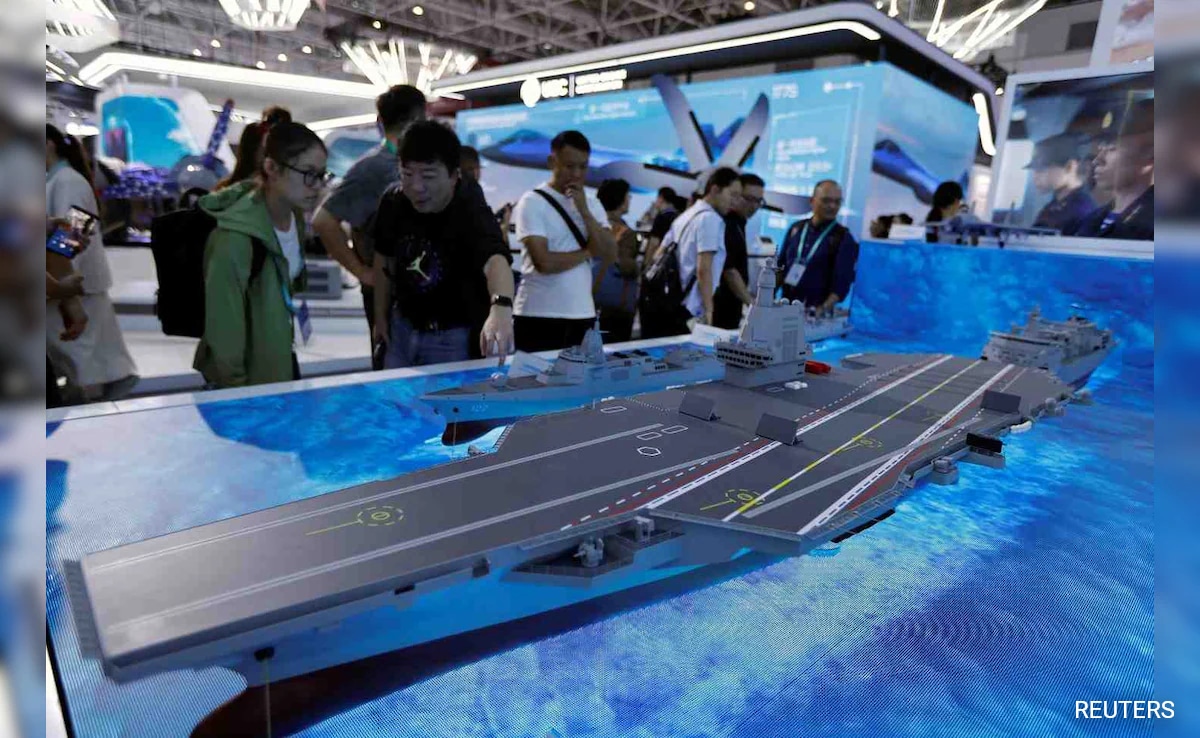
- The fourth carrier is believed to be similar in size to the US Gerald R. Ford-class, weighing over 100,000 tonnes.
- The video shows Chinese sailors conducting drills in the western Pacific using advanced weapons.
A Video That Speaks in Symbols
China’s People’s Liberation Army Navy released a seven-minute promotional video titled Into the Deep just ahead of its 77th anniversary. At first glance, the production follows the familiar conventions of military-patriotic storytelling: emotional narration, intergenerational service, and disciplined devotion to duty. But a closer examination reveals a carefully constructed signalling instrument, blending ideological messaging with orchestrated ambiguity. The video’s narrative centre is a compass, a recurring symbol of orientation, loyalty, and institutional continuity. It frames naval service as an intergenerational transmission of values, reinforcing organisational cohesion and the imperative of building a strong navy. The emphasis is on institutional permanence rather than individual agency within the Chinese military hierarchy.
Nomenclature as Strategic Signification
One of the most revealing features of the video is its deliberate use of nomenclature. The names of characters—Liao Ning, Shan Dong, and Fu Jian—correspond to China’s three existing aircraft carriers: Liaoning (Type 001), Shandong (Type 002), and Fujian (Type 003), all of which run on traditional fuels. More analytically significant is the introduction of a fourth character, He Jian, a 19-year-old recruit. His name combines a common surname, ‘He’, with the character 舰 (warship), producing a genericised naval designation. The ambiguity appears intentional, preserving interpretive openness and generating anticipatory meaning. Open-source analysis in China has speculated that it may allude to a future platform, possibly the hypothesised next-generation Type 004 aircraft carrier.
Numerical Sequencing and Intergenerational Dialogue
The logic of the video is reinforced by internal coherence of sequencing. The age assigned to He Jian, 19, maps onto the hull-number progression of China’s aircraft carriers: Liaoning (16), Shandong (17), and Fujian (18). The combination of numerical sequencing, institutional hierarchy, and generational succession creates a system of tightly ordered symbols. In the video, Liao Ning says to Shan Dong, “The new generation succeeds the old, and your generation is better than mine.” This affirms institutional continuity, encoding a doctrine of technological succession, where each new generation of platforms supersedes an earlier iteration in capability and sophistication.
Official Silence and Satellite Evidence
China has not officially confirmed or denied that a new carrier is being built. At a press conference on Thursday, Chinese Ministry of National Defense spokesperson Zhang Xiaogang stated that aircraft carrier construction is considered comprehensively based on national security needs and the development of equipment and technology. However, satellite images taken over the past couple of years indicate that a large vessel is under construction at a shipyard in Dalian, a city in the northeast of the country. The country’s latest aircraft carrier is believed to be of a similar size to America’s nuclear-powered Gerald R. Ford-class carriers, weighing over 100,000 tonnes and capable of carrying between 80 and 100 fighter jets.
China’s Naval Ambitions and the Challenge to US Dominance
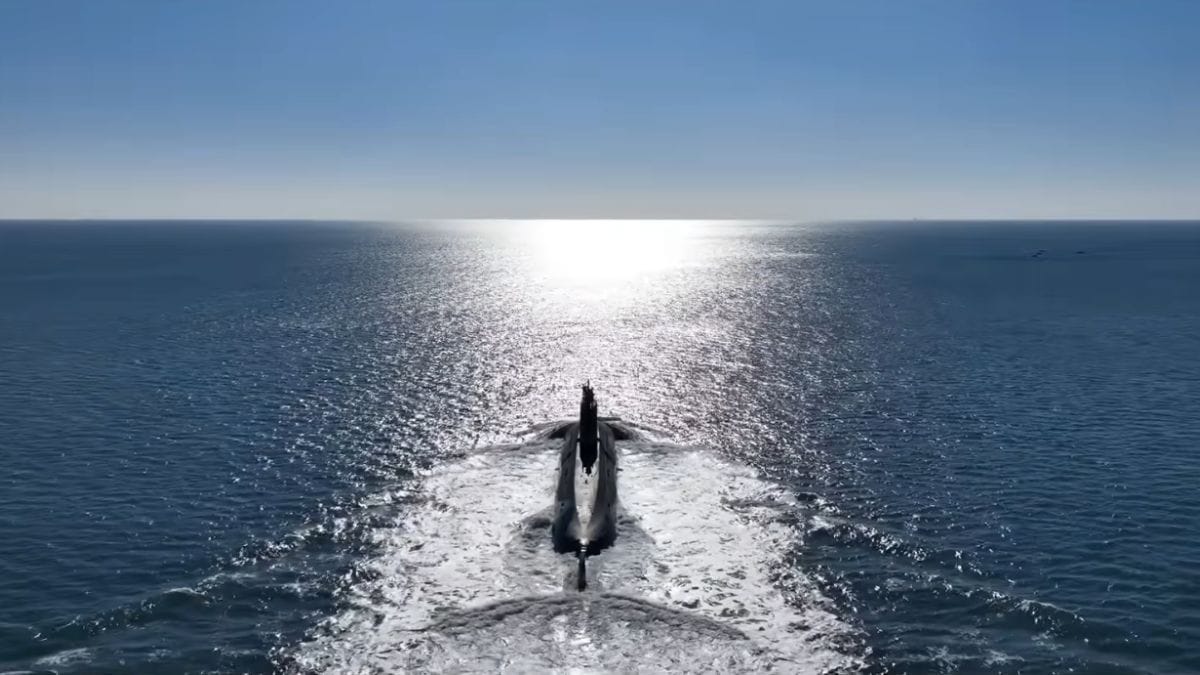
China has been bolstering its naval power by adding new ships to its fleet. The Chinese navy now has the largest operating fleet of 234 warships, compared to the US Navy’s 219. However, it is miles behind when it comes to carrier fleet size—the US has 11 aircraft carriers, all nuclear-powered. If China’s fourth carrier is nuclear-powered, it would have unlimited range and a speed of about 50 km per hour, substantially brisk for a ship of its size. The video also shows Chinese sailors engaged in real-life drills in the western Pacific, far from home, using advanced weapons, underscoring Beijing’s development of a ‘Blue Water’ navy capable of operating far from its oceanic boundaries.
Geopolitical Trajectory and Open Questions
Experts believe that given current geopolitical realities, China can proceed to commission several aircraft carriers. The British Empire once ruled the world because its industrial might was complemented by unmatched naval prowess. When the United States unseated the Empire after World War II, it followed the same strategic playbook. China, which has made clear its intention to not only rebuild the global order but govern it, is following the same trajectory. The video encodes a convergence of three layers of meaning: the material acceleration of naval modernisation, the cultivation of intergenerational loyalty within the armed forces, and an implicit alignment with broader national strategic objectives, including the so-called Taiwan unification and countermeasures to Japan. The ambiguity of He Jian’s name preserves interpretive openness, but the direction of travel is unmistakable.
The bottom line
- China’s promotional video 'Into the Deep' uses a character named He Jian to hint at a fourth, likely nuclear-powered aircraft carrier.
- The video employs deliberate nomenclature and numerical sequencing to signal technological succession and institutional continuity.
- Satellite imagery from Dalian suggests construction of a large vessel, consistent with a carrier of the Type 004 class.
- China’s navy has 234 warships, the largest fleet globally, but only three carriers versus the US’s 11 nuclear-powered carriers.
- The fourth carrier, if nuclear, would give China unlimited range and a speed of 50 km/h, rivaling US Gerald R. Ford-class carriers.
- Official statements remain ambiguous, but the video’s layered symbolism points to an accelerated naval modernisation program.



India face Chinese Taipei in Thomas Cup quarterfinals, seek second title
Trump Administration Declares Iran War 'Terminated' as Ceasefire Holds, Blockade Continues

Trump Rejects Iran's Peace Proposal, Warns of Sanctions on Strait of Hormuz Tolls