India Revamps Citizenship Rules: OCI Eligibility Expanded, Compliance Tightened
New rules remove the six-month waiting period for OCI applications and extend eligibility to fifth- and sixth-generation Indian-origin Tamils in Sri Lanka.
INDIA —
Key facts
- Government notifies Citizenship (Amendment) Rules, 2026 on May 1, 2026.
- OCI eligibility expanded to include fifth- and sixth-generation Indian-origin Tamils in Sri Lanka.
- Six-month waiting period for OCI applications after arrival in India removed.
- Stricter compliance rules introduced, including fines for failing to update passport details promptly.
- Revised provisions aim to streamline the OCI application process and enhance monitoring.
- Changes affect OCI cardholders and citizenship applications under the amended rules.
New Citizenship Rules Take Effect
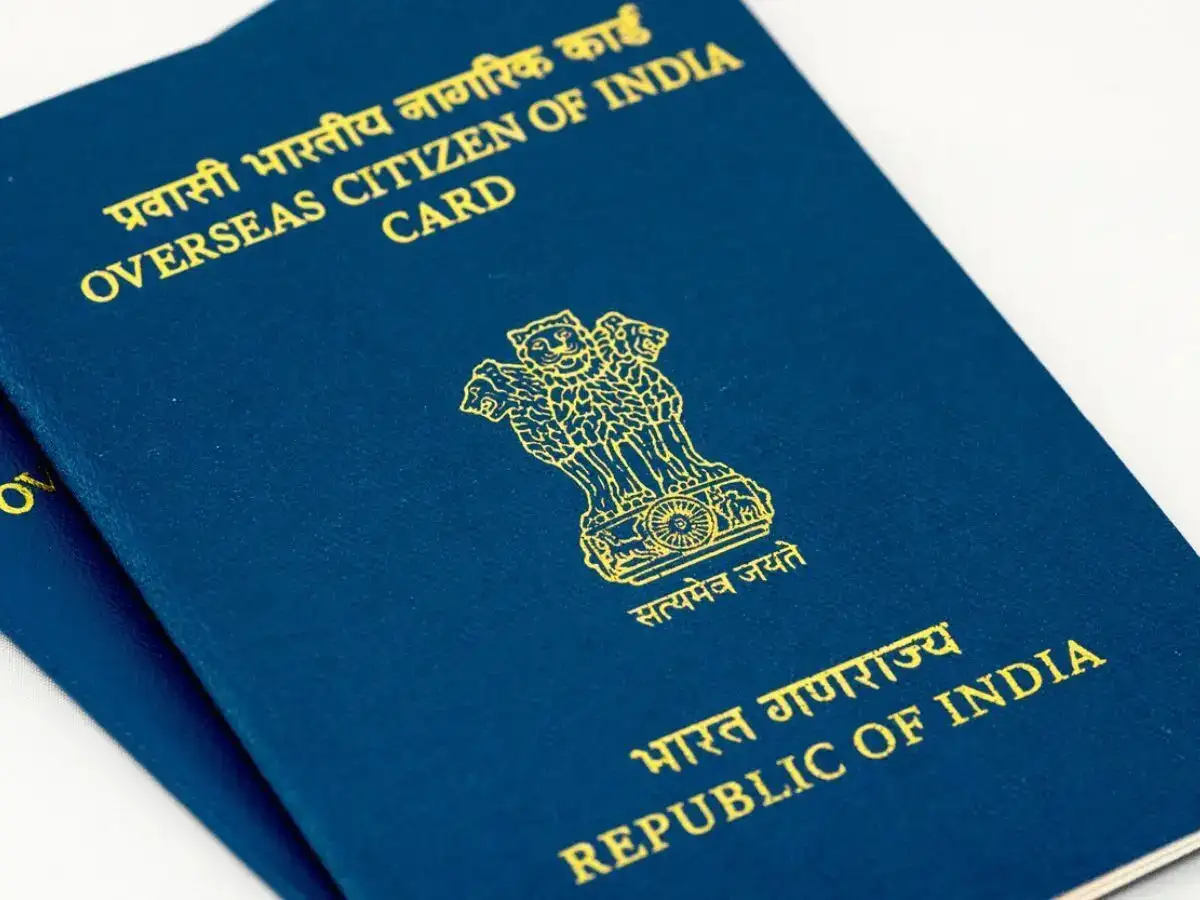
India notified the Citizenship (Amendment) Rules, 2026 on May 1, 2026, introducing significant changes to the Overseas Citizen of India (OCI) program and citizenship application procedures. The revised framework expands eligibility to include fifth- and sixth-generation Indian-origin Tamils in Sri Lanka, a move that broadens the diaspora's access to Indian citizenship rights. The updated rules also remove the six-month waiting period previously required for OCI applications after arrival in India. This change is expected to accelerate the process for eligible individuals seeking OCI status, reducing bureaucratic delays.
Expanded Eligibility for Sri Lankan Tamils
The new rules extend OCI eligibility to Indian-origin Tamils in Sri Lanka up to the sixth generation, a significant expansion from previous limits. This provision addresses long-standing demands from the Tamil diaspora for recognition and easier access to Indian citizenship. By including these communities, the government aims to strengthen ties with overseas Indians and provide a pathway for those with ancestral links to India. The move is seen as a response to historical migration patterns and ongoing diaspora engagement.
Faster Processing and Stricter Compliance
The removal of the six-month waiting period for OCI applications after arrival is a key procedural reform. Previously, applicants had to wait six months before applying, which often led to delays and uncertainty. Now, eligible individuals can apply immediately upon arrival, streamlining the process. However, the rules also introduce stricter compliance requirements. OCI cardholders must update their passport details promptly, with fines imposed for non-compliance. This measure aims to enhance monitoring and ensure accurate records, reflecting a dual focus on efficiency and oversight.
Implications for OCI Cardholders
OCI cardholders will face new obligations under the revised rules, including timely updates of passport information. Failure to comply could result in financial penalties, though the exact fine amount has not been specified. The government stated that these measures are designed to improve the integrity of the OCI database. For existing cardholders, the changes mean a need for vigilance regarding administrative requirements. The tighter monitoring system is part of a broader effort to track OCI holders' activities and ensure compliance with Indian laws.
Wider Context of Citizenship Reforms
The 2026 rules are part of ongoing reforms to India's citizenship framework, which have been a subject of debate and legal scrutiny. The Citizenship Amendment Act (CAA) of 2019, which fast-tracked citizenship for non-Muslim migrants from neighboring countries, remains controversial. The new OCI rules, however, focus on diaspora engagement rather than religious criteria. By expanding eligibility to Sri Lankan Tamils, the government addresses a specific community with deep historical ties to India. This move may also have diplomatic implications, given the complex relationship between India and Sri Lanka over Tamil rights.
Next Steps and Implementation
The rules take effect immediately upon notification, though implementation may require updates to application forms and online portals. OCI applicants and cardholders are advised to familiarize themselves with the new requirements to avoid penalties. The government has not announced a grace period for compliance, suggesting that the stricter rules apply from May 1, 2026. Further clarifications may be issued as the system adjusts to the changes.
Outlook for Diaspora Relations
The revised OCI rules represent a calibrated approach to diaspora policy, balancing expanded access with enhanced oversight. By removing barriers for Sri Lankan Tamils and streamlining applications, India strengthens ties with a historically marginalized community. At the same time, the stricter compliance regime signals a desire for tighter control over OCI status. The long-term impact will depend on how effectively the new rules are implemented and whether they meet the expectations of the diaspora.
The bottom line
- India notified the Citizenship (Amendment) Rules, 2026 on May 1, expanding OCI eligibility to fifth- and sixth-generation Indian-origin Tamils in Sri Lanka.
- The six-month waiting period for OCI applications after arrival has been removed, speeding up the process.
- Stricter compliance rules include fines for failing to update passport details promptly.
- The changes aim to streamline OCI applications and enhance monitoring of cardholders.
- The expansion addresses long-standing demands from the Sri Lankan Tamil diaspora for easier access to Indian citizenship.
- The rules take effect immediately, requiring OCI cardholders to comply with new obligations without a grace period.



Bhuvneshwar Kumar's Meerut bungalow: A ₹70–75 crore symbol of a swing king's journey

Today's Chanakya Exit Poll Predicts Mamata Banerjee's Defeat in West Bengal, Tight Race in Kerala

Nagaland State Lottery: A ₹1 Crore Daily Draw That Fuels a State Economy