How Dhurandhar 2 Built a Real World Brick by Brick, Defying Bengal's Box Office Norms
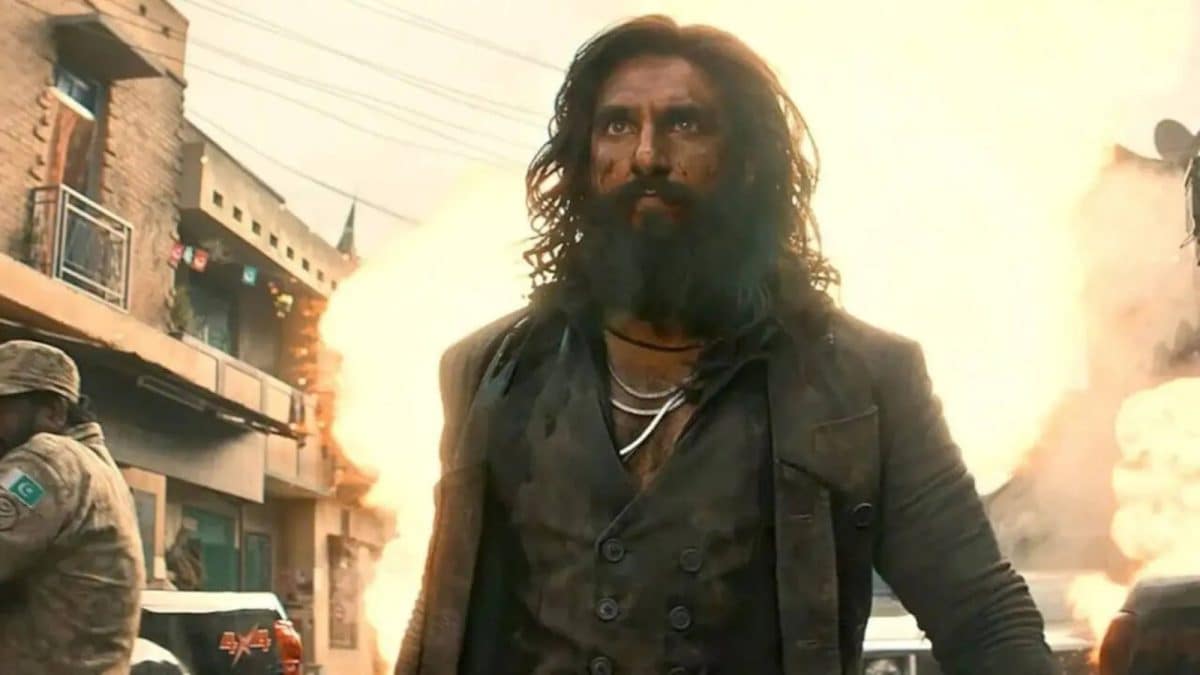
The Ranveer Singh espionage thriller has become the third highest-grossing Indian film ever, just ₹9.04 crore shy of Baahubali 2's global record, while its production team reveals the painstaking craft behind its immersive sets.
INDIA —
Key facts
- Dhurandhar 2: The Revenge is on Day 41 of its run as of April 28, 2026, having released on March 19.
- The film is the third highest-grossing Indian film ever, with a worldwide total of ₹1,779.02 crore.
- It needs ₹9.04 crore to surpass Baahubali 2: The Conclusion's ₹1,788.06 crore global record from 2017.
- strong occupancies and multiple houseful shows across Kolkata, Narendrapur, Kalyani, Habra, Krishnanagar, Howrah, Chinsurah, Malda, Haldia, Balurghat, and Purulia.
- The Muridke Madarsa set was built 9 feet above ground, rising to 43 feet, with detailed columns and arches.
- The Lyari set in Thailand took over a month to build and was dismantled after filming.
- Production designer Saini S. Johray led the team, with assistant production designer Umaa V Sawe and art directors Pritanjan Singh and Divya Soni.
- The team conducted site visits to Dongri, Mumbai, to study wear and tear, color palettes, and lived-in textures.
A Box Office Anomaly in Bengal
In a market where Hindi films often face selective response, Dhurandhar 2 has achieved something rare: sustained audiences across both multiplexes and single screens in West Bengal. The state, known for its strong regional cinema and discerning viewers, typically rewards word-of-mouth and content over scale. Yet the Ranveer Singh-led espionage thriller has drawn consistent crowds, with SVF Cinemas reporting houseful shows not only in Kolkata but across Narendrapur, Kalyani, Habra, Krishnanagar, Howrah, Chinsurah, Malda, Haldia, Balurghat, and Purulia. “Kolkata has been a strong market for Dhurandhar, particularly within the SVF Cinemas multiplex network. The film’s scale and narrative density are best experienced in a premium viewing environment, and that clearly reflected in audience turnout across our properties,” a spokesperson for SVF Cinemas said. The company is the largest integrated film production and distribution company in Eastern India. Naveen Chokhani of Navina Cinema, one of Kolkata’s oldest single-screen theatres, said audiences do not engage with labels like “nationalistic” but simply decide whether a film is worth watching. “A paying audience will not judge a film on anything except whether it is worth stepping out and spending money on a ticket,” he said, noting that films like Pathaan, Jawan, The Kashmir Files, and the Pushpa franchise all succeeded on that basis.
The Numbers Behind the Run
As of April 28, 2026, Dhurandhar 2: The Revenge is on Day 41 of its theatrical run, having released on March 19. It now stands as the third highest-grossing Indian film ever, with a worldwide total of ₹1,779.02 crore. The film is just ₹9.04 crore away from surpassing Baahubali 2: The Conclusion’s global record of ₹1,788.06 crore, a mark that has stood since 2017. Trade players point to strong traction in premium screens, especially in Kolkata and surrounding regions. The SVF spokesperson added that Bengal is a smaller market for big Hindi films, so expectations are usually set accordingly. The film’s performance becomes more interesting when compared to other national-security or patriotic films like Ikkis and Border 2, which tapped into star recall, nostalgia, or large-scale spectacle. “Dhurandhar, on the other hand, operates in a more restrained and layered space. It’s not built as a purely front-loaded, high-adrenaline spectacle. It’s an intelligence-driven narrative that unfolds gradually,” the spokesperson said.
Building the World: From Lyari to Muridke Madarsa
The film’s immersive world was the result of a meticulous, hands-on process led by production designer Saini S. Johray, with a team that included assistant production designer Umaa V Sawe and art directors Pritanjan Singh and Divya Soni. The team began with extensive research, studying video archives, online articles, and reference images to understand construction styles, graphics, and how spaces are used. They also conducted site visits to Dongri in Mumbai, documenting wear and tear, color palettes, and the lived-in quality of spaces. Pritanjan Singh, who worked as an assistant art director and set designer, described the process: “Creating a real-looking world was actually a very detailed and layered process. We were trying to understand construction styles, graphics, even how spaces are actually used.” One of his most memorable creations was the Muridke Madarsa, the film’s climax set. Built about 9 feet above ground and rising to nearly 43 feet, it included ground and first-floor levels with detailed columns and arches. The marble finish was recreated by scenic artists using PU foam, rubber, foam sheets, and thermocol carving. Divya Soni, responsible for designing and constructing sets, said, “Designing realistic sets is not easy, we did a lot of research on Lyari, Pakistan as to how things have been, how spaces function and that helped us understand what we needed to be created.” Her personal favourite set was Rehman Den.
The Art of Imperfection: Making Sets Feel Lived In
Umaa V Sawe, who joined the project after initial hesitation, emphasized that realism comes from honesty, not perfection. “For me, creating a world that feels real always starts with getting the details right. Layering small details, textures, and imperfections so nothing feels designed, it just feels real.” She noted that the team often had to break symmetry and introduce randomness until a space felt lived in. “That’s when you realize realism isn’t just about accuracy, it’s about familiarity.” The Lyari set, built in Thailand, involved transforming an entire neighborhood into a Pakistani town. “It wasn’t just about the big elements, it was the in-between details, the ones you don’t notice but would miss if they weren’t there,” Sawe said. The set took over a month to build, with the team working closely with the Thailand production design team. Pritanjan recalled the camaraderie, including a team slogan: “No masti, only ply patti.” When filming ended, the sets were dismantled. “It’s honestly a mix of emotions,” Pritanjan said. “We had spent over a month working closely with the Thailand production design team and during that time, we really became like a small family. So when it was time to take the set down, it wasn’t just about losing a physical space, it was about saying goodbye to a shared experience.”
The Emotional Cost of Temporary Worlds
For the art team, the destruction of their creations is a necessary but painful part of filmmaking. Divya Soni said, “I can’t explain the feeling of your vision turning into reality. It’s a different level of satisfaction. And yet, the act of destruction remains difficult. It’s always a heartbreaking moment for a filmmaker to destroy their own creation but it is what it is.” Umaa Sawe reflected on the transient nature of sets: “Even though we’ve practically lived on those sets spending days and nights figuring out every detail, seeing it through the lens feels completely different. It stops being just a space you worked on and becomes part of a story. But just as quickly as it comes alive, it disappears. You spend so much time building something and then suddenly, within days, it’s being destroyed in front of you.” She finds comfort in the fact that the sets live on in the film. “It stays in the film and it’s going to be there for a long time.” Pritanjan Singh noted that the experience reinforced the importance of teamwork and structure. With multiple sets being built simultaneously, the team was organized with each setup having its own designer, set decorator, and graphic designer. “That kind of planning made our work more efficient and helped everything run smoothly,” he said.
Lessons in Honesty and Adaptability
The creative team emerged from the project with deeper insights into their craft. Pritanjan Singh learned the value of quick thinking under pressure: “On set, things change very quickly, so you have to think fast and still maintain the quality of work.” Divya Soni’s takeaway was simpler: “Trust the process, sometimes things get really weird, but in the end, everything is worth the patience.” For Umaa Sawe, the project reinforced a philosophy she had been developing over years. “It reinforced something I’ve been slowly learning over the years that realism doesn’t come from perfection, it comes from honesty. The more truthful you are to the world you’re trying to create, the more believable it becomes. That’s really what drives everything, making a world feel believable through art.” She sees that honesty reflected in how audiences are responding to Dhurandhar. “The way people relate to the film comes from that sense of familiarity and immersion.” Sawe said she is walking away with more clarity, patience, and a deeper respect for the process. “More than anything, a stronger belief in staying honest to the world you’re creating.”
What the Success of Dhurandhar 2 Means for Indian Cinema
The film’s box office performance, combined with its critical acclaim for world-building, suggests a shift in audience appetite. In an era where AI-assisted visuals and green screen environments are increasingly common, Dhurandhar 2’s commitment to physical, detailed sets stands as a quiet act of resistance. The film’s success in West Bengal, a market that does not always respond uniformly to Hindi releases, indicates that content-driven films can find mainstream audiences even in regions with strong regional cinema. the film’s gradual narrative and intelligence-driven plot have not hindered its commercial appeal. As it chases the all-time record held by Baahubali 2, Dhurandhar 2 may redefine expectations for what a Hindi film can achieve both artistically and financially. The SVF spokesperson summed it up: “That kind of consistency across centres is a strong indicator of sustained audience interest.” For the art team, the film’s reception validates their approach. “I think I’m walking away with a lot more clarity, more patience, and a deeper respect for the process, but more than anything, a stronger belief in staying honest to the world you’re creating,” Sawe said.
The bottom line
- Dhurandhar 2 is the third highest-grossing Indian film ever, just ₹9.04 crore from breaking Baahubali 2's global record.
- The film achieved rare box office consistency in West Bengal, drawing audiences across multiplexes and single screens in multiple cities.
- Production designer Saini S. Johray and his team built immersive sets through extensive research, site visits, and obsessive attention to texture and imperfection.
- The Muridke Madarsa set rose 43 feet and was built 9 feet above ground, using materials like PU foam and thermocol to recreate marble finishes.
- The Lyari set in Thailand took over a month to build and was dismantled after filming, a process the team found emotional but necessary.
- The film's success underscores audience demand for authenticity and content-driven cinema over spectacle-driven releases.



/socialketchup/media/media_files/2026/04/20/dhurandhar-production-team-2026-04-20-14-10-17.png)
/socialketchup/media/media_files/2026/04/25/desktop-leaderboard-2026-04-25-10-37-42.png)

Bhuvneshwar Kumar's ₹70–75 Crore Net Worth and Meerut Bungalow: A Cricketer's Journey

Today's Chanakya Exit Poll Predicts Mamata Banerjee's Defeat in West Bengal
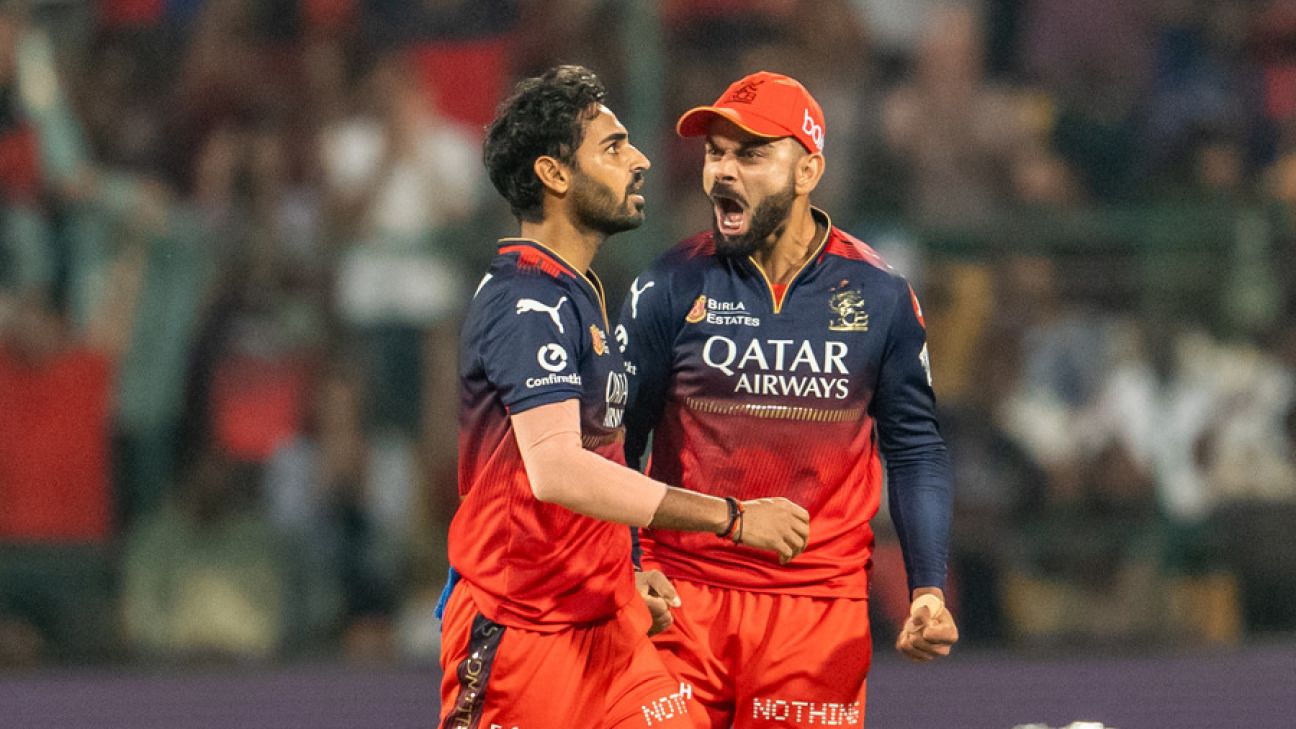
Bhuvneshwar Kumar's Death-Overs Mastery Propels RCB into Top-Four Clash with GT