India Tests Indigenous Cell Broadcast System for Disaster Alerts, Startling Millions
A nationwide trial of a new emergency communication network sent an 'Extremely Severe Alert' to mobile phones, causing confusion but marking a major step in disaster preparedness.
INDIA —
Key facts
- Millions of mobile users across India received a loud emergency alert on Saturday.
- The alert was a test of India's new Cell Broadcast Service, an indigenous technology.
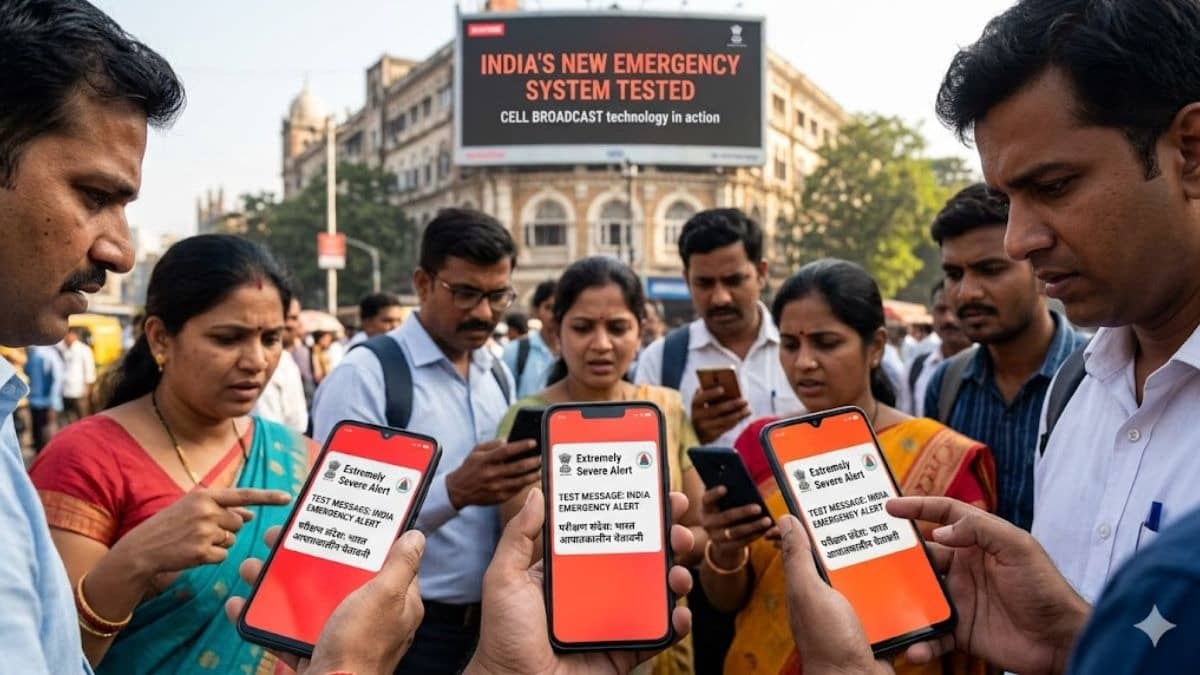
- The message read: 'Extremely severe alert... No action is required by the public... This is a test message.'
- The system is based on the Common Alerting Protocol (CAP) recommended by the International Telecommunication Union.
- The Department of Telecommunications (DoT) and National Disaster Management Authority (NDMA) are coordinating the rollout.
- A similar nationwide test was conducted in February 2024.
- The system works even during network congestion and does not require apps or SMS subscriptions.
Panic and Confusion as Phones Blare Emergency Alert
On Saturday morning, millions of mobile users across India were startled by a loud, persistent beep and a pop-up warning labeled 'Extremely Severe Alert.' The message, which flashed on screens with a vibration, caused widespread confusion as people scrambled to understand the source of the alarm. Within minutes, it became clear that the alert was not a real emergency but a test of a new government system. Officials confirmed that the notification was part of a nationwide trial of India's indigenous Cell Broadcast Service, designed to deliver instant disaster warnings directly to citizens' phones.
How the Cell Broadcast System Works
Unlike traditional SMS alerts, which rely on individual phone numbers and can be delayed during network congestion, Cell Broadcast operates on a different principle. It sends alerts simultaneously to all mobile devices within a specific geographic area, regardless of whether the phone is registered with a carrier or has an active data plan. The technology is designed to function even when networks are jammed during a crisis, ensuring that warnings about earthquakes, floods, cyclones, or tsunamis reach people within seconds. The alert appears as a loud pop-up with vibration, and no action is required from the recipient.
Government Coordination and Technology Standards
The trial is being conducted by the Department of Telecommunications (DoT) in collaboration with the National Disaster Management Authority (NDMA). According to a government statement quoted in a PTI report, the system is based on the Common Alerting Protocol (CAP), a standard recommended by the International Telecommunication Union, a United Nations body. The statement said that nationwide testing and trials are underway to assess the system's performance and reliability before its formal inauguration. Citizens may receive test messages multiple times in English, Hindi, and regional languages, and the government urged them not to act on the alerts.
Previous Test and Public Reaction
This is not the first such trial. In February 2024, a similar nationwide test was conducted, with both iPhone and Android users receiving a 'Test Alert' notification accompanied by a loud beep. That message identified the sender as the National Disaster Management Authority in coordination with the DoT. Saturday's alert, however, carried the more alarming phrase 'Extremely severe alert,' which triggered greater public concern. The message text read: 'India, launches Cell Broadcast using indigenous technology, for instant disaster alerting service for its citizens. Alert citizens, safe nation. No action is required by the public upon receipt of this message. This is a test message. - Government of India.'
Strategic Importance for Disaster Preparedness
The new system represents a significant upgrade to India's disaster communication infrastructure. By enabling authorities to broadcast warnings to all phones in a targeted area instantly, it aims to reduce response times and potentially save lives during natural disasters. The use of indigenous technology also aligns with the government's push for self-reliance in critical systems. The Cell Broadcast Service does not require citizens to download apps or subscribe to services, making it accessible to even the most basic mobile phones.
What Comes Next
The government has not announced a specific date for the formal launch of the system, but the ongoing trials are expected to continue until performance benchmarks are met. Officials have indicated that the system will be dedicated to the nation once testing is complete. For now, citizens are advised to treat any future alerts as tests and not to panic. The success of the trial will depend on public awareness and the system's ability to function reliably under real-world conditions.
The bottom line
- India tested a new indigenous Cell Broadcast system for disaster alerts on Saturday, sending an 'Extremely Severe Alert' to millions of phones.
- The system works even during network congestion and does not require apps or SMS subscriptions.
- The trial is a collaboration between the DoT and NDMA, based on the UN-recommended Common Alerting Protocol.
- A similar test was conducted in February 2024, but Saturday's alert used stronger language, causing public confusion.
- The system aims to provide real-time warnings for earthquakes, floods, cyclones, and tsunamis.
- No action is required from the public upon receiving test messages; the government urges citizens to ignore them.





Colorado's Spring Storm Fades, Promising a Sunny Weekend After Chilly Finale

Saif Ali Khan's Cop Drama 'Kartavya' to Stream on Netflix from May 15

Vaibhav Suryavanshi vs Mitchell Starc: Powerplay Battle That Decided RR vs DC Clash in Jaipur