FEMA Flood Maps Miss Flash Flood Risk as Climate Change Intensifies Downpours
After a July 4 flash flood in Texas killed over 130 people, experts warn that federal maps fail to capture the growing threat from intense rainfall.
INDIA —
Key facts
- A flash flood on July 4, 2025, in Texas Hill Country killed more than 130 people.
- The same region was hit again a week later, pausing search efforts.
- FEMA's Flood Insurance Rate Maps (FIRMs) were developed in the 1970s for the National Flood Insurance Program.
- A 2023 study found more than twice as many properties are at risk of a 100-year flood than FEMA maps show.
- FEMA maps primarily focus on river channels and coastal flooding, excluding flash flooding from intense rain.
- The National Weather Service issues flash flood emergency warnings only for rare, life-threatening events.
- Flooding from Hurricane Helene in 2024 caused uninsured damage in unmapped areas around Asheville, North Carolina.
A Second Deluge Hits Texas as Searchers Pause
A week after a flash flood on July 4, 2025, killed more than 130 people in the Texas Hill Country, the same region was hit again by heavy downpours. Searchers temporarily halted their efforts to find missing victims as new floodwaters swept through the area. The back-to-back disasters have intensified scrutiny of the nation's flood maps and their ability to protect communities.
FEMA's Maps: Essential but Incomplete
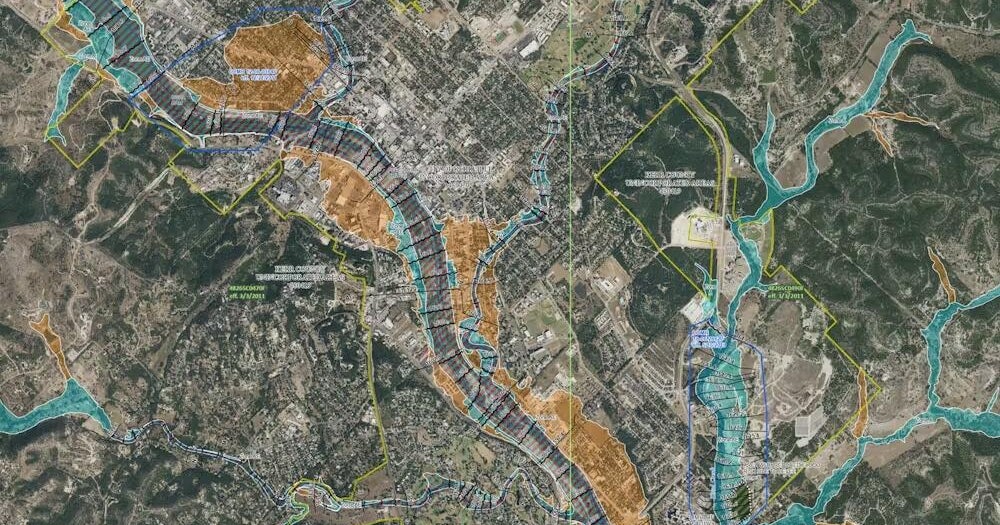
The Federal Emergency Management Agency's flood maps, known as Flood Insurance Rate Maps (FIRMs), were created in the 1970s to support the National Flood Insurance Program. They determine where flood insurance is required for federally backed mortgages, inform local building codes, and guide flood plain management. In theory, they enable homeowners, businesses and officials to understand risk and prepare. But the maps have significant gaps, particularly regarding flash flooding from intense bursts of rain.
Climate Change Exposes Unmapped Vulnerabilities
Rising global temperatures lead to more frequent extreme downpours, leaving more areas vulnerable to flooding that FEMA maps do not capture. The maps primarily focus on river channels and coastal flooding, largely excluding the risk of flash flooding along smaller waterways such as streams, creeks and tributaries. This limitation has become critical as climate change intensifies rainfall events.
Study Finds Double the Risk
Jeremy Porter, a professor at the City University of New York and researcher at First Street, led a 2023 assessment using newly modeled flood zones with climate-adjusted precipitation records. The study found that more than twice as many properties across the country are at risk of a 100-year flood than FEMA maps identify. Even where FEMA maps show risk, the federal mapping process—its overreliance on historical data and political influence over updates—can lead to underestimates.
Deadly Gaps in Known Flood Zones
The Camp Mystic site in Kerr County, Texas, which was hit by the deadly July 4 flash flood, lies within a mapped flood zone. Yet the maps underestimated the risk because they rely on historic data and outdated assessments. In 2024, flooding from Hurricane Helene caused extensive uninsured damage in unmapped areas around Asheville, North Carolina. These examples highlight the consequences of incomplete flood mapping.
The Rare Alert for Catastrophic Danger
The National Weather Service issues thousands of flash flood warnings each year, but only a small percentage are elevated to flash flood emergency warnings—the highest level. These rare alerts signal a life-threatening event is imminent or ongoing, triggered by confirmed rapid water rise, deployment of swift-water rescue teams, or major flood levels on gauges. The July 4 Texas flood warranted such an alert, yet many residents were caught unprepared.
Calls for Reform as Floods Intensify
The recent disasters underscore the urgent need to update flood mapping to account for climate change and flash flooding. FEMA has improved accuracy and accessibility over time with better data and digital tools, but the maps still do not capture everything. As extreme weather events become more frequent, the gap between mapped risk and actual danger grows, leaving millions of Americans exposed to uninsured losses and life-threatening floods.
The bottom line
- FEMA flood maps, designed in the 1970s, do not adequately capture flash flooding from intense rainfall, a risk amplified by climate change.
- A 2023 study found that more than twice as many U.S. properties face 100-year flood risk than FEMA maps indicate.
- The July 2025 Texas Hill Country flash flood, which killed over 130 people, occurred in a mapped area where risk was underestimated.
- Political influence and reliance on historical data delay map updates and contribute to inaccuracies.
- The National Weather Service's flash flood emergency warnings are rare and reserved for catastrophic, life-threatening events.
- Without comprehensive mapping reform, communities will face increasing uninsured damage and loss of life from flash floods.


Varun Chakravarthy's Spin Magic Propels KKR to Seven-Wicket Win Over SRH

Trump Rejects Iran's Peace Proposal, Warns of Sanctions on Strait of Hormuz Tolls

India Weighs First Fuel Price Hike in Four Years as West Asia Crisis Deepens Oil Losses
