Europe's Rafale and Typhoon Modernization Programs Compete to Bridge Gap to Sixth-Generation Fighters
France's Rafale F5 and the Eurofighter Typhoon Long Term Evolution aim to extend the life of fourth-generation aircraft until 2060s, with contrasting ambitions and consortium dynamics.
INDIA —
Key facts
- France backs the Rafale F5 program; UK, Germany, and Italy back the Typhoon Long Term Evolution (LTE) program.
- Both programs aim to improve avionics, engines, networking systems, and aircraft longevity.
- Rafale F5 will control stealthy remote carriers derived from the nEUROn UCAV program.
- Typhoon LTE focuses on mission computing, flight control computing, communication, and armament systems.
- Next-generation systems (FCAS and GCAP) expected to enter service between 2035 and 2040.
- Rafale intended to remain active until the 2060s.
- Typhoon LTE described as a life-extension program rather than a revolutionary upgrade.
- Consortium politics among multiple nations limit Typhoon LTE's ambition.
The Modernization Race
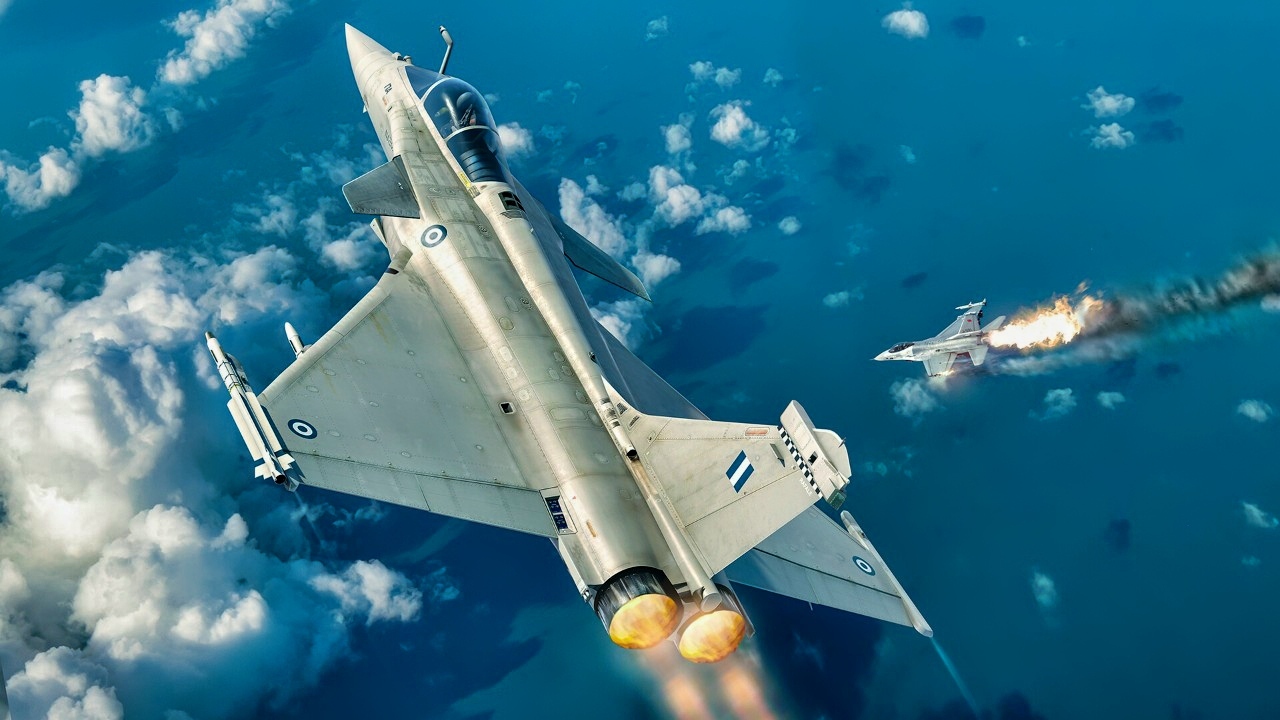
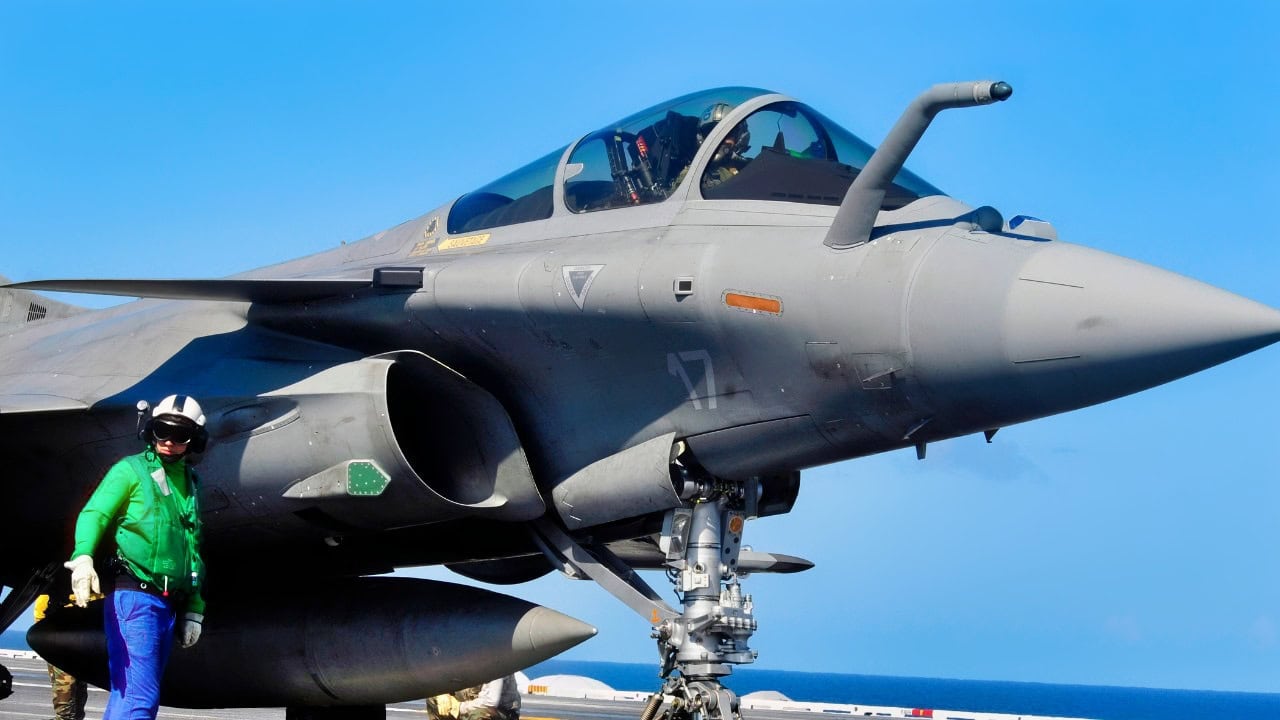
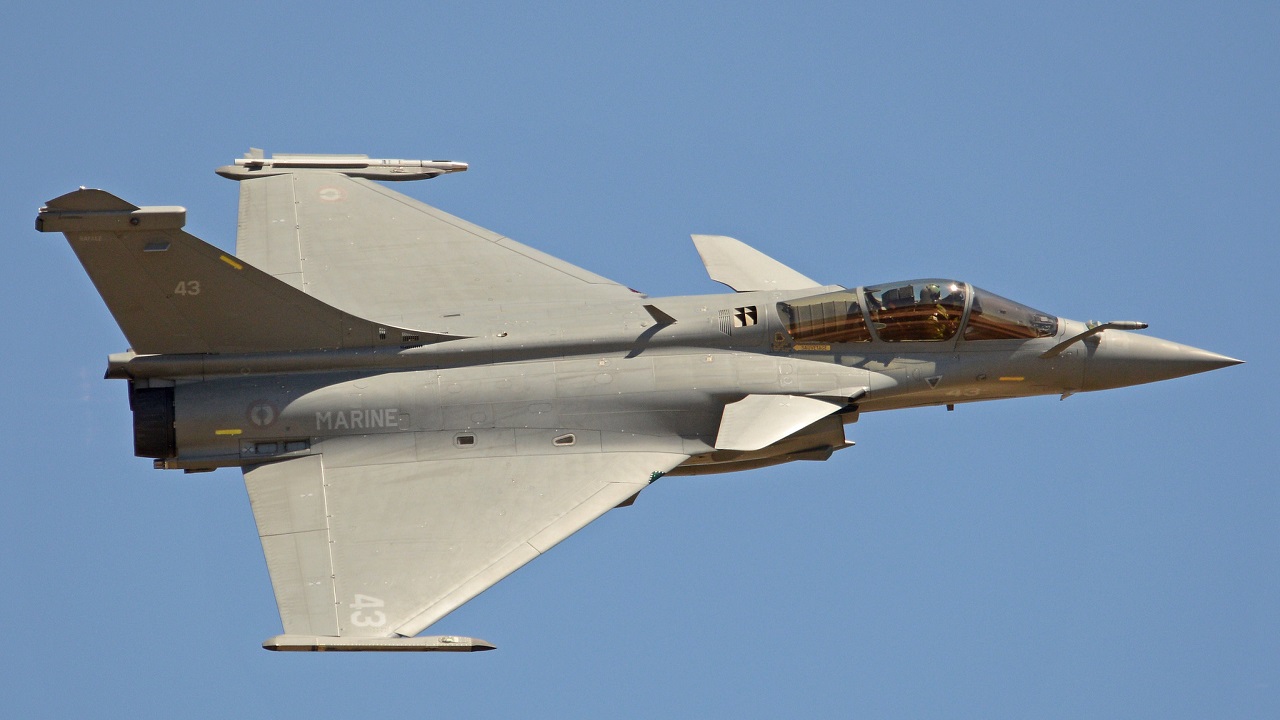
Europe's two premier fourth-generation fighter jets, the Dassault Rafale and the Eurofighter Typhoon, are entering a new phase of competition as their respective backers launch major modernization programs. France is pushing the Rafale F5, while the United Kingdom, Germany, and Italy are advancing the Typhoon Long Term Evolution (LTE) program. Both initiatives aim to keep these aircraft relevant until next-generation systems arrive in the 2035-2040 timeframe. The Rafale F5 and Typhoon LTE represent the most sophisticated fourth-generation fighter upgrades in Europe, each designed to bridge the gap to future combat air systems. The Franco-German-Spanish Future Combat Air System (FCAS) and the UK-Italy-Japan Global Combat Air Programme (GCAP) are expected to enter service around 2035-2040, making these modernization packages critical for maintaining air superiority in the interim.
Rafale F5: A Distributed Combat System
The Rafale F5 program is explicitly designed to operate as a node within a distributed combat system, according to program details. It will be capable of controlling stealthy remote carriers derived from the nEUROn UCAV program, tasking them with reconnaissance, electronic attack, decoy operations, or strike missions. This feature positions the Rafale as a command-and-control hub for unmanned systems. However, these capabilities are not yet operational; the program is largely described in future tense. The long-term intention is to use the Rafale as a bridge between older fighters and the newer sixth-generation aircraft under development. The aircraft is expected to remain active until the 2060s, when it will be replaced by future systems.
Typhoon LTE: A More Modest Upgrade
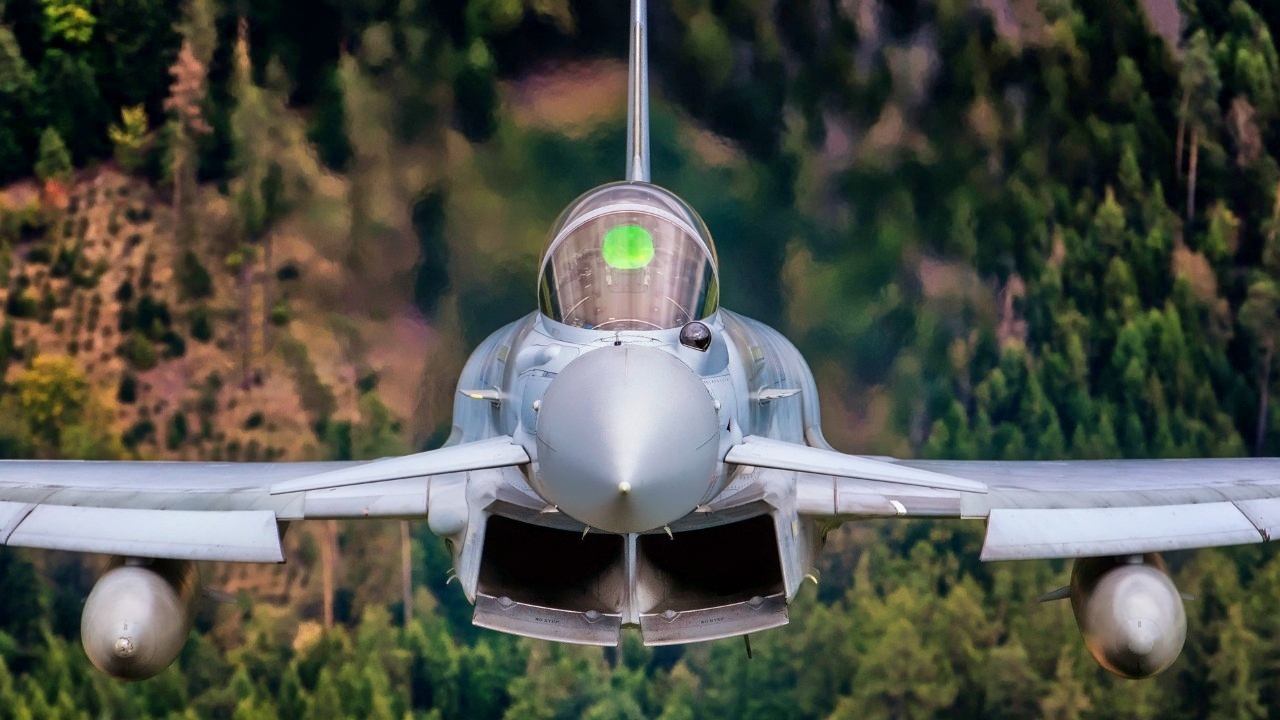
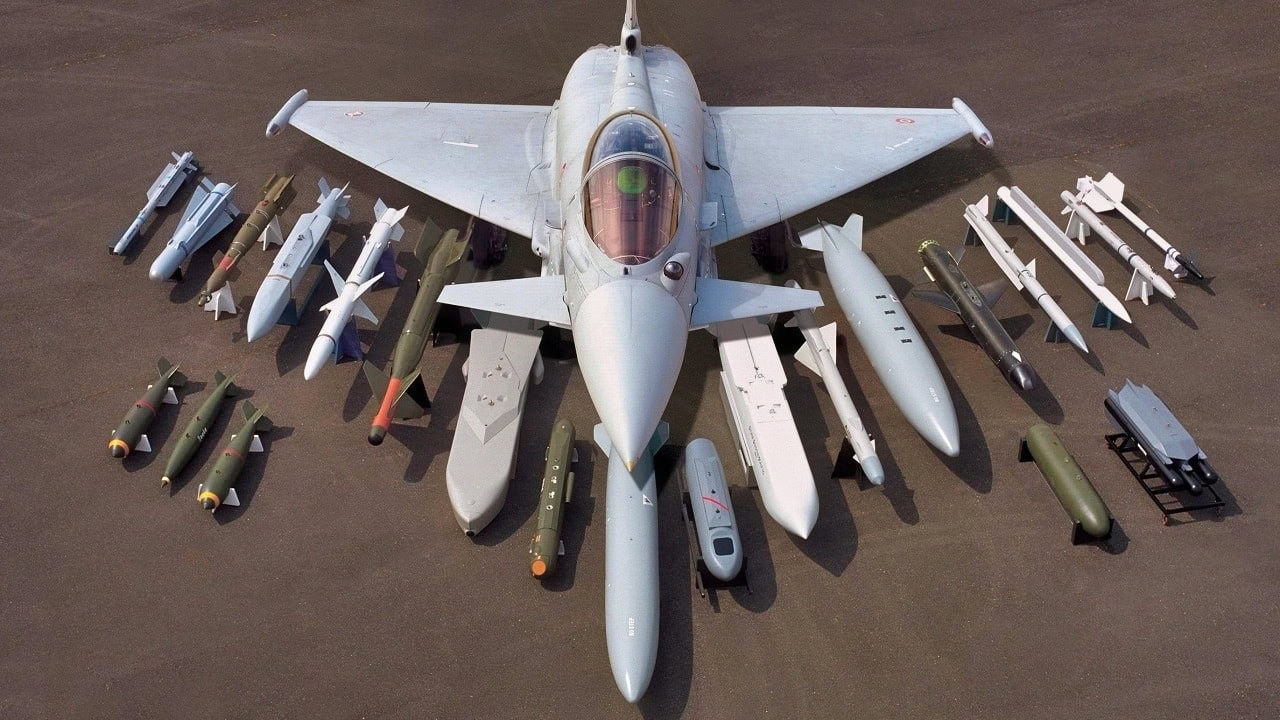
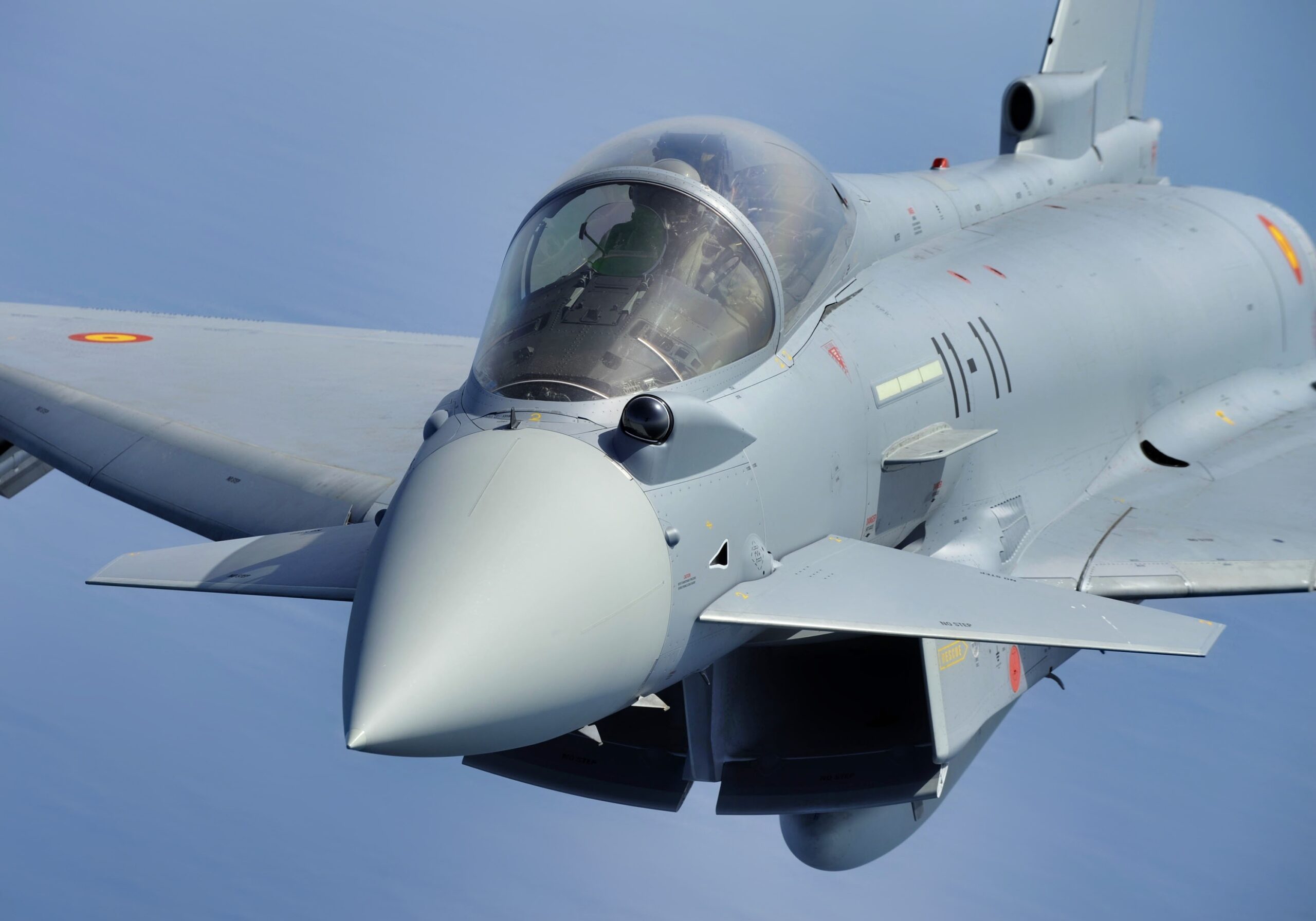
The Typhoon’s LTE and Technology Maturation Phase (TMP) program is envisioned as a bridge between older and newer generations, but with less ambitious scope. The upgrade aims to improve the aircraft’s mission computing system, flight control computing system, communication equipment, and armament control systems. It also seeks to enhance human-machine interface to reduce pilot workload and enable onboard computers to process greater volumes of data at higher speeds. Industry sources indicate that the LTE program is much less ambitious than Dassault’s F5 program. This is largely due to consortium politics, as getting multiple nations—the UK, Germany, and Italy—to agree on specifications is difficult. As a result, the LTE can be more accurately described as a life-extension program for the Typhoon rather than a revolutionary modernization package.
Consortium Dynamics vs. National Control
The contrasting ambitions of the two programs highlight the advantages of national control versus multinational consortium management. France, as the sole backer of the Rafale, can drive a more aggressive modernization agenda without the need for consensus among multiple partners. In contrast, the Typhoon consortium, led by BAE Systems and Leonardo, must navigate the competing priorities of three nations, which constrains the scope of upgrades. This dynamic has long shaped the rivalry between the two aircraft. The Rafale and Typhoon have coexisted as Europe's most sophisticated fourth-generation fighters, but their development paths now diverge sharply. The Rafale F5 aims for a revolutionary leap in networking and unmanned control, while the Typhoon LTE focuses on incremental improvements to extend service life.
Timeline and Stakes
Both programs are critical for European air power as the continent awaits sixth-generation fighters. The FCAS and GCAP programs are not expected to deliver operational aircraft until the mid-2030s at the earliest, leaving a gap of more than a decade. During this period, the upgraded Rafale and Typhoon will form the backbone of European air forces. The stakes are high: Russia's ongoing war in Ukraine and rising global tensions underscore the need for capable, modern fighters. The Rafale F5's ability to control unmanned remote carriers could provide a tactical edge, while the Typhoon LTE's improvements in computing and data processing aim to keep it competitive. However, the Typhoon's more modest upgrades may leave it at a disadvantage in networked warfare scenarios.
Outlook: A Tale of Two Programs
The success of these modernization programs will depend on execution and funding. France has a clear path for the Rafale F5, but the technology for remote carriers is still in development. The Typhoon LTE, while less ambitious, benefits from a larger industrial base and potential export orders. Both aircraft are expected to remain in service for decades, with the Rafale projected to fly until the 2060s. Ultimately, the rivalry between the Rafale and Typhoon reflects broader European defense industrial dynamics. The choice between a national program with greater ambition and a multinational program with more constraints will shape the continent's air combat capabilities for a generation. As next-generation systems loom, these upgrades are not just about extending life—they are about defining Europe's military technological edge.
The bottom line
- France's Rafale F5 program aims for a revolutionary upgrade with unmanned remote carrier control, while the Typhoon LTE is a more conservative life-extension effort.
- Consortium politics among UK, Germany, and Italy limit the Typhoon LTE's ambition compared to France's single-nation Rafale program.
- Both programs are designed to bridge the gap until sixth-generation fighters (FCAS and GCAP) enter service between 2035 and 2040.
- The Rafale is expected to remain active until the 2060s, highlighting the long-term importance of these upgrades.
- The Rafale F5's networking capabilities could provide a tactical edge in future conflicts, but the technology is not yet operational.
- The success of these programs will shape European air power for decades, with implications for NATO and global security.

India braces for fuel price hike as crude oil surges to four-year high

IMD Predicts Dual-Character May 2026: Excess Rain in East, Severe Heat in North and West

Riyan Parag fined 25% of match fee for vaping in dressing room during IPL match