Google's COSMO App Appears and Vanishes: An Accidental Peek at an AI Assistant Prototype
The experimental Android app, weighing 1.13 GB due to an integrated Gemini Nano model, was briefly available on the Play Store before being pulled, offering a glimpse of future AI capabilities.
INDIA —
Key facts
- Google published COSMO, an experimental AI assistant app for Android, on the Play Store on May 1, 2026.
- The app has a package name com.google.research.air.cosmo and originates from Google Research.
- COSMO weighs 1.13 GB because it includes a local Gemini Nano model for on-device processing.
- The app offers three operational modes: Hybrid, PI Only, and Nano Only; the meaning of 'PI' is undisclosed.
- COSMO was pulled from the Play Store shortly after release; existing installers can still view the page.
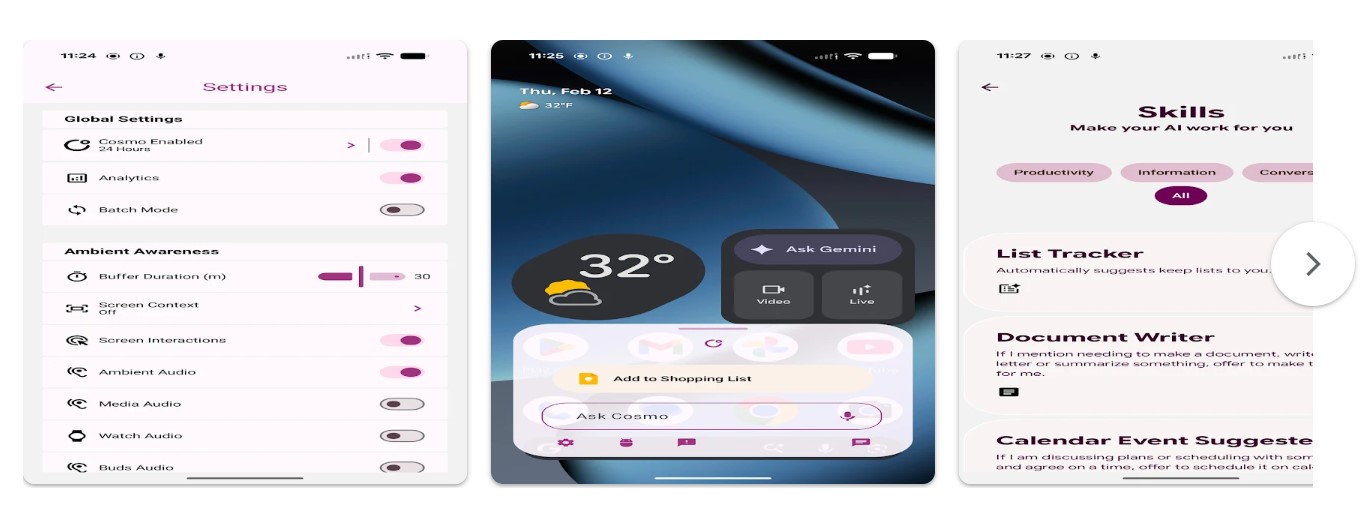
- The app's skills include List Tracker, Document Writer, Calendar Event Suggester, Browser Agent, Deep Research, and Quick Photo Lookup.
- The launch comes weeks before the Google I/O 2026 conference, suggesting a test bed for future features.
A Brief Appearance and Swift Removal
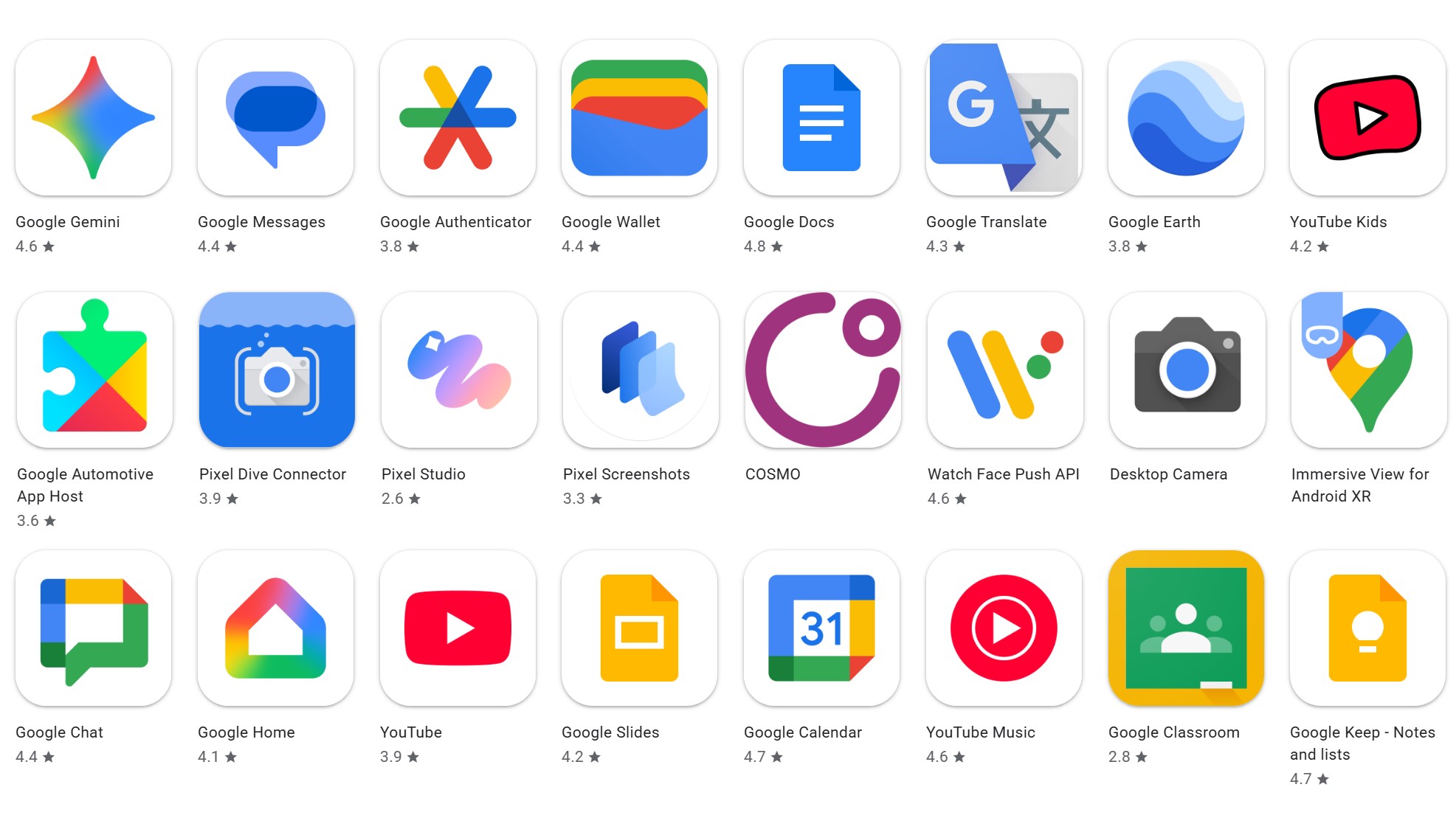
On May 1, 2026, Google quietly published a new Android application called COSMO on the Play Store, described as 'an experimental AI assistant application for Android devices.' The app, bearing the package name com.google.research.air.cosmo, originated from Google Research but was released under the company's main Play Store account. Within hours, however, the listing was pulled. Users who had not installed the app now see a 'not found' message, while those who had already downloaded it can still access the page when logged in. The rapid removal suggests the release was premature or accidental. The Play Store listing itself appeared rough, with screenshots displayed in incorrect aspect ratios, reinforcing the impression that the app was not yet ready for public consumption. Google has not issued an official statement regarding the brief availability or the subsequent takedown.
What COSMO Is and How It Works
COSMO is designed as a test bed for future AI experiences rather than a finished consumer product. The app integrates a local Gemini Nano model, accounting for its substantial 1.13 GB file size, which enables on-device processing. In addition to the local model, COSMO can connect to a remote server referred to as 'PI' — an acronym Google has not defined — and supports a hybrid mode that switches between local and remote processing as available. Upon installation, the app requests several system permissions, including access to Android's AccessibilityService API to read the screen, though this feature did not appear fully functional in initial testing. The user interface is basic, reflecting its experimental status. COSMO's core functionality revolves around a set of 'skills' that automate routine tasks: a List Tracker that suggests keeping lists, a Document Writer for drafting letters or summaries, a Calendar Event Suggester for scheduling, a Browser Agent that automates tasks using Mariner, a Deep Research tool for complex queries, and Quick Photo Lookup to find photos without interrupting a conversation.
A Deliberate Test Bed or Accidental Release?
Industry analysts view the appearance of COSMO as a strategic move to test new AI capabilities ahead of the Google I/O 2026 conference, scheduled for later this month. The app's experimental nature and rough edges suggest it was never intended for widespread consumer use at this stage. Instead, it appears to be a prototype for gathering performance data and user feedback on features that may eventually be integrated into the broader Android ecosystem. The timing of the release — just weeks before I/O — is particularly significant. Google has a history of using developer conferences to unveil major AI advancements, and COSMO could be a precursor to announcements about deeper AI integration into Android. However, the premature publication and subsequent removal indicate that the company may have intended to keep the app under wraps until the event.
The Skills That Define COSMO
COSMO's skill set is designed to automate common digital tasks, reducing the need for users to switch between multiple applications. The List Tracker automatically suggests creating lists based on conversation context. The Document Writer offers to generate documents when the user mentions needing to write or summarize. The Calendar Event Suggester proposes scheduling events when plans are discussed and a time is agreed upon. The Browser Agent leverages Mariner to automate web-based tasks, while Deep Research handles complex queries requiring multiple sources, generating a full report. Quick Photo Lookup finds specific photos from the user's library without interrupting a conversation. Additionally, a 'Google it' skill offers to perform web searches for quick answers, and an Add Timer skill creates timers for time-bound tasks. These skills are not all enabled by default; users can customize which ones are active in the settings.
Unanswered Questions and Future Prospects
Several aspects of COSMO remain unclear. The meaning of 'PI' in the operational modes is undisclosed, leaving speculation about whether it refers to a specific server infrastructure or a different AI model. The app's reliance on the AccessibilityService API, which has been a point of contention for privacy, raises questions about how Google intends to handle screen data. Furthermore, the app's ability to function with only a local model (Nano Only mode) suggests a focus on privacy and offline capabilities, but performance comparisons between modes have not been detailed. As Google I/O 2026 approaches, the industry will be watching for official announcements that clarify COSMO's role. Whether the app reappears as a public beta or its features are folded into existing products like Gemini remains to be seen. For now, COSMO stands as a tantalizing glimpse into Google's experimental AI work — one that appeared and vanished almost as quickly as it came.
The bottom line
- Google briefly published COSMO, an experimental AI assistant app for Android, before pulling it from the Play Store.
- The app includes a local Gemini Nano model, resulting in a 1.13 GB download size, and supports three operational modes.
- COSMO's skills automate tasks like scheduling, document drafting, and complex research, but the app is clearly a prototype.
- The release may have been accidental, occurring weeks before Google I/O 2026, where more significant AI announcements are expected.
- Key unknowns include the meaning of 'PI' and how Google will address privacy concerns related to screen access permissions.
- The brief availability offers a preview of potential future AI features that could be integrated into the Android ecosystem.




CBSE to Release Class 12 Results in Third Week of May, Denies OSM Glitches

Bangladesh Women Face Sri Lanka in Crucial Third T20I After Rain Disrupts Series

Kuldeep Yadav's 5/82 at Kotla Exposes India's Persistent Selection Dilemma