Gujarat marks 66th foundation day as CM Patel touts development model that ‘impressed the whole world’
Surat hosts state-level celebrations on May 1, while Chief Minister Bhupendra Patel credits Prime Minister Narendra Modi’s post-2001 policies for transforming a desert-and-coastline region into a global investment hub.
INDIA —
Key facts
- Gujarat was formed on May 1, 1960, under the Bombay Reorganization Act, splitting the bilingual Bombay State into Gujarat and Maharashtra.
- Chief Minister Bhupendra Patel spoke on the eve of the 66th Foundation Day, April 30, 2026.
- Power generation capacity rose from 8,750 MW to approximately 53,000 MW.
- Gujarat is the only state with an integrated gas grid, water grid, and electricity grid.
- Renewable energy capacity accounts for 15% of India’s total; over 300,000 houses have rooftop solar.
- Two semiconductor plants are operational; two more are planned, with Sanand and Dholera becoming hubs.
- An AI Centre of Excellence has been established at GIFT City.
- The urban development budget has been increased by 40%, and economic master plans for six regions are being prepared with NITI Aayog.
Surat prepares for grand state-level celebrations
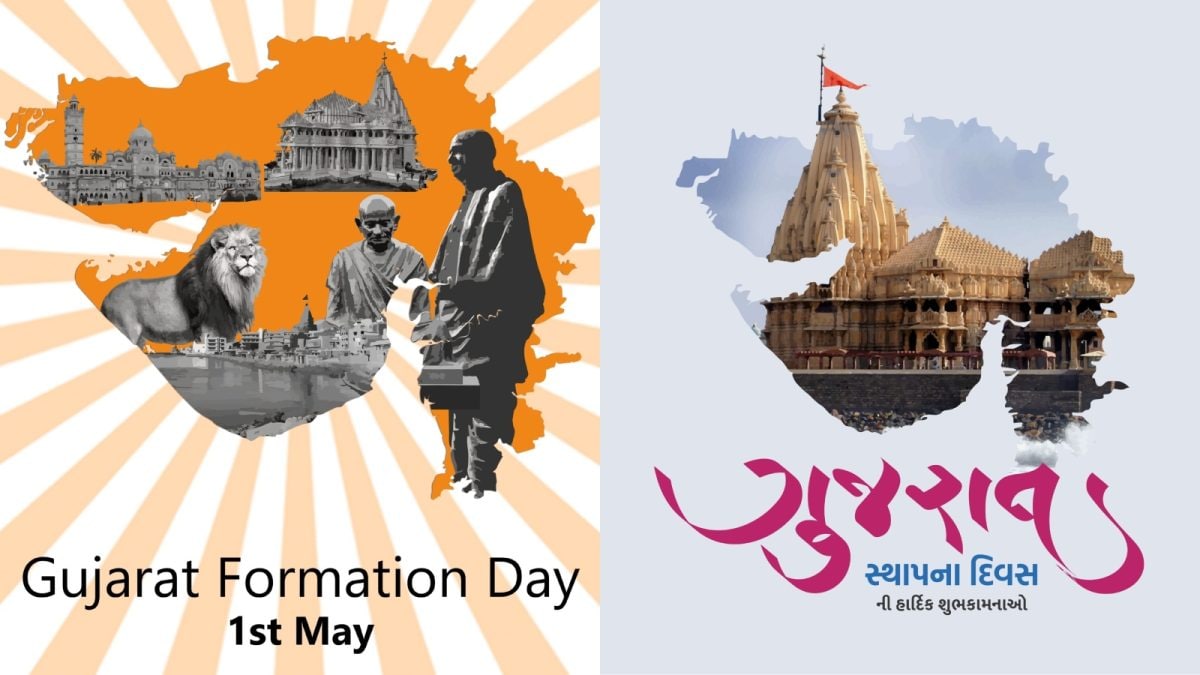
Surat, Gujarat’s commercial hub, will host the official state-level celebration of Gujarat Foundation Day — known as Gujarat Gaurav Diwas — on Friday, May 1, 2026. The event is expected to feature a line-up of grand events, though specific details of the programme have not yet been released. The choice of Surat as the venue underscores the city’s economic significance as a diamond and textile centre. It also reflects the state government’s strategy to decentralise major celebrations beyond the capital Gandhinagar and the commercial capital Ahmedabad. Gujarat was carved out of the former Bombay State on May 1, 1960, following the Bombay Reorganization Act, which divided the bilingual state into Gujarat and Maharashtra on linguistic and cultural lines. The day has since been observed as Gujarat Sthapana Diwas, marking the birth of a state that would later be dubbed the ‘Jewel of Western India’.
CM Patel credits Modi-era policies for transformation
On the eve of the 66th Foundation Day, Chief Minister Bhupendra Patel asserted that Gujarat’s development model has drawn global attention. “The whole world is impressed by Gujarat’s development model and is attracted to Gujarat today,” he said in a statement on Thursday, April 30. Patel recalled that when the state was formed, doubts were raised about how a region with desert, coastline and hills would progress. He drew a sharp contrast between what he called “Gujarat’s four decades of development from 1960 to 2000” and the “uninterrupted development journey of two and a half decades after 2001”, crediting Prime Minister Narendra Modi — who served as Gujarat’s chief minister from 2001 to 2014 — for laying the foundation of “development politics” in the state. “People have continued to repose faith in Modi’s leadership,” Patel said, adding that Gujarat has emerged as a role model for the country under Modi’s guidance. He also acknowledged the inspiration of historical figures such as Mahatma Gandhi, Sardar Vallabhbhai Patel, Swami Dayanand Saraswati, and Shyamji Krishna Varma.
Power, water, and electricity grids: infrastructure milestones
Patel highlighted major strides in electricity, water, roads, health, education and social sectors. Through the ‘Jyotigram Yojana’, 24-hour continuous three-phase electricity is now supplied to villages across the state, he said. Power generation capacity has surged from 8,750 megawatts to around 53,000 megawatts, according to the chief minister. Gujarat is the only state in India with an integrated gas grid, water grid and electricity grid, he added. These infrastructure achievements, Patel argued, have been central to attracting investment and improving the quality of life in both urban and rural areas.
Renewable energy and semiconductor push
Gujarat is focusing on renewable energy and green growth, including solar, wind and green hydrogen, Patel said. The state’s renewable energy capacity now accounts for 15 percent of the country’s total capacity, and more than three lakh houses have been covered under rooftop solar schemes. Moving beyond traditional industries, the state is promoting high-tech sectors. Two semiconductor plants have become operational, and two more are to be built, with Sanand and Dholera emerging as hubs for the semiconductor industry. An AI Centre of Excellence has been set up at GIFT City, the chief minister noted. These initiatives are part of a broader strategy to position Gujarat as a “global gateway to the future”, a phrase Patel used to describe the state’s ambitions.
Vibrant Gujarat and regional economic master plans
The Vibrant Gujarat Global Investors Summit, launched in 2003 when Modi was chief minister, has helped position the state as a preferred investment destination and contributed to low unemployment, Patel said. District-level strengths are being promoted through regional conferences aimed at taking local products to global markets. On urban and regional development, the government has increased the urban development budget by 40 percent and prepared economic master plans for six regions with support from NITI Aayog, the central government’s policy think tank. These measures, reflect a comprehensive approach to development that balances industrial growth with regional equity.
Outlook: Gujarat’s model under global spotlight
As Gujarat celebrates its 66th Foundation Day, the state’s development narrative — built around infrastructure, renewable energy, high-tech manufacturing, and investment summits — continues to be a central theme in Indian politics. Chief Minister Patel’s remarks explicitly linked the state’s progress to the legacy of Prime Minister Modi, reinforcing a political alignment that has defined Gujarat’s governance for over two decades. The emphasis on semiconductor plants, AI centres, and green energy signals an ambition to move beyond the state’s traditional strengths in textiles, diamonds, and petrochemicals. Whether these newer sectors can generate the same employment and growth as the older ones remains an open question. For now, the official celebrations in Surat will proceed with the usual pageantry, as the state’s leaders project confidence in a model they say has won global admiration.
The bottom line
- Gujarat’s 66th Foundation Day is being celebrated with state-level events in Surat on May 1, 2026.
- Chief Minister Bhupendra Patel credited PM Narendra Modi’s post-2001 policies for the state’s transformation from a desert-coastline region to an investment hub.
- Power generation capacity rose from 8,750 MW to ~53,000 MW; Gujarat has integrated gas, water, and electricity grids.
- Renewable energy capacity is 15% of India’s total; over 300,000 homes have rooftop solar.
- Two semiconductor plants are operational, two more planned; an AI Centre of Excellence has been set up at GIFT City.
- The urban development budget increased by 40%, and economic master plans for six regions are being prepared with NITI Aayog.




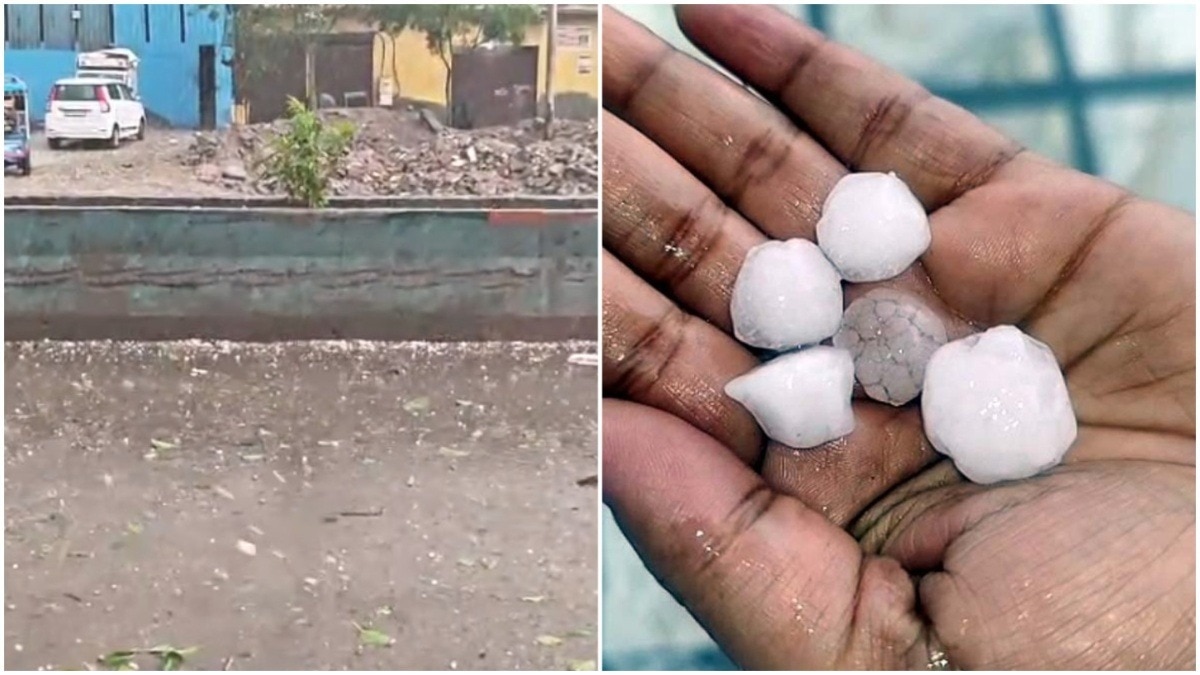
Delhi-NCR Pounded by Hailstorms as IMD Issues Orange Alert for 11 States

Kerala Lottery Karunya KR-752 Draws ₹1 Crore Winner; 30% Tax Applies
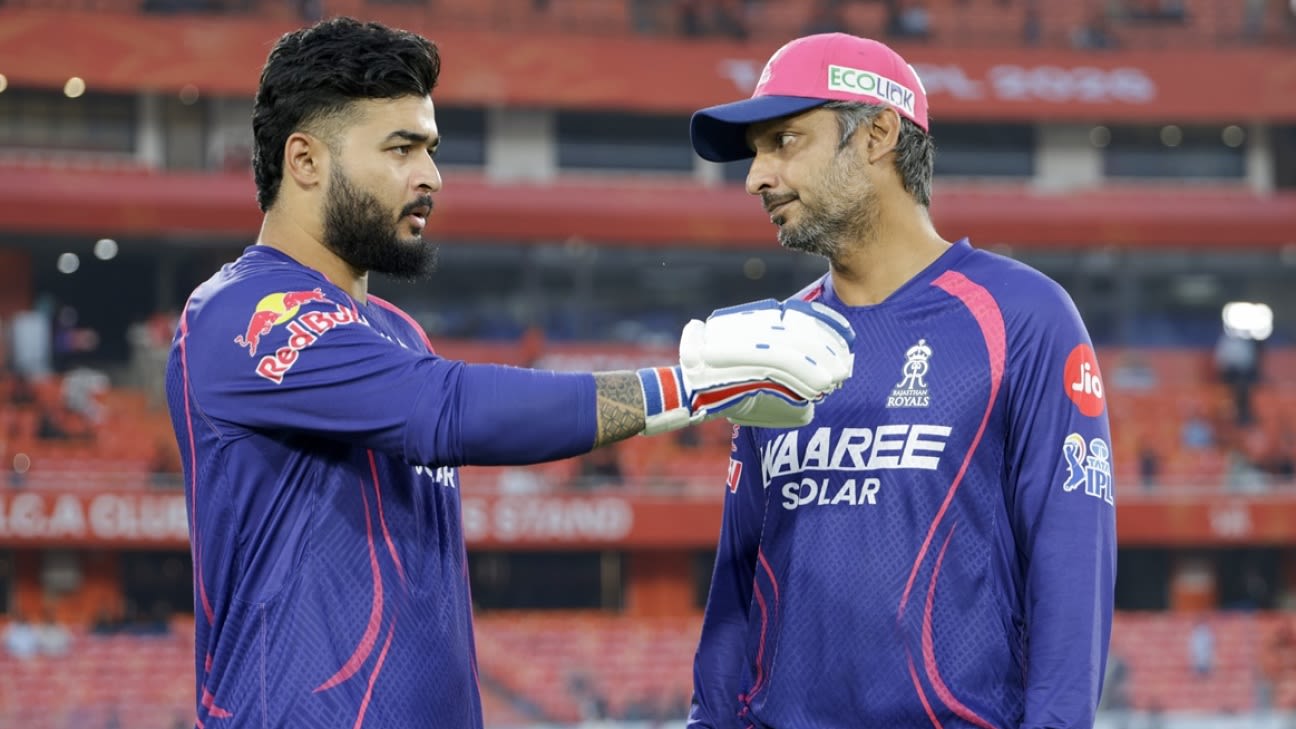
Riyan Parag fined 25% of match fee for vaping in IPL dressing room