Assam Chief Minister's Remarks on 'Pushing Back' Bangladeshis Trigger Diplomatic Row with Dhaka
Bangladesh summons acting Indian High Commissioner Pawan Badhe to protest Himanta Biswa Sarma's comments on illegal immigration and nighttime deportations.

INDIA —
Key facts
- Bangladesh summoned acting Indian High Commissioner Pawan Badhe on Thursday to protest remarks by Assam Chief Minister Himanta Biswa Sarma.
- Sarma said in an interview that illegal Bangladeshis are 'pushed back' under cover of darkness where Border Guard Bangladesh is absent.
- He claimed 1,400 Bangladeshis were officially pushed back, but the actual number could be in thousands.
- Sarma posted on April 26 that 20 illegal nationals were pushed back to Bangladesh, adding 'Rude people don't understand soft language.'
- India and Bangladesh are resetting ties under Tarique Rahman after months of animosity.
- The Supreme Court ruled that a District Magistrate can issue an eviction order if a person is deemed not Indian, but did not specify how eviction is carried out.
Dhaka Summons Indian Envoy Over Sarma's 'Disparaging' Remarks
Bangladesh summoned acting Indian High Commissioner Pawan Badhe on Thursday to lodge a formal protest against what it termed 'disparaging' remarks by Assam Chief Minister Himanta Biswa Sarma. The diplomatic move comes as Sarma's comments on the repatriation of illegal Bangladeshi immigrants have gone viral, straining relations between the two neighbors. The protest was delivered at a delicate moment, as India and Bangladesh seek to reset ties under the leadership of Tarique Rahman after months of heightened animosity. Bangladesh's foreign ministry expressed strong displeasure over Sarma's statements, which it said undermined bilateral cooperation.
Sarma's Interview Sparks Controversy Over Deportation Methods
In an interview with ABP News, Sarma outlined the difficulties of deporting alleged illegal Bangladeshi immigrants through official channels. He claimed that relying on the Ministry of External Affairs often leads to suspected infiltrators being held by the Border Security Force for up to 30 to 40 days. 'Even if we push them back, some come back via Bengal,' Sarma said. The chief minister described an alternative method: 'We take them to a convenient location near the border, and literally push them (dhakka marna padega) across the border.' He added that this is done 'taking advantage of the night' in places where the Border Guard Bangladesh is not present. Sarma asserted that such an atmosphere has been created in Assam that many illegal Bangladeshis have started returning on their own.
Official Numbers vs. Reality: Sarma's Claims on Deportation Scale
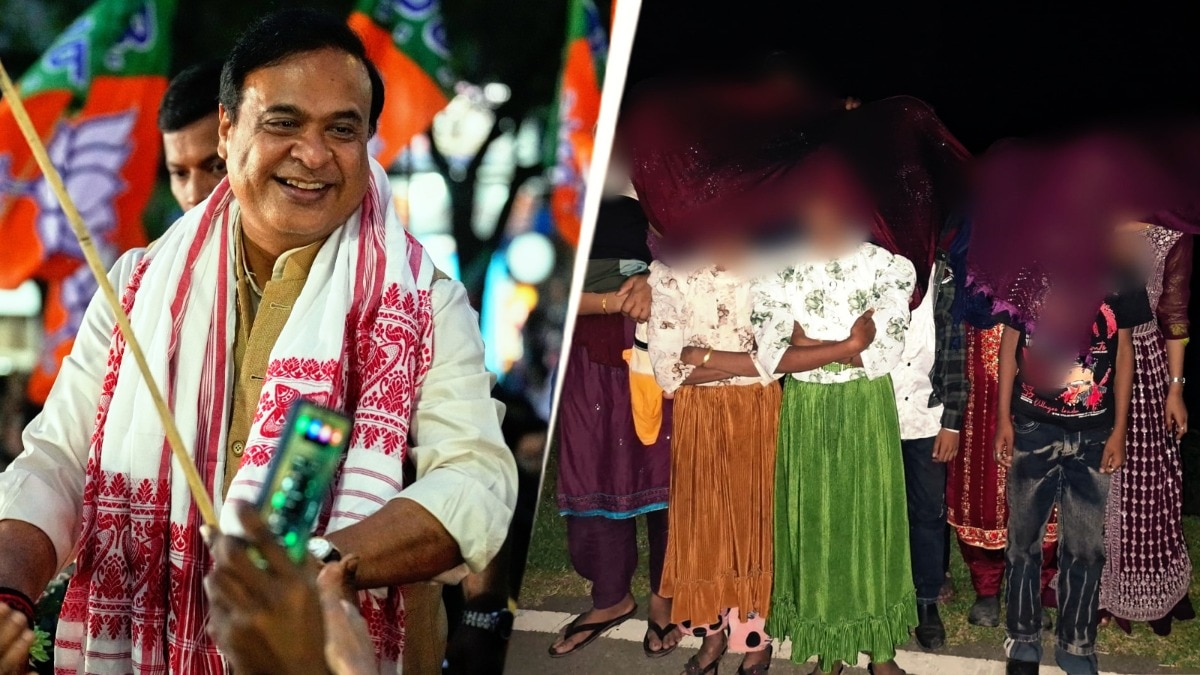
Sarma stated that while 1,400 Bangladeshis have been officially 'pushed back,' the actual number could be in the thousands. He referenced a Supreme Court ruling that allows a District Magistrate to issue an eviction order if a person is deemed not Indian, but noted that the order does not specify how eviction is to be carried out. Over the past few months, Sarma has posted pictures on social media of alleged Bangladeshi infiltrators being pushed back into Bangladesh. As recently as April 26, he tweeted that 20 illegal nationals were pushed back, adding, 'Rude people don't understand soft language.'
Illegal Immigration as a Central Election Issue in Assam
The issue of illegal immigration from Bangladesh has been a central theme in Assam's elections, where Sarma is seeking a second consecutive term as chief minister. He has campaigned on making Assam 'infiltrator-free,' a promise that resonates with a significant section of the electorate. Sarma's hardline stance has drawn both support and criticism. While his supporters applaud his tough approach, critics argue that his remarks risk inflaming communal tensions and damaging India's diplomatic relations with Bangladesh. The timing of the controversy is particularly sensitive, as both countries are attempting to mend ties after a period of strain.
Diplomatic Fallout and the Challenge of Resetting Ties
Bangladesh's protest underscores the fragility of bilateral relations, which have been under pressure due to a series of contentious issues. The summoning of the Indian envoy is a clear signal that Dhaka views Sarma's comments as a serious impediment to improving ties. India and Bangladesh share a complex relationship, with cooperation on trade, security, and connectivity often overshadowed by disputes over border management and illegal immigration. Sarma's remarks have added a new layer of tension, complicating efforts by both governments to move past recent animosities. The coming weeks will test whether diplomatic channels can contain the fallout.
What Comes Next? Open Questions on Deportation Policy
The row raises unresolved questions about India's deportation policy for alleged illegal immigrants. Sarma's description of nighttime pushbacks highlights a gap between official procedures and on-the-ground practices. The Supreme Court's ruling on eviction orders has not clarified the mechanics of deportation, leaving room for state-level interpretations. Bangladesh's refusal to acknowledge many of those deported as its nationals further complicates the issue. With no clear legal framework for verification, the practice of informal pushbacks is likely to continue, risking further diplomatic friction. The incident serves as a reminder of the deep-seated challenges in managing cross-border migration in South Asia.
The bottom line
- Bangladesh formally protested Assam CM Himanta Biswa Sarma's remarks on illegal immigration, summoning acting Indian High Commissioner Pawan Badhe.
- Sarma admitted that official deportation channels are slow, leading to nighttime 'pushbacks' of suspected Bangladeshi infiltrators.
- He claimed 1,400 official pushbacks but estimated the real number in the thousands.
- The controversy comes as India and Bangladesh attempt to reset ties under Tarique Rahman after months of animosity.
- Sarma's hardline stance on illegal immigration is a key plank in his re-election campaign in Assam.
- The lack of a clear legal framework for deportation leaves room for informal practices that strain bilateral relations.





Delhi-NCR Lashed by Hail and Rain as IMD Issues Orange Alert for 11 States

Kerala Lottery Karunya KR-752 Draws ₹1 Crore Winner; 30% Tax Applies
Riyan Parag fined 25% of match fee for vaping in IPL dressing room