India Mandates LPG Cylinder Surrender Amid Supply Concerns
New regulations require customers to return unused cylinders, impacting both domestic and commercial users.
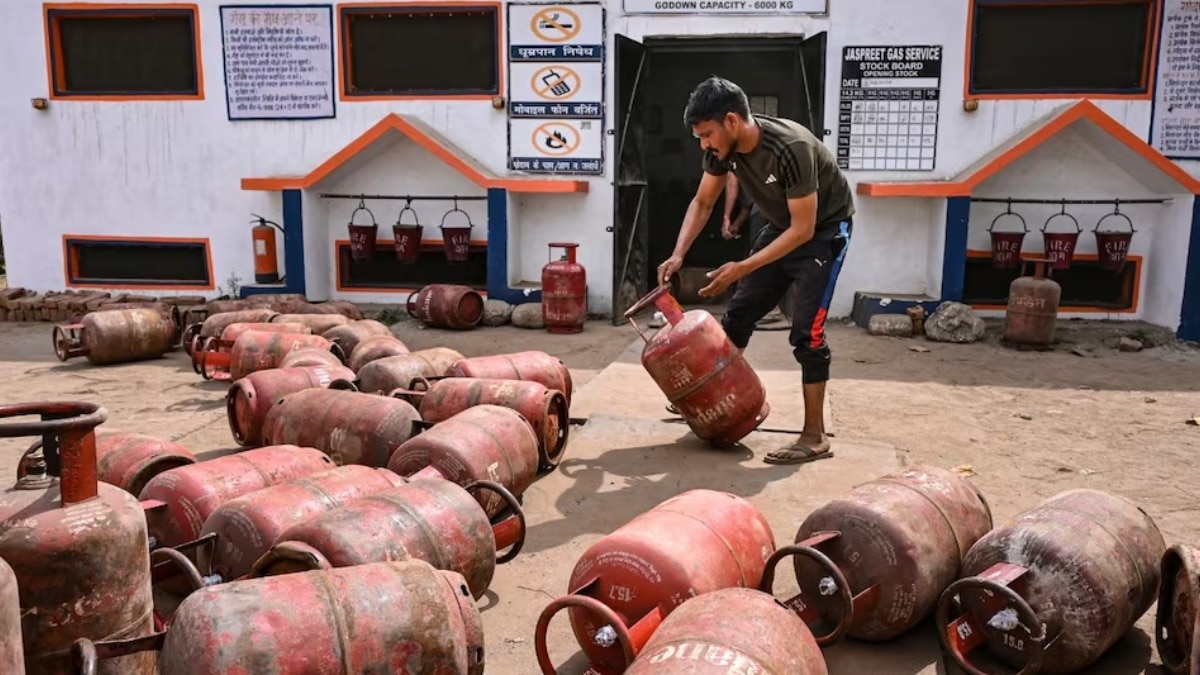
INDIA —
Key facts
- Government implements new rules to address LPG shortages in India.
- Customers are instructed to surrender unused LPG cylinders.
- The changes affect both domestic cooking gas and commercial users.
- Middle East crisis cited as a factor contributing to supply issues.
- New regulations include changes related to PNG connections.
- Rising gas prices have impacted hotel and restaurant operating hours.
Government Acts to Counter LPG Shortage
Facing a domestic shortage of Liquefied Petroleum Gas (LPG), the Indian government has introduced stringent new measures aimed at stabilizing supply. The crisis, exacerbated by geopolitical tensions in the Middle East, has prompted a significant regulatory shift. These new rules are designed to ensure that available LPG resources are efficiently utilized across the country. A key component of this strategy involves a directive for customers to surrender unused LPG cylinders. The government's move signals a proactive approach to managing a critical energy resource, seeking to mitigate the impact of international supply chain disruptions on the Indian populace.
The 'Surrender Your Cylinder' Directive
Consumers across India are reportedly receiving messages instructing them to surrender their LPG cylinders. This directive forms a central part of the government's revised regulations concerning cooking gas. The mandate to return unused cylinders is a departure from previous practices and signals a tightening of controls over LPG distribution. The intention is to reclaim cylinders that are not in active use, thereby increasing the pool of available units. This policy change directly affects millions of households and businesses that rely on LPG for their daily energy needs. The effectiveness of this measure hinges on widespread compliance and efficient logistics for cylinder collection and redistribution.
Broader Impact on Commercial Establishments
The repercussions of the LPG situation extend beyond domestic users, significantly impacting the hospitality sector. Reports indicate that rising gas prices have forced hotels and restaurants to alter their operating schedules. This adjustment in business hours reflects the financial strain placed on commercial entities due to the increased cost of essential energy. The need to manage expenses in light of volatile gas prices is becoming a critical challenge for these establishments. The ripple effect of the LPG shortage and price hikes is thus felt in the daily lives of consumers through altered services and potentially higher prices for food and accommodation.
Changes to PNG Connections Also Noted
Alongside the cylinder surrender mandate, the new regulations also encompass changes related to Piped Natural Gas (PNG) connections. While details remain scarce, this suggests a holistic review of the gas distribution network. These modifications to PNG services may indicate an effort to streamline the use of different gas types or to integrate supply management strategies across both LPG and PNG. The inclusion of PNG in the regulatory overhaul underscores the government's comprehensive approach to addressing energy supply challenges.
Context of Middle East Tensions and Inflation
The current LPG situation unfolds against a backdrop of heightened geopolitical instability in the Middle East, a region crucial for global energy supplies. International conflicts and trade disruptions invariably affect commodity prices and availability. This external pressure on supply chains is compounded by domestic issues, contributing to a general rise in the cost of living. The government's actions are thus a response to both global economic forces and internal demand management. Citizens are experiencing the brunt of these inflationary pressures, with essential commodities becoming increasingly expensive. The 'anti-people' decisions by the central government, as some observers term them, are seen as exacerbating the economic hardship faced by the populace.
Navigating Supply Challenges Ahead
The success of the government's new LPG rules will depend on several factors, including consumer cooperation and the operational efficiency of the distribution system. The challenge lies in balancing supply stabilization with the potential inconvenience to users. Further clarity is expected on the specifics of the PNG connection changes and the long-term strategy for ensuring consistent LPG availability. The government's ability to navigate these complex issues will be critical in the coming months. As the situation evolves, close monitoring will be necessary to assess the actual impact on households and businesses, and to understand the broader economic consequences of these significant policy interventions.
The bottom line
- India is implementing new regulations to combat an LPG shortage, driven partly by Middle East instability.
- A key measure requires customers to surrender unused LPG cylinders to improve supply availability.
- The changes affect both domestic users and commercial establishments, with hotels and restaurants already altering operations.
- New rules also involve modifications to Piped Natural Gas (PNG) connections.
- Rising gas prices are contributing to inflation and economic pressure on Indian consumers and businesses.
- The government aims to manage energy resources more effectively amidst global supply chain challenges.


Chandranath Rath, Aide to Suvendu Adhikari, Shot in West Bengal

Severe storms batter US Midwest and South, killing at least 3 and injuring dozens

Aaj Tak: India's Leading Hindi News Channel at 26, Navigating a Shifting Media Landscape
