India's 5-kg LPG cylinder costs more per kilo than commercial gas
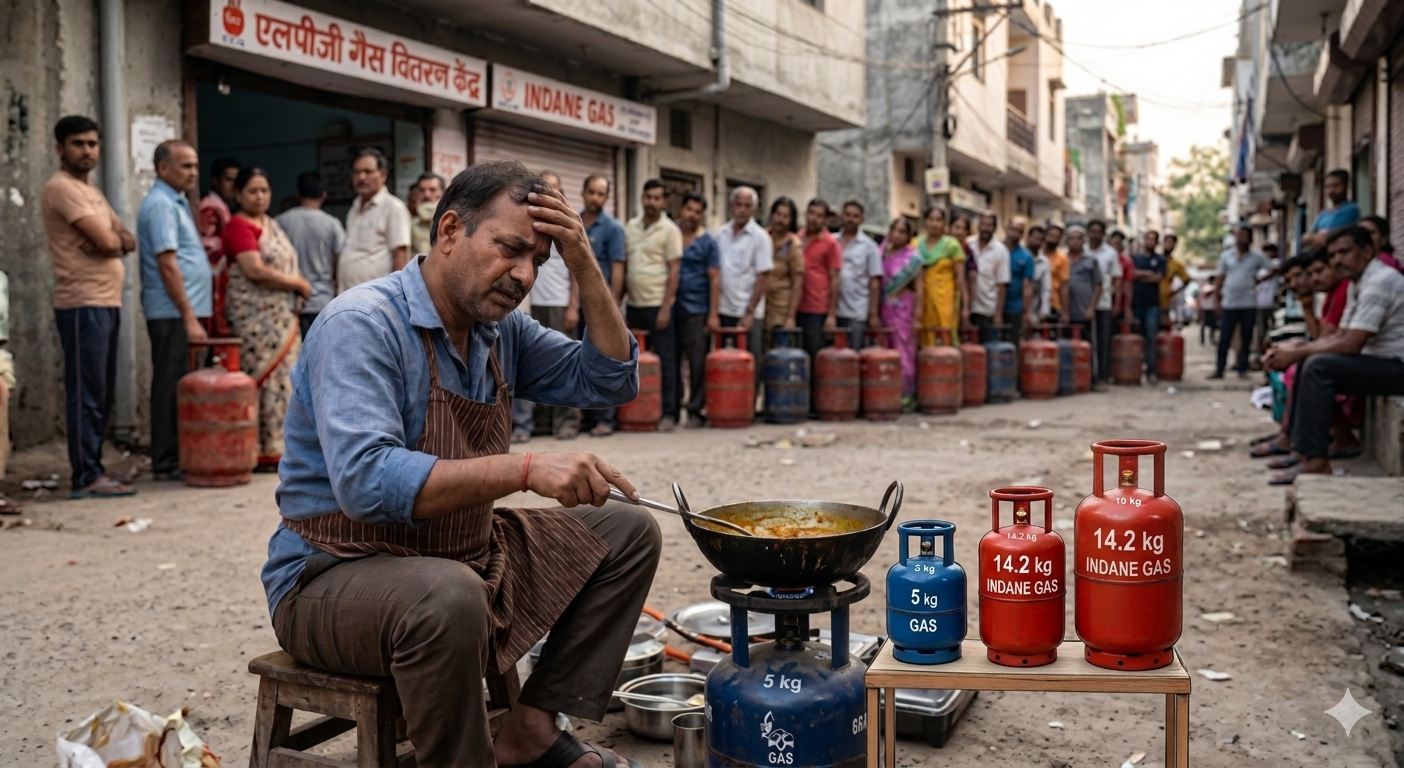
Migrant workers and students pay ₹168 per kg for the small cylinder, nearly three times the ₹64 per kg for a standard 14.2-kg domestic cylinder.
)
INDIA —
Key facts
- On 1 May 2026, state oil companies raised the price of a 5-kg LPG cylinder by ₹261, to ₹813.50 in Delhi.
- A 14.2-kg domestic cylinder in Delhi costs ₹913, only ₹100 more than the 5-kg cylinder but holds nearly three times the gas.
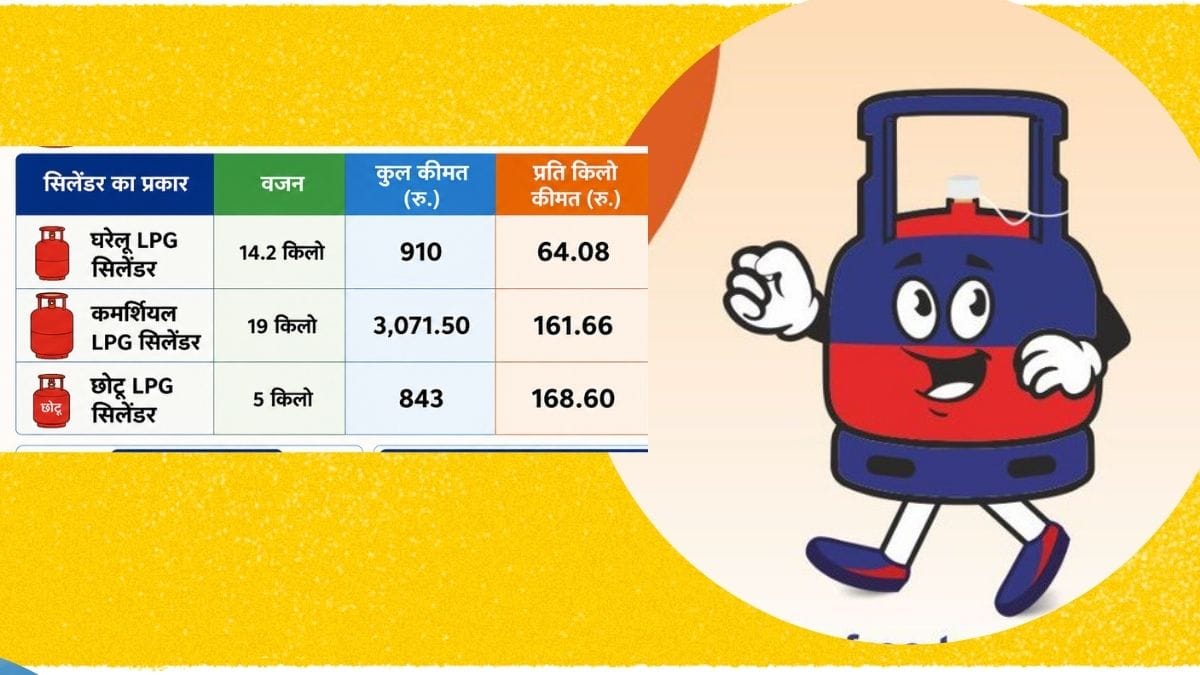
- Per kilogram, the 5-kg cylinder costs ₹162.60, the 14.2-kg cylinder ₹64, and the 19-kg commercial cylinder ₹161.70.
- Over the past two months, LPG cylinder prices have been increased four times, with commercial cylinders rising by ₹1,303.
- The Strait of Hormuz disruption following Iran-Israel tensions has pushed up international crude and LPG prices.
- Since 1 April 2026, over 17.83 lakh 5-kg FTL cylinders have been sold across India, with 81,000 sold on a single day.
- In Delhi, the 19-kg commercial cylinder now costs ₹3,071.50 after a ₹993 hike on 1 May.
- The government has directed all LPG refineries to boost production amid the Middle East crisis.
A pricing paradox hits India's most vulnerable gas users
In a sprawling factory district of Noida, Uttar Pradesh, 38-year-old migrant worker Dinesh and four roommates pool their wages to buy a 5-kg LPG cylinder for cooking. On 1 May, state-owned oil companies raised the price of that cylinder by ₹261, pushing it to ₹813.50 in Delhi. For Dinesh, who earns ₹15,000 a month, the increase meant he had to pay over ₹2,000 upfront for a new cylinder including security deposit — a sum that forced him to call his roommates for contributions. The pricing anomaly is stark: a 14.2-kg domestic cylinder in Delhi costs ₹913, just ₹100 more than the 5-kg cylinder, yet contains nearly three times the gas. Per kilogram, the small cylinder now costs ₹162.60, compared with ₹64 for the domestic cylinder and ₹161.70 for the 19-kg commercial cylinder. The 5-kg cylinder, intended as a lifeline for those without formal connections, has become the most expensive way to buy cooking gas.
Four price hikes in two months amid Middle East turmoil
The price increases follow a pattern of escalating tension in West Asia. Over the past two months, LPG cylinder rates have been revised upward four times. On 1 May alone, the 5-kg cylinder rose by ₹261, the 19-kg commercial cylinder by ₹993, and the 14.2-kg domestic cylinder remained unchanged at ₹913 in Delhi. Earlier, on 1 March 2026, the domestic cylinder had already been hiked by ₹60 to ₹913, and the commercial cylinder by ₹114.50. The cumulative effect is severe: commercial cylinder prices have surged by ₹1,303 in two months. The government attributes the volatility to the Iran-Israel conflict, which has disrupted shipping through the Strait of Hormuz, a critical chokepoint for crude and LPG shipments. International crude prices have risen sharply, and Indian refineries have been instructed to boost output.
Migrant workers and students bear the brunt of the small-cylinder premium
The 5-kg cylinder, often called the 'chhotu' cylinder, is the primary fuel source for migrant laborers, students, and small tea stalls. It requires no proof of address or identity, making it accessible to those without formal LPG connections. Dinesh, who moved from Bihar to Noida for factory work, had been refilling a 5-kg cylinder bought from a local shop. After the price hike, he approached a government agency for a subsidized cylinder, only to discover that the first-time cost — including cylinder security deposit — exceeded ₹2,000. Government officials said on Friday that over 17.83 lakh 5-kg FTL cylinders have been sold since 1 April, with 81,000 sold in a single day. The Ministry of Petroleum has also expanded PNG connections, adding 5.27 lakh new connections since March, with infrastructure ready for another 2.60 lakh. Yet for millions like Dinesh, the small cylinder remains the only option — and the most expensive per kilogram.
Per-kilogram cost comparison exposes regressive pricing
A detailed calculation reveals the scale of the disparity. In Delhi, a 14.2-kg domestic cylinder at ₹913 works out to ₹64 per kg. A 19-kg commercial cylinder at ₹3,071.50 costs ₹161.70 per kg. The 5-kg cylinder at ₹813.50 (post-hike) costs ₹162.60 per kg — even higher than the commercial rate. For Dinesh, who paid ₹843 for the gas content alone (excluding deposit), the per-kilo cost was ₹168.60. This means the poorest users — those without permanent addresses or formal connections — pay nearly three times the per-unit price of a standard domestic cylinder. The pricing structure effectively penalizes the very households the government says it wants to protect. As one official put it, the situation has left the most vulnerable "most wounded by the price hike."
Government reassures on supplies but warns of further volatility
Senior officials from multiple ministries held a press conference on Friday to address the crisis. They stated that India's crude oil, petroleum products, and LPG stocks are "very comfortable" and that the country is in a better position than during previous Hormuz disruptions. Port operations remain normal, and no incidents involving in the past 24 hours. However, they acknowledged that the situation in West Asia remains fluid. The Strait of Hormuz closure has already impacted crude supply, and further price increases cannot be ruled out. The government has directed all LPG refineries to ramp up production, and retail outlets are operating normally. Still, for households dependent on the 5-kg cylinder, the immediate outlook is one of continued financial strain.
A structural inequity laid bare by crisis
The current pricing system for LPG cylinders in India reflects a deeper structural inequity. The 14.2-kg domestic cylinder, which requires a formal connection and proof of residence, is heavily subsidized and effectively cross-subsidized by commercial and small cylinders. The 5-kg cylinder, designed for portability and ease of access, carries no such subsidy and is priced at market rates. As long as the Middle East crisis keeps international prices elevated, the burden will fall disproportionately on those who can least afford it. The government's push for PNG expansion and new LPG connections may offer a long-term solution, but for now, millions of migrant workers, students, and small vendors are left paying a premium for a basic necessity. The price of a 5-kg cylinder has become a stark measure of inequality in India's energy landscape.
The bottom line
- The 5-kg LPG cylinder costs ₹162.60 per kg, nearly three times the ₹64 per kg for a 14.2-kg domestic cylinder.
- Four price hikes in two months have raised commercial cylinder rates by ₹1,303 and 5-kg rates by ₹261.
- Migrant workers and students, who rely on 5-kg cylinders without formal connections, are the hardest hit.
- The Iran-Israel conflict and Strait of Hormuz disruption are driving international crude and LPG prices upward.
- Over 17.83 lakh 5-kg cylinders have been sold since April, indicating high demand among vulnerable groups.
- The government has ordered refineries to boost production but warns of further price volatility.




NEET 2026 Answer Key Released by Coaching Institutes as NTA Prepares Official Cutoffs

Wasim Jaffer calls for Aiden Markram to replace Rishabh Pant as LSG captain amid losing streak
Powerball and Mega Millions Live Draws Draw Global Audiences as Digital Streaming Transforms Lottery Viewing
