Israel Deploys Iron Beam Laser to UAE as Gulf Alliances Shift
The secret deployment of advanced Israeli defence systems to the UAE during Iran's assault marks a deepening of ties that could reshape regional alliances.
INDIA —
Key facts
- Israel sent a version of its Iron Beam laser defence system to the UAE.
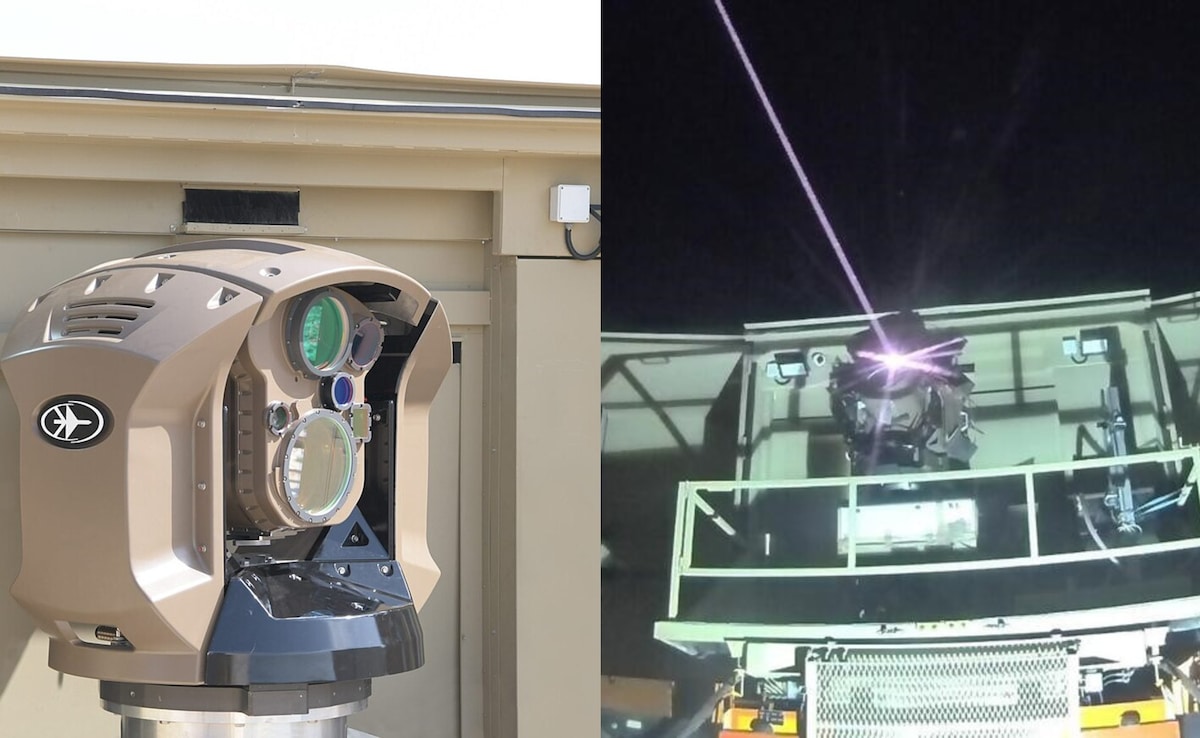
- The laser system vaporises short-range rockets and drones.
- Israel also deployed an Iron Dome interceptor battery and 'Spectro' surveillance system.
- 'Several dozen' Israeli military personnel were sent to the UAE.
- Iran launched more than 500 ballistic missiles and 2,000 drones at the UAE.
- The UAE withdrew from OPEC after nearly 60 years of membership.
- The Abraham Accords normalized ties between Israel and the UAE in 2020.
Secret Deployment Amid Iranian Barrage
When the United Arab Emirates came under a relentless Iranian attack during the US-Israeli war on Tehran, Prime Minister Benjamin Netanyahu secretly ordered the Israeli military to send an Iron Dome interceptor battery—and soldiers to operate it—to the UAE. The decision came after a call with President Sheikh Mohammed bin Zayed Al Nahyan, a move that demonstrates just how far ties have come since the 2020 Abraham Accords. Beyond the Iron Dome, Israel also dispatched an advanced laser weapon system known as Iron Beam, which vaporises short-range rockets and drones. The laser, first used by Israel against Hezbollah projectiles from Lebanon, was sent as a prototype not yet fully integrated into Israeli defence networks. A regional official described the deployment as a display of 'the value of being Israel's friend'.
Advanced Surveillance and Intelligence Sharing
Israel also provided the UAE with an advanced surveillance system called 'Spectro', capable of detecting incoming drones from as far as 20 kilometres away, particularly the Iranian-made Shahed drones. Alongside the weapons systems, Israel shared intelligence with the Gulf state, informing it about short-range missile launch preparations in Iran. The majority of the incoming projectiles—more than 500 ballistic missiles and 2,000 drones—were successfully shot down after the UAE activated several layers of air-defence systems, among them Israeli-manufactured equipment. The offensive and defensive systems sent to the UAE were largely prototypes, not yet fully integrated into Israel's own weapon networks.
Personnel on the Ground and Operational Integration
Israel deployed 'several dozen' military personnel to the UAE to operate and maintain the systems. 'It's not a small number of boots on the ground,' a source familiar with the deployment said. The presence of Israeli troops marks one of the first examples of major defence co-operation between the two countries since the normalization of relations. The deployment underscores a new level of operational integration. An Israeli official noted that the war brought an unprecedented closeness, driven by a shared sense of fate: both countries were attacked, and the enemy is common. This closeness, the official said, will be reflected in the expansion of relations from here on.
Divisions in the Gulf and Public Rebukes
The UAE has used the conflict to distance itself from traditional allies, issuing rare public rebukes of Arab nations that failed to step up during Iran's attacks. Anwar Gargash, an adviser to the UAE president, said at a conference in Dubai that the stance of fellow Gulf Arab monarchies 'was the weakest historically.' He added that he expected such a response from the Arab League but not from the Gulf states, expressing surprise. Gargash doubled down on the need for ties with Israel and the United States, stating that 'Israeli influence (will) become more prominent in the Gulf, not less.' The UAE's disappointment with its closest Arab partners has led it to forge closer bonds with Israel and nations that supported it during the war, including France, the US, and the UK.
OPEC Exit and Shifting Alliances
This week, the UAE pulled out of the OPEC oil cartel after nearly six decades of membership. Asked whether the group's de facto leader, Saudi Arabia, was consulted on the move, UAE Minister of Energy Suhail Al Mazrouei called it a 'sovereign national decision.' Experts say the UAE had felt constrained by the group and had sought to exit for years but remained in deference to Saudi Arabia. An Israeli official cast Abu Dhabi's departure from OPEC as evidence of a widening gap with Gulf positions and a shift toward closer alignment with Israel and the US. The move signals that the UAE is willing to break with longstanding regional arrangements to pursue its own strategic interests.
Outlook: A New Era in Israeli-UAE Relations
Israeli officials see the deepening military ties as an unprecedented opportunity. 'Amid the limited positive developments to emerge from the Iran war, this relationship stands out as good news,' an Israeli source with close knowledge of relations with the UAE said. Another diplomatic source noted that Israel 'did not even envision this closeness when we signed the Abraham Accords.' The war has propelled Israeli-UAE relations to a new level, including at the leadership level. As the UAE reshapes its regional alliances, Israel is poised to become a more prominent partner in Gulf security, with implications that extend far beyond the current conflict.
The bottom line
- Israel secretly deployed Iron Dome, Iron Beam laser, and Spectro surveillance systems to the UAE during Iran's attack.
- Several dozen Israeli military personnel were sent to operate the systems, marking a major defence co-operation milestone.
- The UAE publicly rebuked fellow Gulf states for failing to support it, signalling a rift in traditional alliances.
- The UAE withdrew from OPEC, a move seen as aligning more closely with Israel and the US.
- Israeli officials expect the war to permanently deepen ties with the UAE, with expanded relations to follow.
- The deployment of prototype systems highlights the experimental nature of Israel's military support.



India face Chinese Taipei in Thomas Cup quarterfinals, seek second title
Trump Administration Declares Iran War 'Terminated' as Ceasefire Holds, Blockade Continues

Trump Rejects Iran's Peace Proposal, Warns of Sanctions on Strait of Hormuz Tolls