Behind the Retro Underworld of 'KD – The Devil': Costumes, Vintage Vehicles, and a Custom-Built Double-Decker Bus
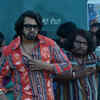
Director Prem and his team painstakingly recreated 1970s-80s Bengaluru, crafting nearly 500 costume combinations and a custom double-decker bus to evoke a lived-in period aesthetic.
INDIA —
Key facts
- Dhruva Sarja's 'KD – The Devil' earned Rs 16.27 crore worldwide in its first five days.
- The film's period setting spans the 1970s into the 1980s.
- Costume designer Devraj Sulok and team created nearly 500 costume combinations.
- 700 junior artistes received individual styling, down to hair and sidelocks.
- Over 40 retro bikes and 35 vintage cars were used, including modified bikes for Sanjay Dutt.
- A custom double-decker bus was built from scratch due to unavailability in India.
- Art director Mohan B Kere, music composer Arjun Janya, and cinematographer William David led the technical team.
A Period Recreated from Scratch
The action drama 'KD – The Devil' has completed five days in cinemas, earning Rs 16.27 crore worldwide. Yet beyond the box office numbers, the film's true achievement lies in its meticulous recreation of Bengaluru from the 1970s and 1980s. Director Prem insisted that the period feel lived-in, not merely designed for the screen. To achieve this, the technical team—including art director Mohan B Kere, music composer Arjun Janya, and cinematographer William David—focused on ground-level detailing. Costumes, vehicles, hair and makeup, and street textures all had to match the timeline precisely. The result is a retro underworld built from scratch, a world that required immense coordination and craftsmanship.
Costume Design: 500 Combinations and Individual Styling
Costume designer Devraj Sulok revealed that Prem provided references early on, asking the team to watch films from that period across languages. “We locked the timeline from the 1970s into the 1980s and built the look accordingly,” Sulok said. Hair, fabric, cuts—everything shifted with the years, and continuity mattered. For lead actors Sanjay Dutt and Shilpa Shetty, the styling process went through multiple rounds. “They’ve played roles in similar eras before, and the challenge was to avoid repetition. Prem wanted Sanjay Dutt in a dhoti-based look, which was something he hadn’t done earlier. Shilpa’s look took several trials before it was locked,” Sulok said. The costume department worked with 10–25 variations per character, creating nearly 500 costume combinations in total. Even 700 junior artistes had individual styling, down to hair and sidelocks, and everyone had to be ready by 6:30 am for the first shot.
Vintage Vehicles: Custom-Built Double-Decker Bus and Retro Fleet
Vehicles became one of the toughest parts of the recreation. “We couldn’t source a proper double-decker bus anywhere in India, so we custom-built it from scratch, including period-correct seating,” said Bharath Lingesh, who oversaw the sets alongside Lokesh DP. The team also used over 40 retro bikes and 35 vintage cars. Some bikes, including Sanjay Dutt’s, were modified, adding to the cost and effort. A convoy of vintage machines moved through sets packed with over 1,000 junior artistes. The coordination between traffic, stunts, and camera setups brought both risk and realism. Cinematography was carefully tuned to match the muted tones of the era, ensuring every frame felt authentic.
Box Office Performance and Critical Reception
Despite the lavish production, critical reception has been mixed. Reviews describe the film as a “fan service that’s just about watchable” and a “brain-rot commercial entertainer” that tests patience. Yet the box office tells a different story: after a 128% jump on day 4, the film is on track to become the number one Kannada grosser of 2026. The steady growth suggests that audience enthusiasm, particularly among fans of Dhruva Sarja, remains strong. The film's commercial prospects are bolstered by its wide release and the star power of its cast, which includes Sanjay Dutt and Shilpa Shetty. However, the disconnect between critical and commercial reception raises questions about the sustainability of such formulaic action dramas.
The Stakes for Kannada Cinema
'KD – The Devil' arrives at a pivotal moment for the Kannada film industry, which has seen a surge in pan-Indian releases. The film's success could reinforce the trend of big-budget, star-driven entertainers, while its mixed reviews highlight the challenge of balancing spectacle with storytelling. Director Prem's commitment to period authenticity may set a new benchmark for production design in regional cinema. Yet the film's narrative shortcomings, as noted by critics, suggest that visual fidelity alone cannot guarantee a compelling movie. The industry now watches to see whether 'KD – The Devil' can sustain its box office momentum and whether its technical achievements will influence future productions.
What Comes Next
As 'KD – The Devil' continues its theatrical run, the focus shifts to its long-term earnings and potential for franchise expansion. The film's detailed world-building—from the custom double-decker bus to the 500 costume combinations—could become a talking point that drives word-of-mouth. However, the polarized reviews may limit its appeal beyond existing fan bases. For now, the film stands as a testament to the power of meticulous period recreation, even if the story fails to match the ambition of its production design. The coming weeks will reveal whether audiences embrace the retro underworld as wholeheartedly as the team that built it.
The bottom line
- 'KD – The Devil' earned Rs 16.27 crore worldwide in five days, with a 128% jump on day 4.
- The film recreates 1970s-80s Bengaluru with nearly 500 costume combinations and a custom-built double-decker bus.
- Costume designer Devraj Sulok and team individually styled 700 junior artistes.
- Over 40 retro bikes and 35 vintage cars were used, including modified bikes for Sanjay Dutt.
- Critical reception is mixed, with reviews calling it a 'fan service' and 'brain-rot entertainer'.
- The film is poised to become the top Kannada grosser of 2026, despite narrative shortcomings.





Netflix’s ‘Glory’ Unravels a Boxing Family’s Dark Secrets in Haryana
Nahid Rana's Late Return Powers Peshawar Zalmi to PSL 2026 Title
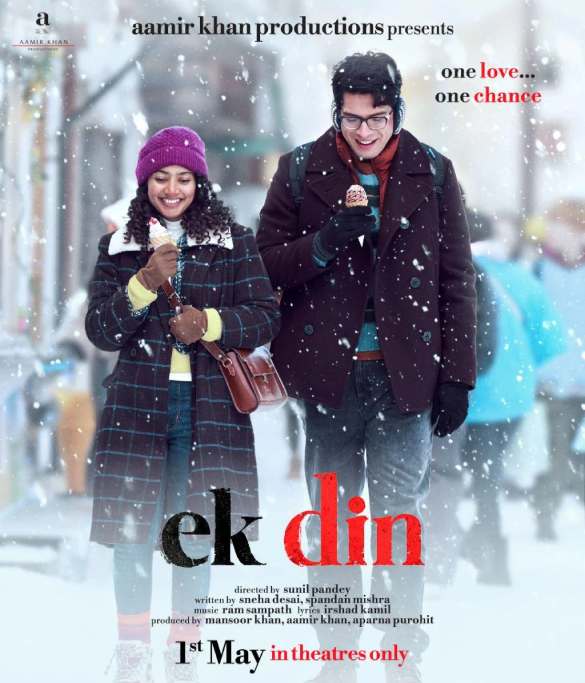
Junaid Khan and Sai Pallavi's 'Ek Din' Earns Just Rs 1 Crore on Opening Day, Clashes with 'Raja Shivaji'