India’s Tallest Cable-Stayed Bridge Opens as Mumbai-Pune ‘Missing Link’ Inaugurated on May 1
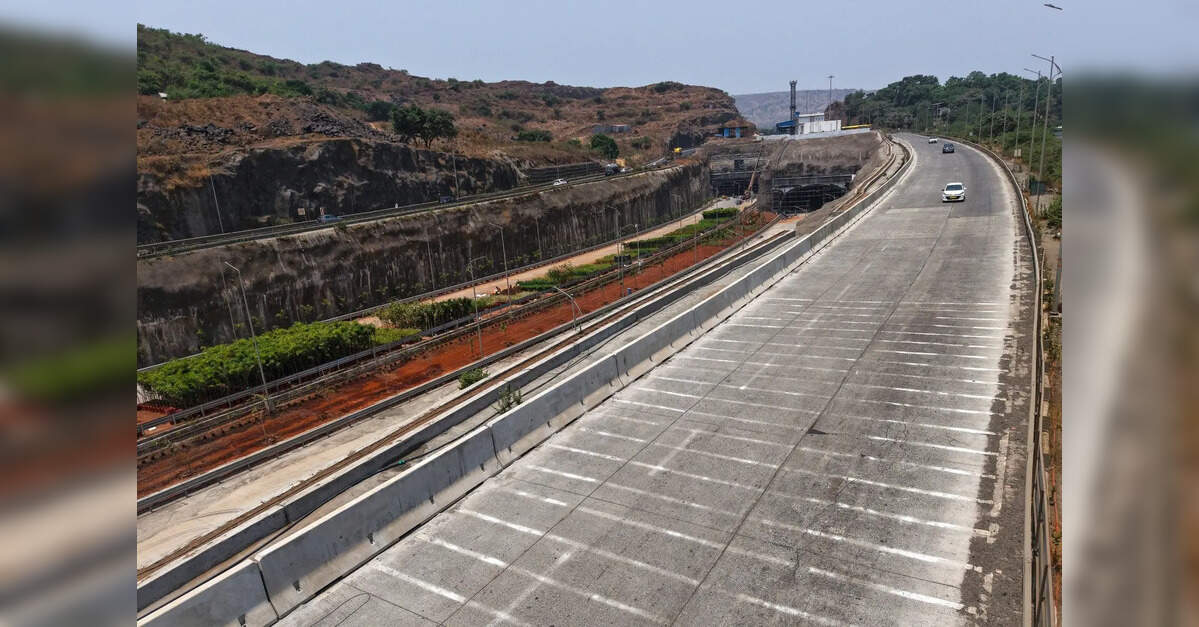
The Rs 6,695-crore project bypasses the perilous Khandala ghat, featuring two tunnels and a 182-metre pylon bridge over Tiger Valley.
INDIA —
Key facts
- Inauguration date: May 1, 2026.
- Project cost: Rs 6,695 crore.
- Two eight-lane tunnels: 1.75 km and 8.92 km long.
- Two viaducts: 850 metres and 650 metres.
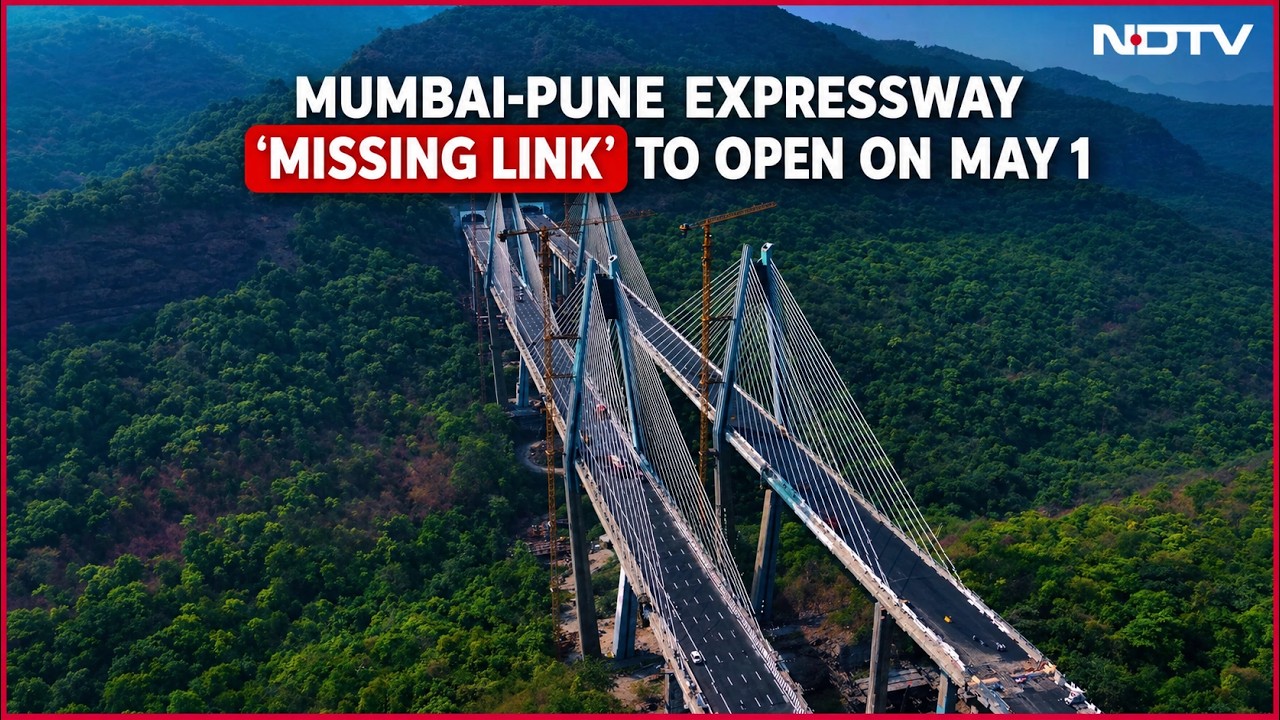
- 650-metre viaduct is India’s tallest road cable-stayed bridge with 182-metre pylons.
- Initial phase allows only light motor vehicles and buses.
- Developed by Maharashtra State Road Development Corporation (MSRDC).
- Godrej Enterprises installed first precast concrete crash barrier system on the expressway in partnership with Deltabloc.
A Decade-Long Bottleneck Finally Bypassed
On May 1, 2026, the long-awaited “missing link” on the Mumbai-Pune Expressway will open to traffic, ending years of congestion on the old Khandala ghat section. The project, developed by the Maharashtra State Road Development Corporation (MSRDC), cost Rs 6,695 crore and includes two tunnels, high viaducts, and a cable-stayed bridge over Tiger Valley. Officials confirmed that only light motor vehicles and buses will be allowed on the new stretch in the initial phase, a measure designed to decongest the existing ghat section. The route bypasses the Khandala ghat, which has long been a notorious traffic bottleneck and a safety concern for commuters between India’s financial capital and Pune.
Engineering Marvels: Tunnels and India’s Tallest Cable-Stayed Bridge
The project comprises two eight-lane tunnels measuring 1.75 km and 8.92 km, along with two viaducts of 850 metres and 650 metres. A key feature is the 650-metre viaduct, which officials described as India’s tallest road cable-stayed bridge. Its pylons rise to 182 metres, surpassing the height of the pylons on the Bandra-Worli Sea Link in Mumbai. The bridge spans Tiger Valley, a deep ravine that required advanced engineering solutions. The tunnels and viaducts together create a seamless high-speed corridor that eliminates the sharp curves and steep gradients of the old ghat road.
Safety Upgrades: Precast Concrete Crash Barriers Deployed
In a parallel development, Godrej Enterprises has introduced a precast concrete crash barrier system on the Mumbai–Pune Expressway project, partnering with Deltabloc. This marks the first deployment of such technology in India, aimed at enhancing road safety and reducing travel time. The crash barriers are aligned with global standards and incorporate recycled construction materials, according to company statements. The system is designed to absorb impact energy and prevent vehicles from crossing into opposite lanes, a critical upgrade on a route that has seen numerous accidents.
Traffic Relief and Economic Implications
The new link is expected to significantly cut travel time between Mumbai and Pune, currently plagued by chronic jams on the from motorists, including politician Supriya Sule who was stuck in traffic and spoke to drivers, have highlighted the severity of congestion. By diverting light vehicles and buses onto the new expressway, authorities hope to reduce pressure on the old ghat section, which also serves heavy trucks. The project’s completion is seen as a boost to economic activity along the Mumbai-Pune corridor, one of India’s busiest industrial and IT routes.
Open Questions and Future Phases
Officials have not announced a timeline for allowing heavy vehicles on the new stretch. The initial restriction to light motor vehicles and buses suggests a phased approach, with full opening contingent on traffic patterns and safety assessments. The MSRDC has not disclosed whether tolls will be levied on the new link, though the expressway already has a toll system. Environmental and social impact assessments for the Tiger Valley bridge and tunnels were completed prior to construction, but long-term monitoring of the ecologically sensitive area remains a concern.
A Milestone for Indian Infrastructure
The “missing link” represents one of the most complex highway projects undertaken in India, combining long tunnels, high viaducts, and a record-breaking cable-stayed bridge. Its inauguration on May 1 marks the culmination of years of planning and construction. With the first precast concrete crash barrier system also debuting on the same expressway, the project sets new benchmarks for road safety and engineering in India. The success of this corridor could influence future infrastructure projects, particularly in mountainous terrain where tunnels and bridges are essential.
The bottom line
- The Mumbai-Pune Expressway missing link opens May 1, 2026, bypassing the Khandala ghat bottleneck.
- The project cost Rs 6,695 crore and includes two tunnels (1.75 km and 8.92 km) and two viaducts.
- The 650-metre viaduct is India’s tallest road cable-stayed bridge with 182-metre pylons.
- Only light motor vehicles and buses are allowed initially to decongest the old ghat section.
- Godrej Enterprises and Deltabloc installed India’s first precast concrete crash barrier system on the expressway.
- The project is expected to cut travel time and improve safety on a key economic corridor.

Delhi-NCR Pounded by Hailstorms as IMD Issues Orange Alert for 11 States

Kerala Lottery Karunya KR-752 Draws ₹1 Crore Winner; 30% Tax Applies
Riyan Parag fined 25% of match fee for vaping in IPL dressing room