National Highway 48, in context
Highway Modernisation: Discover India's barrier-free tolling system on NH-48 enhancing travel and logistics with ANPR and FASTag tech.
INDIA —
Highway Modernisation: Discover India's barrier-free tolling system on NH-48 enhancing travel and logistics with ANPR and FASTag tech. National Highway 48 has emerged this Saturday as one of the stories drawing attention in India.
Key facts
- Highway Modernisation: Discover India's barrier-free tolling system on NH-48 enhancing travel and logistics with ANPR and FASTag tech.
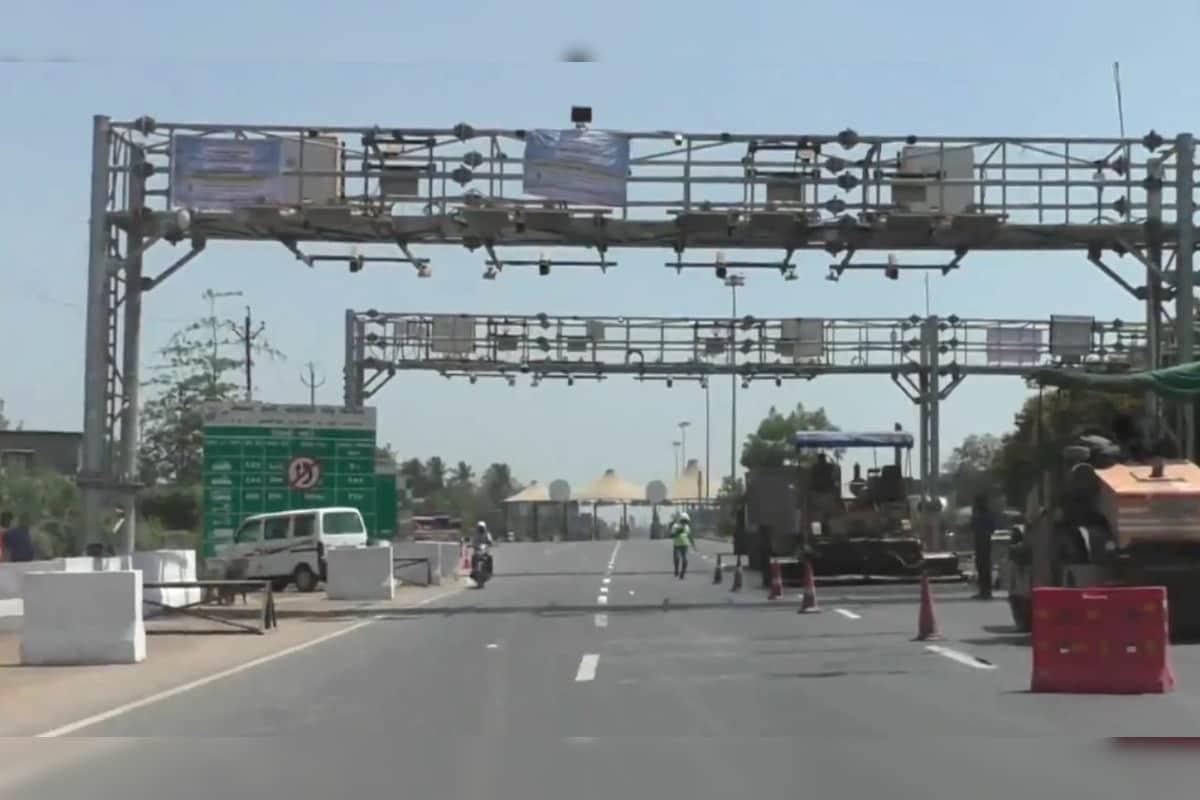
- India’s first barrier-less toll system launched on NH-48 in Gujarat; here's what it means for commuters.
- The system is based on Multi-Lane Free Flow (MLFF) technology and has been implemented by the National Highways Authority of India (NHAI) as part of the Ministry of Road Transport and Highways' plan to modernise tolling infrastructure.
- Vehicles can pass through the toll plaza at speeds of up to 80 kmph, addressing long-standing issues of queues and traffic build-up, particularly on busy highway corridors.
- Union Highways Minister Nitin Gadkari has stated that India is expected to become completely barrier-free in toll collection by the end of 2026, with the Surat installation serving as a pilot for wider implementation.
What we know
Going deeper, India’s first barrier-less toll system launched on NH-48 in Gujarat; here's what it means for commuters.
On the substance, the system is based on Multi-Lane Free Flow (MLFF) technology and has been implemented by the National Highways Authority of India (NHAI) as part of the Ministry of Road Transport and Highways' plan to modernise tolling infrastructure.
Beyond the headlines, Vehicles can pass through the toll plaza at speeds of up to 80 kmph, addressing long-standing issues of queues and traffic build-up, particularly on busy highway corridors.
More precisely, Union Highways Minister Nitin Gadkari has stated that India is expected to become completely barrier-free in toll collection by the end of 2026, with the Surat installation serving as a pilot for wider implementation.
It is worth noting that Union Minister Nitin Gadkari on Friday announced the rollout of India’s first Multi-Lane Free Flow (MLFF) barrier-less tolling system at the Chorayasi.
By the numbers
At this stage, why GST collections hit a record high of Rs 2.43 lakh crore in April and will the trend sustain?
On a related note, US stock markets today (May 1, 2026): Wall Street heads for fresh records; Apple rallies as oil prices cool.
Going deeper, Capex push stays despite fiscal stress: Govt to retain Rs 12.22 lakh crore spend amid global uncertainty.
On the substance, Maharashtra HSC Result 2026 Live Updates: Expected next week after Buddha Purnima and weekend gap, DigiLocker shows coming soon status.
The wider context
On a related note, RR vs DC Live: Starc strikes twice in an over, Riyan Parag dismissed on 90.
Going deeper, Petrol, Diesel, LPG price today: What are the latest rates on may 1, 2026?
On the substance, Centre hikes commercial LPG prices by Rs 993 amid global energy crisis.
Beyond the headlines, IPL 2026 | Rajat Patidar catch controversy explained: Was Jason Holder's catch fair in RCB skipper dismissal?
More precisely, the barrier-less plazas will facilitate automatic deduction of toll charges using a combination of Automatic Number Plate Recognition (ANPR) technology and FASTag integration.
The bottom line
- The system is based on Multi-Lane Free Flow (MLFF) technology and has been implemented by the National Highways Authority of India (NHAI) as part of the Ministry of Road Transport and Highways' plan to modernise tolling infrastructure.
- Why GST collections hit a record high of Rs 2.43 lakh crore in April and will the trend sustain?
- The barrier-less plazas will facilitate automatic deduction of toll charges using a combination of Automatic Number Plate Recognition (ANPR) technology and FASTag integration.





India Launches Census 2027 with Self-Enumeration Portal as Punjab Chief Minister Leads by Example
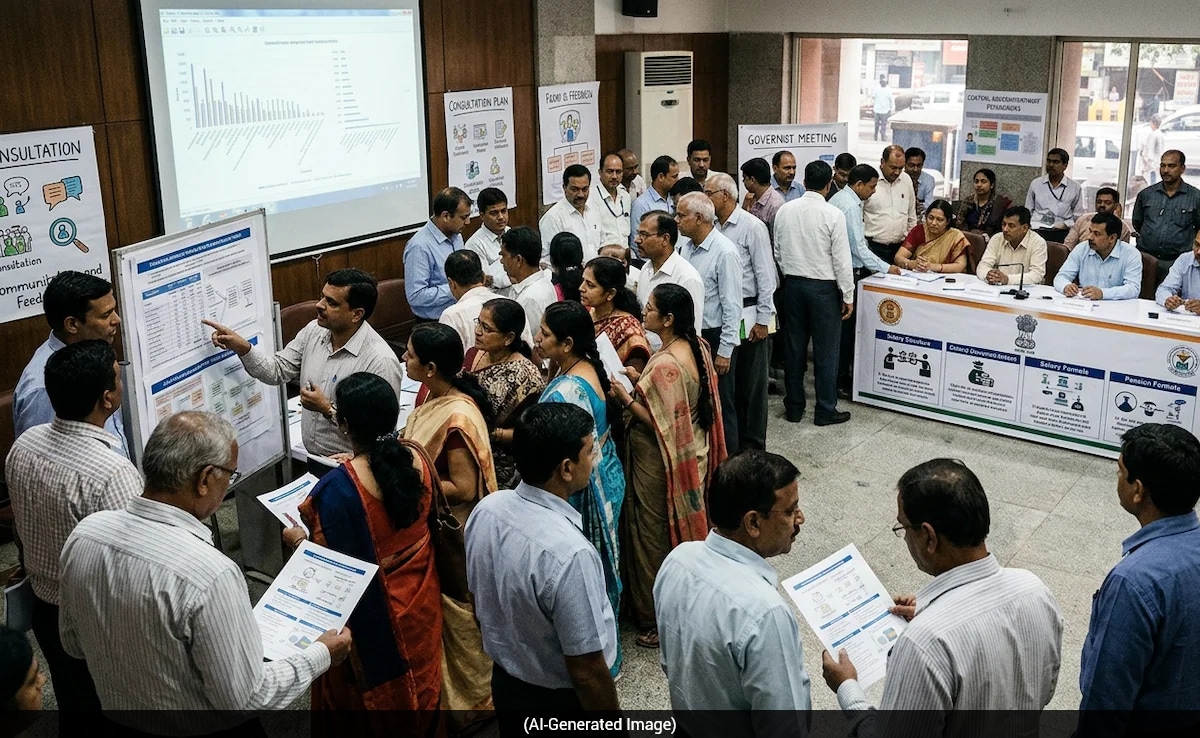
India’s 8th Pay Commission Extends Employee Demands Deadline to May 31, 2026